Blog
What Are DTF Transfers? A Complete Guide to Direct-to-Film Printing

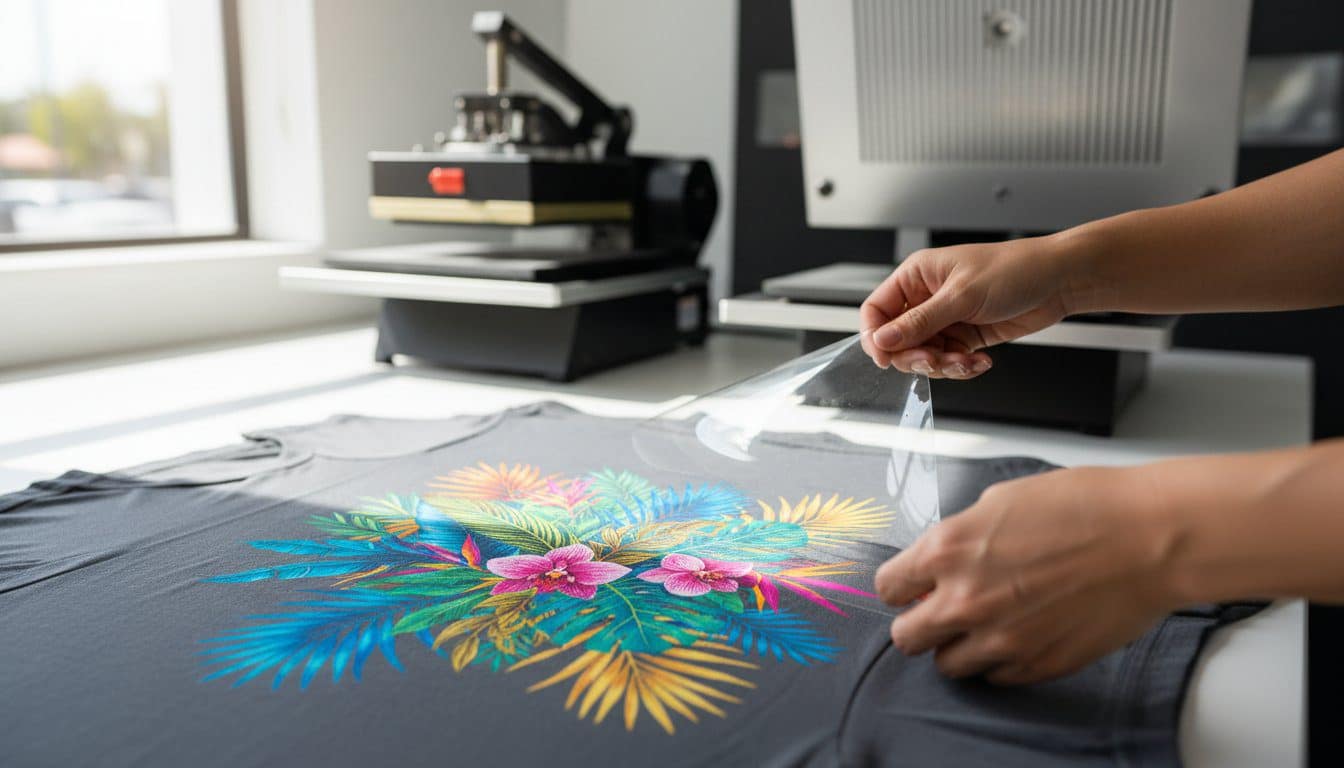
Tired of navigating the alphabet soup of apparel printing? From DTG to HTV, the options can be overwhelming, especially when you’re worried about prints that crack, peel, or feel like a thick plastic shield on the shirt. If you’re searching for vibrant, incredibly durable designs with a soft-hand feel that lasts, it’s time to get clear on the industry’s most versatile solution. We’re talking about the dtf transfer, a game-changing technology that delivers professional-grade results on almost any fabric.
This complete guide cuts straight to the point. Forget the technical jargon and confusion. We’ll show you exactly how Direct-to-Film printing works, why it’s a superior choice for many projects, and the simple steps to prepare your artwork for flawless results. Plus, we’ll walk you through the heat press application process to ensure you get a perfect, long-lasting bond every single time. You’ll leave knowing exactly how to leverage DTF for your brand or project. Let’s get printing.
Key Takeaways
- DTF printing uses a special film to create vibrant, detailed heat transfers that can be applied to a wide range of fabrics.
- Learn the key advantages of DTF, including unmatched versatility for materials, superior durability, and full-color print quality.
- Applying a dtf transfer with a heat press is straightforward, but following the right steps for temperature and pressure is crucial for professional results.
- Great prints start with great artwork. Get the essential file prep guidelines to avoid printing errors and ensure a flawless finish every time.
What Exactly Is a DTF Transfer? The Basics Explained
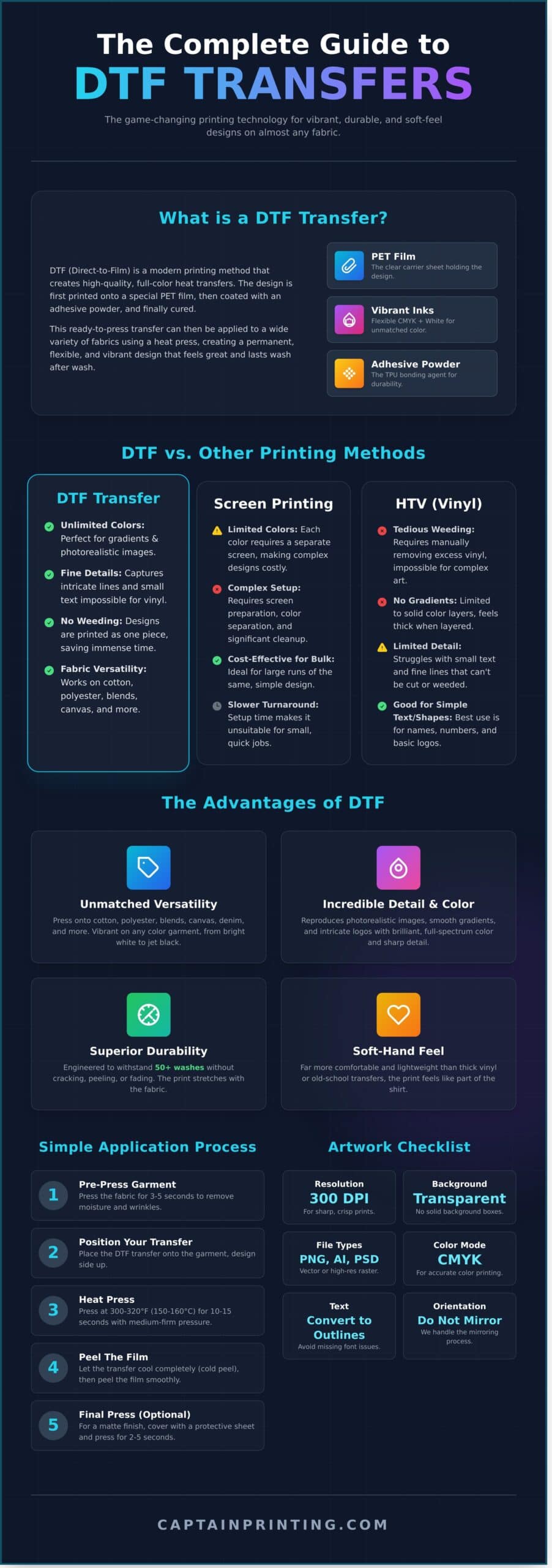
So, you’re ready to create custom apparel with vibrant, lasting designs. Let’s get straight to the point. DTF stands for Direct-to-Film, a modern printing method that creates high-quality heat transfers. The core concept is simple: we print your design onto a special film, which you can then press onto almost any fabric using a heat press. Think of a dtf transfer as a professional, super-durable upgrade to the old-school iron-on transfers.
To see the quality and process in action, check out this quick overview:
The Technology Behind Direct-to-Film
The magic happens with specialized equipment. The process of Direct-to-film printing starts with an advanced DTF printer that uses specific eco-solvent inks. A layer of white ink is printed first, which is the key to making designs pop on any color fabric-from black cotton to bright polyester. Afterward, a fine adhesive powder is applied to the wet ink. This powder melts during the heat press stage, acting as the powerful glue that bonds the design permanently to the garment. The result is a flexible, ready-to-press transfer that feels great and lasts wash after wash.
Key Components of a DTF Transfer
Every DTF transfer is made from three essential materials working together to create a flawless print:
- PET Film: This is the clear carrier sheet your design is printed onto. It’s designed to release the ink cleanly when heat is applied.
- Inks: We use specially formulated CMYK and white inks that are incredibly vibrant, flexible, and built for durability on fabric.
- Adhesive Powder: This granulated thermoplastic polyurethane (TPU) is the crucial bonding agent that ensures your design sticks firmly to the textile.
How DTF Differs from Screen Printing and Vinyl (HTV)
DTF technology combines the best features of other popular apparel decoration methods, giving you unmatched versatility. It’s the efficient choice for full-color, detailed graphics without the complex setup.
- vs. Screen Printing: DTF eliminates the need for messy screen setups and color separations. This makes it perfect for small orders and designs with unlimited colors, gradients, and photorealistic details.
- vs. HTV Vinyl: Say goodbye to tedious weeding. With a dtf transfer, even the most intricate designs are printed in one solid piece. This allows for fine lines and details that are simply impossible to achieve with cut vinyl.
The Top 4 Advantages of Using DTF Transfers
Direct-to-Film (DTF) has quickly become the go-to printing method for creators and businesses, and for good reason. This technology delivers on four key fronts: unmatched versatility, incredible quality, superior durability, and impressive efficiency. These advantages make any dtf transfer project a success, from one-off customs to large-scale production. Understanding these benefits will show you why it might be the perfect choice for your needs.
1. Unmatched Versatility: Any Fabric, Any Color
Unlike other methods limited to specific materials, DTF works on nearly everything. You can press these transfers onto cotton, polyester, blends, canvas, denim, and more. Thanks to a white ink base layer, your designs will be vibrant and opaque on any color garment, from bright white to jet black. This opens up a world of possibilities for customizing t-shirts, hoodies, hats, tote bags, and even some hard surfaces.
2. Incredible Detail and Vibrant, Full-Color Prints
DTF printing excels at reproducing complex, high-detail artwork. It perfectly captures photorealistic images, intricate logos, and smooth color gradients that are impossible to achieve with traditional vinyl. The technology ensures every print is sharp, clear, and true to your original design file. Your colors will be brilliant and full-spectrum, delivering professional-grade results every time you press.
3. Superior Durability and Soft-Hand Feel
A great print needs to last. DTF transfers are engineered for durability, bonding directly with the fabric to create a flexible finish that stretches without cracking. In fact, the rise of DTF is a major driver of global textile innovation because of its reliable performance. Our transfers are tested to withstand 50+ washes without peeling or fading. Best of all, the final print has a soft-hand feel, far more comfortable and lightweight than thick, plastic-like vinyl.
4. Efficiency for Any Order Size
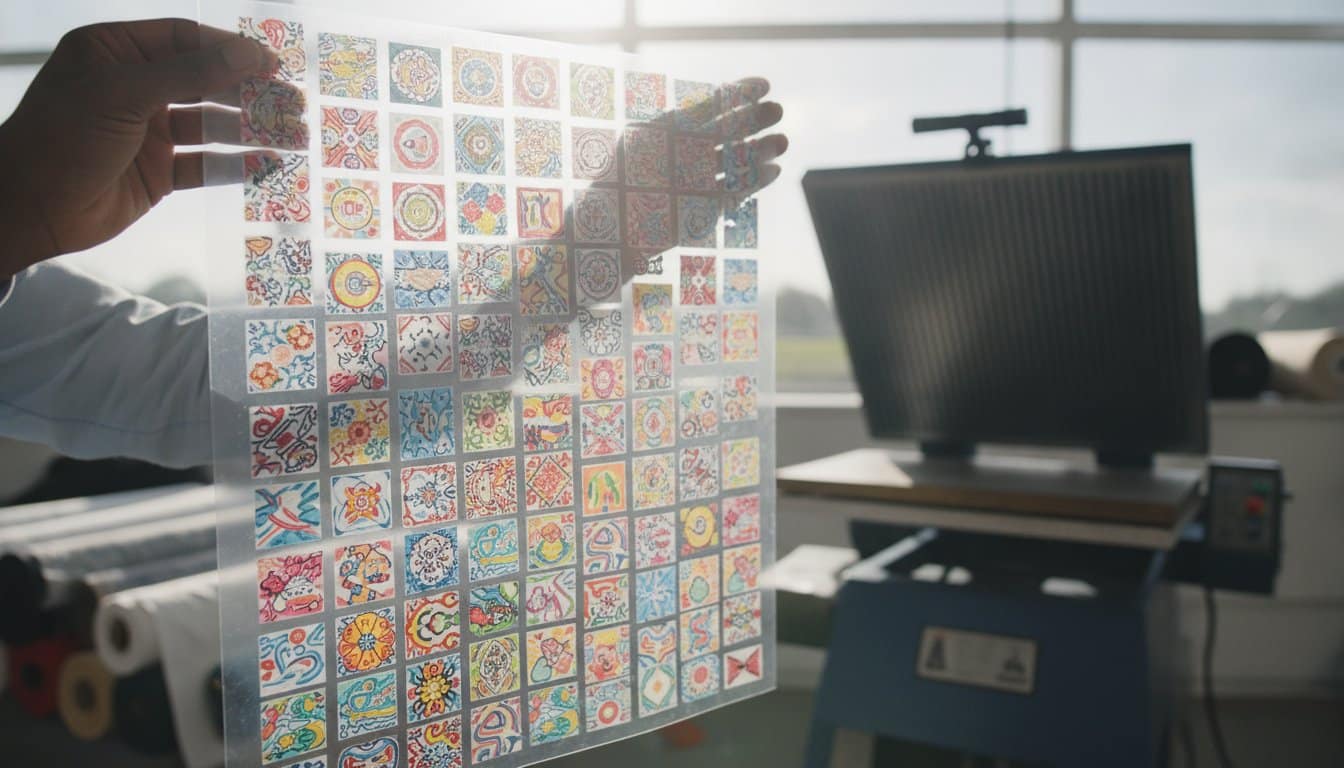
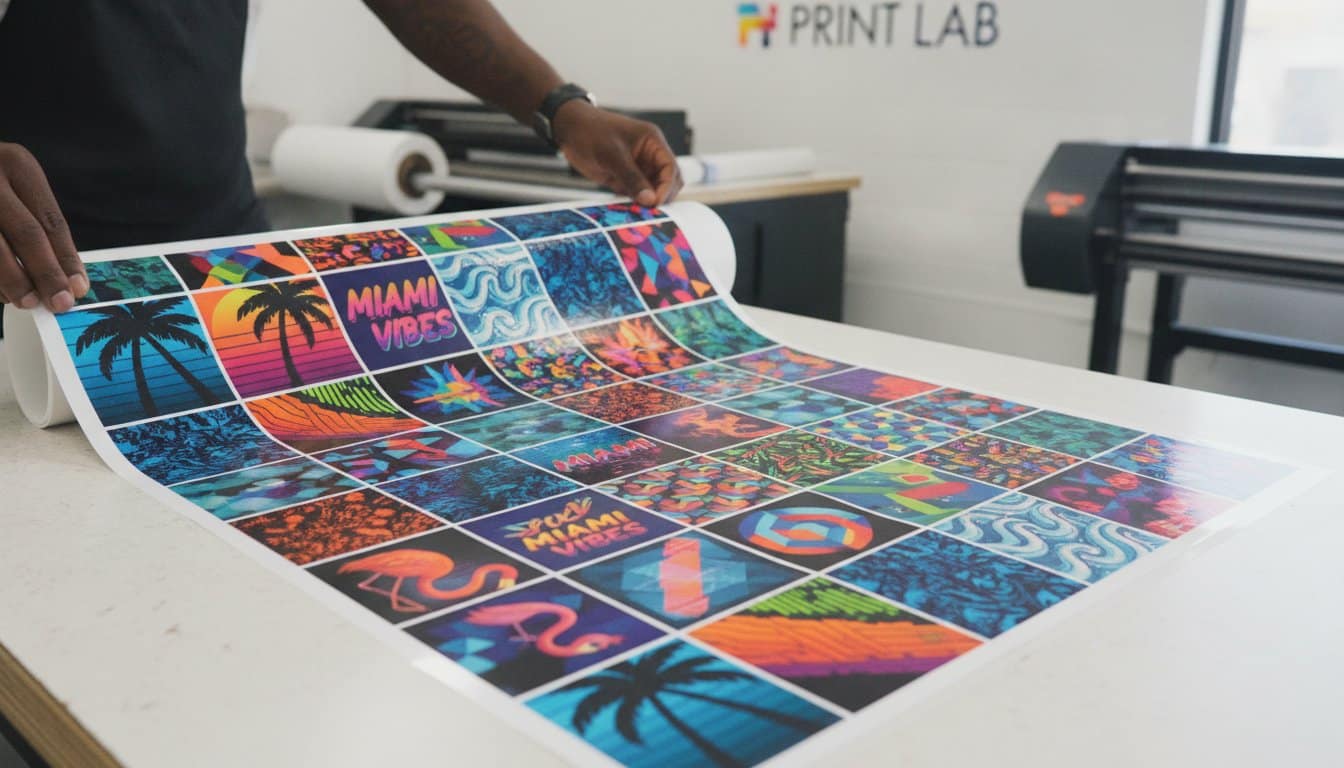
Whether you need one shirt or one hundred, the dtf transfer process is built for efficiency. There are no screen charges or complex setup fees, making it the most cost-effective option for small runs, custom orders, and one-off prototypes. For maximum value, you can group multiple designs onto a single gang sheet, paying for the sheet, not for each individual design. This streamlines production and keeps your costs low, no matter the order size.
How to Apply a DTF Transfer: A Step-by-Step Guide
Applying a dtf transfer is a straightforward process that delivers vibrant, professional results. With the right tools and technique, you can achieve a perfect press every time. This guide breaks down the application into simple, actionable steps, helping you avoid common mistakes like scorching fabric or improper adhesion. Follow along to get a flawless finish from the start.
Step 1: Gather Your Tools
Before you begin, ensure you have the right equipment on hand. Using the correct tools is essential for a high-quality, durable application. You will need:
- Heat Press: A commercial-style heat press is crucial. It provides the even heat and consistent pressure that a home iron cannot.
- Teflon Sheet or Parchment Paper: This protects your garment from direct heat and prevents the press’s upper platen from getting dirty.
- Your Garment: DTF works on a huge range of fabrics, including cotton, polyester, blends, and more. Make sure it’s clean and ready.
- Your DTF Transfer: Have your pre-made transfer from Captain Printing ready to go.
Step 2: Set Your Heat Press and Prep the Garment
Correct settings are critical for success. While these are standard guidelines, we always recommend confirming the specific instructions provided with your transfers.
- Temperature: Set your press to 307°F (153°C).
- Time: Set the timer for 12 seconds.
- Pressure: Use firm, even pressure.
Once the press is hot, place your garment on the lower platen and pre-press it for 5 seconds. This quick step removes hidden moisture and wrinkles, creating a perfectly smooth surface for your dtf transfer.
Step 3: Pressing and Peeling the Transfer
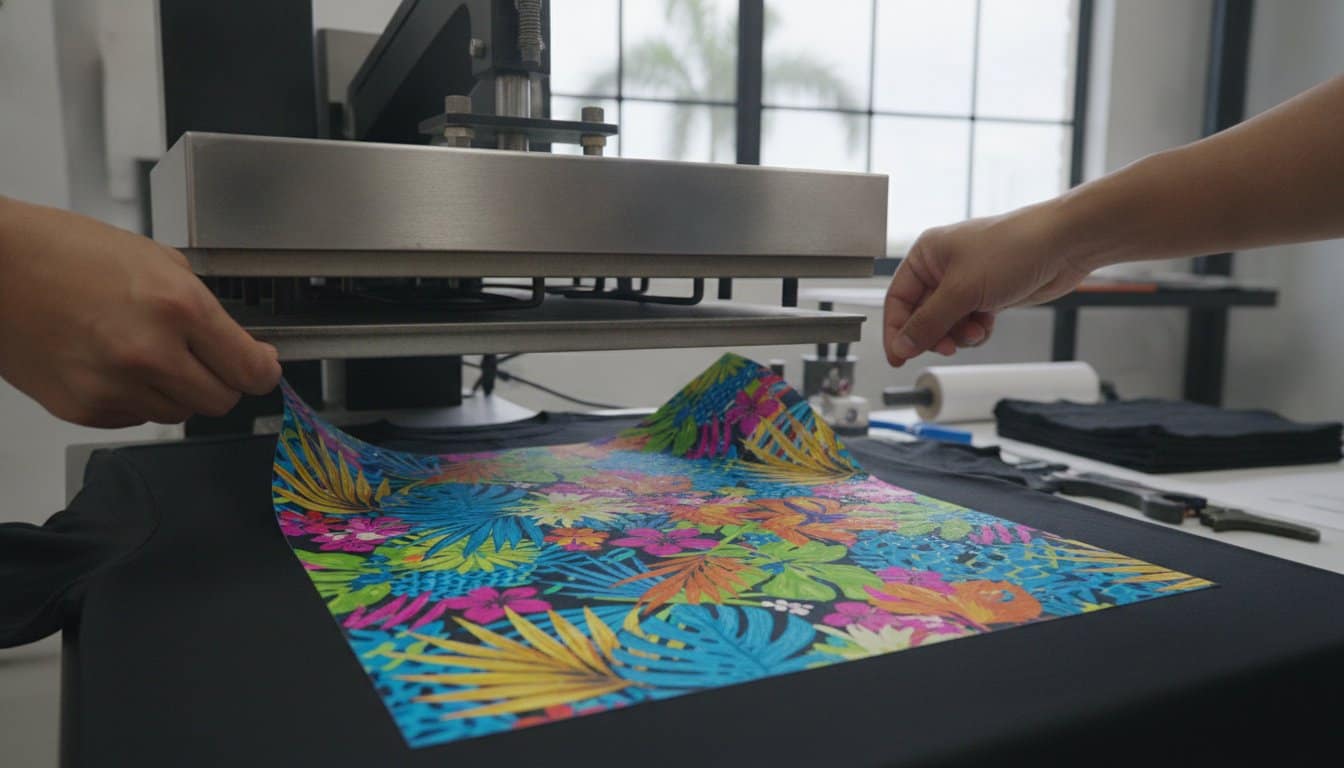
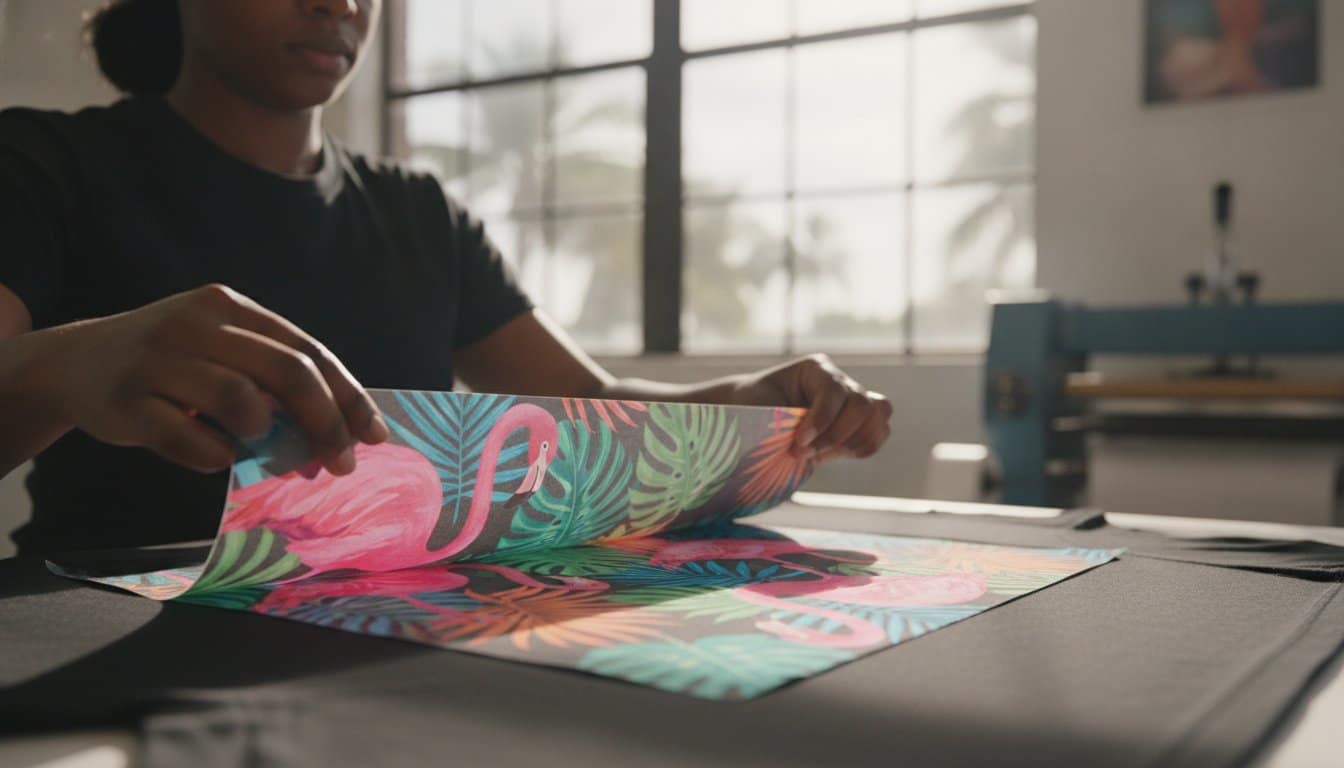
Carefully position the transfer on your garment with the ink-side facing down. Check your alignment to make sure it’s exactly where you want it. Cover the transfer with a Teflon sheet and press firmly for the full 10-15 seconds.
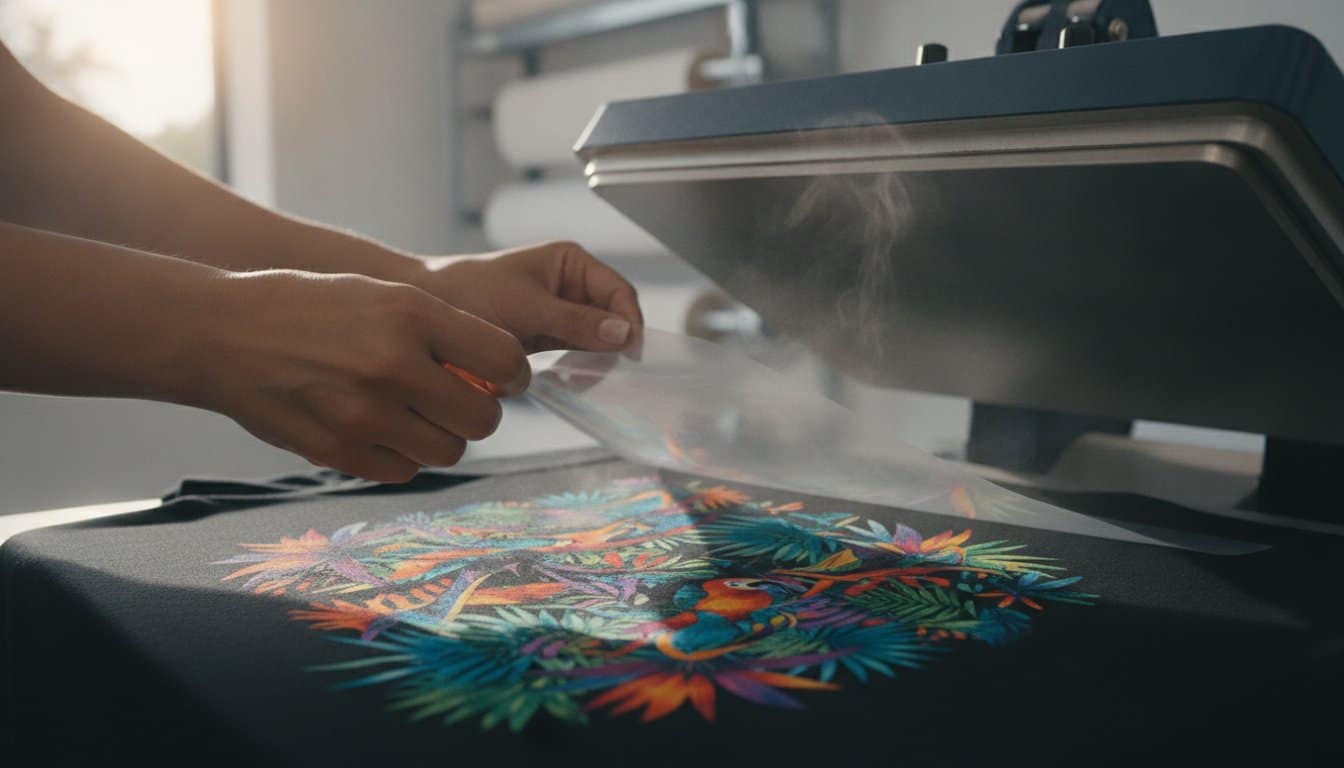
After pressing, remove the garment from the heat press and set it on a flat surface to cool down. Important: This is a cold peel process. The transfer must be completely cool to the touch before you attempt to remove the film. Once cool, lift one corner and peel the film back in a smooth, consistent motion.
Step 4: The Finishing Press for a Matte Look
This final step is the key to maximum durability and a professional finish. Place the garment back on the heat press, cover the exposed design with your Teflon sheet or parchment paper, and press it again for 5-7 seconds. This second press locks the design into the fabric fibers, improves washability, and gives the print a soft, matte look that feels like part of the shirt.
Preparing Your Artwork for Flawless DTF Prints
A vibrant, durable DTF transfer starts with a high-quality art file. Following these simple guidelines is the fastest way to avoid production delays, printing errors, and unexpected results. When your file is print-ready, we can process your order quickly and deliver the unmatched quality you expect. Let’s cover the essentials for file formats, resolution, and how to maximize your order’s value.
File Format and Resolution Essentials
To ensure your design prints exactly as you intend, your artwork must meet a few key technical standards. Submitting a properly formatted file is the most important step for a perfect print.
- Use PNG with a Transparent Background: This is the preferred format. A transparent background ensures we only print your design, not a solid white or colored box around it.
- Set Resolution to 300 DPI: DPI (Dots Per Inch) determines print clarity. 300 DPI is the industry standard for sharp, crisp, and professional-grade prints. Lower resolutions can appear pixelated or blurry.
- Size Your Artwork Correctly: Your design should be saved at the exact physical dimensions you want it printed. For example, if you need a 10-inch wide logo, your digital file should be sized to 10 inches wide at 300 DPI.
Common Mistakes to Avoid
Save time and money by sidestepping these common artwork issues. Our automated system prints what it receives, so catching these mistakes beforehand is crucial.
- Don’t Submit JPGs with a Background: Unless the white box is an intentional part of your design, a JPG file will include it in the final print. Stick to transparent PNGs.
- Avoid Semi-Transparency: Effects like glows, shadows, or feathered edges use semi-transparent pixels that do not print well with a dtf transfer. All colors must be 100% solid for the best result.
- Do Not Mirror Your Image: Our printing software automatically mirrors every design before printing. If you submit a pre-mirrored file, it will be flipped again and print incorrectly. Always upload your artwork as you want it to look on the shirt.
What Is a Gang Sheet? (And How It Saves You Money)
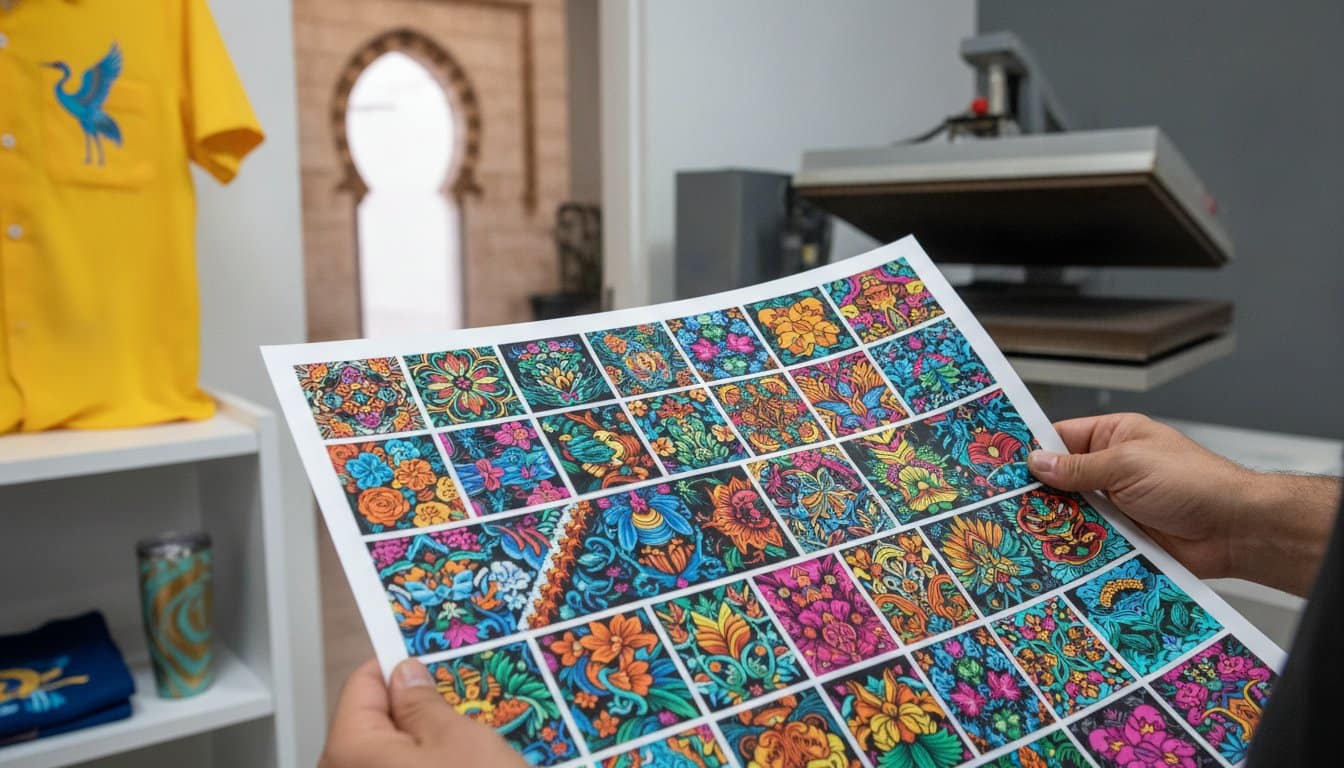
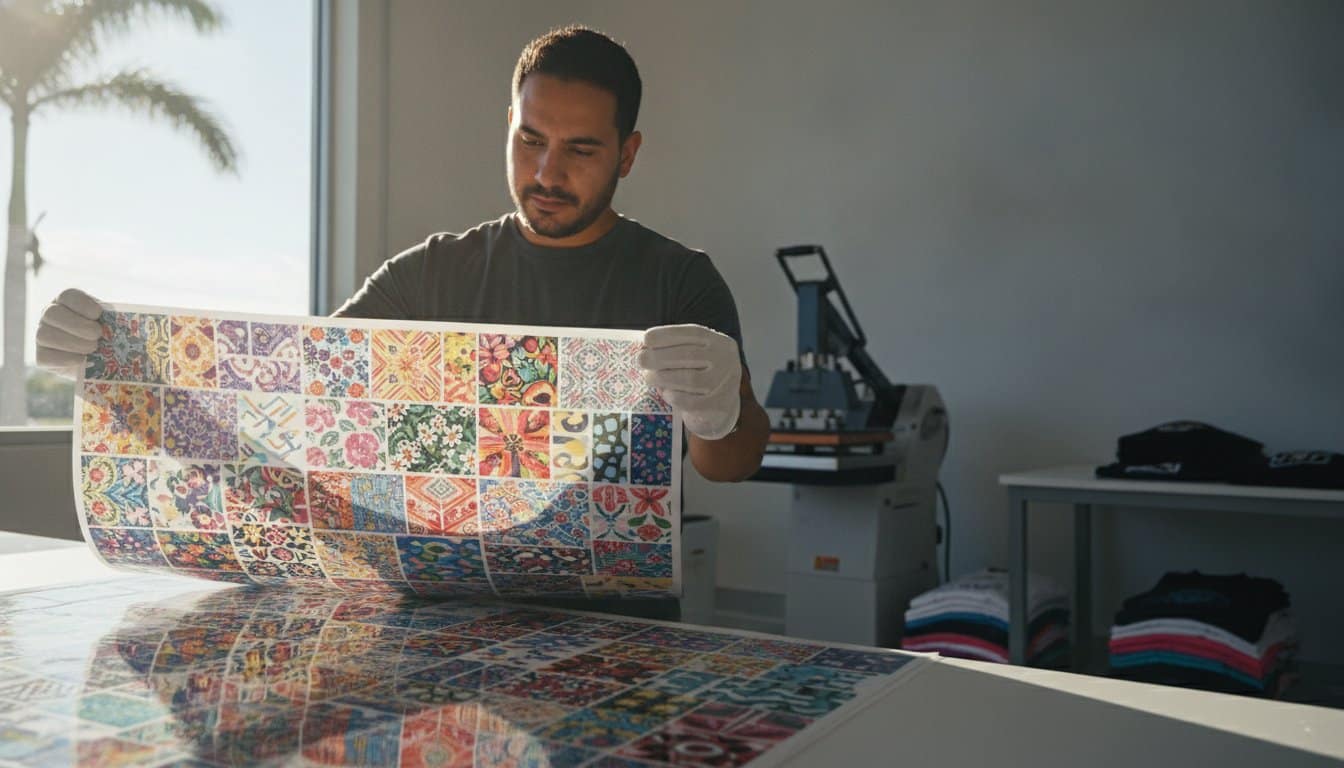
A gang sheet is a large DTF film that contains multiple designs arranged together. Instead of ordering single images, you can “gang” various logos, sizes, and graphics onto one sheet to be printed all at once. This method is the single most cost-effective way to order custom DTF transfers, dramatically lowering your cost per print.
It’s perfect for printing shirt tags, front logos, and back graphics in a single order. Ready to create your own? Try our Gang Sheet Builder now.
Why Order Custom DTF Transfers from a Pro?
While owning a DTF printer seems appealing, the reality involves a steep learning curve, expensive ink, and constant maintenance. Smart business owners focus their energy on what they do best: creating amazing designs and growing their brand. Outsourcing your printing to a professional service like Captain Printing frees you from technical headaches and guarantees a superior product every time.
Let us handle the production so you can focus on creativity and sales. When you partner with a pro, you get more than just a print-you get a reliable partner dedicated to your success.
Quality, Consistency, and Speed
We use top-of-the-line, commercial-grade equipment that consumer-level printers simply can’t match. This means every single dtf transfer you order from us delivers unmatched quality, ensuring your final products look professional and last wash after wash.
- Vibrant and Durable Results: Get brilliant, full-color prints with a soft feel and incredible durability that your customers will love.
- Expert Production: Our experienced team ensures your artwork is printed perfectly, with consistent color and precision on every order.
- Super-Fast Shipping: Your transfers arrive at your door trimmed and ready to press, helping you meet tight deadlines and keep your inventory stocked.
Our Simple Ordering Process
We’ve built our platform for speed and efficiency. Getting your custom designs printed is a straightforward, hassle-free process. Easily upload your artwork by size or use our powerful online Gang Sheet Builder to arrange multiple designs and maximize the value of every sheet. Our intuitive tools get you from idea to checkout in minutes. Once your order is placed, we get to work, delivering your ready-to-press transfers directly to you.
Explore Our Full Range of Printing Services
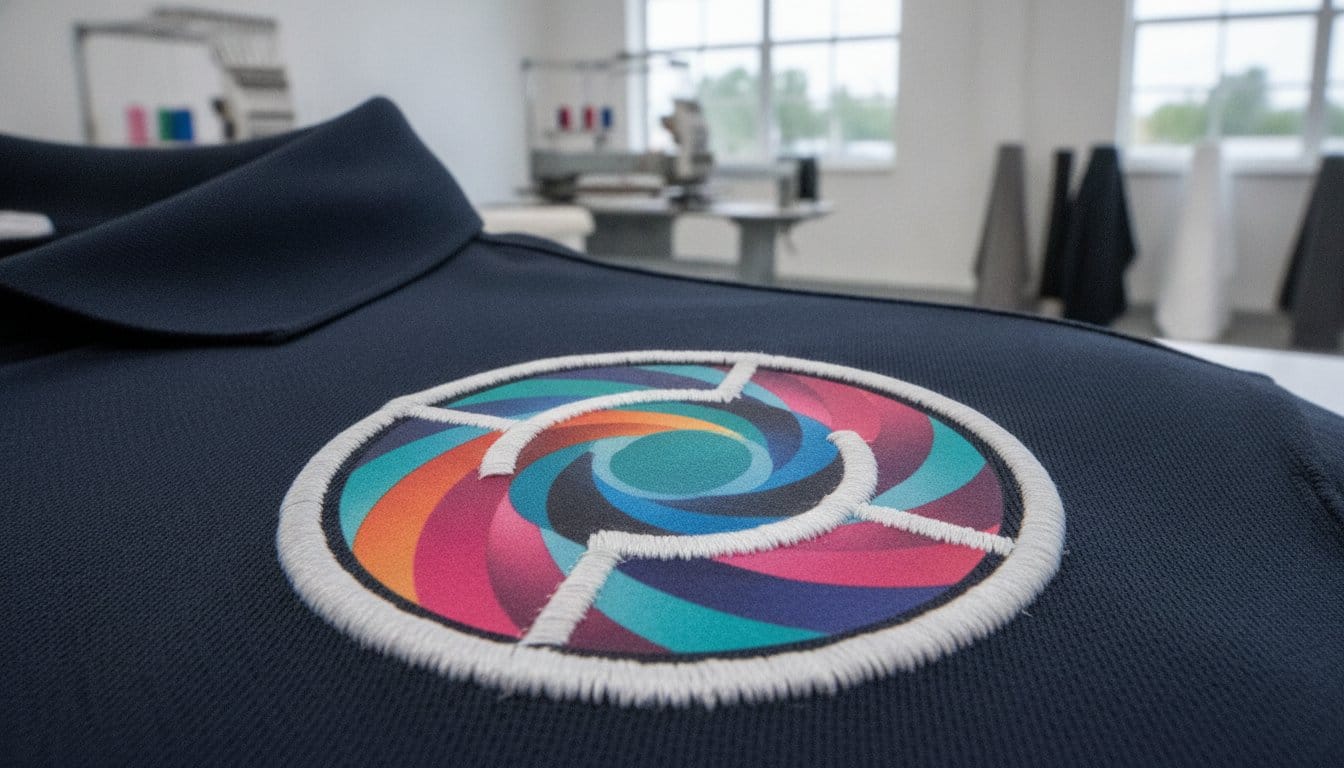
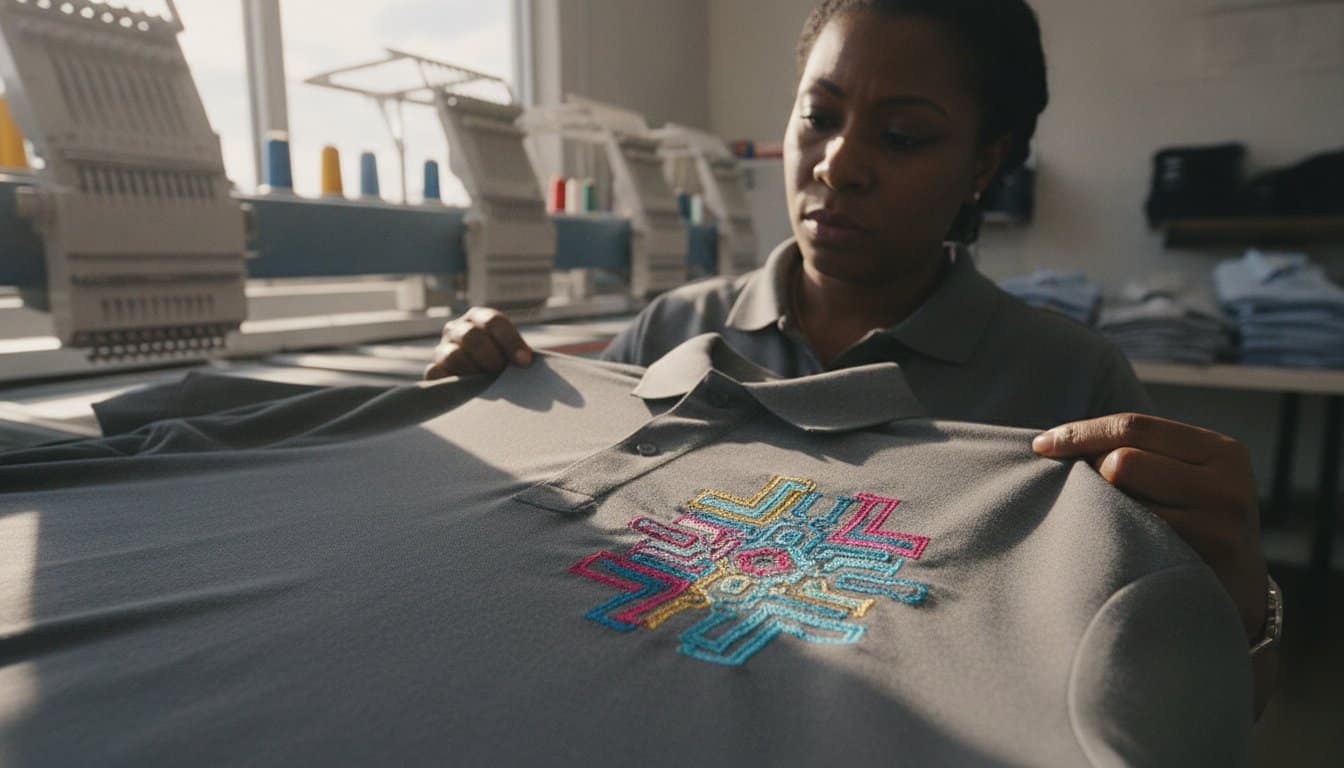
A great custom dtf transfer is a powerful tool, but it’s just one way we can help build your brand. Captain Printing is your one-stop shop for a huge range of promotional and branding materials. From detailed custom embroidery and eye-catching banners to professional business cards and flyers, we provide the same commitment to quality and speed across all our services. Ready to bring your entire brand vision to life? Check out all our products and services to complete your next project.
Ready to Print? Your DTF Journey Starts Here
As you’ve seen, Direct-to-Film printing is a revolutionary method for creating vibrant, long-lasting custom apparel. From its incredible versatility across different fabrics to the straightforward application process, the modern dtf transfer empowers creators and businesses to produce professional-quality results. The key to a flawless finish lies in high-quality artwork and a reliable printing partner who understands the technology inside and out.
Now, it’s time to put that knowledge into action. At Captain Printing, we make getting started simple. Use our easy-to-use Gang Sheet Builder to arrange your designs perfectly, and we’ll handle the rest. With super fast shipping nationwide and a local Miami store for in-person support, we’re your trusted partner for unmatched quality and speed. Stop waiting and start creating today.
Ready to see the difference for yourself? Build Your Custom DTF Gang Sheet Now and bring your vision to life. Your best prints are just a click away!
Frequently Asked Questions
Can I use a regular home iron for DTF transfers?
For professional, long-lasting results, a heat press is essential. A home iron provides uneven heat and pressure, which can cause peeling, cracking, and poor adhesion. To ensure your dtf transfer bonds correctly and has maximum durability, always use a quality heat press. This guarantees the consistent temperature and firm pressure needed for a perfect application every time. Get it right the first time with the proper equipment.
How long do DTF transfers last on a shirt?
When applied correctly, our DTF transfers are incredibly durable, often lasting for 50+ washes without cracking, fading, or peeling. The longevity is comparable to traditional screen printing and can easily outlast the garment itself. For the best results, always follow the recommended washing instructions, such as turning the garment inside out and using a cold, gentle cycle. This ensures your design stays vibrant and secure.
What is the difference between DTF and UV DTF transfers?
The key difference is the application surface. DTF transfers are designed for fabrics like cotton, polyester, and blends, using a heat press to bond the design to the material. In contrast, UV DTF transfers are for hard, non-porous surfaces like mugs, tumblers, glass, and metal. They act as a high-quality sticker and are applied by hand, requiring no heat at all. Choose the right transfer for your project to get unmatched quality.
Is there a minimum order quantity for custom DTF transfers?
We have no minimum order quantity. You can order a single custom design if that’s all you need for your project. However, for the best value and efficiency, we recommend using our Gang Sheet Builder. This tool lets you fit multiple designs onto one sheet, significantly lowering the cost per print. It’s the perfect solution for both small tests and large production runs. Get exactly what you need, fast.
What does ‘cold peel’ mean in the DTF application process?
Cold peel is a critical step in the application process. It means you must wait until the garment and the DTF transfer film have cooled down completely to room temperature after heat pressing. Peeling the film while it is still warm can damage the design and prevent it from adhering properly to the fabric. Patience here ensures a clean, sharp, and permanent transfer. Always allow the transfer to cool before you peel.
Can DTF transfers be applied to hats or other non-flat items?
Yes, DTF transfers are versatile and can be applied to hats, sleeves, and other uniquely shaped items. The key is using the right equipment; a standard flat press won’t work. You need a dedicated hat press or a specific platen attachment for your heat press that matches the curve of the item. This ensures you get the even pressure and heat required for a successful and durable application on non-flat surfaces.
How should I wash garments with DTF prints?
To maximize the life of your DTF print, follow these simple care instructions. Turn the garment inside out before washing. Use a cold water cycle with mild detergent and avoid bleach or fabric softeners. For drying, either tumble dry on a low heat setting or hang it to air dry for the best results. Never iron directly on the transfer design. Following these steps will keep your print looking vibrant and intact.