Blog
Direct to Film Transfer: A Complete Guide for Custom Apparel in 2026

Tired of complicated printing methods? Dreading the tedious process of weeding vinyl or facing high costs for small runs of multi-color designs? It’s time to meet the game-changer for custom apparel in 2025: the direct to film transfer. This revolutionary technology simplifies your workflow, delivering vibrant, full-color graphics on almost any fabric without the headaches of traditional methods. Forget about color separations and minimum order quantities for your most complex artwork.
This guide is your complete roadmap to mastering DTF. We’ll break down exactly how it works, why it delivers incredible durability with a soft-hand feel, and how you can apply these transfers for professional, shop-quality results. By the end, you’ll have the confidence to choose the perfect printing solution for your projects and know where to order high-quality transfers you can count on. Helping you get the job done right? It’s kinda our thing. Let’s get started.
Key Takeaways
- See how DTF stacks up against screen printing and HTV to find the right print method for your project.
- A direct to film transfer delivers vibrant, durable prints on any fabric-from cotton to polyester.
- Master the simple application process to press flawless custom designs in minutes with a heat press.
- Get pro tips on file setup to ensure your custom artwork prints with unmatched quality and detail.
What Exactly Is a Direct to Film (DTF) Transfer?
A direct to film transfer is a cutting-edge method for creating vibrant, full-color designs on apparel and other fabrics. Unlike older techniques, the Direct-to-film (DTF) printing process doesn’t print directly onto the garment. Instead, your design is first printed onto a specialized PET film, which is then heat-pressed onto the final product. This simple but powerful approach unlocks unmatched versatility for a huge range of materials and colors.
See the process in action and get expert tips with this quick video:
This technology directly solves the most common frustrations found in other custom printing methods. Say goodbye to the tedious weeding of heat transfer vinyl (HTV) and the color limitations of screen printing. DTF handles intricate, multi-color designs effortlessly and works on everything from cotton and polyester to blends and even leather-on any color, light or dark.
The DTF Printing Process Explained Simply
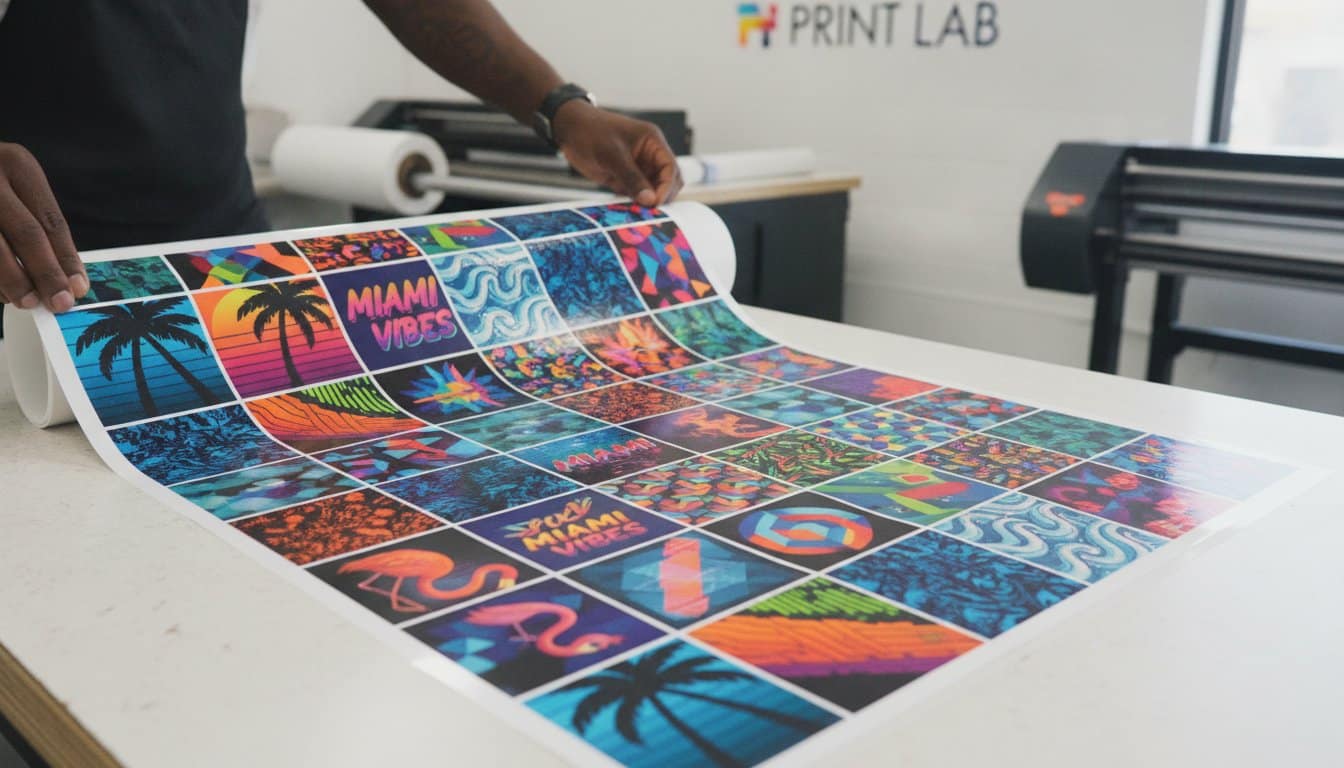
The magic happens in a precise, four-step process. First, a specialized printer applies water-based CMYK inks to the PET film to create your design. A layer of white ink is then printed over the color layer, acting as a solid base. Next, a powdered adhesive is evenly applied to the wet ink and cured with heat, which melts the powder and bonds it to the ink. The final transfer is now ready to be shipped to you, ready to press.
Key Components: Film, Ink, and Powder
Every high-quality DTF print relies on three core components working together:
- PET Film: This is the special carrier sheet that holds the ink and adhesive powder until it’s ready for pressing.
- DTF Inks: These are vibrant, flexible water-based inks (CMYK + White) designed to stretch without cracking.
- Adhesive Powder: This fine polymer powder is the “glue” that activates with heat, creating a permanent bond between the ink and the fabric fibers.
Why DTF is a Game-Changer for Custom Prints
DTF technology delivers clear advantages for anyone needing high-quality custom apparel. It removes creative limits and production headaches, making it the go-to choice for modern printing.
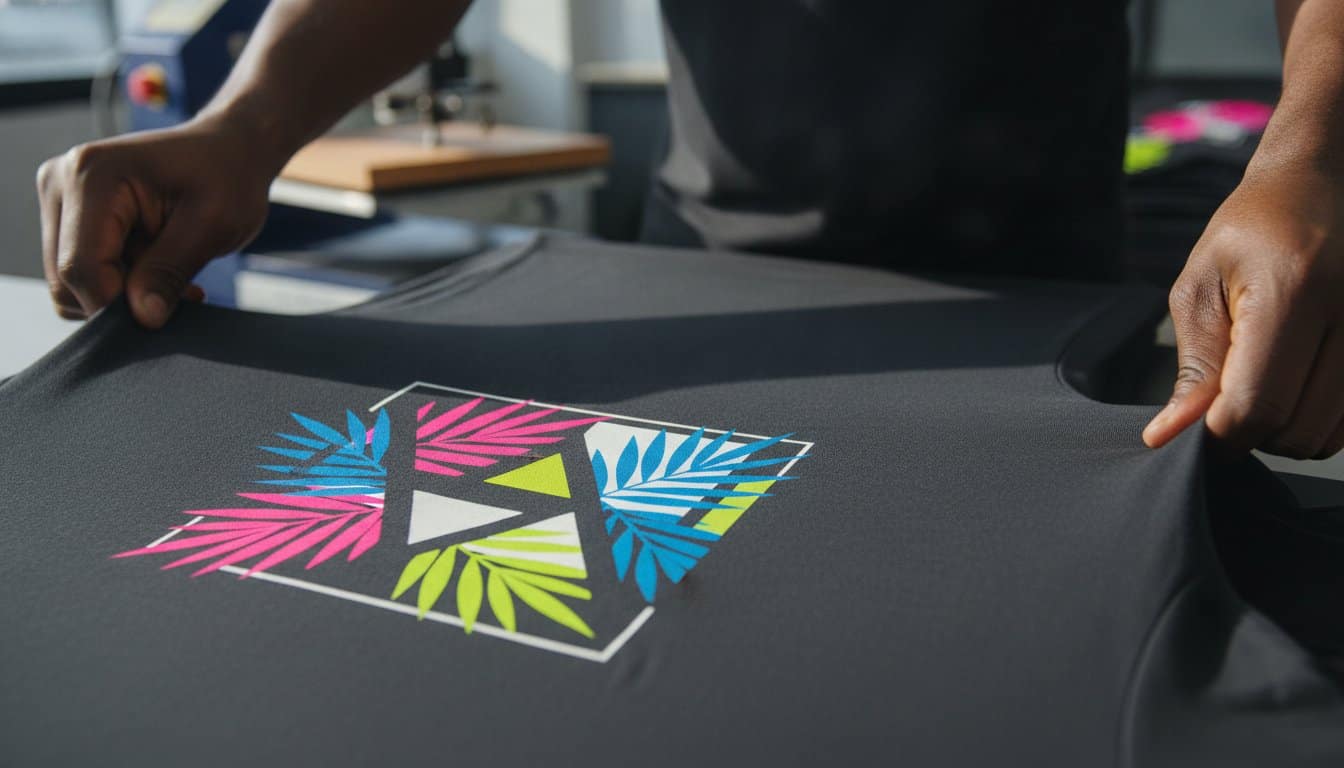
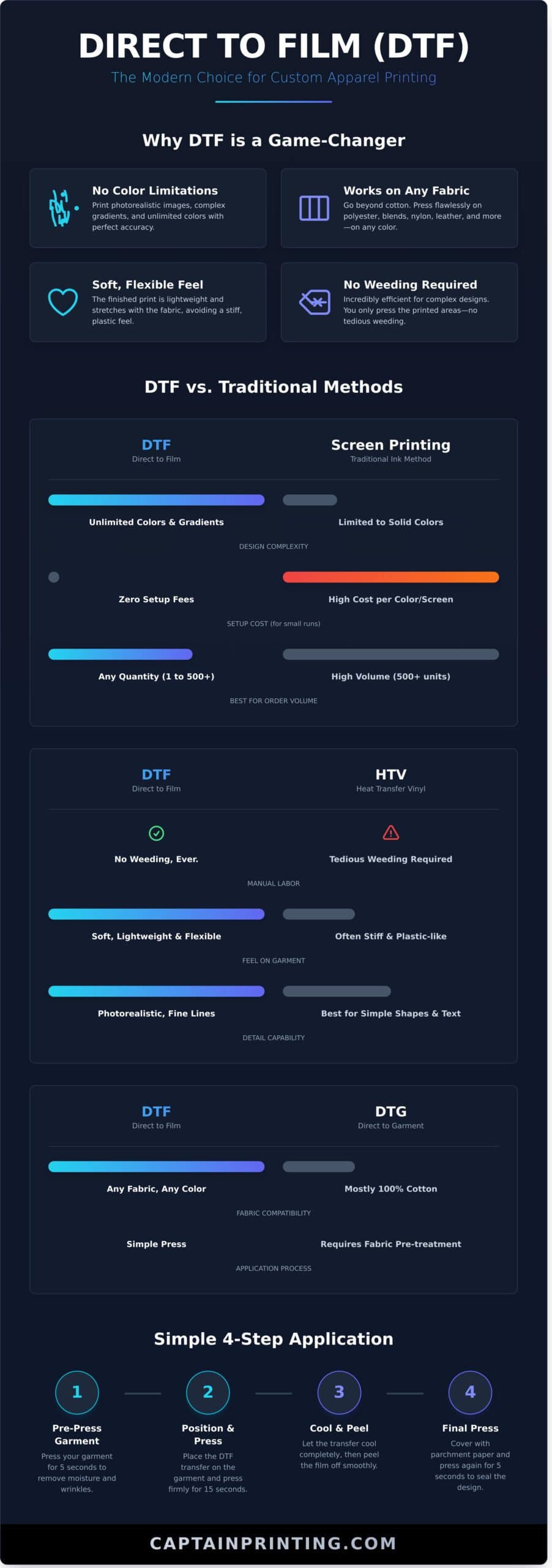
- No Color Limitations: Print photorealistic images, complex gradients, and unlimited colors with perfect accuracy.
- Works on Almost Any Fabric: Go beyond cotton. DTF works flawlessly on polyester, 50/50 blends, nylon, leather, and more.
- Soft, Flexible Feel: The finished print is lightweight and stretches with the fabric, avoiding the stiff, plastic feel of some other methods.
- No Weeding Required: For complex designs with fine details, DTF is incredibly efficient. You only press the printed design-no cutting or weeding necessary.
DTF vs. Other Methods: Which Print Technology is Right for You?
Choosing the right printing method can feel complicated, but it all comes down to your specific project needs. While traditional methods have their place, the direct to film transfer process is quickly becoming an emerging trend in decorated apparel because it solves many common printing challenges. Let’s break down how DTF compares to other popular technologies so you can make the best choice for your order.
We’ll compare the top options based on three key factors: order volume, design complexity, and fabric compatibility.
DTF vs. Screen Printing
Screen printing is the industry workhorse for high-volume jobs with simple graphics. Think 500 one-color t-shirts for an event. It becomes highly cost-effective at scale. However, its high setup costs, including screen creation for each color, make it expensive for small batches or full-color photos. DTF shines here, offering no minimum order quantities and zero setup fees for complex, multi-color designs. It’s the perfect solution for small businesses, brands, and custom one-off prints.
DTF vs. Heat Transfer Vinyl (HTV)
If you’ve ever worked with HTV, you know the tedious process of weeding-picking out the unwanted vinyl pieces from a detailed design. DTF completely eliminates this step. You print your exact design, press it, and you’re done. This saves incredible amounts of time on intricate logos or text. While HTV is great for simple, bold shapes or names, DTF provides a significantly softer, more flexible feel on the garment compared to the often-stiff feel of layered vinyl.
DTF vs. Direct to Garment (DTG)
DTG printing produces excellent, soft prints but comes with major limitations. It works best on 100% cotton and often requires pre-treatment, especially for dark garments. DTF shatters these barriers. You can apply a direct to film transfer to a massive range of materials, including:
- Cotton
- Polyester
- Cotton/Poly Blends
- Nylon
- Leather
DTF also produces consistently vibrant colors on any color garment without needing special pre-treatment, giving you more durable and versatile results across your entire product line.
The Top 4 Benefits of Using Direct to Film Transfers
Understanding the process is one thing, but the real power of a direct to film transfer lies in its results. This technology isn’t just an alternative; it’s an upgrade that solves many of the common challenges faced in custom apparel printing. For brands, creators, and businesses, DTF offers a combination of quality, flexibility, and efficiency that is hard to beat.
Here are the top four advantages that make DTF a game-changer.
1. Get Unmatched Vibrancy and Fine Detail
DTF prints are stunningly sharp and vibrant. The process uses a white ink underbase that is printed first, creating a bright, opaque canvas for your colors. This means your design will pop with full intensity on any color garment, from pure white to jet black. It also excels at reproducing intricate details, sharp lines, color gradients, and even photographic images with incredible accuracy. This makes it the perfect choice for complex brand logos or detailed illustrative work.
2. Print on Virtually Any Fabric
One of the biggest advantages of DTF is its incredible versatility. Unlike other methods that are limited to specific materials, DTF transfers adhere beautifully to a massive range of fabrics. This includes:
- 100% Cotton
- Polyester
- 50/50 Cotton/Poly Blends
- Nylon
- Leather
- Denim
This flexibility makes it a one-stop solution for your entire product line, from t-shirts and hoodies to challenging items like hats, bags, and jackets.
3. Enjoy Superior Durability and Stretch
A great print needs to last. High-quality DTF transfers are engineered for performance, capable of enduring 50+ washes without cracking, peeling, or fading. The transfer has a soft, flexible feel that moves and stretches with the fabric. This is a major improvement over older, stiffer transfer methods, making it ideal for performance wear, team jerseys, and any garment that needs to withstand daily activity.
4. Save Money on Any Order Size
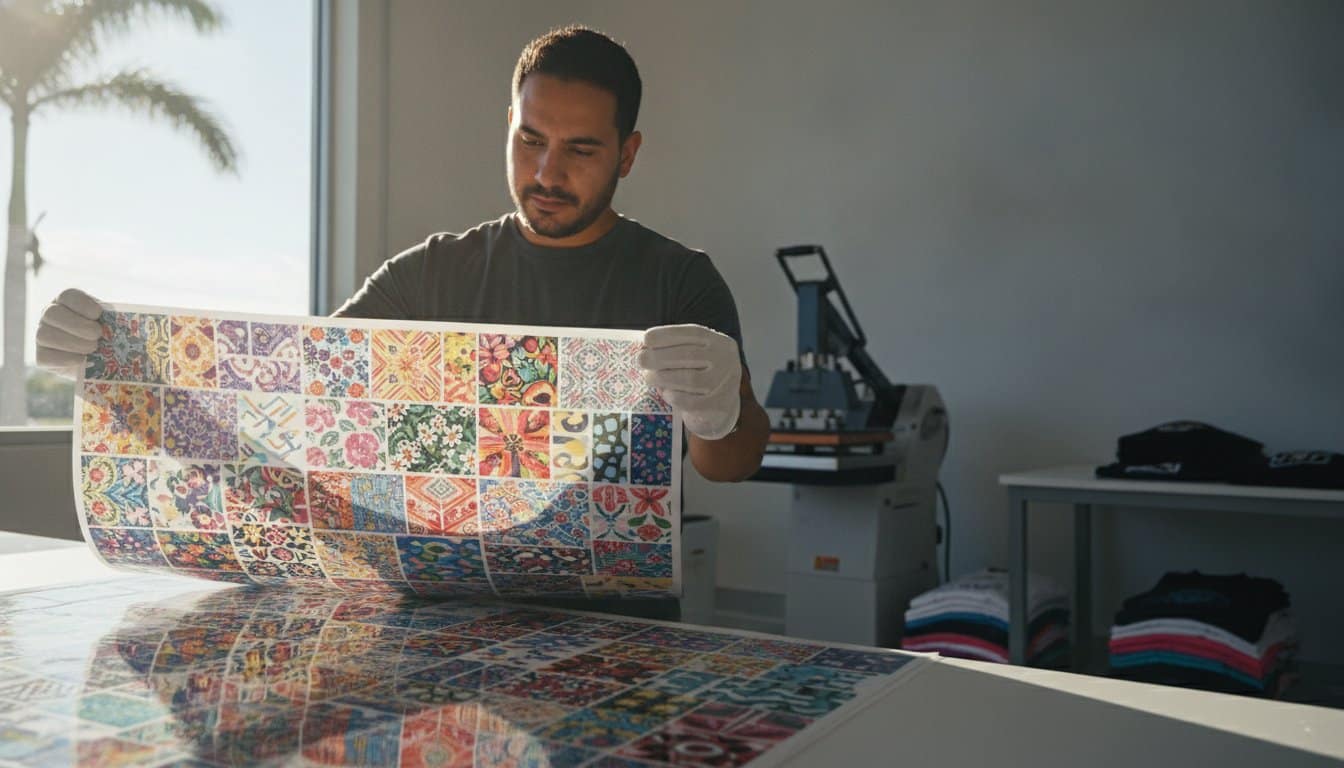
DTF is exceptionally cost-effective, especially for small to medium-sized orders. Since there are no screens to create, you avoid the setup fees associated with screen printing, making full-color, one-off prints just as affordable as large runs. To maximize your value, you can use “gang sheets” to place multiple designs on a single transfer sheet. Fit your main logo, a sleeve design, and a neck tag all on one print. Maximize your value and fit multiple designs on one sheet with our DTF Gang Sheet Builder to save money.
How to Apply a DTF Transfer: A Step-by-Step Guide
You’ve designed and received your custom prints-now for the final step. Applying a direct to film transfer is a fast and simple process that anyone with a heat press can master. Forget complicated setups; this is about getting professional results with maximum efficiency. Follow these steps to achieve a vibrant, durable print every time.
Step 1: Prepare Your Equipment and Garment
Proper preparation is the key to a flawless application. First, ensure you are using a quality heat press. A standard home iron will not provide the consistent temperature and pressure needed for a durable bond.
- Set Your Heat Press: For most cotton and cotton/poly blends, a temperature between 300-325°F (150-163°C) is ideal.
- Pre-Press the Garment: Place your shirt on the press and press it for 5-10 seconds. This crucial step removes hidden moisture and wrinkles, creating a perfectly flat surface for the transfer.
Step 2: Position and Press the Transfer
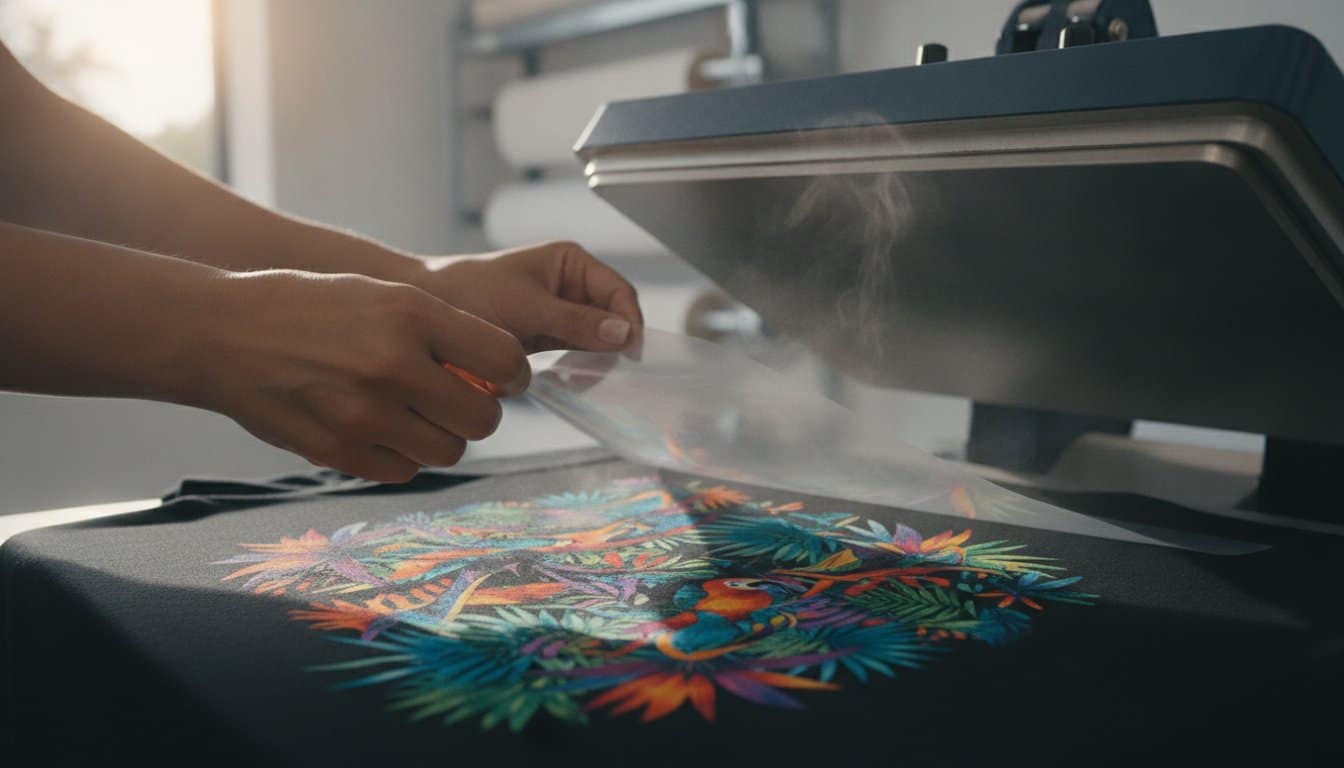
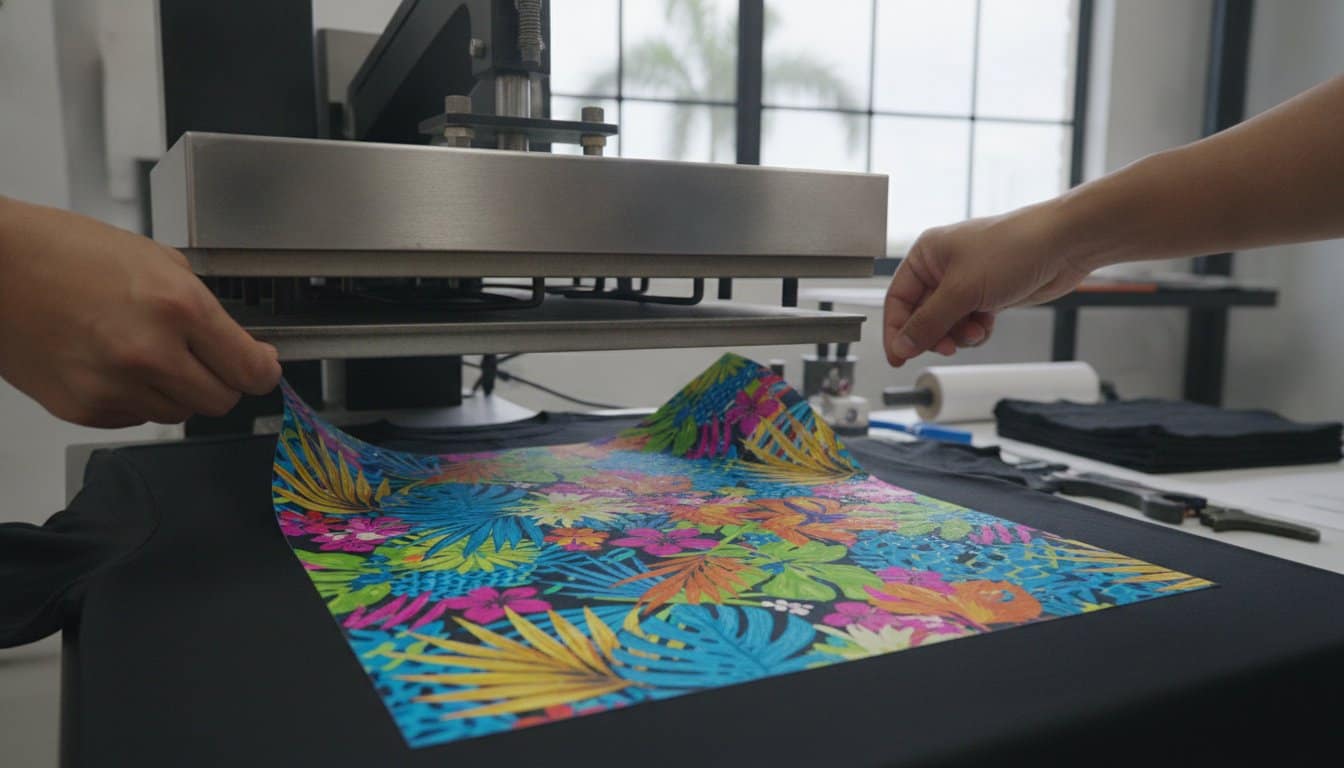
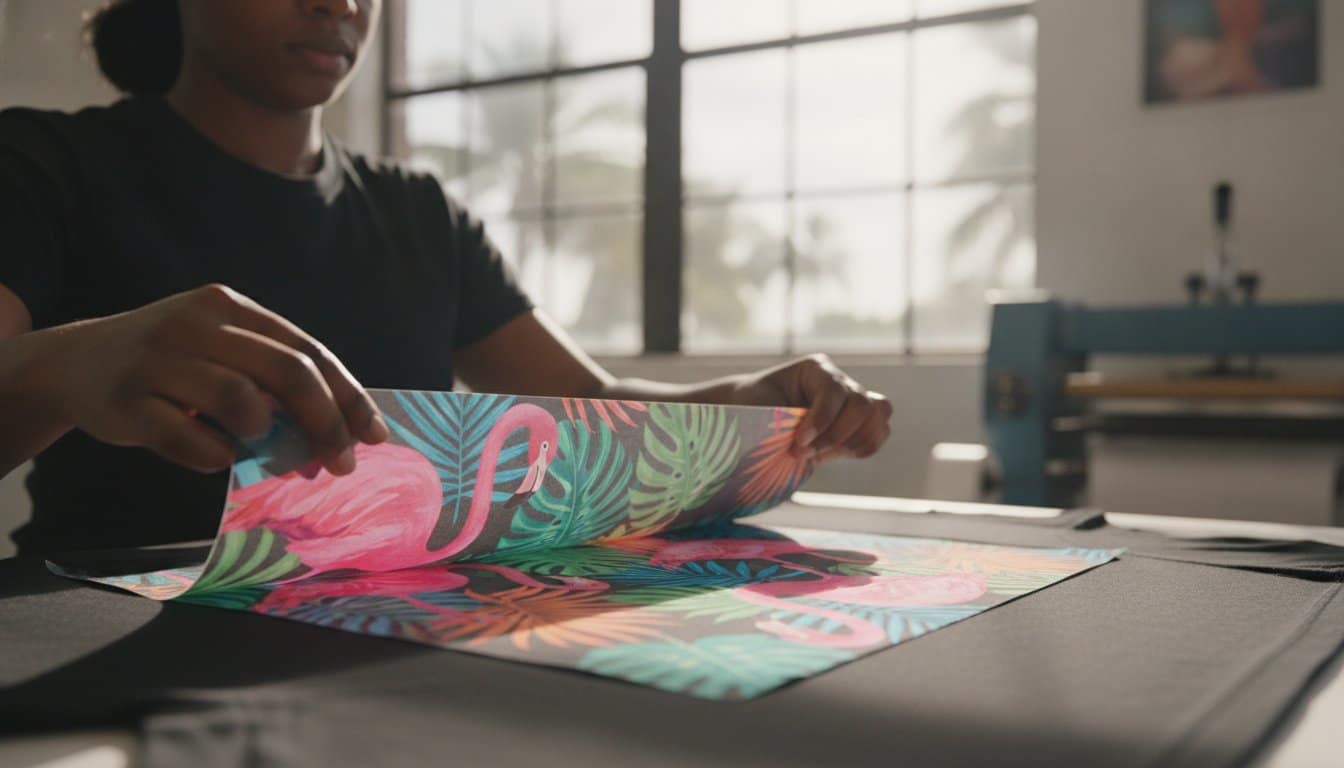
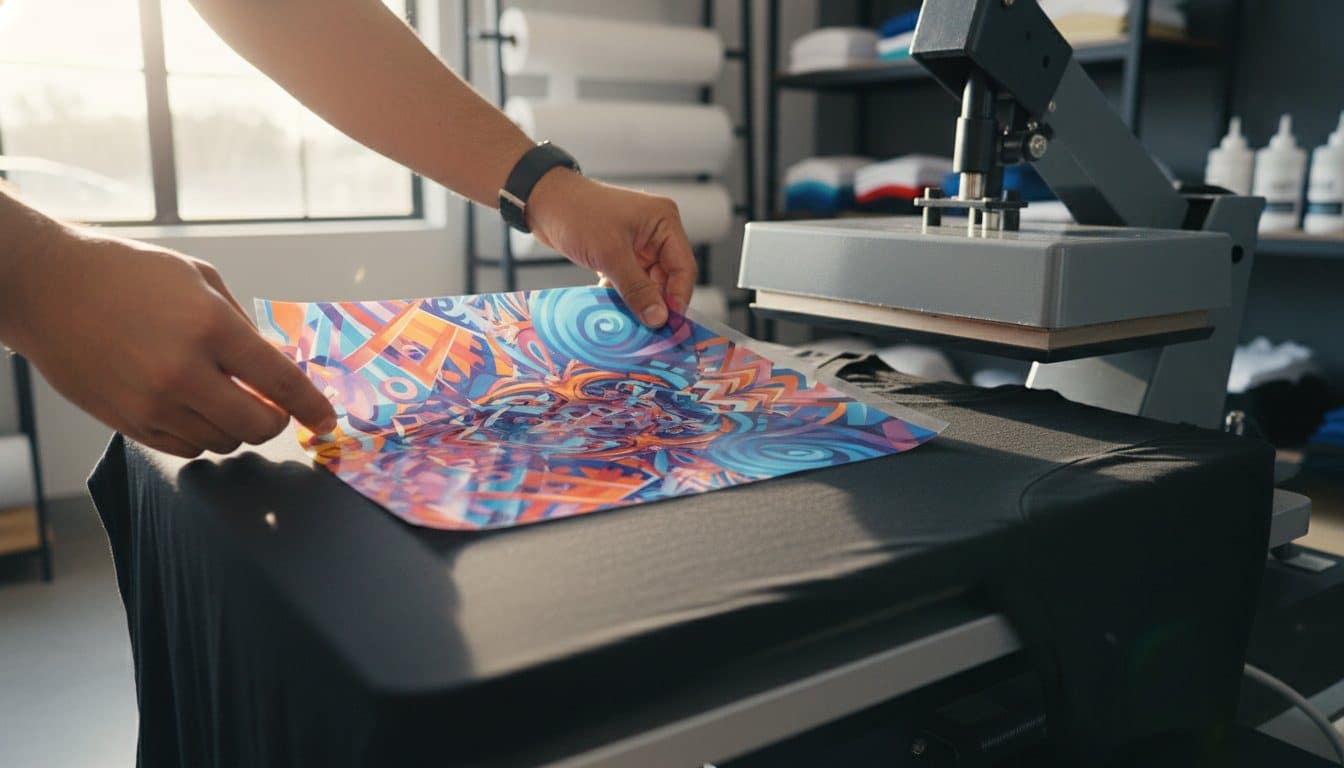
With your garment prepped, it’s time to place the design. Carefully position the DTF transfer on the fabric with the design side facing up. Once you are happy with the placement, cover it with a Teflon sheet or a piece of parchment paper to protect both the transfer and your heat press platen. Press down with firm, even pressure for 10-15 seconds. Consistent pressure is critical for ensuring the entire design adheres correctly.
Step 3: The Peel and Final Press
Our DTF transfers are a cold peel product. This is a critical detail for success. Rushing this step is the most common mistake beginners make. After the initial press, remove the garment from the heat press and set it aside to cool down completely. Once it’s cool to the touch, peel the clear film carrier away from the design in a smooth, steady motion.
For unmatched durability and a professional matte finish, perform one final press. Cover the exposed design with parchment paper and press for another 5 seconds. This locks the direct to film transfer into the fabric fibers, ensuring it withstands washing and wear. Ready to get started? Order your custom gang sheets and see the quality for yourself.
How to Order High-Quality Custom DTF Transfers
Understanding the direct to film transfer process is the first step. Now, it’s time to turn your vision into a vibrant, ready-to-press reality. Ordering custom transfers is a straightforward process, but the final quality hinges on two critical factors: the quality of your artwork and the capabilities of your print partner. Getting your files right from the start ensures a flawless final product that looks professional and lasts wash after wash.
Preparing Your Artwork for a Perfect Print
A great print starts with a great file. To ensure your designs are crisp, clean, and exactly as you envisioned, follow these essential guidelines before uploading your artwork. Garbage in, garbage out is the rule in printing, so take a moment to prepare your files for success.
- File Format and Resolution: Always use a high-resolution PNG file saved at 300 DPI (dots per inch). This ensures your transfer won’t be blurry or pixelated when printed.
- Transparent Background: Your design must have a transparent background. Any white or colored background left in the file will be printed, so remove it unless it is part of your design.
- Image Quality: Avoid using low-quality images pulled from the internet. They lack the resolution needed for a professional print and will result in a poor-quality transfer. Start with original artwork or high-quality stock images.
- Do Not Mirror Your Design: We handle the mirroring process on our end. Simply upload your artwork as you want it to appear on the final garment.
Why Choose Captain Printing for Your DTF Needs
When you need a reliable partner for your direct to film transfer orders, look no further. At Captain Printing, we combine speed, quality, and convenience to deliver an unmatched customer experience. We offer super-fast shipping across the country and even provide same-day printing options for urgent projects. Our state-of-the-art printers produce incredibly vibrant colors and sharp details that make your designs pop.
As a trusted online printer with a local store in Miami, we offer the efficiency of a national service with the accountability of a neighborhood business. We’re equipped to handle orders of any size, from a single gang sheet for a passion project to a bulk run for your growing brand. Ready to get started? Explore our custom DTF transfer services and see the Captain Printing difference for yourself.
Bring Your Designs to Life with DTF Transfers
As we’ve explored, DTF technology is revolutionizing the custom apparel industry. It delivers unparalleled versatility, working flawlessly on cotton, polyester, blends, and more. This flexibility, combined with a simple heat press application, empowers both established businesses and new creators to produce top-tier products efficiently. You get stunning, full-color graphics without the complex setup or material limitations of older printing methods, making it the clear choice for projects of any size in 2025.
Choosing the right technology is only half the battle; you also need a reliable print partner. The direct to film transfer you use must be high quality to achieve professional results. Trusted by thousands of businesses and creators nationwide, Captain Printing is your expert source for vibrant, durable prints that have an incredibly soft feel. With our super fast shipping, you can count on us to get your orders delivered on time, every time.
Don’t let your creative vision wait. Experience the quality and speed that sets Captain Printing apart. Ready to print? Build Your Custom DTF Gang Sheet Now! Your next best-selling design is just a few clicks away.
Frequently Asked Questions
How long do DTF transfers last after being pressed?
When applied correctly, a high-quality direct to film transfer is built for extreme durability. You can expect the design to last for 50+ washes without cracking, peeling, or fading. For maximum longevity, wash the garment inside out with cold water and tumble dry on low. Proper application with a heat press and correct care are essential for ensuring a vibrant, long-lasting print that withstands repeated wear and washing.
Can I use a regular home iron to apply a DTF transfer?
For professional, long-lasting results, we do not recommend using a home iron. A standard iron cannot provide the consistent, even pressure and precise temperature control required for the adhesive to bond properly to the fabric. This can lead to peeling or an uneven application. To guarantee a durable and high-quality finish, you must use a commercial-grade heat press. This ensures the transfer is applied perfectly every time.
What is the difference between DTF and UV DTF transfers?
The main difference is the application surface. Standard DTF transfers are designed for fabrics like cotton, polyester, and blends, and they require a heat press for application. In contrast, UV DTF transfers are for hard, non-porous surfaces such as glass, metal, plastic, and wood. They function like a high-quality, permanent sticker and do not require any heat. Simply peel the backing, apply the transfer, and remove the top film.
Is there a minimum order quantity for custom DTF transfers?
No, we do not have a minimum order quantity. You can order a single transfer for a sample or a small project. For larger needs or to get the best value, use our Gang Sheet Builder to arrange multiple designs on one sheet. This flexibility allows you to order exactly what you need, whether it’s for a personal project or a large production run. We make it easy to get started with any order size.
What file format is best for uploading a DTF transfer design?
For the highest quality print, upload your design as a high-resolution PNG file (300 DPI) with a transparent background. This format ensures your artwork has crisp edges and vibrant colors without any unwanted background boxes. We also accept other vector and raster formats like AI, PSD, and SVG. Always ensure your artwork is sized correctly for the final print to avoid any scaling issues during production.
Do I need to weed a DTF transfer like I do with vinyl?
Absolutely not. One of the biggest advantages of the DTF process is that there is zero weeding required. The design is printed directly onto the film, and only the ink and adhesive layer are transferred to the garment. This saves you a significant amount of time and effort, especially with intricate or complex designs. Just press your transfer and you’re done. It’s a fast and efficient solution for any custom apparel project.