Blog
Where Can I Get Stuff Embroidered? Your Top 5 Options

Have a great idea for a custom embroidered jacket or a set of sharp company polos, but you’re not sure where to begin? The search can be frustrating. You’re wondering about high costs, if there are minimum orders for a single item, and what a ‘digitizing fee’ even is. If you’re asking, where can I get stuff embroidered without the hassle, you’ve come to the right place. We get it, and getting you answers is kinda our thing.
This guide is built to give you clear, actionable options. We’ll break down your top 5 choices for professional embroidery, from local shops right in your neighborhood to efficient online specialists. You’ll discover the pros and cons of each, understand the entire process from start to finish, and learn how to choose the perfect service for your specific project-whether it’s a one-of-a-kind gift or a large batch of team uniforms. Let’s get your project started.
Key Takeaways
- Define your project needs-like quantity and item type-before you start searching to find the right service faster.
- The answer to “where can I get stuff embroidered?” depends on your priorities, whether you need in-person service, bulk pricing, or a unique artistic touch.
- Compare the key differences between local shops for hands-on service, online companies for convenience, and marketplaces for custom art.
- Discover when embroidery is the best choice and when an alternative like DTF printing might be better for your specific design.
First, Pinpoint Your Project: What Do You Need Embroidered?
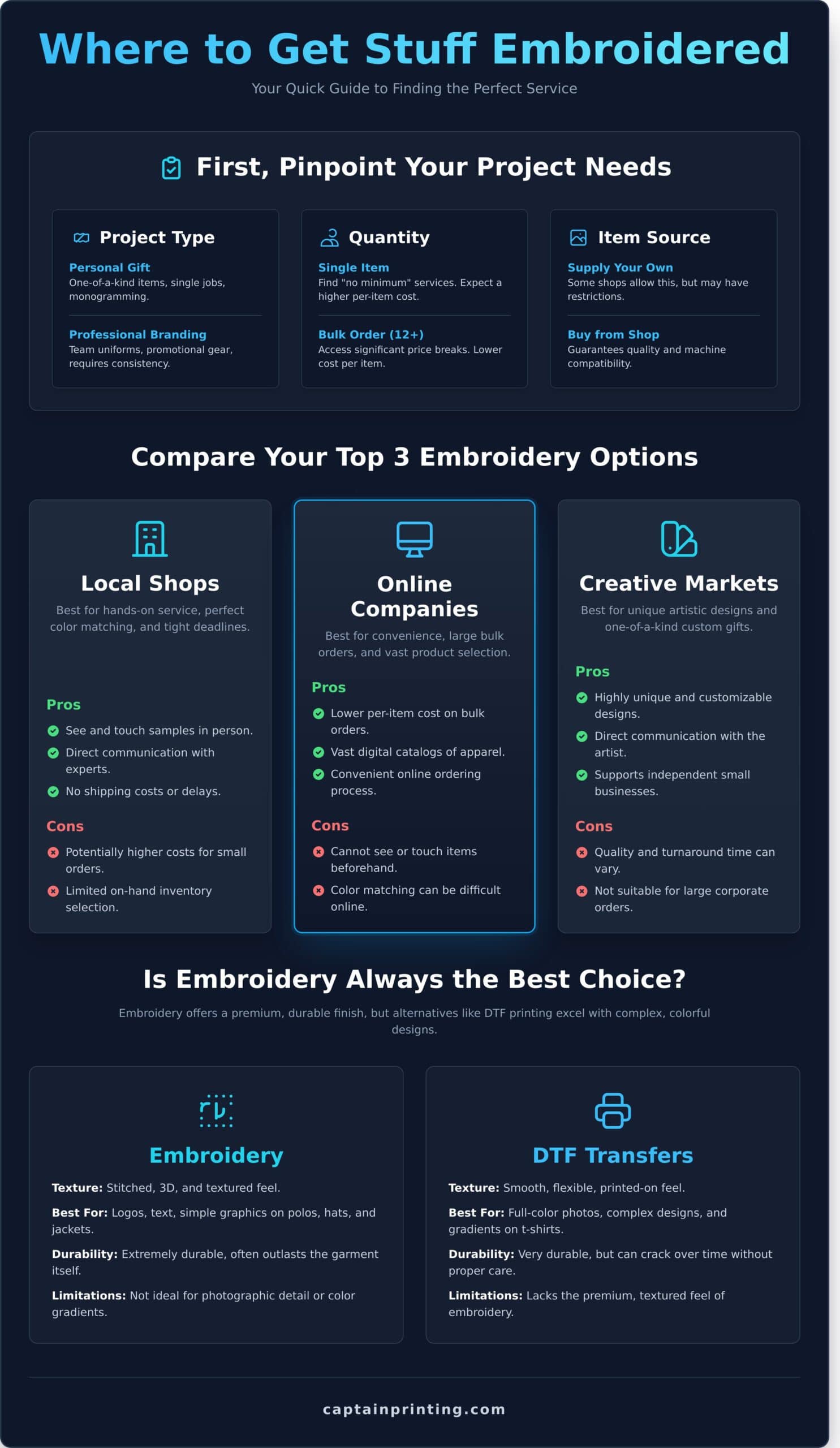
Before you start searching for where can i get stuff embroidered, the most efficient first step is to define your project. A one-off custom gift has completely different requirements than a 50-piece order for employee uniforms. Answering a few key questions upfront will save you time and money by helping you instantly filter out the wrong providers and find the perfect service for your job.
Understanding the types of items that work best for embroidery is a critical part of this process. Watch this quick guide on choosing apparel “blanks” for your project.
With that in mind, let’s break down the core details that will guide your search.
Project Type: Personal Gift or Professional Branding?
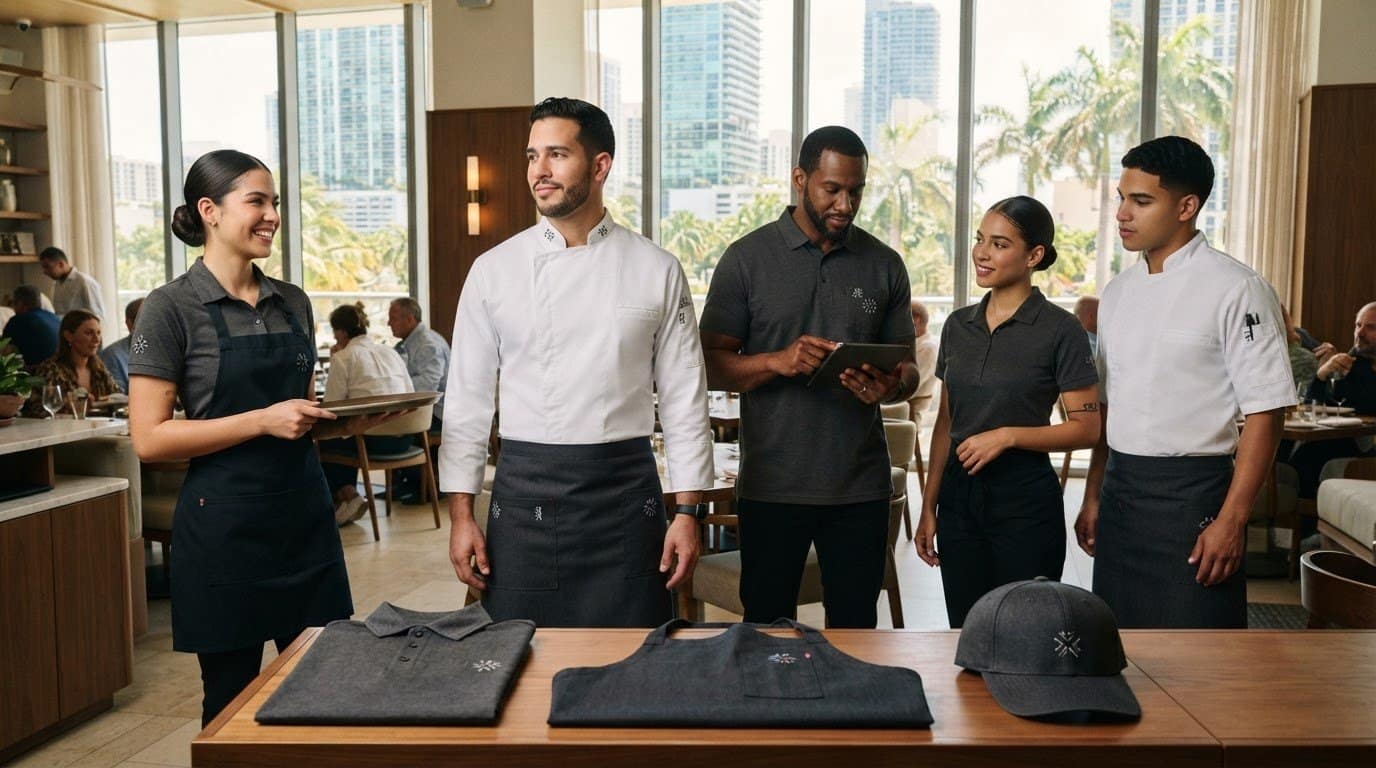
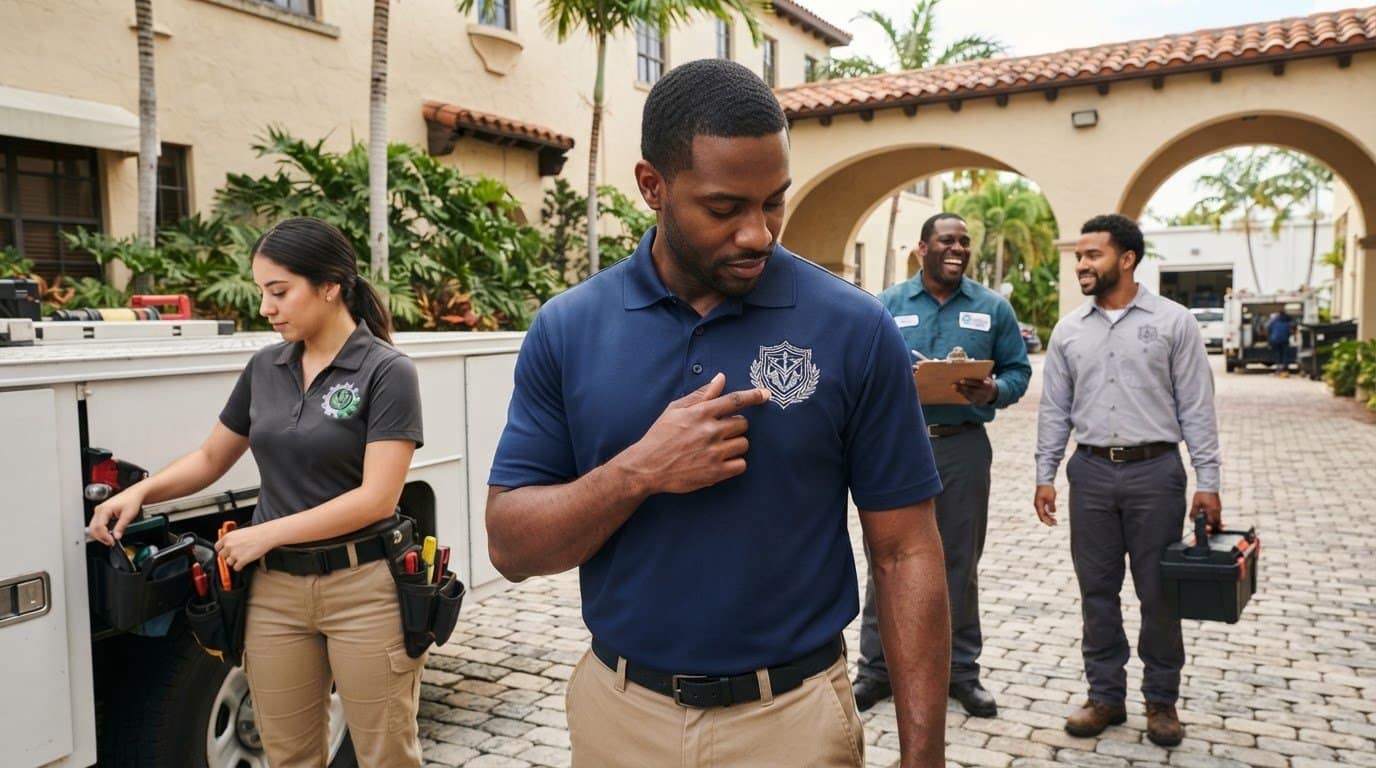
First, identify the purpose of your embroidery. Are you creating a unique, one-of-a-kind gift or outfitting your team with branded apparel? Personal projects, like a monogrammed robe or a custom hat for a friend, are best suited for boutique services that excel in single-item jobs. Professional projects, such as company polos or promotional gear, require a provider built for consistency, volume, and brand accuracy.
Quantity: A Single Item or a Bulk Order?
The number of items you need is a major factor that will narrow your options. Many embroidery shops have minimum order quantities (MOQs) to make each production run cost-effective.
- For a single item: You’ll need to find a shop that specifically advertises “no minimum” services. Expect the per-item cost to be higher.
- For bulk orders (typically 12+ pieces): You can access significant price breaks. The more you order, the lower your cost per item becomes.
Item Source: Supplying Your Own or Buying from the Shop?
Decide whether you will provide the item yourself or purchase it directly from the embroiderer. Some shops specialize in decorating customer-supplied goods, but they may have restrictions. Others only embroider apparel from their own tested catalog to guarantee quality and compatibility with their machines. Having a basic overview of embroidery helps you understand why fabric choice is so important, which is why many shops prefer to source the items themselves to ensure a flawless result.
Option 1: Local Print and Embroidery Shops
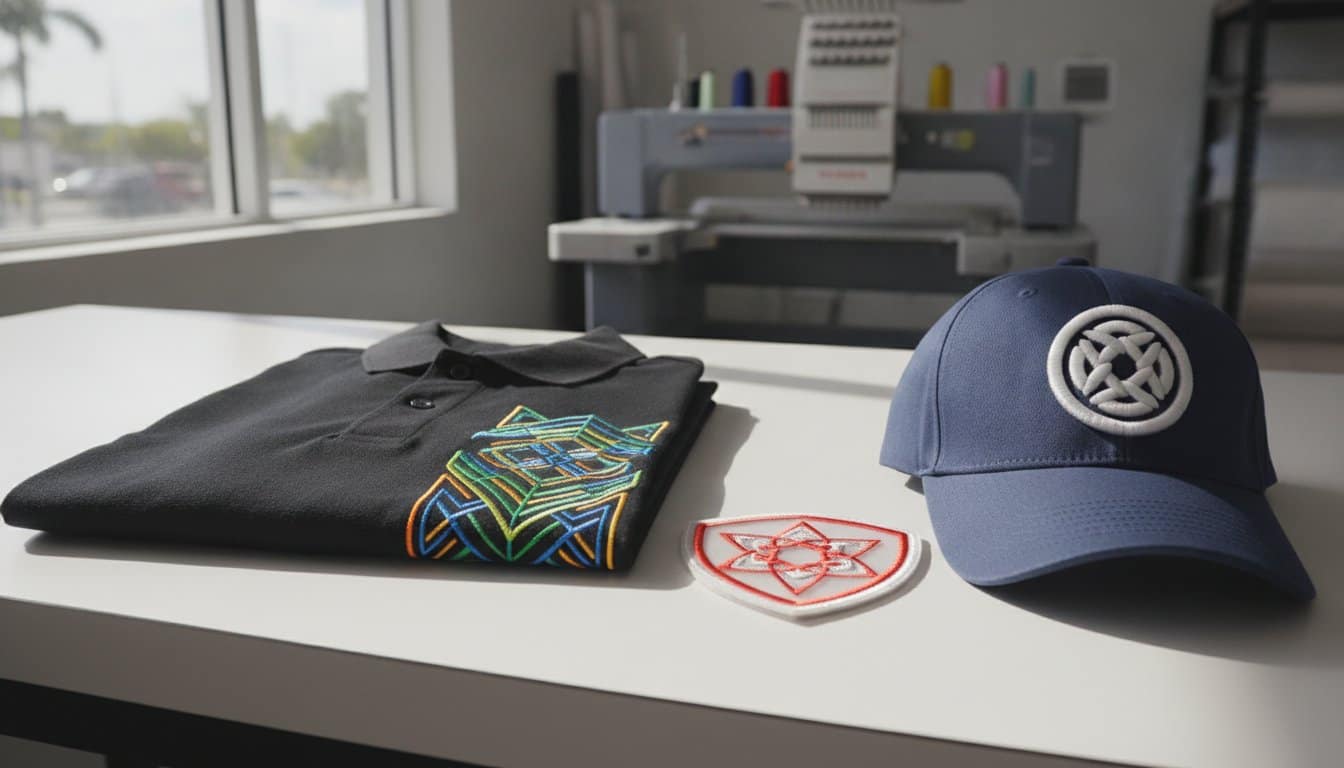
For a hands-on, classic approach, nothing beats your neighborhood embroidery shop. If you’re asking “where can I get stuff embroidered” and value personal service, starting local is an excellent bet. These shops are the backbone of community commerce, often found in small business districts, and they provide a level of tangible quality control that’s hard to replicate online. Supporting them means you’re investing directly back into your local economy.
Pros of Going Local
The biggest advantage of choosing a local shop is the in-person experience. You can walk in, discuss your project, and ensure every detail is perfect before production starts. The benefits are clear and immediate.
- See and Touch Everything: Feel the texture of different apparel options and see thread colors under real light, not just on a computer screen. This is crucial for getting the final product just right.
- Direct Communication: Speak directly with the experts doing the work. Many of these professionals have deep knowledge of their craft, sometimes with backgrounds from leading Textile/Surface Design programs, ensuring you get precise, expert advice.
- No Shipping Hassles: Eliminate shipping costs and potential delivery delays by picking up your order yourself. This is perfect for tight deadlines.
- Perfect Color Matching: Local shops are ideal for brands and projects that require an exact color match, which can be difficult to judge online.
Cons of Going Local
While personal service is a major plus, there are a few potential downsides to consider before you commit to a local provider.
- Potentially Higher Costs: Without the scale of large online operations, local shops may have higher unit prices, especially for one-off items or very small orders.
- Limited Selection: Their on-hand inventory of hats, shirts, and jackets might be smaller than the vast digital catalogs of online competitors.
- Turnaround for Bulk Orders: A small team may not have the capacity to handle extremely large or complex rush orders as quickly as a massive production facility.
How to Find Them
Finding a quality local shop is straightforward. Get started with these simple, effective methods:
- Use a targeted Google search. Try terms like “embroidery near me” or “custom embroidery Miami” to get instant, mapped results.
- Check local directories. Websites like Yelp, Yellow Pages, or your local Chamber of Commerce often have detailed listings for print and apparel businesses.
- Ask your community. Post in a local Facebook or neighborhood group. You’ll get honest, first-hand recommendations from people who have used the services before.
Option 2: Online Embroidery Companies
For maximum convenience and competitive pricing, online embroidery companies are the modern standard. These services operate nationally, offering a streamlined digital process perfect for anyone needing custom apparel without the hassle of visiting a local shop. If you’re asking where can I get stuff embroidered for business uniforms, promotional merchandise, or team apparel, an online provider is your most efficient solution.
The process is built for speed. Simply visit the company’s website, upload your logo or design, select your products from a vast catalog, and check out. It’s a straightforward system that puts you in control of your project from start to finish.
This model has been adopted by specialists worldwide. For readers in the UK, for example, rawmerch.co.uk provides a wide range of custom clothing and merchandise printing, showcasing the convenience of the online approach.
Pros of Ordering Online
Choosing an online embroidery service comes with significant advantages, especially for bulk orders:
- Vast Selection: Access a massive inventory of apparel brands, styles, and colors that a local shop could never stock.
- Cost-Effective: Online companies leverage economies of scale, often providing lower prices on larger quantities.
- Total Convenience: Place your order anytime, from anywhere. No appointments or travel necessary.
- Fast Turnaround: Most online providers offer expedited production and shipping options to meet tight deadlines.
Cons of Ordering Online
While convenient, the online model has a few trade-offs to consider:
- No Physical Inspection: You can’t touch the garment or see a sample stitch-out before placing your full order.
- Color Matching: Digital proofs are helpful, but screen colors may not perfectly match the final thread colors.
- Remote Communication: All support is handled via email, chat, or phone, which can be less direct than a face-to-face conversation.
What to Look For
To ensure a great experience, vet your online embroidery partner carefully. Look for a company with a clear, easy-to-use website and transparent pricing-no hidden fees. The best providers proudly display a gallery of their past work and feature positive customer reviews. While the process is digital, they still respect embroidery as an art form and use high-quality machinery to deliver precise, professional results. Finally, test their customer service. A responsive team that can quickly answer your questions is a sign of a reliable company. Ready to get started? Explore our wide range of customizable products for your project.
Option 3: Creative Marketplaces like Etsy
When your search for where can I get stuff embroidered is less about bulk orders and more about a unique, artistic touch, creative marketplaces are the answer. Platforms like Etsy connect you directly with a global community of independent artists, crafters, and small businesses specializing in custom embroidery.
This is the ideal route for highly personalized gifts, such as a baby blanket with a custom name and birth date, a sweatshirt featuring a portrait of a pet, or a denim jacket with an intricate, one-of-a-kind design. The sheer variety of styles-from minimalist line art to vibrant, dense thread painting-is something you won’t find with traditional services. You work directly with the creator to bring your specific vision to life.
Pros of Using Marketplaces
Working directly with an artist offers several distinct advantages for custom projects:
- Access to Unique Talent: You can browse thousands of independent makers to find a specific artistic style that perfectly matches your vision.
- High Degree of Personalization: Communicate one-on-one with the creator to get every detail right, from thread color to specific design placement.
- Support Small Businesses: Your purchase directly supports an independent artist or a small creative business, not a large corporation.
- One-of-a-Kind Results: Get a truly unique, often handmade, piece that stands out.
Cons of Using Marketplaces
While great for custom work, there are practical limitations to consider before ordering:
- Variable Timelines and Quality: Since you’re working with individual sellers, production speeds and quality control can vary significantly. Always check shop reviews and policies.
- Not for Bulk Orders: These platforms are not designed for large, standardized corporate orders that require uniform results and fast, predictable turnarounds.
- Higher Cost Per Item: The custom, manual nature of the work often means prices are higher than what you’d pay for automated, bulk embroidery services.
For highly personal and artistic embroidery, marketplaces are an excellent choice. However, when your project demands consistency, speed, and professional quality for multiple items like team uniforms or company merchandise, a dedicated embroidery service is the more efficient path. For reliable, high-quality embroidery on business apparel and bulk orders, explore the services at Captain Printing.
When to Choose an Alternative: Embroidery vs. DTF Transfers
Embroidery offers a fantastic, high-end finish, but it’s not the only way to customize apparel. For certain designs, fabrics, and budgets, other methods are more effective. Understanding your options ensures you get the best possible result for your project. One of the most popular and versatile alternatives today is the Direct-to-Film (DTF) transfer, which excels in areas where embroidery is limited.
When is Embroidery the Best Choice?
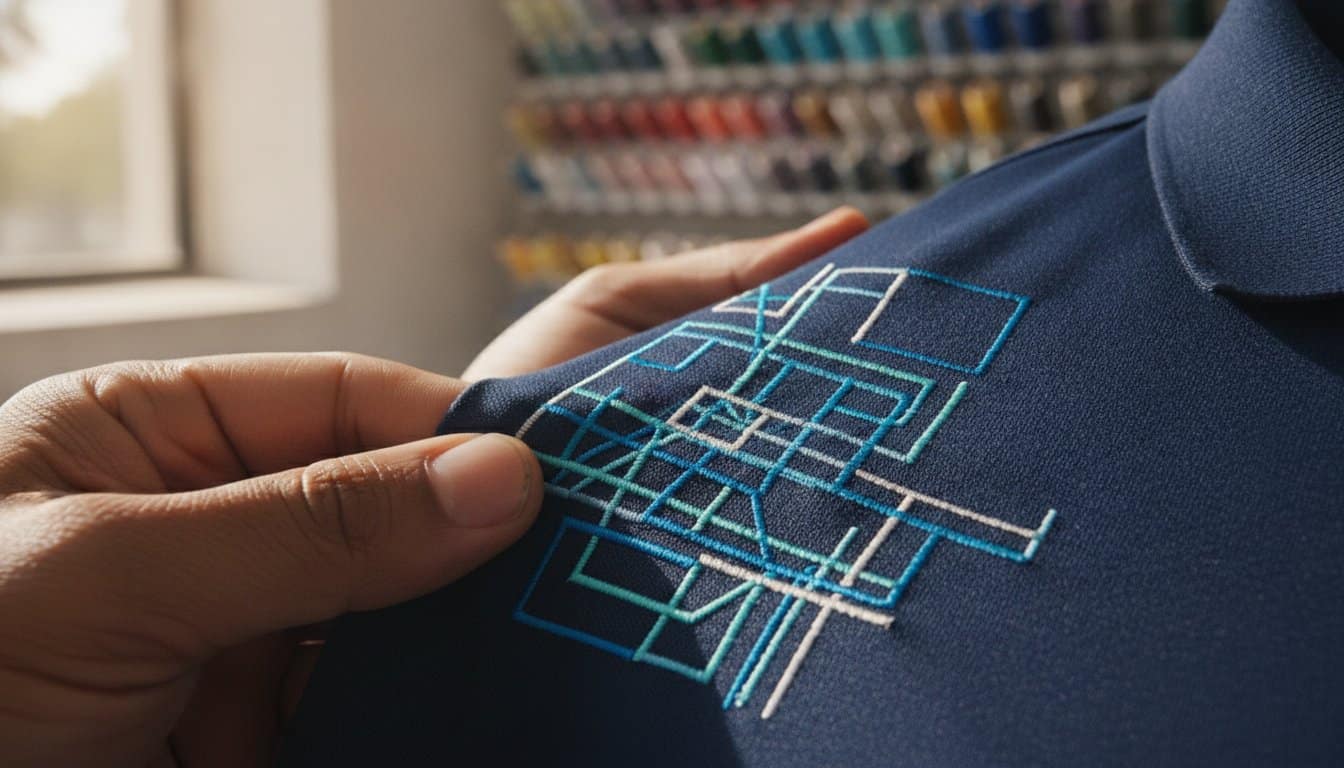
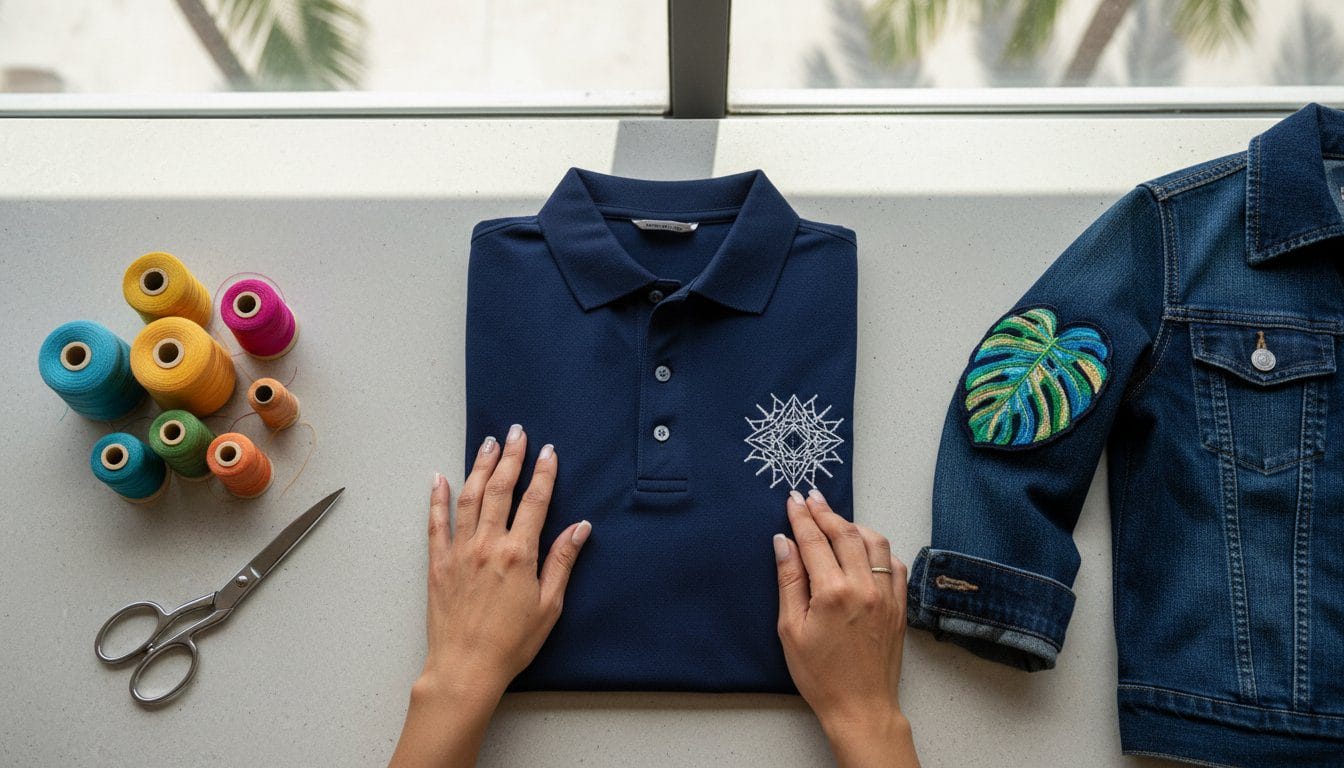
If you’re asking ‘where can I get stuff embroidered’ for a premium, classic look, this is your answer. Embroidery is the undisputed gold standard for creating a professional and durable design that literally stands out. Its stitched texture adds a level of quality and sophistication that printed methods can’t replicate.
- Premium Look: Creates a textured, 3D finish with a high-perceived value.
- Unmatched Durability: The stitched design is incredibly resilient, perfect for workwear, uniforms, and frequently washed items.
- Ideal for Thick Fabrics: Works best on materials that can support the stitch density, like polo shirts, heavy jackets, hats, and bags.
- Professional Finish: The top choice for a classic, clean logo on corporate apparel or team gear.
Ready for a timeless, professional look? Get started with our embroidery services.
When Should You Consider DTF Transfers?
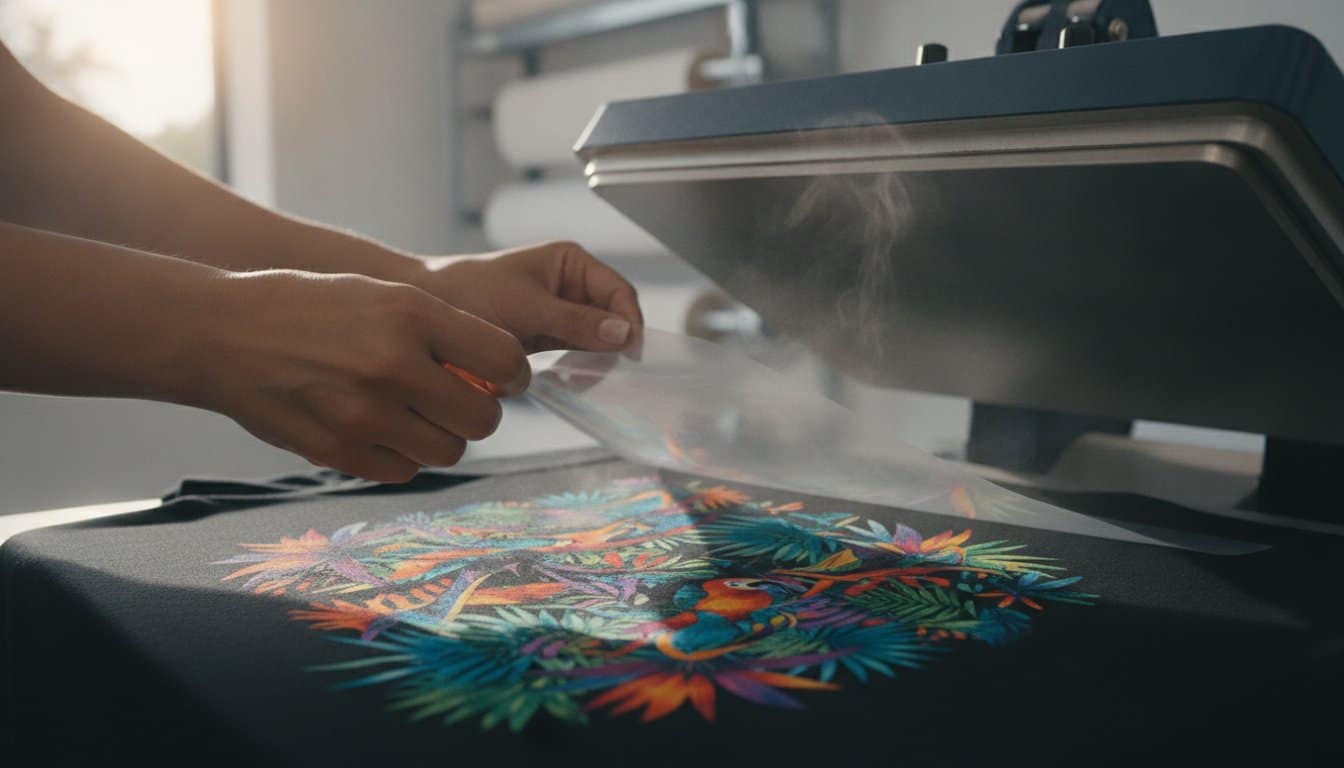
While embroidery excels in texture and tradition, DTF transfers are the perfect solution for vibrant, complex, and detailed artwork. They apply a smooth, ink-based design directly onto the garment, offering incredible versatility and a modern finish that works where embroidery can’t.
This versatility is why comprehensive production centers, such as Grupo Mirazul, often manage networks of digital and printing workshops to offer a wide range of customization options.
- Complex Artwork: Perfect for designs with many colors, intricate details, color gradients, or photorealistic images.
- Lightweight Materials: The best option for printing on thin fabrics like t-shirts, tank tops, and performance wear without weighing them down.
- Smooth Finish: Delivers a clean, seamless graphic that sits flat against the fabric for a “tagless” feel.
- Cost-Effective Color: Since price isn’t based on color count, it’s highly economical for full-color designs.
How to Get Started with DTF
DTF is an incredibly efficient choice, especially for creators and small apparel brands looking to maximize their output. The technology allows you to print multiple different designs on a single sheet-known as a gang sheet-which drastically cuts down on costs and waste. Instead of searching where can I get stuff embroidered for a complex t-shirt graphic, you can print it perfectly with DTF.
This method gives you the freedom to test multiple designs or fulfill diverse small orders without committing to large, single-design print runs. It’s the smart, flexible way to build your brand.
Learn more about custom DTF transfers and see how they can elevate your apparel. Ready to maximize your value? Try our free Gang Sheet Builder to combine your designs onto one sheet and start saving today.
The Best Place to Get Your Stuff Embroidered
Finding the right service boils down to your specific project needs. Local shops offer a hands-on approach, and marketplaces like Etsy are perfect for unique, artistic pieces. But when you need professional quality, speed, and efficiency for your brand or team, the answer to where can i get stuff embroidered often points to a dedicated online expert.
At Captain Printing, we deliver that expert service. As specialists in print and apparel customization, we handle projects of any size with unmatched quality. We combine the accessibility of our local store in Miami with super fast shipping across the US to get your order to you quickly. Getting your project done right and on time? It’s kinda our thing.
Ready to bring your design to life? Stop searching and start creating. Get a Quote for Your Custom Embroidery Project today and see how easy it can be. Your perfectly embroidered gear is just a few clicks away!
Frequently Asked Questions
How much does custom embroidery typically cost?
Custom embroidery pricing depends on two main factors: stitch count and order quantity. A simple chest logo on a polo shirt or hat might cost between $7 and $15 per item. Larger, more complex designs require more stitches and will cost more. The final price is a key factor when deciding where can i get stuff embroidered, so always get a quote. Most shops offer significant price breaks for bulk orders, lowering your per-item cost.
Can I bring my own jacket or shirt to be embroidered?
Yes, most embroidery shops allow you to supply your own garments. This service is often called “contract embroidery.” Keep in mind that the shop may charge a small handling fee and might not guarantee the outcome on fabrics they are unfamiliar with. It is always best to check with the shop beforehand to confirm they can work with your specific item and to understand their policy on customer-supplied goods.
What is a ‘digitizing fee’ and why do I have to pay it?
A digitizing fee is a one-time setup charge to convert your image file (like a JPG or PNG) into a special stitch file (like a .DST file) that embroidery machines can read. This technical process maps out every single stitch to ensure your design is recreated accurately and with high quality. You typically only pay this fee the very first time you submit a new design; it is not charged for reorders of the same artwork.
What is the average turnaround time for a custom embroidery order?
The standard turnaround time for a custom embroidery order is typically between 7 and 14 business days after you approve the final design proof. This timeline can vary depending on the complexity of your design, the size of your order, and the shop’s current workload. If you have a tight deadline, many businesses offer rush services for an additional fee. Always confirm the estimated completion date when placing your order.
Are there minimum order requirements for embroidery?
This depends entirely on the shop. Many embroiderers have no minimum order requirement, making them perfect for personal gifts or a single custom item. However, shops that specialize in corporate apparel or team uniforms may require a minimum order of 6 to 12 pieces to make the machine setup cost-effective. When you’re deciding where can i get stuff embroidered for a small job, be sure to ask about their minimum order policy upfront.
What kind of artwork file do I need to provide for my logo?
For the highest quality results, you should provide a vector artwork file. The preferred formats are Adobe Illustrator (.AI), .EPS, or .SVG. Vector files can be scaled to any size without losing clarity, which ensures your embroidered logo looks crisp and clean. While many shops can work with high-resolution raster files like a .PNG or .JPG, providing a vector file is always the professional standard and guarantees the best possible outcome.