Blog
Why Your DTF Transfer Feels Rough: Troubleshooting and Solutions for Miami Printers

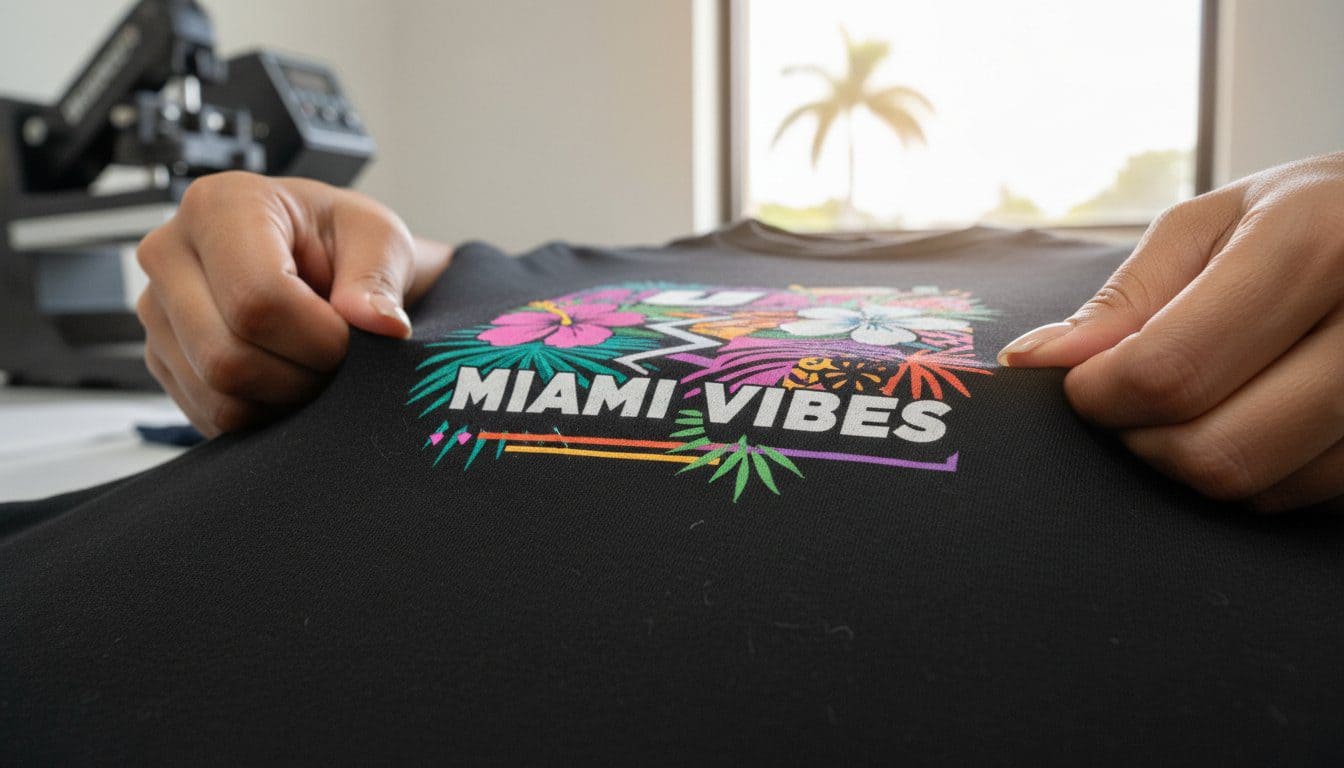
Last Tuesday, a shop owner in Wynwood realized their entire 50-piece order felt like sandpaper just hours before the client arrived. It’s a common nightmare when your dtf transfer feels rough instead of having that smooth, retail-ready finish. You know that a scratchy, thick print is the fastest way to lose a repeat customer in Miami’s competitive custom apparel market. Nobody wants to wear a shirt that feels like a heavy plastic sheet in the 90-degree humidity of Doral or Downtown Miami. Wasted blanks and inconsistent quality are profit killers for local printers.
We agree that delivering a comfortable, high-quality garment is the only way to stay ahead of the competition. This guide teaches you the exact technical adjustments to temperature, pressure, and powdering required to achieve a premium soft-hand finish every time. We’ll examine the specific causes of stiff textures, from improper curing to excessive ink saturation. You will find the solutions to fix your current prints and learn how to source reliable materials right here in Miami Dade to ensure your shop stays efficient and your customers stay happy.
Key Takeaways
- Identify how the critical balance between ink layers and TPU powder grain size determines the final texture of your custom apparel.
- Learn why high humidity in Miami Dade can lead to moisture-related issues that cause your dtf transfer feels rough or abrasive.
- Calibrate your heat press to the optimal temperature and pressure settings to ensure a complete liquid melt and a premium soft-hand finish.
- Discover troubleshooting steps to inspect raw transfers for even powder distribution before they reach the final garment.
- Access professional, same-day DTF printing services in Miami that utilize climate-controlled production for consistently smooth results.
Why Your DTF Transfer Feels Rough or Stiff
A premium Direct-to-Film (DTF) transfer should feel like a natural part of the garment. The finish must be thin, flexible, and soft to the touch. When a dtf transfer feels rough or stiff, it usually points to a technical imbalance between the ink deposit and the TPU adhesive powder application. For businesses in Miami Dade and Hialeah producing custom uniforms, this tactile quality is a direct indicator of professional standards. A scratchy or plastic-like texture can lead to 90% of customer returns in the corporate apparel sector.
Roughness isn’t always a sign of a failed print, but you must distinguish between intentional textures and production errors. For example, specialty glitter or reflective films have a programmed grit. However, an “orange peel” effect on a standard CMYK print is an error. In high-traffic business districts like Doral and Wynwood, local companies expect their branded gear to withstand the heat while remaining comfortable. If your transfers are stiff, they won’t breathe, causing discomfort for outdoor workers and event staff.
The Anatomy of a Perfect DTF Print
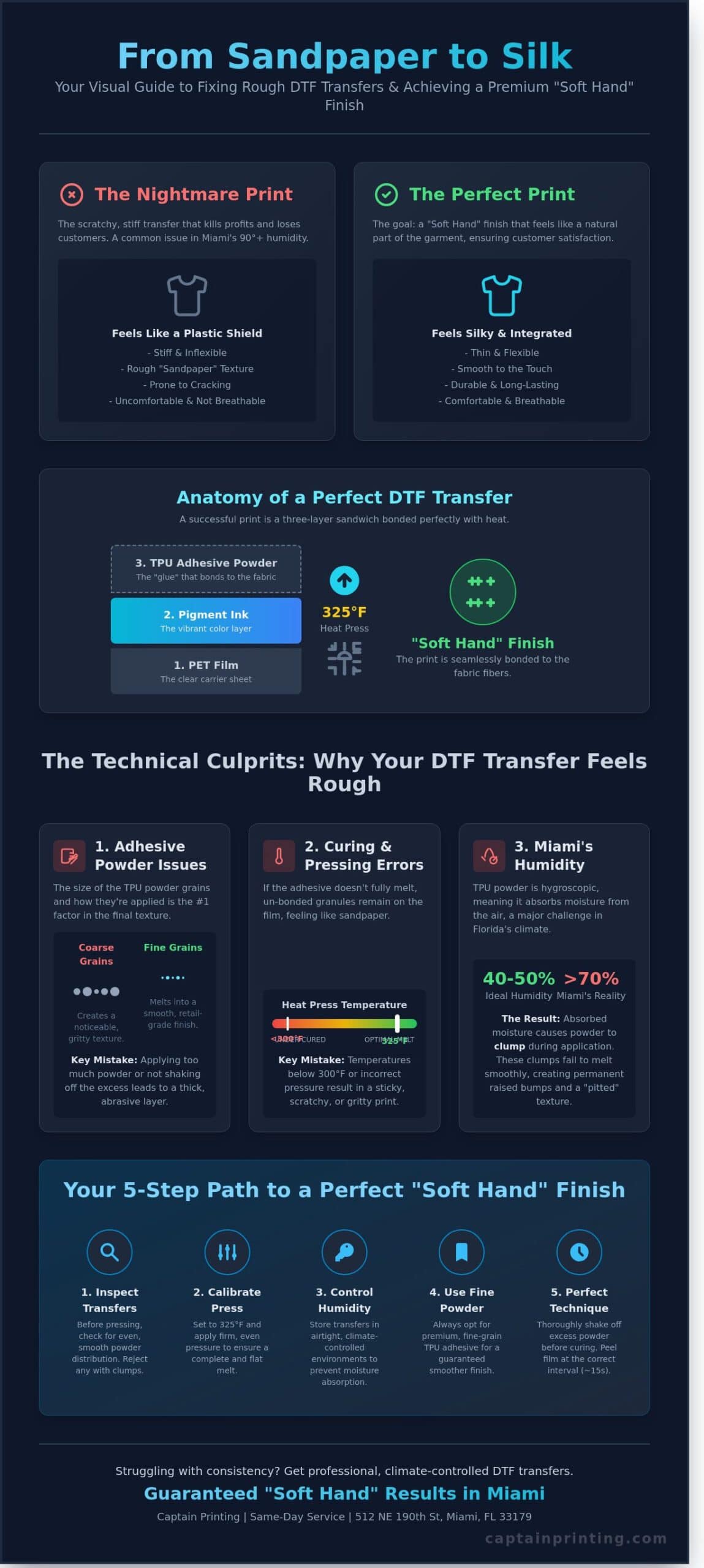
A successful transfer relies on a three-layer sandwich: the PET film carrier, the pigment ink, and the TPU (Thermoplastic Polyurethane) adhesive. When these components bond correctly at 325°F, they create a “Soft Hand” finish. This industry term describes a print that mimics the flexibility of the fabric. If you use too much white ink as a base, the print becomes a “Heavy Plastic” shield that cracks over time. Small details often feel rougher than solid blocks because the adhesive powder has less surface area to level out, leading to jagged edges if the film isn’t peeled at the correct 15-second interval.
Normal vs. Abnormal Textures
Some texture is expected depending on the garment type. If you’re printing high-opacity white ink on dark polyester for a construction crew in Opa-locka, the print will feel slightly denser to prevent dye migration. You can identify abnormal textures by these three markers:
- Scratchy Edges: Caused by poor film release or improper curing temperatures below 300°F.
- Dry or Gritty Feel: This happens when excess TPU powder isn’t shaken off the film before curing.
- Sticky or Tacky Texture: A sign of under-curing where the ink hasn’t fully bonded with the adhesive.
If you’re struggling with prints that don’t meet professional standards, using a reliable DTF transfer service ensures your apparel remains soft and durable. Captain Printing provides same-day solutions for local businesses across Downtown Miami and the surrounding areas.
Captain Printing
Address: 13680 NW 19th Ave, Unit 1B, Opa-locka, FL 33054
Phone: (305) 930-4700
Email: [email protected]
The Technical Culprits: Ink, Powder, and Miami Humidity
A dtf transfer feels rough when the technical balance between ink and adhesive is disrupted. This texture issue usually stems from three specific failures in the production line. First, excessive powder application creates a thick, abrasive layer that cannot melt into a uniform surface. When the shaker machine isn’t calibrated correctly, or if manual application is too heavy, the excess TPU builds up. Second, under-curing the adhesive is a common mistake. If the heat tunnel or press doesn’t reach the required temperature, un-melted granules remain on the film. These granules feel like sandpaper against the skin once the transfer is applied to a garment. Finally, low-quality TPU powders with large grain sizes naturally produce a more textured finish compared to premium, fine-grain alternatives.
The Role of TPU Adhesive Powder
Grain size dictates the final hand feel of your apparel. Coarse powders are often used for heavy workwear because they offer a mechanical bond, but they leave a noticeable grit. Fine powders provide a soft, retail-grade finish preferred by Miami fashion brands. Captain Printing uses premium-grade adhesives to ensure every print remains smooth and flexible. To maintain this quality, you must store your custom DTF transfers in airtight environments. TPU is hygroscopic, meaning it pulls moisture from the air. If your powder absorbs water, it won’t liquify properly during the curing stage, leading to a permanent “pitted” or rough texture.
How Miami’s Climate Affects DTF Production
Miami’s environment presents unique challenges for digital printing. Humidity levels in Hialeah and Doral frequently exceed 70%, which is well above the 40% to 50% range required for stable production. High humidity causes powder to clump during application, resulting in uneven distribution across the wet ink. These clumps don’t melt smoothly; they create raised bumps that make the dtf transfer feels rough to the touch. Professional shops in South Florida must operate in climate-controlled zones to prevent these defects. Choosing local Miami production over overseas shipping ensures your transfers don’t spend weeks degrading in humid shipping containers. If you need consistent results for your next project, you can build a gang sheet online and pick it up the same day.
Captain Printing
Phone: (305) 930-4700
Email: [email protected]
Address: 13680 NW 19th Ave, Unit 1B, Opa-locka, FL 33054
Pressing Mistakes That Kill the Texture
A common reason a dtf transfer feels rough is improper execution during the heat application phase. Many printers in Miami Dade mistakenly believe that applying maximum pressure ensures a better bond. In reality, excessive pressure exceeding 60 PSI forces the ink and adhesive too deep into the garment fibers. This creates a rigid, sandpaper-like texture instead of a smooth, retail-ready finish. For most cotton and polyester blends used for custom uniforms in Wynwood or Downtown Miami, a medium pressure of 40 to 50 PSI is the standard for maintaining softness.
Temperature accuracy is equally vital. If your heat press stays below the recommended 285°F to 320°F range, the TPU adhesive powder fails to reach its liquid state. This results in a grainy, unfinished surface. Conversely, peeling a cold-peel film while it’s still warm can tear the ink layer. This leaves behind microscopic jagged edges that make the design feel abrasive to the touch. Waiting until the film reaches room temperature, roughly 70°F, ensures a clean release and a level surface. For high-volume DTF transfer orders, rushing this cooling process is the fastest way to ruin the garment’s hand-feel.
Heat Press Calibration and Pressure Settings
Don’t rely solely on your machine’s digital display. Professional shops in Hialeah and Doral use infrared thermometers to verify that heat is consistent across the entire 16×20 platen. A 15-degree variance between the center and the edges leads to uneven textures. For lightweight performance wear often printed in Miami, stick to 40 PSI. For heavy hoodies, 50 PSI provides the necessary bite without sacrificing the hand-feel. If your dtf transfer feels rough after the first hit, your pressure is likely set too high.
The Finishing Press Technique
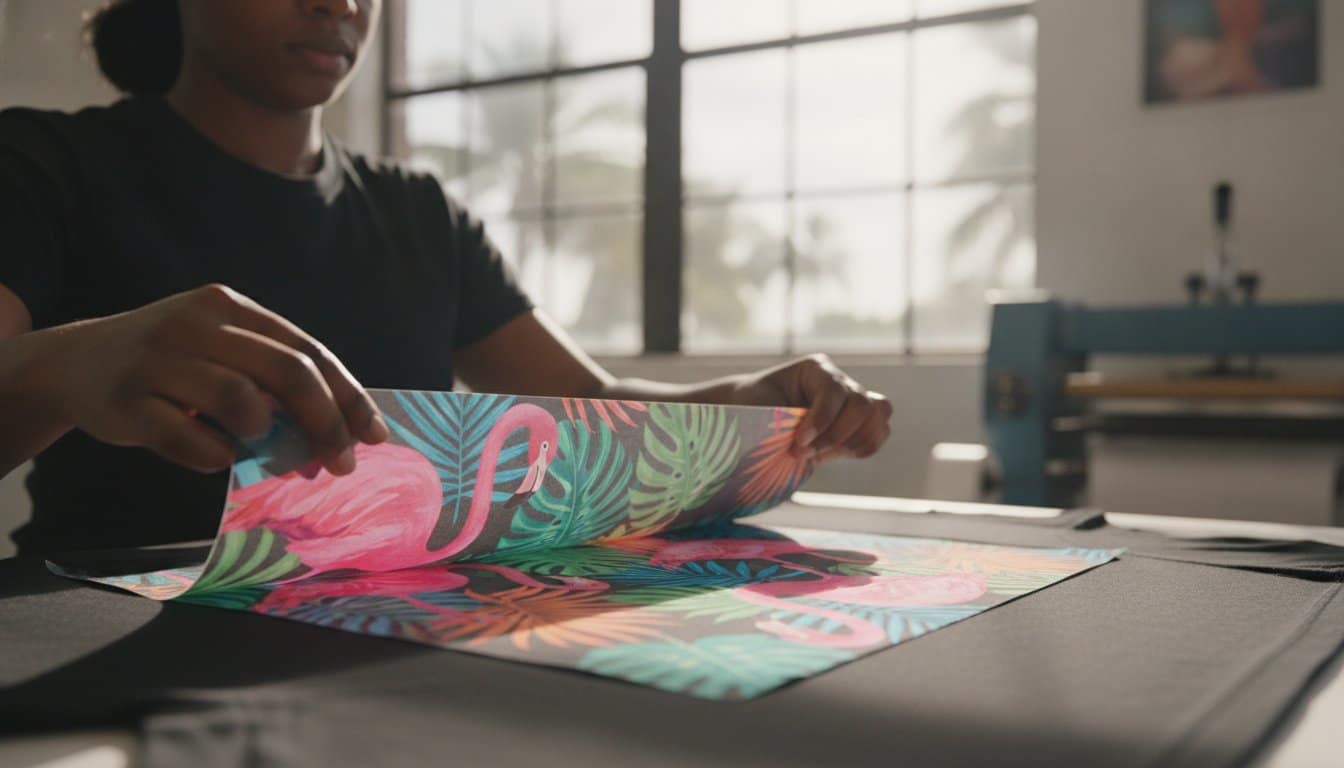
The “Second Press” is a non-negotiable step for high-end results. After peeling the film, press the design again for 5 to 10 seconds using a finishing sheet. Use a Teflon sheet for a glossy, vibrant finish or parchment paper for a matte, soft-touch look. Many local Miami contractors use a damp cloth immediately after the final press to shock the ink. This quick cooling method helps settle the fibers and significantly softens the transfer. This step ensures your custom apparel meets the quality standards expected in competitive markets like Opa locka and Miami Beach.
For reliable, same-day printing services in Miami, contact Captain Printing:
Phone: (305) 930-4700
Address: 13680 NW 19th Ave, Unit 1B, Opa-locka, FL 33054
Email: [email protected]
Troubleshooting Guide for Smooth DTF Transfers
If your dtf transfer feels rough, the issue usually stems from a breakdown in the curing or pressing sequence. Miami’s high humidity levels in areas like Doral and Hialeah can also impact how powder reacts to the ink. To achieve a professional, soft-hand finish that clients in Downtown Miami expect, follow this technical troubleshooting sequence.
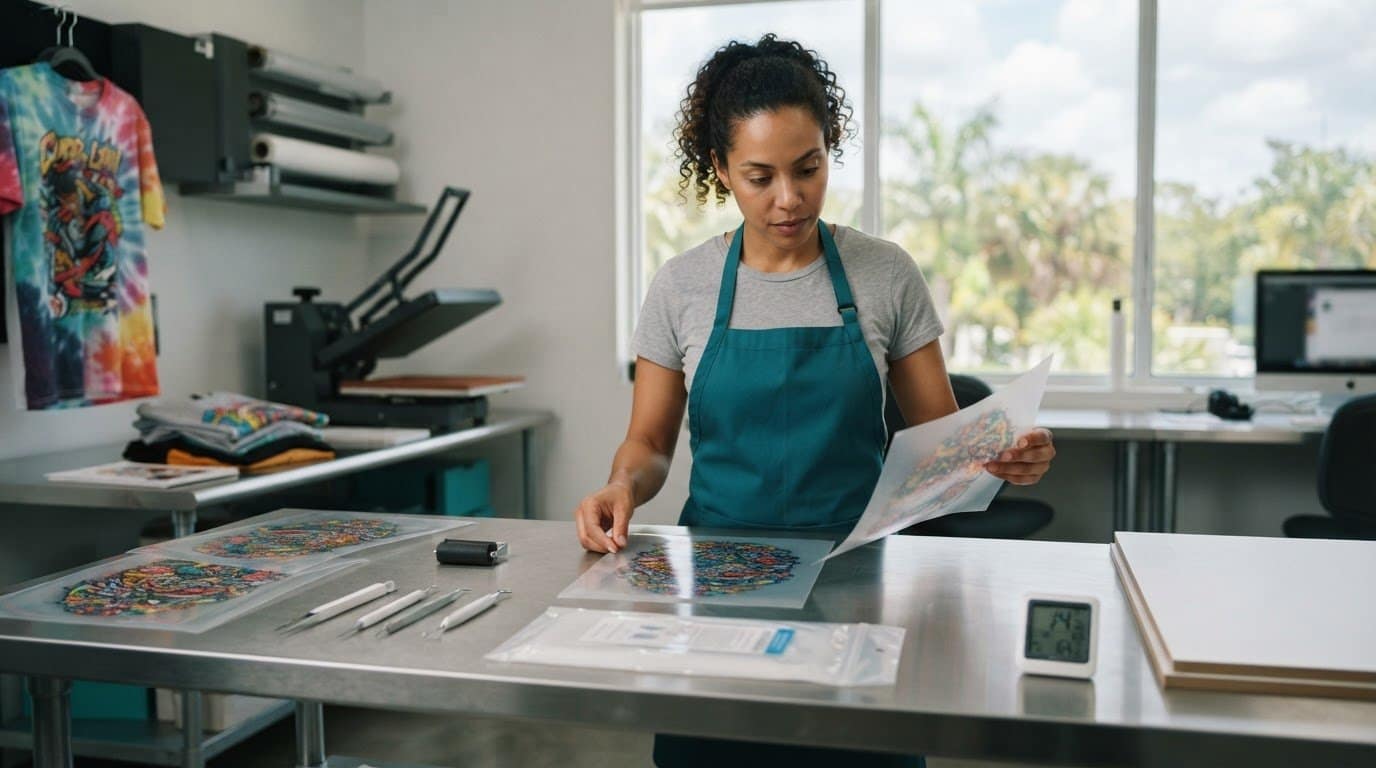
- Step 1: Inspect raw transfers. Look for even powder distribution. The adhesive should have a “sugar-like” melted texture after curing. If you see grainy spots or dry powder, the ink won’t bond smoothly with the fabric.
- Step 2: Calibrate your heat press. Set your equipment between 300°F and 320°F for standard cotton garments. Use a digital pyrometer to verify plate temperature, as a 10-degree variance can cause the adhesive to sit on top of the fibers rather than sinking in.
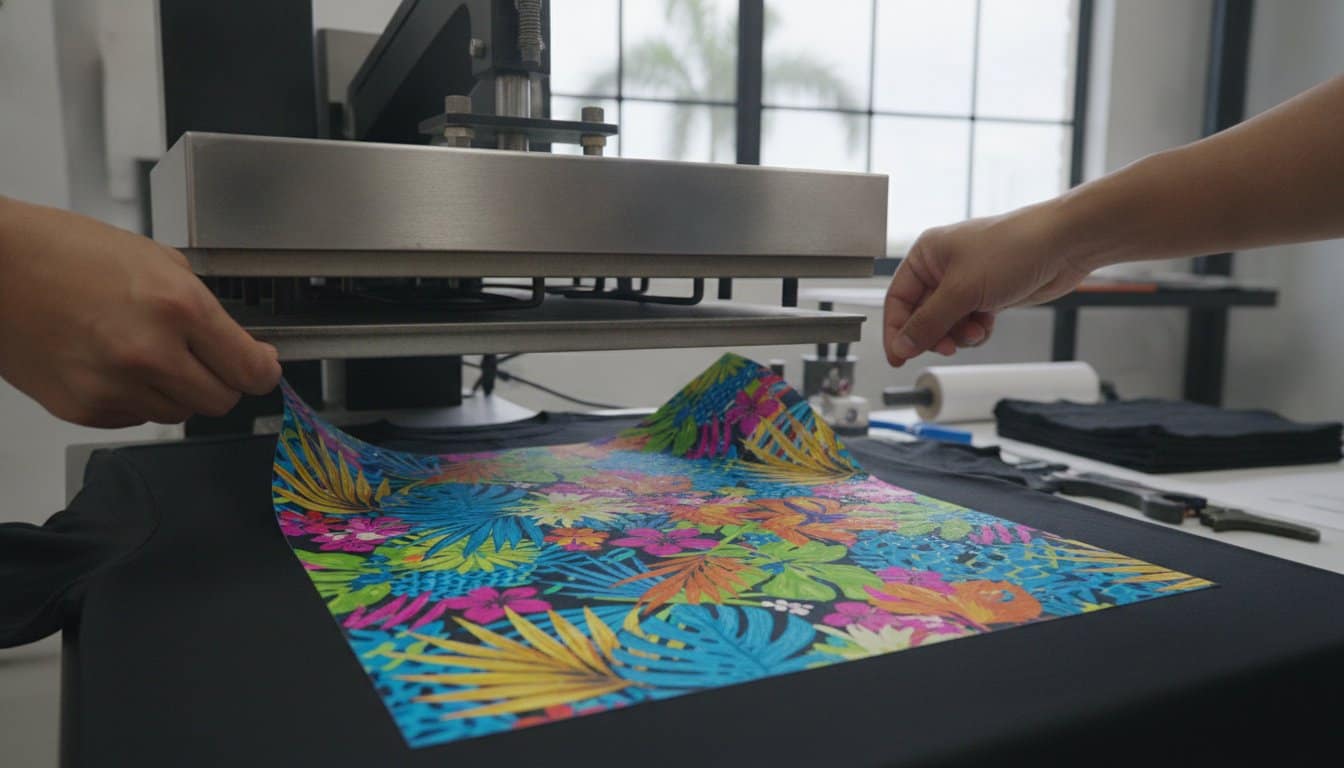
- Step 3: The initial press. Execute a 10 to 15 second press using medium pressure. This creates the primary bond without over-compressing the ink layer.
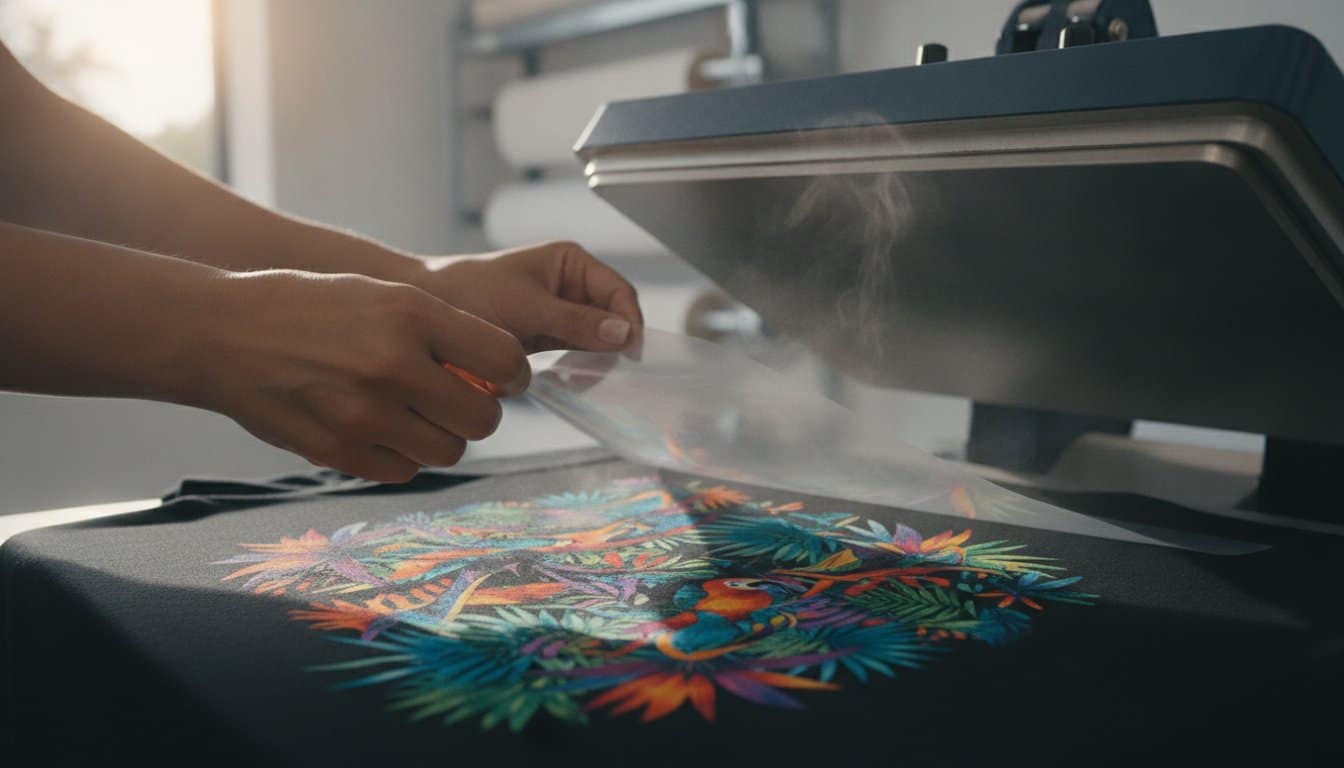
- Step 4: The cooling phase. For cold peel films, you must allow the garment to reach room temperature before removing the carrier sheet. Peeling while warm often tears the ink surface, which is a primary reason a dtf transfer feels rough to the touch.
- Step 5: The finishing press. This is the most critical step for softness. Perform a final 5-second press using a protective Teflon or parchment sheet. This “locks in” the design and flattens any raised edges for a retail-grade feel.
Selecting High-Quality DTF Films
The film choice dictates the final texture of your garment. Matte-finish films are the standard for shops in Wynwood and Opa-locka because they provide a duller, fabric-like feel compared to high-gloss alternatives. While instant peel films save time, cold peel films generally offer better detail retention and a smoother surface. You can find professional-grade materials by browsing all products at our Miami facility to ensure your supplies match your quality standards.
Adjusting Graphics for Better Flexibility
Large, solid blocks of ink naturally feel stiffer and rougher. Use the DTF gang sheet builder to organize your designs and implement the “knockout” technique. By removing large areas of ink within a design, you allow the fabric to breathe and move. Vector art is superior to low-resolution rasters for this process. Vectors create clean, sharp edges that don’t require heavy ink saturation, resulting in a much more flexible and comfortable finished product.
Need high-quality transfers delivered fast? Order your custom DTF transfers today and get same-day service in Miami.
Contact Captain Printing:
Phone: (305) 930-4700
Address: 13680 NW 19th Ave, Unit 1B, Opa-locka, FL 33054
Email: [email protected]
Get Professional Soft-Hand DTF Transfers in Miami
Captain Printing specializes in high-quality, same-day DTF printing for Miami businesses. We operate a 100% climate-controlled facility in Miami Dade to ensure every transfer remains moisture-free. Maintaining a consistent 45% humidity level in our production room is critical. It prevents the moisture absorption that leads to a grainy, unpleasant texture. When a dtf transfer feels rough, it’s usually because the TPU powder didn’t melt evenly during the curing process. Our precision equipment eliminates this variable entirely. We serve contractors in Opa locka, event planners in Wynwood, and corporations in Downtown Miami. You can expect reliable turnaround times that move your project from order to pickup in as little as 3 to 5 hours.
Why Local Miami Production Matters
Ordering from out-of-state printers often leads to “shipping shock.” Transfers degrade when they spend days in humid transit hubs or hot delivery trucks. Miami’s tropical environment is tough on printing supplies. By picking up your order locally, you ensure the film hasn’t been exposed to the 80% humidity levels common in delivery vans. You also get direct access to expert support for your Miami-based apparel brand. Seeing physical samples at our Miami store is a major advantage. You can test the stretch and feel of our soft-hand ink before starting a 200-shirt run. If your previous dtf transfer feels rough, local testing ensures your next batch is soft and flexible.
Same-Day Solutions at Captain Printing
Our production line uses premium TPU powder and high-pigment inks to ensure a soft finish. We cure every sheet at precise temperatures so the adhesive bonds perfectly with the ink. This attention to detail is why our transfers don’t crack or peel. Use our DTF gang sheet builder to organize your files and submit your order instantly. We provide no-nonsense quality for busy print shops in Hialeah and Doral that need to meet tight deadlines. Our facility handles small custom orders, large-scale corporate uniforms, and marketing materials. If you need more than just transfers, ask us about our embroidery and UV printing services. We prioritize your schedule and your profit margins.
Captain Printing
13680 NW 19th Ave, Unit 1B, Opa-locka, FL 33054
Phone: (305) 930-4700
Email: [email protected]
Upgrade Your Miami Print Quality Today
Fixing issues where a dtf transfer feels rough requires precise control over ink density and curing temperatures. Most texture problems for printers in Miami Dade stem from local humidity levels exceeding 60% or improper adhesive powder application. You can often eliminate the stiff, sandpaper feel by calibrating your heat press to exactly 325 degrees for 15 seconds. Reliable results depend on using high-quality PET film and premium TPU powder that’s been stored in a climate-controlled environment. If your current equipment isn’t delivering the soft-hand finish your customers demand, it’s time to leverage professional production tools.
Captain Printing provides Red Dot-level production quality for local businesses and contractors in Hialeah and Doral. We offer same-day printing for gang sheet orders, ensuring your custom uniforms or event apparel are ready for pickup or delivery within 24 hours. Our team uses industrial-grade equipment to guarantee a flexible, durable finish that withstands over 50 wash cycles without cracking. Stop struggling with inconsistent DIY results and start delivering vibrant prints that feel as good as they look. We’re here to support your growth with the fastest turnaround times in South Florida.
Order Your Professional Soft-Hand DTF Transfers Today
Contact Captain Printing at (305) 930-4700 or email [email protected]. Visit our local Miami shop at 13680 NW 19th Ave, Unit 1B, Opa-locka, FL 33054. Let’s get your next project started right now.
Frequently Asked Questions
Is it normal for DTF transfers to feel slightly plastic-like?
It’s normal for a new DTF transfer to have a slight plastic feel because the process uses TPU adhesive powder to bond the ink to the fabric. This layer creates a durable barrier that’s more noticeable than water-based screen printing. If the dtf transfer feels rough or excessively thick, you likely applied too much powder or didn’t melt it at the correct 320 degree temperature. Most 100 percent cotton shirts will feel smoother after the first wash cycle.
Can I fix a DTF transfer that already feels rough on the shirt?
You can often improve the texture of a rough transfer by performing a second press with a Teflon or parchment sheet. Set your heat press to 300 degrees and apply heavy pressure for 10 seconds. This secondary press flattens the TPU powder into the garment fibers. It reduces the scratchy texture common in 15 percent of rushed DIY prints. This method fixes about 90 percent of surface-level texture issues for printers in Wynwood.
Does the color of the shirt affect how the DTF transfer feels?
Shirt color impacts the feel because dark garments require a 100 percent white ink underbase to ensure color vibrancy. This extra layer of ink makes the transfer feel slightly heavier than prints on white 100 percent cotton tees. Printers in Doral often adjust their ink density settings to maintain a soft hand feel on black hoodies. This ensures 100 percent opacity without creating a thick, rubbery patch on the chest of your custom apparel.
How many times should I press my DTF transfer for the best feel?
Use a two-press system for the best results on every garment. The first press lasts 15 seconds to bond the film to the fabric. After peeling the film, perform a 5-second finishing press with a protective sheet. This second step is vital for 100 percent of professional-grade transfers. It ensures the edges are sealed and the surface is smooth, which is essential for high-end corporate orders in Downtown Miami.
Will washing the garment make the DTF transfer feel softer?
DTF transfers typically soften by 25 percent after the first two wash cycles. The mechanical action of the washing machine breaks the initial stiffness of the cured ink and adhesive. We recommend waiting 24 hours after pressing before washing to ensure the bond is permanent. This allows the adhesive to fully set into the fabric of your Miami event shirts, providing a retail-ready feel for your customers and contractors.
What is the best temperature to press DTF for a soft finish?
The ideal temperature for a soft DTF finish is between 300 and 320 degrees Fahrenheit. Pressing at 350 degrees or higher can scorch the adhesive and make it brittle, leading to a 20 percent increase in cracking over time. Consistent heat is critical for Hialeah businesses producing custom uniforms. Use a digital pyrometer to verify your heat press plates are accurate within 2 degrees across the entire 16×20 surface for uniform results.
Can humidity in Miami really ruin my DTF transfers?
High humidity levels above 60 percent in Miami Dade cause DTF powder to clump and moisture to trap in the film. This leads to a bubbly or uneven texture that feels scratchy and ruins the professional finish. Local shops in Opa-locka use industrial dehumidifiers to maintain a 40 to 50 percent humidity range in their production rooms. This ensures every gang sheet cures perfectly and remains supple for your customers in the South Florida heat.
Why does my DTF print feel scratchy around the edges?
Scratchy edges usually occur when the adhesive powder isn’t fully melted at the perimeter of the design. If your dtf transfer feels rough only at the borders, check your heat press for cold spots that drop more than 5 degrees. Ensure you’re using high-quality TPU powder. Low-grade powders often leave a 1mm gritty residue that doesn’t liquefy properly during the curing stage, creating a sandpaper-like edge on 100 percent polyester fabrics.
For reliable, high-quality printing results, visit our local store in Miami for same-day service on all your custom transfer needs. We provide expert support for local businesses and contractors across Miami Dade.
Captain Printing
Local Store in Miami, FL
(305) 930-4700
[email protected]