Blog
DTF Transfer for Canvas Bags: The Professional Guide for Miami Businesses

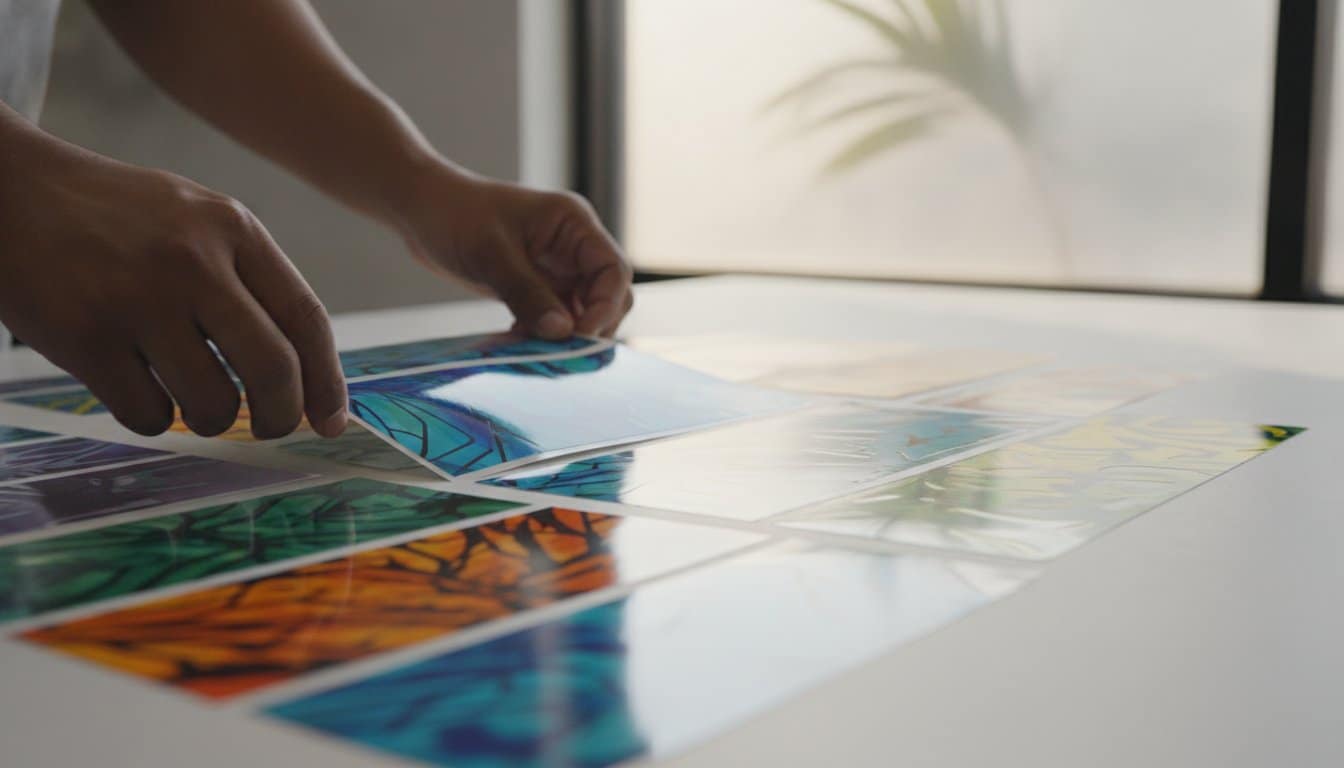
A cracked, peeling logo on a custom tote bag destroys your brand’s perceived value before the customer even leaves the event. Traditional screen printing often fails on heavy, textured canvas, leading to visible wear within 15 days of regular use. When you choose a dtf transfer for canvas bags, you eliminate the risk of designs cracking or lifting from the fabric’s surface. You need promotional gear that withstands the Miami heat and repeated wash cycles without losing its professional edge. We deliver that reliability.
You likely feel that high minimums and slow lead times are the biggest hurdles to getting quality swag for your next trade show. We agree that your business needs a faster, more reliable way to produce vibrant results. This article promises to show you why DTF transfers are the most durable choice for canvas and how to get them printed same-day in Miami. We’ll preview our local production process in Opa-locka and show you how to use our Gang Sheet Builder to save time on your next order for Wynwood, Doral, or Downtown Miami. Get the facts on wash-stable transfers that don’t peel and how to secure fast local fulfillment today.
Key Takeaways
- Understand why DTF technology is the superior choice for heavy-duty textiles, ensuring custom designs withstand the rugged daily use of beach and grocery bags.
- Discover how to achieve vibrant, high-contrast results on dark or navy materials using a professional dtf transfer for canvas bags.
- Compare production methods to see how DTF eliminates the long setup times of screen printing while offering better durability than traditional embroidery on canvas.
- Learn professional application techniques, including critical pre-pressing steps and alignment strategies for working around tote bag handles and seams.
- Find out how to leverage same-day printing and local pickup in Opa-locka and Hialeah to meet tight deadlines without waiting for national shipping.
What is DTF Transfer for Canvas Bags?
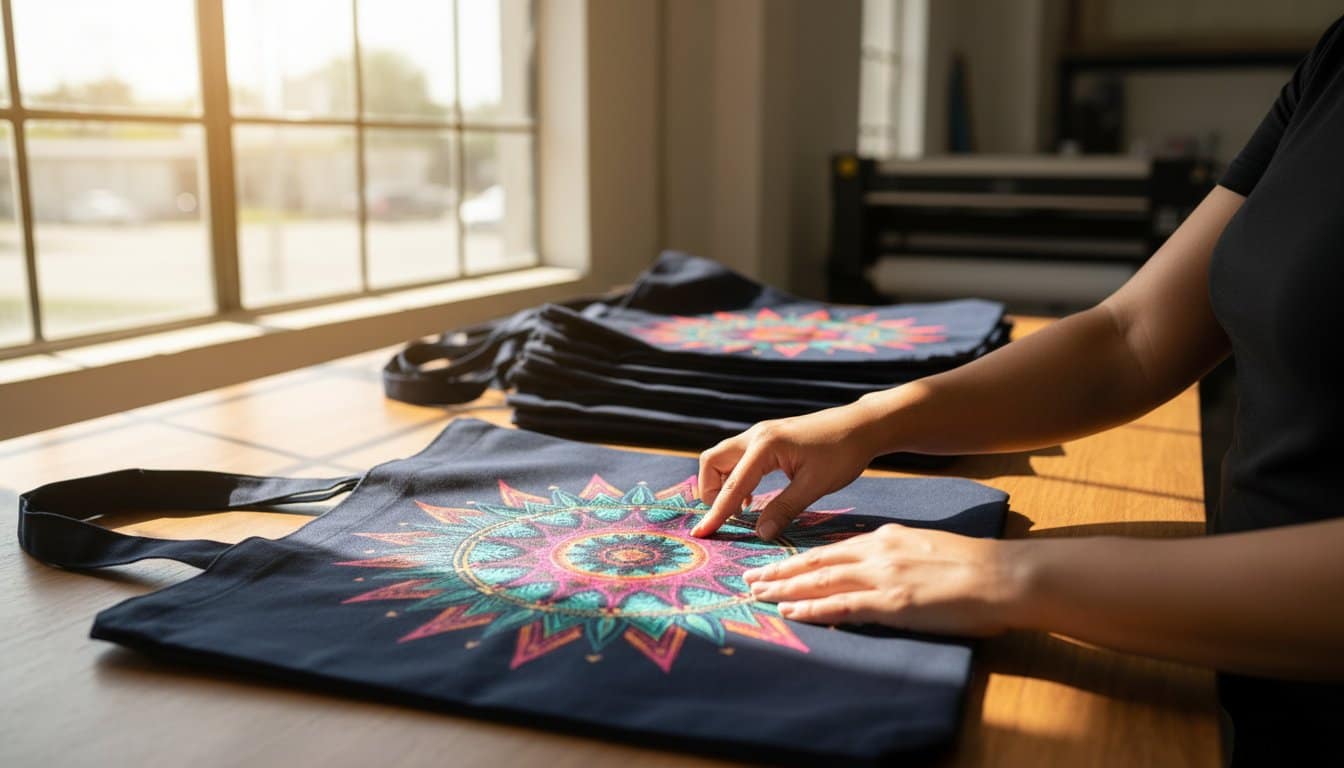
Miami businesses need durable branding that survives the humidity and high usage of the South Florida lifestyle. A dtf transfer for canvas bags is a specialized printing method where designs are printed onto a clear PET film before being heat-pressed onto heavy textiles. Unlike traditional screen printing, Direct-to-film (DTF) printing uses a unique adhesive powder that creates a permanent bond with the coarse fibers of canvas. This technology allows for full-color, high-resolution graphics that won’t crack or peel, even on the roughest 14oz cotton duck fabrics found in Wynwood boutiques or Downtown Miami trade shows.
Canvas is a challenging substrate because of its deep, irregular weave. While standard cotton t-shirts have a smooth surface, canvas requires a transfer system that can bridge the gaps in the fabric. High-opacity white ink plays a critical role here. It acts as a solid base layer, ensuring colors remain vibrant on natural beige or dark-dyed bags. This is why custom tote bags have become the primary marketing tool for retail shops in Doral and event planners across Miami Dade. They offer a premium feel that represents your brand better than a thin plastic bag ever could.
Why DTF is Outperforming HTV on Canvas
Heat Transfer Vinyl (HTV) often fails on canvas because it sits like a thick sticker on top of the fibers. Over time, the stiff vinyl loses its grip and begins to lift at the edges. In contrast, DTF transfers utilize a TPU adhesive powder that melts into the canvas grain. This creates a flexible, soft-hand finish that moves with the bag. Miami boutiques prefer this method because it looks professional and handles the heavy weight of groceries or beach gear without degrading. It’s a faster, more reliable way to produce small batches or large runs without the setup costs of screen printing.
Common Canvas Types Used in Miami Printing
- Standard 6oz Cotton Totes: These are the go-to choice for Hialeah trade shows and promotional giveaways. They’re lightweight and cost-effective for high-volume distribution.
- Heavy-Duty 12oz and 14oz Canvas: Used for premium retail products in shops across Miami Beach. These require slightly higher pressure during the heat press process to ensure the adhesive penetrates the thick material.
- Polyester-Blend Canvas: These bags are common for outdoor use in Opa-locka. They require specific temperature settings, usually around 280°F to 300°F, to prevent the fabric from scorching while maintaining a strong bond.
Ready to start your project? Use our Gang Sheet Builder to organize your designs and maximize your print space. We offer same day printing Miami services for local pickups at our Opa-locka facility. Stop settling for low-quality transfers that peel after one week. Get professional results that last.
The Benefits of Using DTF for Custom Bags
Canvas bags in Miami face intense conditions. Between the high humidity in Opa-locka and the abrasive salt air at South Beach, prints must be resilient. Using a dtf transfer for canvas bags ensures a bond that doesn’t crack or peel under heavy use. This method represents a major shift in the evolution of textile printing, moving away from thick, sit-on-top inks to flexible, durable films that integrate with the fabric. Whether it is a rugged grocery tote or a beach bag, the transfer survives repeated wash cycles and heavy weight loads without losing its integrity.
DTF technology handles the coarse, woven texture of canvas better than traditional vinyl or direct-to-garment (DTG) methods. The specialized white ink underbase allows for 100% color accuracy on dark navy or black canvas totes. You get vibrant CMYK results that pop against any background. Small text and intricate logos that usually get lost in screen printing mesh remain sharp. This precision is vital for Miami brands that rely on fine-line art or complex typography to stand out in a crowded market.
Scaling your production is straightforward. By using gang sheets, you can fit dozens of different bag logos onto a single film roll. This maximizes your material use and keeps your production line moving. It’s a high-efficiency approach that works for both small boutique runs and large-scale corporate orders.
Cost-Effectiveness for Miami Small Businesses
Local creators selling at Wynwood or Downtown markets need high profit margins to stay competitive. Traditional screen printing requires expensive setup fees and screen burning for every color in a design. DTF eliminates these upfront costs entirely. Whether you’re printing five bags or 500, the price per unit stays consistent and affordable. Using our gang sheet builders allows you to organize your designs efficiently. This tool helps you reduce waste by filling every inch of the film, directly lowering your overhead costs.
Speed and Turnaround Advantages
Miami’s event calendar is packed year-round. When a convention at the Miami Beach Convention Center or a corporate retreat in Doral needs 200 branded bags by tomorrow, traditional methods can’t keep up. Our transfers are ready to press as soon as they’re printed. This makes it the ideal same day printing Miami solution for tight deadlines. We handle the technical printing in our Opa-locka facility so you can focus on the heat press and final delivery. You don’t have to wait days for screens to dry or inks to cure. If you need to restock your inventory quickly, you can order DTF transfers for fast local pickup and keep your business running without delays.
DTF vs. Screen Printing vs. Embroidery for Bags
Choosing the right decoration method for canvas bags depends on your deadline, budget, and design complexity. Screen printing is a traditional choice, but it requires significant labor. A standard multi-color screen setup involves burning screens, mixing inks, and aligning registration, which often takes 120 to 180 minutes before the first bag is printed. In contrast, dtf transfer for canvas bags requires under 15 minutes of setup. You simply print the digital file and press it. This speed is vital for Miami businesses needing fast turnaround times for events at the Miami Beach Convention Center or local festivals.
Durability is another factor where methods diverge. Canvas is a heavy, abrasive material. Screen printing ink sits on the surface and can crack over time if the bag is folded or washed frequently. DTF technology uses a specialized adhesive powder that bonds the ink into the canvas fibers. This creates a flexible, durable finish that resists peeling even on the rough texture of a 12oz heavy-duty tote.
Environmental conditions in South Florida also play a role. Miami’s average humidity levels, which often exceed 75%, can interfere with the drying process of water-based screen printing inks. Because DTF transfers are printed on PET film and cured with heat before application, they remain stable regardless of the local weather. This consistency ensures your branding looks identical whether you are in Hialeah or Doral.
When to Choose DTF Over Screen Printing
- Small to Mid-Sized Runs: Orders between 1 and 100 bags are most cost-effective with DTF. Screen printing usually requires high minimums to offset the setup labor.
- Complex Artwork: If your logo includes gradients, shadows, or photographic elements, DTF is the superior choice. It captures 300 DPI detail that screen printing cannot replicate without expensive halftone setups.
- Miami Cafe Case Study: A local coffee shop in Wynwood recently ordered 50 canvas totes to celebrate their anniversary. Their logo featured a detailed watercolor illustration of the storefront. Using dtf transfer for canvas bags, we produced the full-color bags in 24 hours, a task that would have taken days with traditional screen printing.
DTF vs. Custom Stitching
For luxury branding, many corporations opt for custom stitching. Embroidery provides a high-end, textured look that is perfect for heavy 15oz canvas beach bags or executive gifts. However, stitching has limitations on thin materials. On a lightweight 6oz canvas bag, heavy embroidery can cause the fabric to pucker or pull. DTF is the better alternative here because it adds almost no weight to the fabric.
Many high-end Miami apparel brands now combine these methods. They might use embroidery for a small, prestigious logo on the bag’s handle or corner, while using a large DTF transfer for the main colorful graphic on the front. This hybrid approach provides the tactile feel of stitching with the vibrant, unlimited color palette of digital transfers. Whether you need a rugged work bag for a contractor in Opa-locka or a sleek promotional tote for a Downtown Miami boutique, selecting the right tech ensures your brand lasts.
If you need help deciding which method fits your project, contact our team in Opa-locka to discuss your specific canvas material and design needs.
How to Apply DTF Transfers to Canvas Bags
Applying a dtf transfer for canvas bags requires a specific technical approach compared to standard apparel. Canvas is a heavy, porous material that demands higher pressure and longer dwell times to ensure the adhesive bonds correctly with the thick fibers. Follow these five steps for professional results in your Miami production shop.
- Step 1: Surface Preparation. Place the bag on the lower platen and pre-press for 8 seconds. This is vital in South Florida’s humid climate to remove trapped moisture and flatten the heavy weave before application.
- Step 2: Alignment. Position your transfer carefully. Be mindful of the handles and side seams. If the bag has thick seams, use a heat pressing pillow to ensure the heat plate makes direct, even contact with the transfer area.
- Step 3: The Initial Press. Lock the press using the specific settings for heavy cotton canvas. Ensure the pressure is set to a heavy level to overcome the fabric’s natural texture.
- Step 4: The Cooling Phase. Remove the bag from the press. Most high-quality films used for a dtf transfer for canvas bags are cold peel. Let the bag cool completely to room temperature before removing the film to prevent fine lines from lifting.
- Step 5: The Finishing Press. After peeling, place a piece of parchment paper or a Teflon sheet over the design and press again for 5 seconds. This final step seals the ink into the canvas texture for maximum durability.
Critical Time and Temp Settings for Canvas
Canvas acts as a heat sink, which means it absorbs more energy than a thin polyester shirt. Set your heat press between 300°F and 320°F (150°C – 160°C). While standard garments might only need 10 seconds, canvas requires a dwell time of 15 to 20 seconds. Use heavy pressure, typically 60 to 80 PSI on pneumatic machines, to force the adhesive into the deep valleys of the fabric weave.
Avoiding Common Mistakes on Bags
Zippers, buttons, and thick straps often cause uneven pressure, leading to transfer failure. Always use a pressing pillow to elevate the print area above these obstructions. If you see a “ghosting” effect or blurred edges, it’s usually caused by moving the film while the adhesive is still molten. Wait for the material to cool. For bags with water-resistant coatings, perform a 10-second test press on an inconspicuous area. If the coating melts or the transfer peels easily, the bag may require a specialized adhesive or a different printing method.
Ready to start your next project? Order your custom DTF transfers today for fast local pickup in Opa-locka or shipping across Miami Dade.
Order DTF Transfers for Bags in Miami
Sourcing your dtf transfer for canvas bags locally in Opa-locka and Hialeah provides a level of quality control that national shipping services can’t match. When you order from a local facility, you avoid the risk of film creasing during long-haul transit or adhesive powder degradation due to extreme temperature shifts in delivery trucks. Captain Printing uses industrial-grade PET film and high-stretch adhesive powder. This combination ensures that your designs bond deeply with heavy canvas fibers, preventing the peeling often seen with inferior materials. Businesses in Doral and Downtown Miami can access same-day pickup options, allowing you to meet tight client deadlines without waiting for a courier.
Our online platform simplifies the ordering process for printing services in Miami. We’ve optimized our workflow for speed. You don’t have to wait for a quote. You can see your costs upfront and move straight to production. This efficiency is why many commercial clients choose local pickup over shipping. By keeping your supply chain within Miami Dade, you maintain a faster turnaround for your own customers.
Local Support for Miami Contractors
We offer specialized wholesale pricing for local uniform shops and marketing agencies that manage high-volume orders. Printing on canvas is different than printing on cotton tees. The heavy weave requires a specific ink density to maintain vibrancy. When selecting a dtf transfer for canvas bags, the durability of the adhesive is the most critical factor for long-term wear. Our technicians provide expert advice on file preparation, ensuring your 300 DPI files are optimized for the texture of a tote or duffel. We’re a dedicated partner for the South Florida business community. Helping you scale your brand? It’s kinda our thing.
Getting Started with Your Bag Project
To start your order, upload your artwork to our transfers dtf portal. Most standard canvas totes accommodate a 10-inch by 10-inch design, but we recommend measuring your specific bag’s printable area first. If you have multiple designs, use our gang sheet builder to maximize your film space and reduce costs. Before you hit submit for same-day production, follow this final checklist:
- Verify that all backgrounds are transparent and contain no stray pixels.
- Ensure your fine lines are at least 0.02 inches thick for proper adhesive bonding.
- Check that your color profile is set to CMYK for accurate Miami-inspired vibrance.
- Confirm your quantity and dimensions match your physical bag inventory.
Once your order is processed, you’ll receive a notification the moment your transfers are ready for pickup at our Opa-locka warehouse. This local proximity means you can go from digital file to finished canvas bag in under 24 hours.
Scale Your Miami Brand with High-Durability Canvas Prints
Choosing dtf transfer for canvas bags ensures your branding survives heavy daily use and industrial washing. Unlike traditional methods, these transfers bond directly to the thick fibers of heavy canvas without cracking or peeling. Miami businesses in Wynwood and Downtown Miami rely on this technology for vibrant, high-resolution logos that embroidery often fails to capture. We provide industrial-grade durability that stands up to the Florida humidity and heavy sun exposure. It’s the most reliable way to produce professional-grade merchandise that lasts.
You don’t have to worry about high overhead costs or waiting weeks for production. We offer same-day printing for local Miami orders and maintain a no minimum order requirement. This flexibility allows you to test new promotional designs or fulfill small batch orders for events in Doral or Hialeah immediately. Our Opa-locka facility is ready to handle everything from single custom totes to large-scale corporate orders with professional precision. Helping you meet tight deadlines is what we do; it’s kinda our thing.
Order Your Custom DTF Transfers for Canvas Bags Today
We look forward to helping you grow your local business with speed and quality.
Phone: +1 (305) 930-4700 | Address: 13680 NW 19th Ave, Unit 1B, Opa-locka, FL 33054 | Email: [email protected]
Frequently Asked Questions
Do DTF transfers stay on canvas bags after washing?
DTF transfers stay on canvas bags for 50 or more wash cycles without cracking or peeling. The adhesive powder bonds deeply with the heavy cotton fibers during the heat press process. For local Miami businesses creating promotional totes, this durability ensures the branding remains vibrant through heavy daily use. We recommend washing bags in cold water and air drying to maintain the print integrity for the life of the bag.
What temperature should I use for DTF on heavy canvas?
Use a temperature of 320°F (160°C) for 15 seconds when applying a dtf transfer for canvas bags made of heavy cotton material. Heavy canvas requires a firm pressure setting of 60 PSI to force the adhesive into the thick weave of the fabric. After the initial press, you should perform a second 5 second finishing press with a matte sheet. This technique ensures a professional bond that withstands the high humidity levels found in South Florida.
Can I apply DTF transfers to polyester canvas bags?
You can apply these transfers to 100% polyester canvas or synthetic blends commonly used for outdoor gear. Lower your heat press temperature to 280°F (138°C) to prevent the fabric from scorching or melting. This is a standard practice for high-visibility bags used by contractors in Hialeah and Doral. The versatility of the adhesive allows it to bond with synthetic fibers just as effectively as natural cotton.
Do I need a special heat press for tote bags?
A standard industrial heat press works perfectly, but you’ll need a heat press pillow or a smaller platen for bags with thick seams. These tools ensure a flat surface by elevating the print area above the handles and bottom gussets. Without a level surface, the pressure won’t be even, and the transfer might peel at the edges. Most professional shops in Miami Dade use 16×20 presses with interchangeable platens to handle various bag sizes.
How do I prevent the canvas texture from showing through the DTF print?
Increase your press pressure to 70 PSI and use a high-quality white ink base during the printing stage. The heavy texture of canvas can sometimes create a pitted appearance if the ink layer is too thin or the pressure is too light. A heavy pressure setting flattens the fabric weave while the adhesive is molten. This creates a smooth, retail-ready finish that’s preferred by luxury boutiques in Wynwood and Downtown Miami.
Where can I get same-day DTF transfers for bags in Miami?
Captain Printing provides same-day DTF transfers at our local facility in Opa-locka. If you use our Gang Sheet Builder to submit your files before 12:00 PM, your order will be ready for pickup or local delivery the same afternoon. We specialize in fast turnarounds for Miami businesses that need immediate results for events or product launches. Our direct-to-film technology eliminates the long wait times associated with traditional printing methods.
Is DTF cheaper than screen printing for 50 canvas bags?
DTF is more cost-effective than screen printing for a 50-bag order because it eliminates expensive screen setup fees. Screen printing requires a separate mesh screen for every color in your logo, which makes small runs expensive. With a dtf transfer for canvas bags, you can print unlimited colors and gradients for the same price. This allows small businesses to produce high-quality, full-color merchandise without the heavy upfront investment required by traditional shops.
Can I use a home iron to apply DTF transfers to canvas?
Don’t use a home iron if you want professional, long-lasting results for your business. Home irons can’t reach the consistent 60 PSI of pressure or the exact 320°F temperature needed to fuse the transfer to heavy canvas. While the design might look attached at first, it’ll likely peel off after the bag is loaded with weight. For a reliable bond that represents your brand well, always use a commercial-grade heat press.