Blog
High Stitch Count Embroidery Quality: Professional Uniforms in Miami (2026)

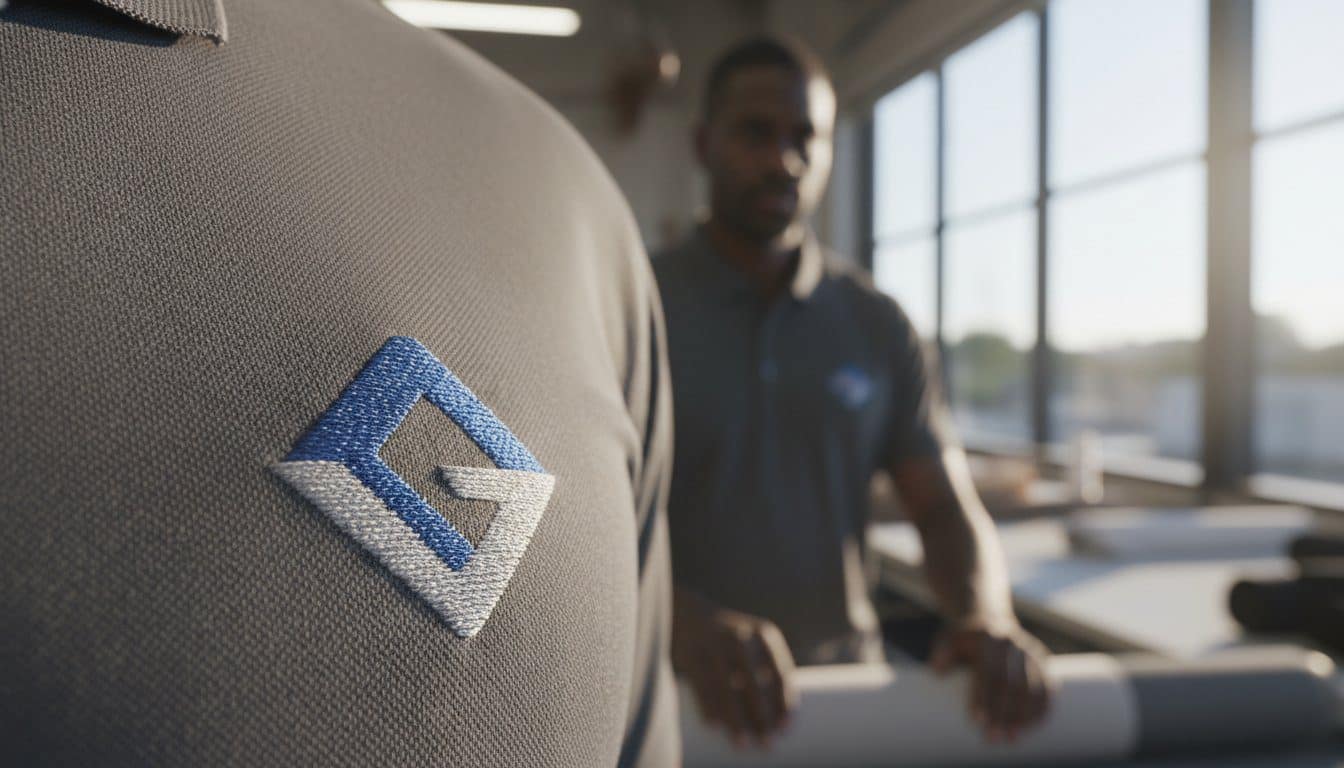
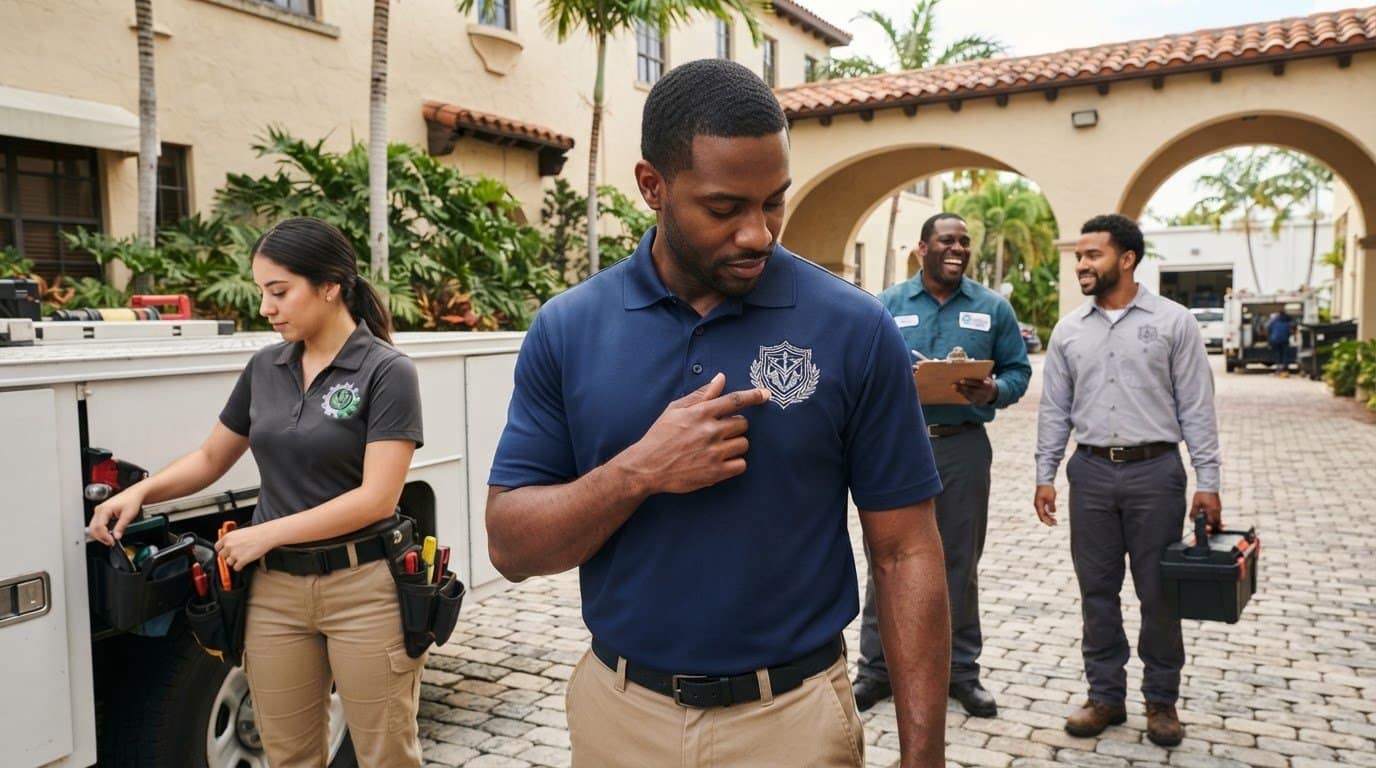
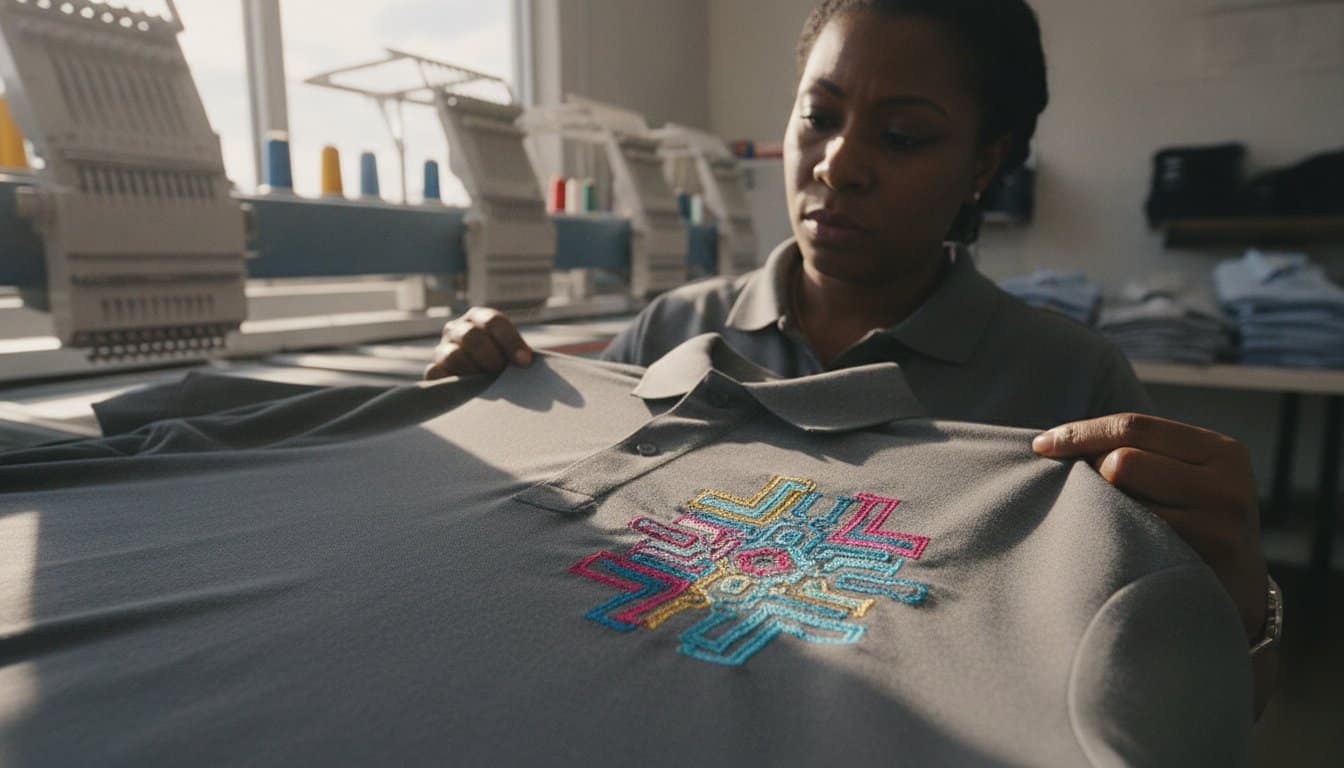
A logo that looks gappy or lets the shirt fabric peek through the threads isn’t just a design flaw; it’s a direct signal to your customers that your business cuts corners. Achieving high stitch count embroidery quality is the only way to ensure your branding remains crisp and professional through the daily wear of a demanding Miami work environment. Whether you’re operating a construction crew in Hialeah or a luxury hotel in Downtown Miami, your uniform is your first impression.
You’ve likely dealt with the frustration of embroidery that begins unraveling after just five washes or designs that cause the fabric to pucker and feel stiff. It’s a common pain point for local managers who need their team to look sharp without replacing shirts every month. You deserve a solution that balances durability with a premium aesthetic that withstands the Florida heat.
This guide explains how high density stitching defines the lifespan and visual impact of your corporate apparel. You’ll learn the technical requirements for professional logos and see how quality stitching provides a better ROI for your business. We’ll preview the specific production standards used to create long-lasting uniforms right here in Miami Dade.
Key Takeaways
- Understand how high stitch count embroidery quality prevents fabric show-through and ensures your logo looks crisp and professional.
- Distinguish between total stitch count and stitch density to avoid inefficient digitizing that leads to stiff, uncomfortable garments.
- Learn to match specific fabric weights, like heavy polos or hoodies, with dense designs to prevent puckering and fabric distortion.
- Evaluate local Miami-Dade embroidery quotes by looking beyond the base price to ensure you are receiving the durability your brand requires.
- Access professional production in Opa-locka for high-quality custom uniforms that withstand the rigorous Miami climate.
Understanding High Stitch Count Embroidery Quality for Miami Businesses
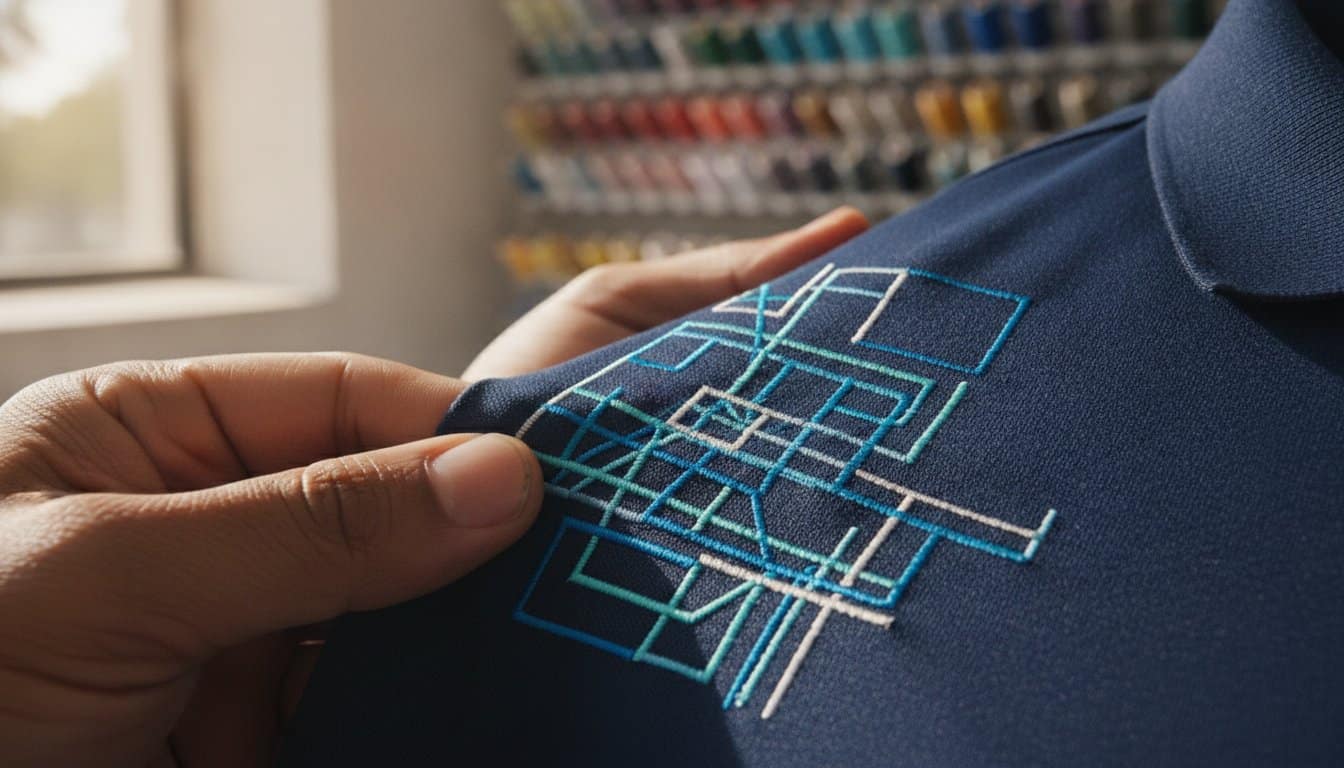
Stitch count refers to the total number of needle penetrations required to complete a specific embroidery design. It is the fundamental metric used to determine both the cost and the final appearance of a garment. This technical foundation of the machine embroidery process dictates how much thread is laid down on the fabric surface. For Miami businesses, understanding this number is the difference between a uniform that looks premium and one that looks unfinished. High-density stitching acts like high-resolution printing for apparel. It fills in the gaps that occur when a machine tries to cover a large area with minimal thread.
Achieving high stitch count embroidery quality is essential for logos that require 100% coverage. When a design lacks sufficient stitches, the underlying fabric color often peeks through the embroidery, a problem known as “grinning.” This makes the branding look cheap and transparent. At our Opa-locka production facility, we evaluate every design based on its complexity and the intended garment. We ensure that the stitch count is high enough to create a solid, opaque finish that elevates the perceived value of your corporate branding. In competitive markets like Downtown Miami and Doral, a substantial, well-stitched logo serves as a silent ambassador for your company’s attention to detail.
The Impact of Stitch Count on Logo Detail
Small text and intricate graphic elements are the first to suffer when stitch counts are too low. For letters smaller than 0.25 inches, high density is required to maintain legibility and prevent the thread from “bleeding” together. Textured fabrics, such as the pique polos common in Miami office environments, present a unique challenge. Thread tends to sink into the open weave of pique fabric. Increasing the stitch count allows for a proper underlay, which acts as a stable floor for the top stitches to sit on. A standard 3-inch logo might look acceptable at 5,000 stitches on a flat t-shirt, but it often requires 12,000 to 15,000 stitches to achieve the same clarity on a textured garment.
Durability in the Miami Climate
Miami’s environment, characterized by an average 70% humidity level and intense UV exposure, demands more from embroidered uniforms. High-density stitching provides superior resistance to the rigors of industrial laundering and daily wear. When stitches are packed tightly, they reinforce each other, making the design less likely to fray or unravel after 40 or 50 wash cycles. Local contractors in Hialeah and Wynwood frequently choose high stitch counts because these uniforms typically last 30% longer than budget-grade alternatives. We also maintain strict thread tension controls during production to ensure that the embroidery remains flat and secure, even in high-moisture conditions.
If you need high-quality branding for your team, visit our local shop to see samples of our work. We provide expert embroidery and printing services for businesses across Miami Dade.
The Technical Difference: Stitch Density vs. Total Stitch Count
Total stitch count is often used as a primary pricing metric, but it does not tell the full story of a garment’s appearance. Stitch density, which measures the distance between individual rows of thread, is the true indicator of coverage. A high total stitch count can still result in a poor-quality design if the stitches are distributed inefficiently or clustered in a way that creates bulk without coverage. To achieve high stitch count embroidery quality, a digitizer must balance the number of stitches with the precise spacing required to create a smooth, opaque surface. If the density is too low, the logo looks “gappy.” If it is too high, the embroidery becomes a stiff, uncomfortable patch that can actually tear the garment.
Professional embroidery relies on “underlay” stitches to provide a stable foundation. Think of underlay as the structural framing of a building. These initial stitches secure the fabric to the stabilizer and provide a raised surface for the final decorative stitches to sit on. Without proper underlay, even a high-density top layer will eventually sink into the fabric or shift during laundering. Following AATCC textile standards for durability ensures that these multi-layered designs maintain their integrity over hundreds of wash cycles. This technical precision is why local Miami businesses trust us to handle complex branding for their workforce.
Digitizing: The Blueprint of Quality
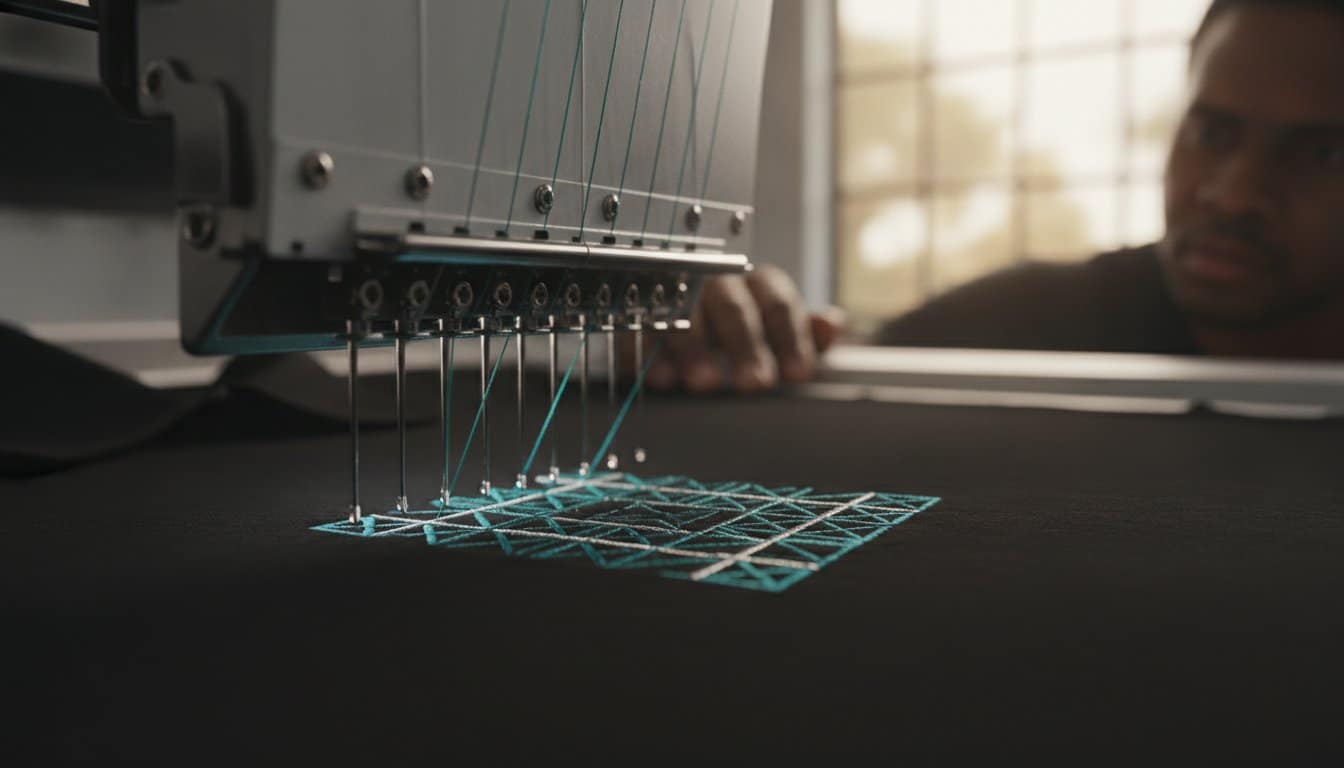
Digitizing is the process of converting a digital image into a path that an embroidery machine can follow. It is not an automated task. High-quality digitizing requires a human expert to account for “push and pull” factors. As the needle penetrates the fabric, the material naturally shifts. Manual digitizers in our Opa-locka facility adjust the stitch direction and length to compensate for these movements. This ensures that circles remain round and borders align perfectly. While many budget shops use auto-digitizing software, this often leads to excessive thread breaks and distorted logos that fail to represent your brand accurately.
Industrial Machinery and Precision
The equipment used to execute a design is just as important as the file itself. We utilize multi-head industrial machines that maintain consistent tension and speed across every garment in an order. This consistency is vital for high-count jobs where a single loose thread can ruin the entire design. We use high-tenacity polyester thread, which is superior to rayon for Miami uniforms because it resists fading from intense Florida UV rays and won’t bleed when exposed to bleach. If you are looking for a reliable partner for your next project, you can explore our embroidery options to see the difference that industrial-grade precision makes for your brand.
Matching Fabric Weight to High-Density Embroidery Designs
High stitch count embroidery quality is fundamentally tied to the weight of the garment. If you place a 20,000-stitch logo on a thin 4-ounce t-shirt, the fabric will inevitably buckle. This is known as the “Pucker Factor.” The weight of the thread exceeds the structural capacity of the knit, causing the material to pull toward the center of the design. In Miami, where humidity often exceeds 70%, damp fabric fibers become even more susceptible to this distortion. Choosing the wrong combination of stitch density and fabric weight results in a uniform that looks wrinkled even after it is ironed.
To avoid these issues, we recommend a fabric weight of at least 220 GSM (Grams per Square Meter) for any design exceeding 15,000 stitches. Heavyweight hoodies, industrial work shirts, and structured jackets are the ideal canvases for these complex logos. For lighter Miami-ready fabrics, our Opa-locka facility uses heavy-duty cut-away stabilizers. This backing material remains permanently attached to the inside of the garment. It provides a rigid foundation that prevents the design from sagging or losing its shape during the high-heat drying cycles common in industrial laundering.
Embroidery on Polos and Corporate Wear
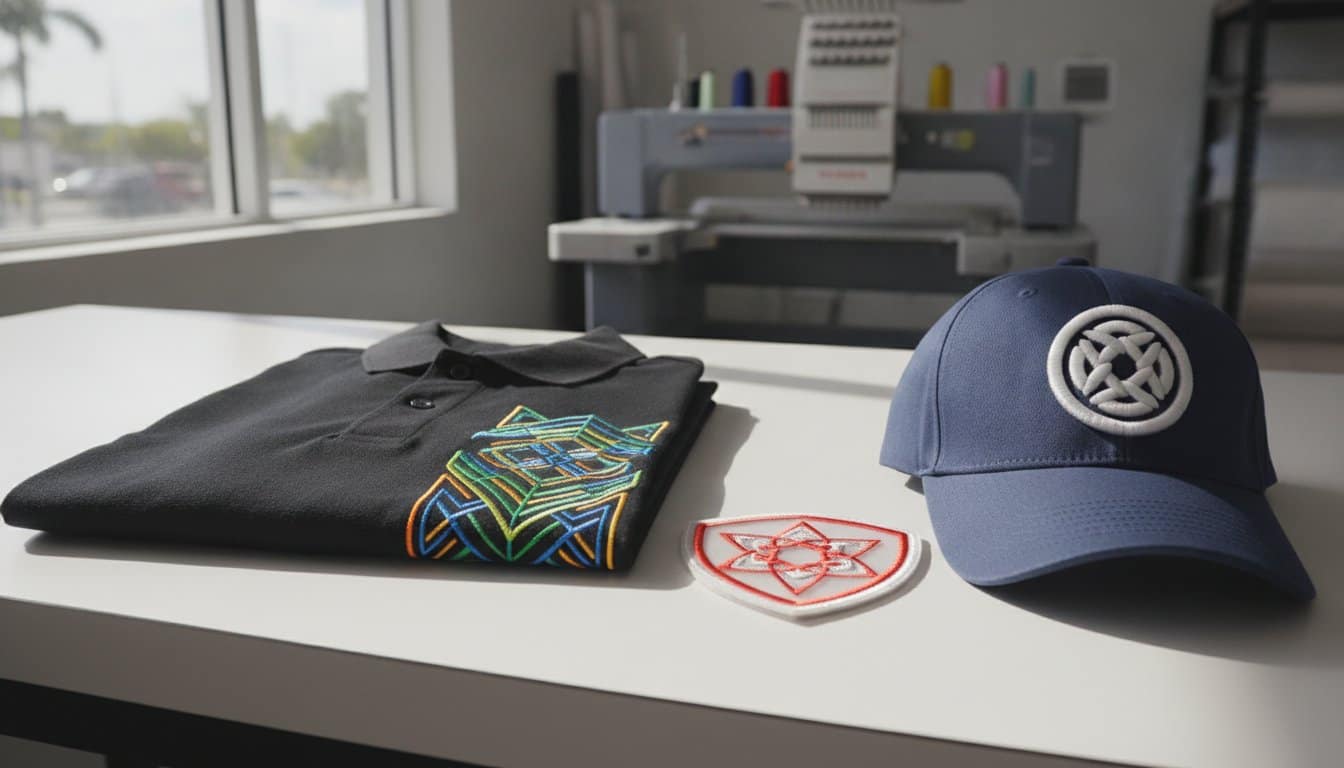
Executive branding requires a balance between breathability and professional appearance. Pique knit polos are the preferred choice for custom stitching in Miami because the honeycomb texture naturally supports higher stitch densities. If your logo requires a raised 3D effect, we use a foam underlay to lift the stitches off the fabric. This technique is particularly effective for corporate uniforms in Doral and Downtown Miami, where a premium, tactile finish helps your team stand out. Jersey knits can also work, but they require a lower stitch density to prevent the “bulletproof” feel of an overly stiff chest logo.
Custom Caps and Structured Headwear
Hats present a unique technical challenge because of their curved surface and thick seams. High-density logos on 6-panel caps must be digitized to “walk” over the center seam without breaking needles or causing thread nests. We adjust the stitch direction to accommodate the structure of the crown. Current trends among Miami businesses favor breathable mesh trucker hats with high-stitch front panels. These provide the necessary airflow for the Florida climate while still offering a rigid surface for complex, colorful branding. Whether you are in Wynwood or Hialeah, we ensure your headwear maintains its shape and professional finish through every shift.
Pricing and Durability: Evaluating Embroidery Quotes in Miami-Dade
Miami embroidery pricing usually follows a “price per 1,000 stitches” model. This transparency is helpful, but only if you know exactly what you are paying for. A low-cost quote often masks a reduction in stitch density. To save on thread and machine time, some shops lower the stitch count, which degrades the high stitch count embroidery quality you expect. You end up with a logo that looks “gappy” and fails after a few months of industrial laundering. This results in brand damage, as your team appears unprofessional in front of clients.
Always ask your provider for a digital stitch count estimate before production begins. A professional digitizing file provides an exact count. If a competitor’s quote is significantly lower, they’re likely using fewer stitches or lower-grade thread. Poor-quality thread breaks easily and fades under the intense Miami sun. This leads to a faster replacement cycle, which costs your business more in the long run. In areas like Doral and Downtown Miami, where corporate image is everything, a thin logo is a liability you can’t afford.
ROI of High-Quality Stitching
Investing in higher stitch counts is a strategic move for local firms that prioritize long-term value. Construction companies in Hialeah and landscaping crews in Opa-locka require uniforms that withstand daily friction and sweat. While a high-density logo costs more upfront, the cost-per-wear is lower because the garment lasts twice as long. A hospitality group in Wynwood recently upgraded their uniform quality by switching to high-density stitching. They reported a 25% reduction in their annual apparel spend because they no longer had to replace frayed shirts every three months.
Same-Day and Fast Turnaround Considerations
Speed is a priority at our Opa-locka facility, but high-density designs require more machine time. A design with 15,000 stitches takes three times longer to sew than one with 5,000 stitches. For same-day orders, we prioritize efficiency without compromising the integrity of the design. We often recommend a “strike-off” or sample run for complex logos. This ensures the high stitch count embroidery quality meets your standards before we run the full order. If you need reliable branding delivered quickly, you can get an accurate embroidery quote through our online portal or visit us in person.
Professional Embroidery Services in Opa-locka: The Captain Printing Advantage
Captain Printing operates a dedicated production facility at 13680 NW 19th Ave in Opa-locka. We bridge the gap between digital speed and traditional craftsmanship. Our experts know that high stitch count embroidery quality is a functional requirement for Miami businesses that can’t afford frequent uniform replacements. In-house production lets us control every variable from initial digitizing to the final needle penetration. This local presence allows us to serve Hialeah, Doral, and Downtown Miami with a level of accountability and speed that national online-only retailers cannot match.
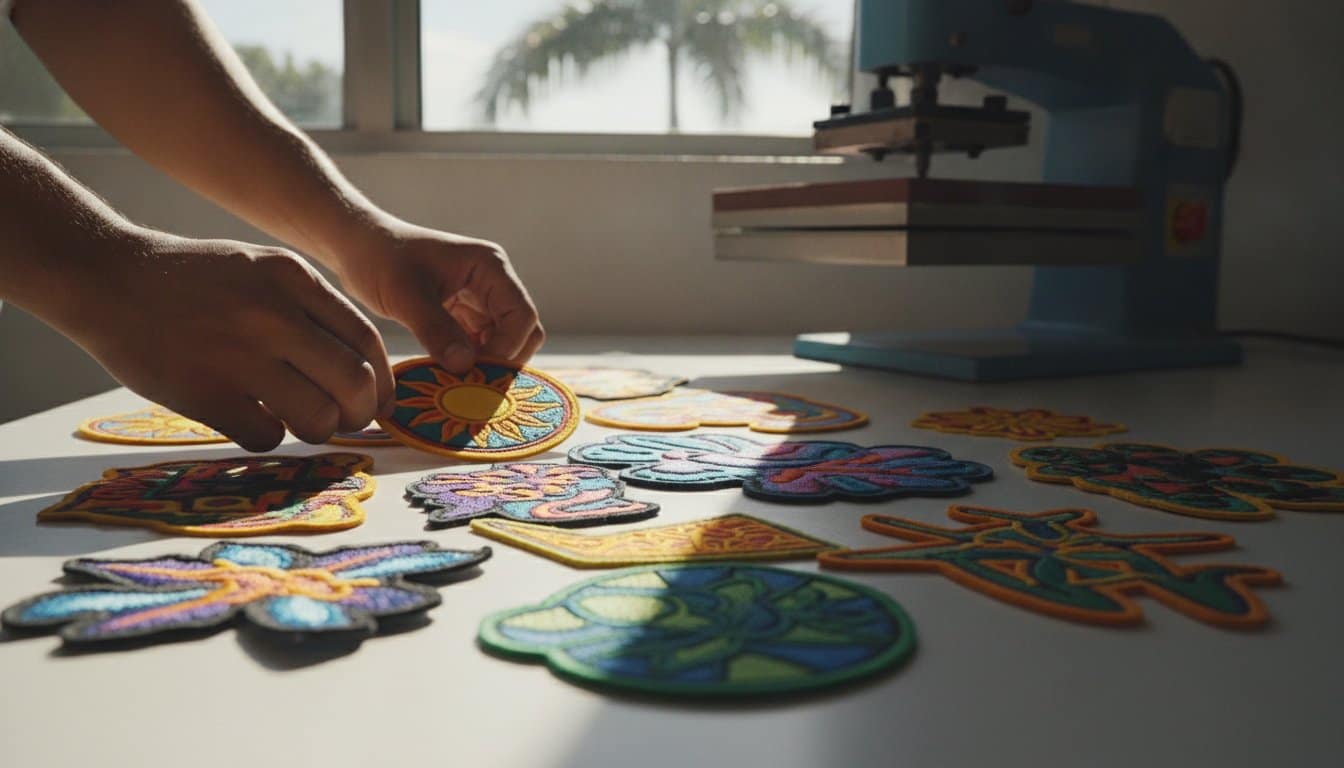
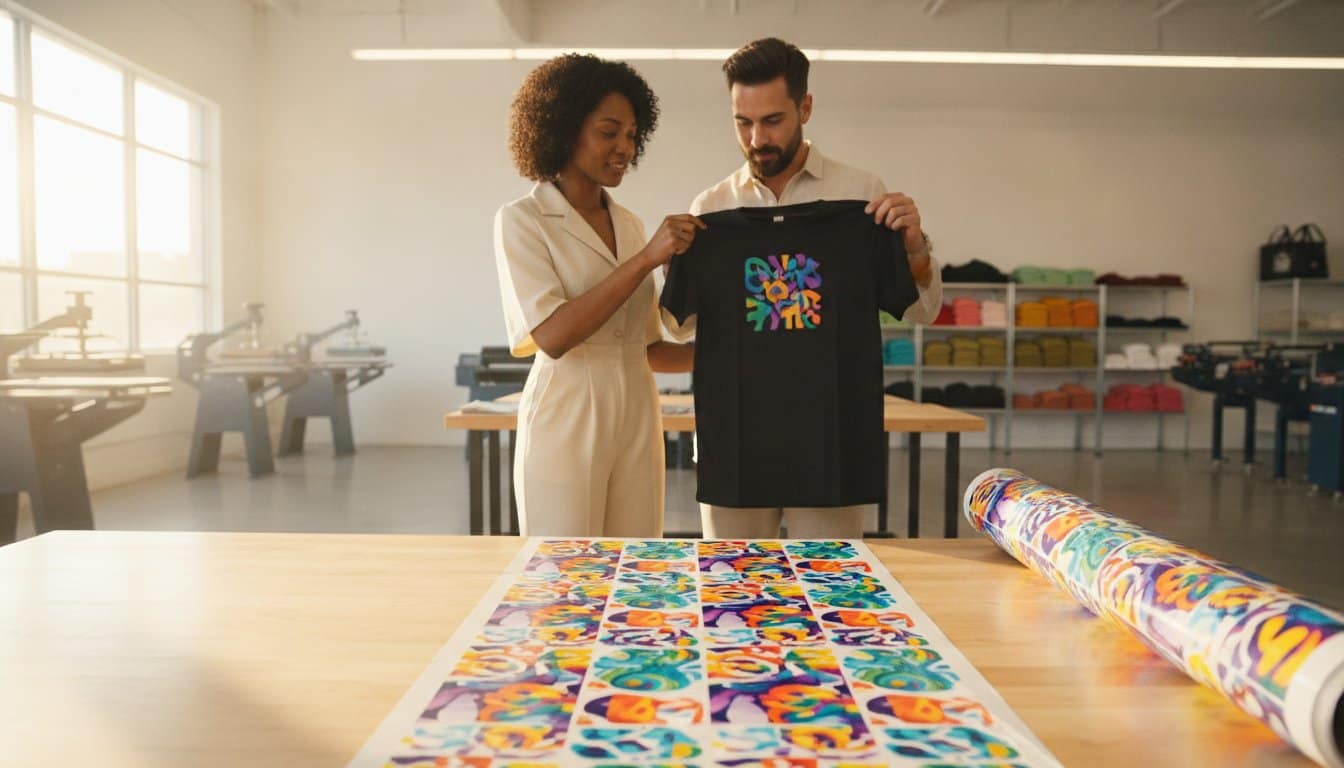
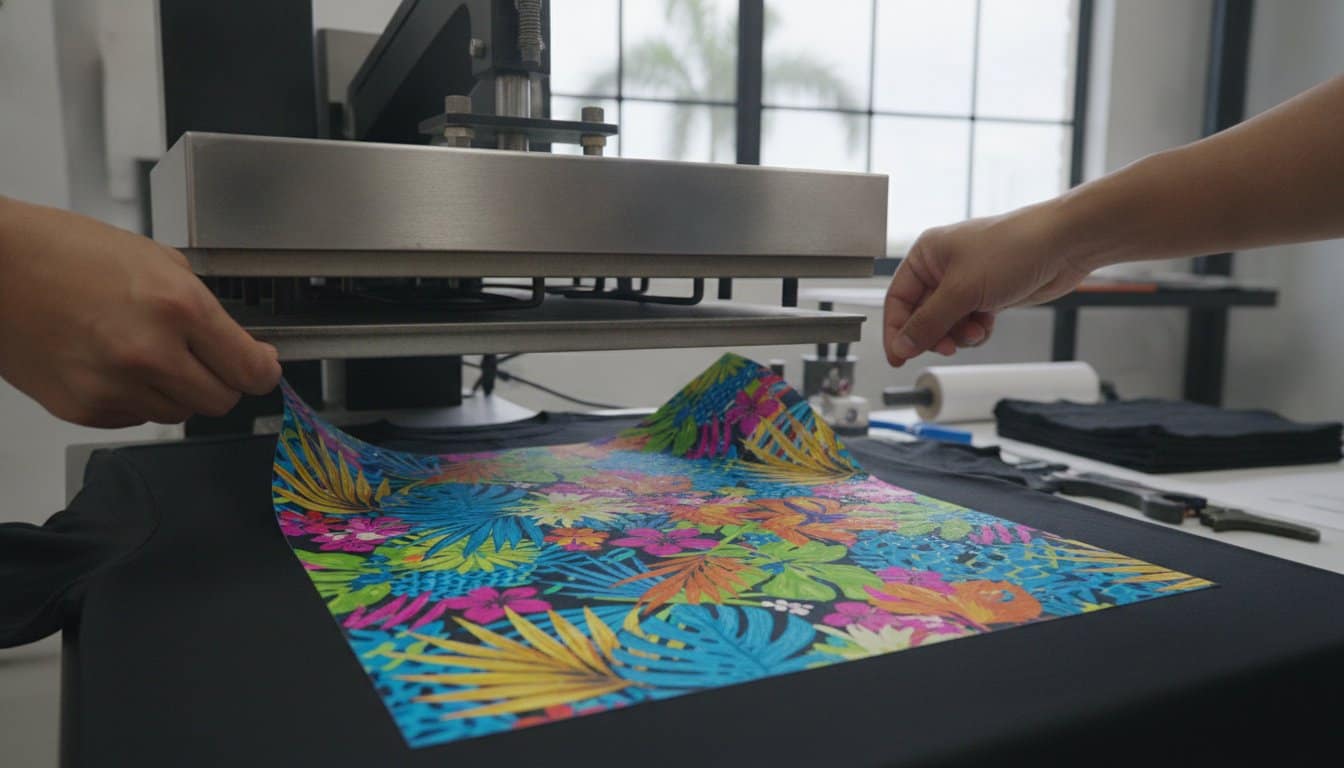
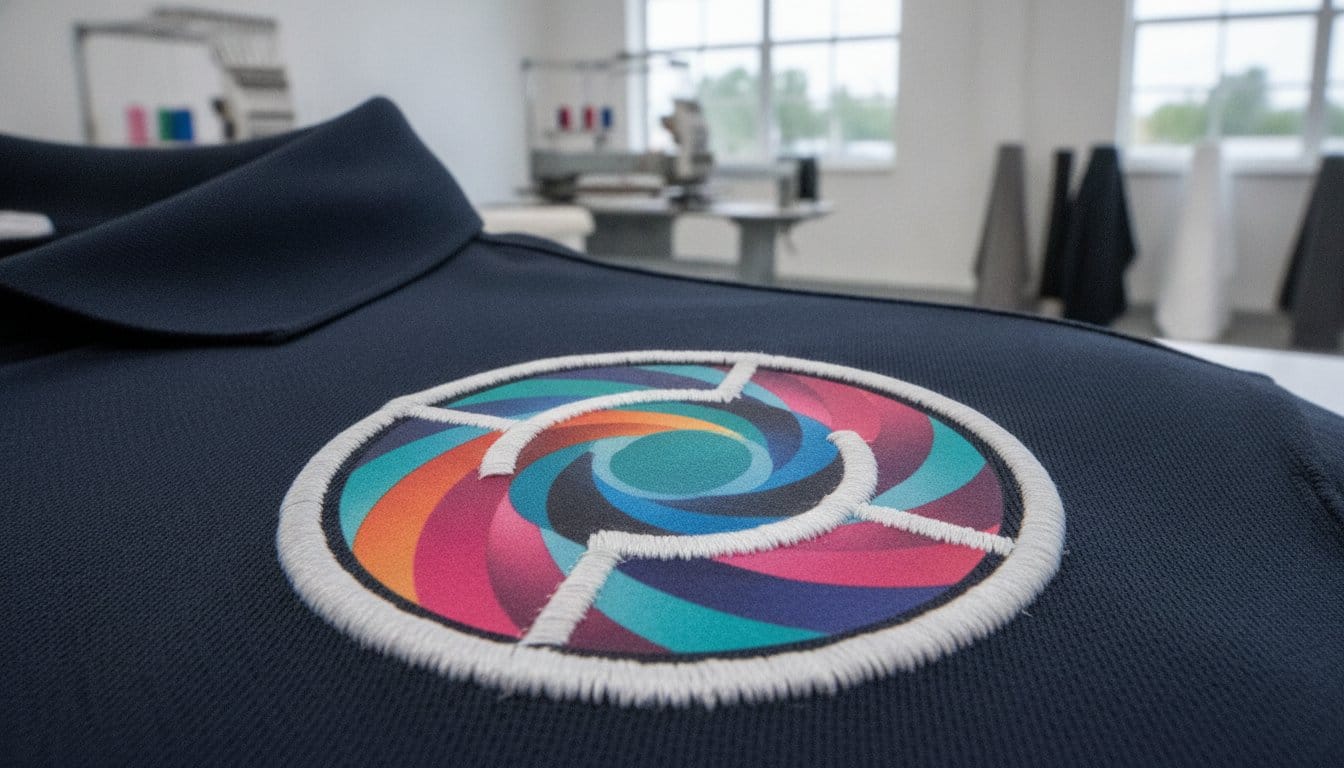
We frequently combine premium embroidery with DTF transfers to create mixed-media apparel. This is a modern solution for complex logos that feature gradients or photographic elements that traditional thread cannot replicate. By using a high-density embroidered border around a vibrant DTF center, you get the structural durability of stitching with the unlimited detail of digital printing. It’s a versatile approach that ensures your branding remains sharp regardless of design complexity.
Custom Uniform Solutions for Local Industries
Miami’s marine, hospitality, and construction sectors face unique environmental stressors. We provide tailored embroidery solutions that account for salt air exposure and high-heat industrial laundering. For schools and sports teams across Miami-Dade, we manage bulk orders with the same precision as a single executive polo. Our Opa-locka hub supports local pickup for urgent needs and offers fast shipping for corporate orders across South Florida. We prioritize efficiency to keep your team looking professional without long lead times.
Getting Started with Your High-Density Project
The first step toward a professional uniform is a technical stitch count analysis. You can upload your logo directly to our portal for a review by our digitizing team. We will determine if your design is best suited for premium embroidery or if using gang sheets for DTF printing is a more effective choice for your specific fabric. We guide you through the garment selection process to ensure the final product meets the standards of high stitch count embroidery quality. Whether you need 12 shirts or 1,200, we provide the expert guidance required for a successful project.
Visit our local store in Opa-locka or start your order online today for unmatched Miami quality and same-day service capabilities.
Phone: +1 (305) 930-4700 | Address: 13680 NW 19th Ave, Unit 1B, Opa-locka, FL 33054 | Email: [email protected]
Secure Your Brand with High-Density Embroidery
Investing in high-density stitching is a strategic decision for any Miami business prioritizing brand longevity. You now understand that high stitch count embroidery quality relies on precise digitizing and matching the design density to the weight of your garment. By avoiding low-density designs and choosing structured fabrics like 220 GSM polos or heavy-duty caps, you ensure your uniforms withstand the daily rigors of the South Florida climate. This approach maximizes your ROI by extending the replacement cycle of your team’s apparel.
Captain Printing provides the technical expertise needed to execute these complex projects at our local Opa-locka production facility. We include expert logo digitizing with our services to guarantee that every needle penetration serves a structural purpose. If you need a fast turnaround, our same-day options for local Miami businesses keep your team equipped without delay. Whether you operate in Doral, Hialeah, or Downtown Miami, we are your reliable partner for professional apparel. Let’s get your project started today.
Order Professional Custom Embroidery in Miami Today
Phone: +1 (305) 930-4700 | Address: 13680 NW 19th Ave, Unit 1B, Opa-locka, FL 33054 | Email: [email protected]
Frequently Asked Questions
What is considered a high stitch count for a standard left-chest logo?
A high stitch count for a standard 3.5-inch left-chest logo typically ranges between 8,000 and 12,000 stitches. Most basic logos use approximately 5,000 stitches for minimal coverage. Moving into the 10,000+ range ensures a solid, opaque finish that eliminates fabric show-through. This level of detail is necessary for intricate corporate branding seen in the professional districts of Downtown Miami and Doral.
How does stitch count affect the price of my embroidery order in Miami?
Stitch count is the primary factor in embroidery pricing across Miami-Dade because most local shops utilize a tiered model based on every 1,000 stitches. This rate covers the cost of thread and the machine time required for production. Since a 15,000-stitch design takes three times longer to sew than a 5,000-stitch design, the price scales to reflect the increased labor and material usage required for the job.
Can any logo be converted into a high-density embroidery design?
Most logos can be converted, but some complex graphics require technical adjustments to maintain high stitch count embroidery quality. Designs with very small text or photographic gradients may need simplification or a combination with DTF transfers for clarity. Our Opa-locka digitizers review every file to ensure the stitch path is efficient and accounts for fabric pull, keeping your branding perfectly aligned.
Will a high stitch count make my shirt feel heavy or uncomfortable in the Miami heat?
A high stitch count won’t feel uncomfortable if it’s matched with the correct fabric weight and stabilizer. Placing a dense, 15,000-stitch design on a lightweight 4-ounce t-shirt creates a stiff, unbreathable patch. However, using 220 GSM pique polos or structured work shirts allows the garment to support the thread weight comfortably. This balance is critical for outdoor workers in Hialeah who need both durability and airflow.
How do I know if a Miami print shop is using high-quality thread?
Look for high-tenacity polyester thread which offers superior UV resistance and colorfastness in the Florida sun. You can identify quality thread by its consistent sheen and its resistance to fraying after 30 or more industrial washes. We use premium polyester because it doesn’t bleed when exposed to bleach or intense sunlight. Ask your Miami provider for thread specifications to ensure your uniforms don’t fade prematurely.
What happens if the stitch density is too high for the fabric?
Excessive stitch density causes fabric puckering and can lead to thread tangles, often called “bird-nesting,” under the needle. If the stitches are packed too tightly for the fabric’s weave, the needle can actually cut the fibers, creating permanent holes around the embroidery. Proper digitizing ensures that density is high enough for coverage but spaced correctly to maintain high stitch count embroidery quality without damaging the garment.
Is there a minimum order for high stitch count embroidery at Captain Printing?
We offer embroidery services with no minimum order requirements for local Miami businesses and contractors. Whether you need a single prototype for a new brand in Wynwood or 500 uniforms for a construction firm in Doral, we can accommodate the order. Bulk orders receive tiered pricing based on the total stitch count and quantity. This flexibility helps small businesses maintain professional standards without excessive upfront costs.
How long does a high-density embroidery job typically take to produce?
Production time depends on the design complexity, but most high-density jobs are completed within 3 to 5 business days. A single embroidery head can sew approximately 600 to 1,000 stitches per minute. For urgent needs, we offer 48-hour rush services and same-day options at our Opa-locka facility. We recommend a sample strike-off for designs exceeding 15,000 stitches to ensure quality before we start the full production run.
Phone: +1 (305) 930-4700 | Address: 13680 NW 19th Ave, Unit 1B, Opa-locka, FL 33054 | Email: [email protected]