Blog
Choosing the Right Apparel for Printing: A 2026 Professional Guide

Did you know that 65% of small businesses in Doral and Hialeah have recently pivoted away from traditional screen printing for smaller batches? This shift toward more flexible methods makes choosing the right apparel for printing a critical decision for your brand’s longevity. You understand that a cheap shirt isn’t a bargain if the logo peels after one wash or if the fabric is too heavy for the intense Miami humidity.
It’s frustrating when embroidery puckers or a print fades before the first event is even over. This guide helps you avoid those pitfalls by matching specific fabric fibers with the right production techniques. You’ll learn how to select breathable, retail-quality garments that hold up in the South Florida heat while maintaining a professional look. We’ll cover everything from fabric weights to the best materials for DTF and custom embroidery to ensure your merchandise stays durable and sharp.
Key Takeaways
- Learn why matching specific fabric fibers to the correct ink type is the only way to prevent peeling and fading over time.
- Master the process of choosing the right apparel for printing by evaluating fabric weight and weave smoothness for high-detail results.
- Discover which lightweight, breathable materials are best suited for the Miami humidity to keep your team comfortable in Doral or Wynwood.
- Identify technical garment features like side-seam construction that ensure your custom uniforms maintain their shape after repeated laundering.
- Understand how selecting locally stocked apparel enables same-day printing and faster turnaround times for your Miami business events.
Understanding Fabric Composition and Print Compatibility
Success in custom production starts with the chemistry between ink and fiber. Choosing the right apparel for printing requires a technical understanding of the three main fabric categories: natural fibers, synthetics, and blends. Natural fibers like 100% cotton absorb water-based inks deeply, creating a soft hand feel. Synthetics like polyester require specific temperature controls because they don’t absorb ink; instead, the ink sits on top of the fibers. Blends, such as the popular 60/40 cotton-polyester mix, offer a compromise that works well for various textile printing methods used in high-volume production.
In 2026, the ideal fabric weight for Miami businesses has shifted toward lighter, breathable options. For standard t-shirt printing services in tropical climates like Miami Dade, look for a fabric weight between 145 and 155 GSM (approximately 4.3 to 4.5 oz). This weight provides enough density for a durable print without becoming too heavy for outdoor use in Doral or Opa-locka. Choosing the right apparel for printing also means considering how the garment weight affects the wearer’s comfort during peak summer humidity.
Polyester fabrics present a specific challenge known as dye migration. During high-heat applications, the dye in the polyester fibers can turn into a gas and bleed into your print, turning a white logo into a dull pink or grey. Professional setups use low-bleed inks or specific DTF transfers designed to block this migration on athletic wear and high-visibility safety vests. Managing this risk is essential for maintaining brand colors on performance fabrics.
The Role of Cotton in DTF and Traditional Printing
100% ring-spun cotton is the industry standard for achieving the smoothest possible surface. Unlike regular carded cotton, ring-spun fibers are twisted and thinned, which reduces the “fuzz” or pilling that can cause a print to look textured or uneven. This smooth surface is essential for high-quality DTF transfers because it allows the adhesive to bond uniformly. Always verify that your cotton garments are pre-shrunk to prevent your design from distorting or cracking after the first laundry cycle.
Polyester and Performance Fabrics
Athletic wear and moisture-wicking shirts are essential for Miami contractors and sports teams. Printing on these requires managing heat sensitivity. If the press temperature is too high, the fabric may “scorch” or develop a permanent shiny ring. Many businesses in Hialeah prefer 50/50 blends for their staff uniforms. These garments combine the breathability of cotton with the durability and wrinkle resistance of polyester, making them a reliable choice for long-term wear in humid conditions.
Matching Printing Techniques to Garment Types
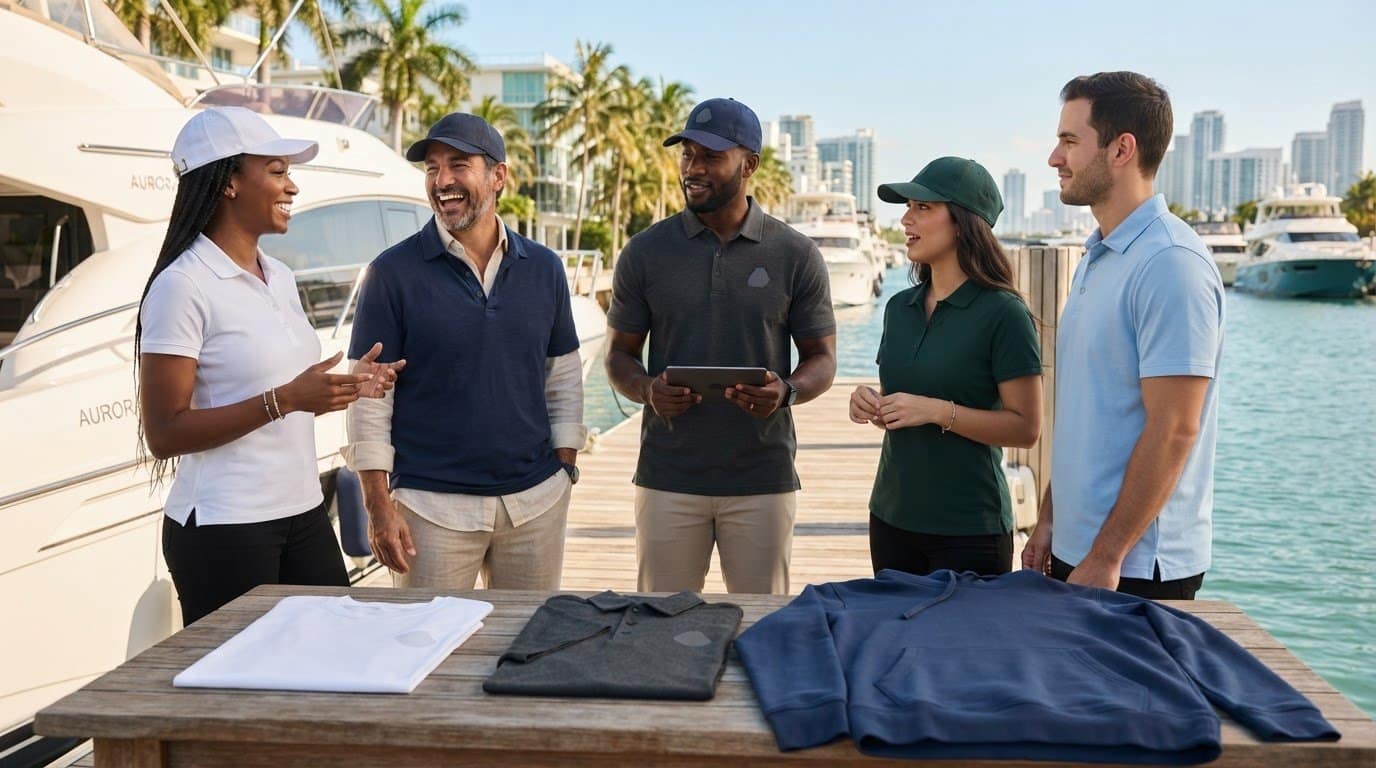
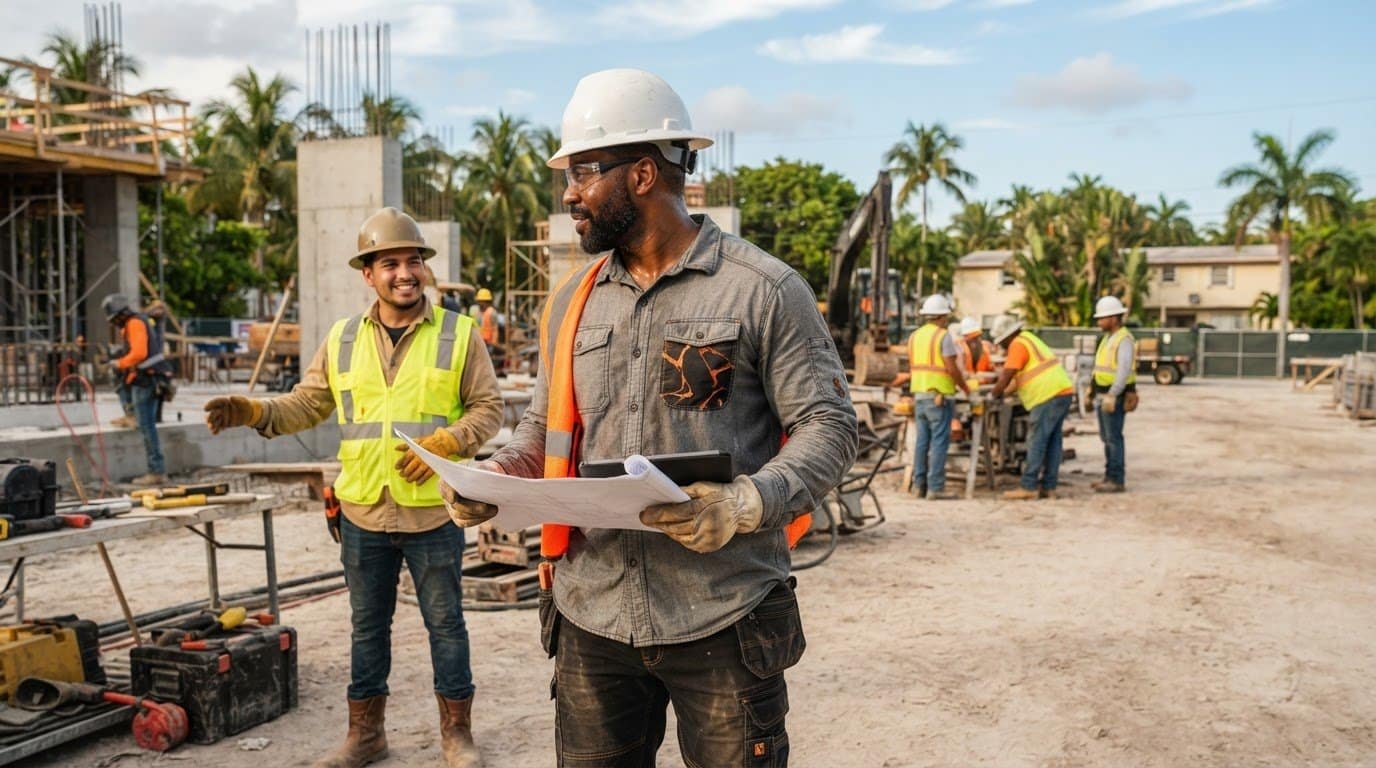
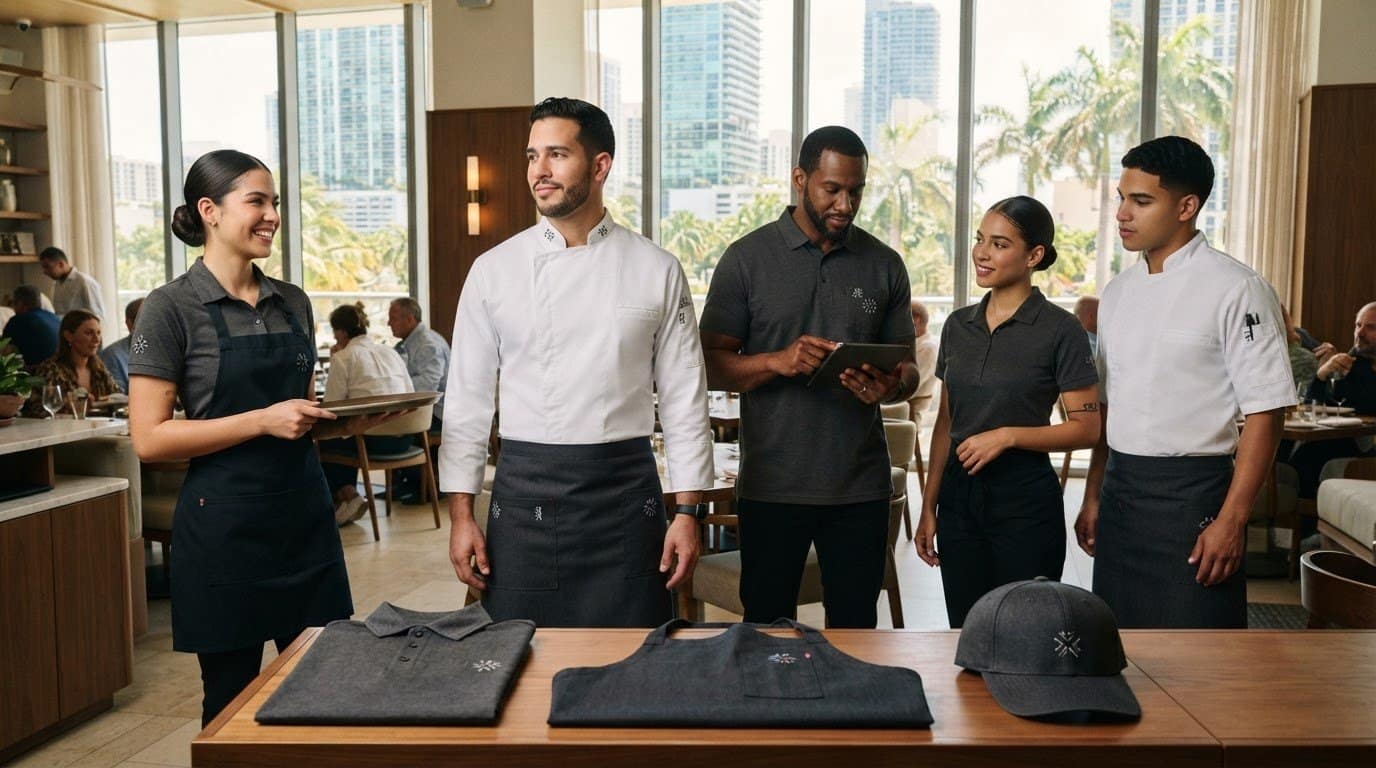
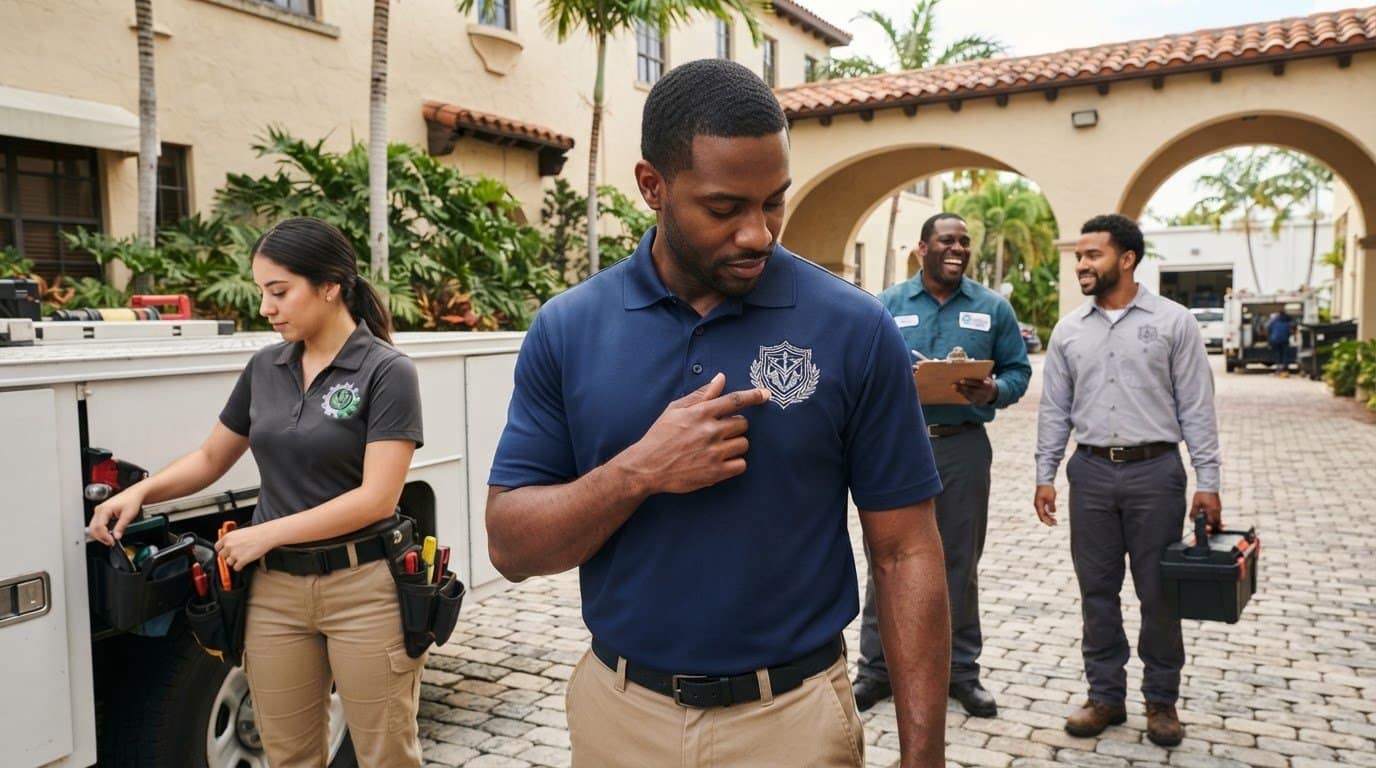
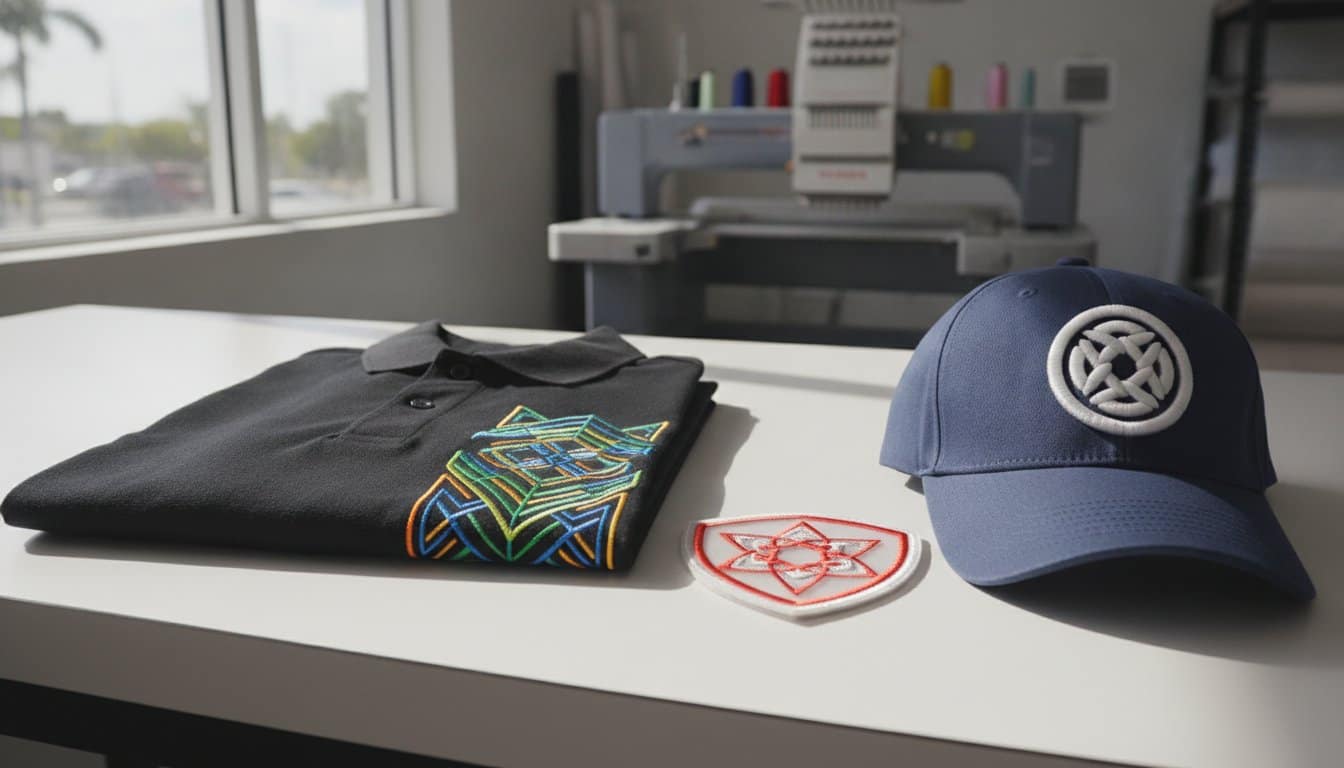
Choosing the right apparel for printing depends heavily on the final application of the garment. For corporate uniforms in Miami, the standard is often a high-quality polo with custom embroidery. However, for retail merchandise or promotional event shirts in Wynwood, DTF transfers offer the best results for vibrant, multi-color graphics. You must match the physical properties of the fabric to the mechanical stress of the decoration process. Heavy-duty workwear used by construction crews in Doral requires thick thread and deep needle penetration, while lightweight event tees need a decoration method that won’t weigh down the fabric.
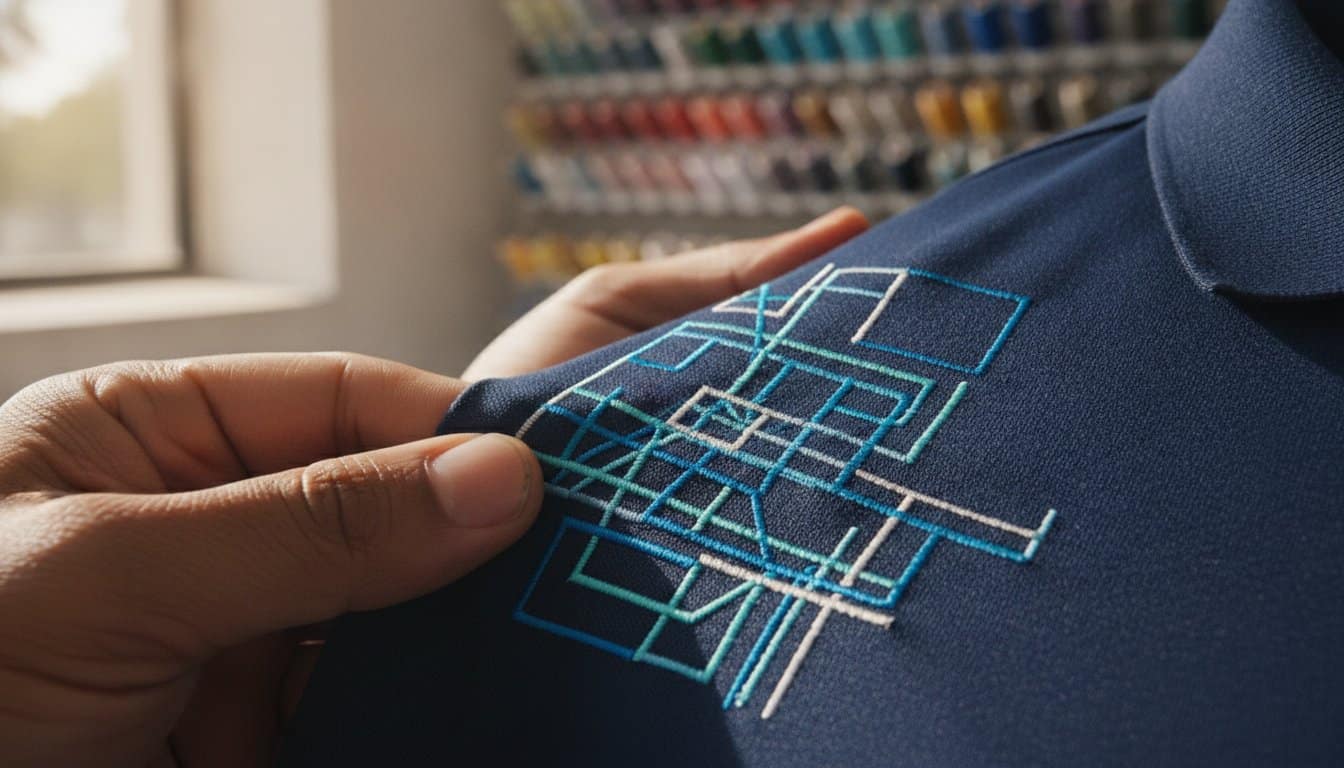
Technical research into Fabric properties and print quality shows that yarn count and weave density directly affect how well an image stays sharp. If you choose a fabric that is too thin for your design’s stitch count, the garment will pull and pucker around the edges of the logo. This is a common mistake when ordering professional business polos for South Florida’s heat. When choosing the right apparel for printing, you need a fabric heavy enough to support the thread but light enough for breathability.
When to Choose DTF Transfers
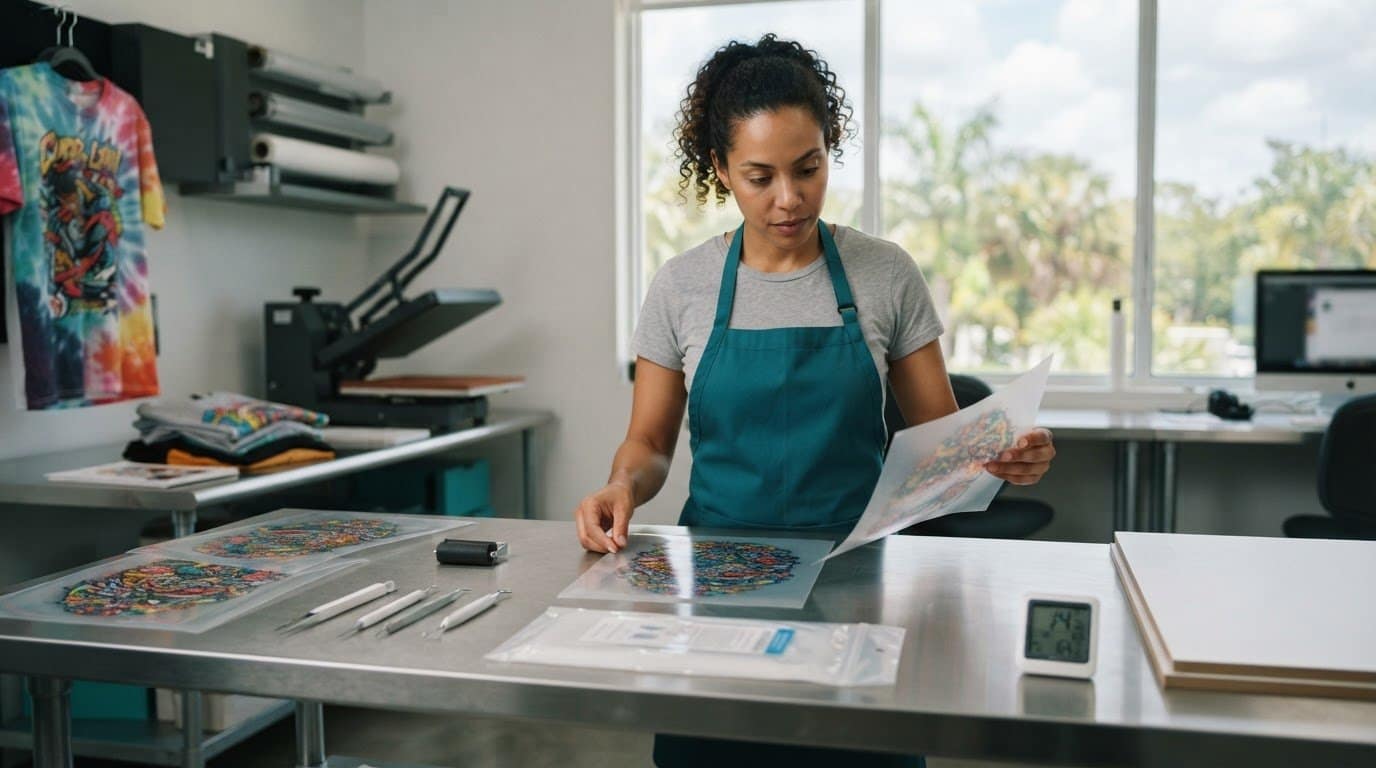
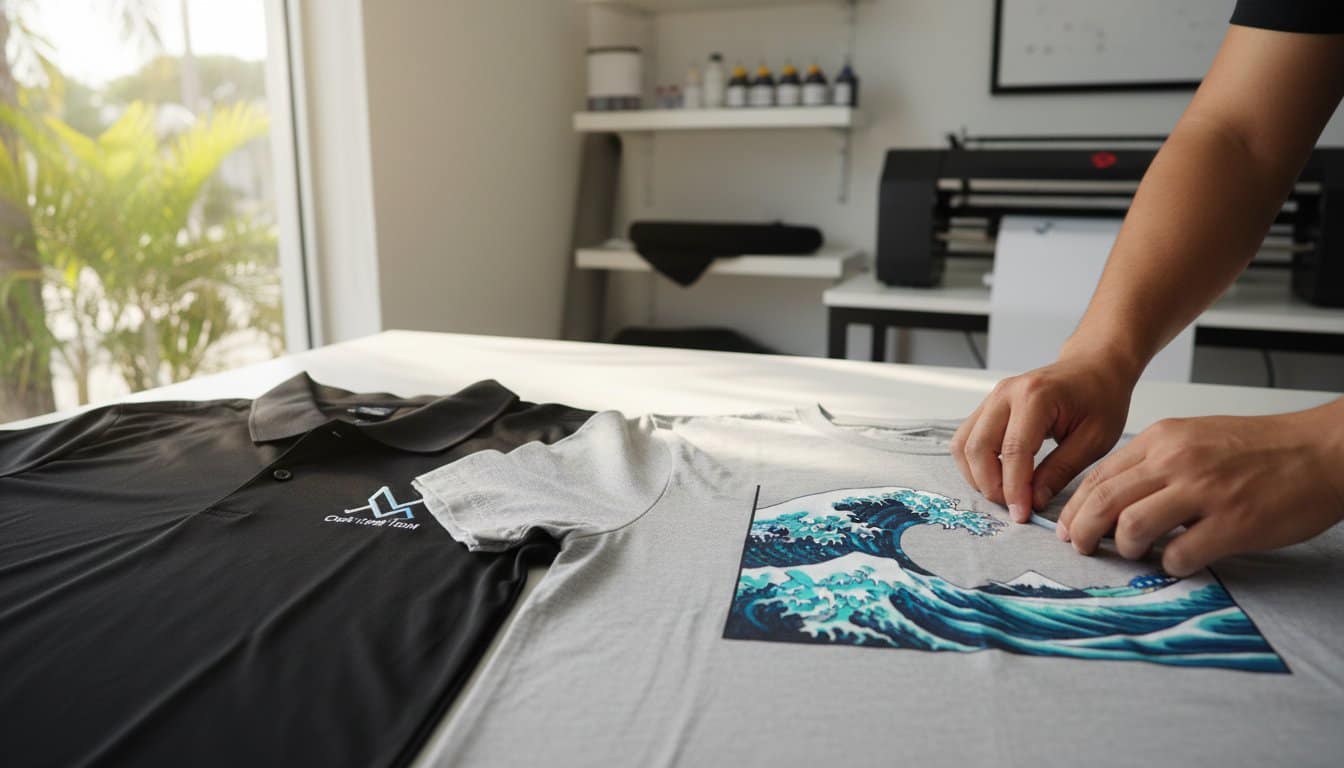
DTF is incredibly versatile for complex designs on t-shirts, hoodies, and canvas bags. It handles difficult placements that traditional screen printing can’t reach, such as sleeve cuffs or interior neck labels. By using gang sheets, you can print multiple designs for different garment types simultaneously. This efficiency is why many Miami businesses choose this path for fast-turnaround projects. If you need high-detail graphics on varied materials, DTF printing Miami is the most cost-effective solution.
Selecting Apparel for Professional Embroidery
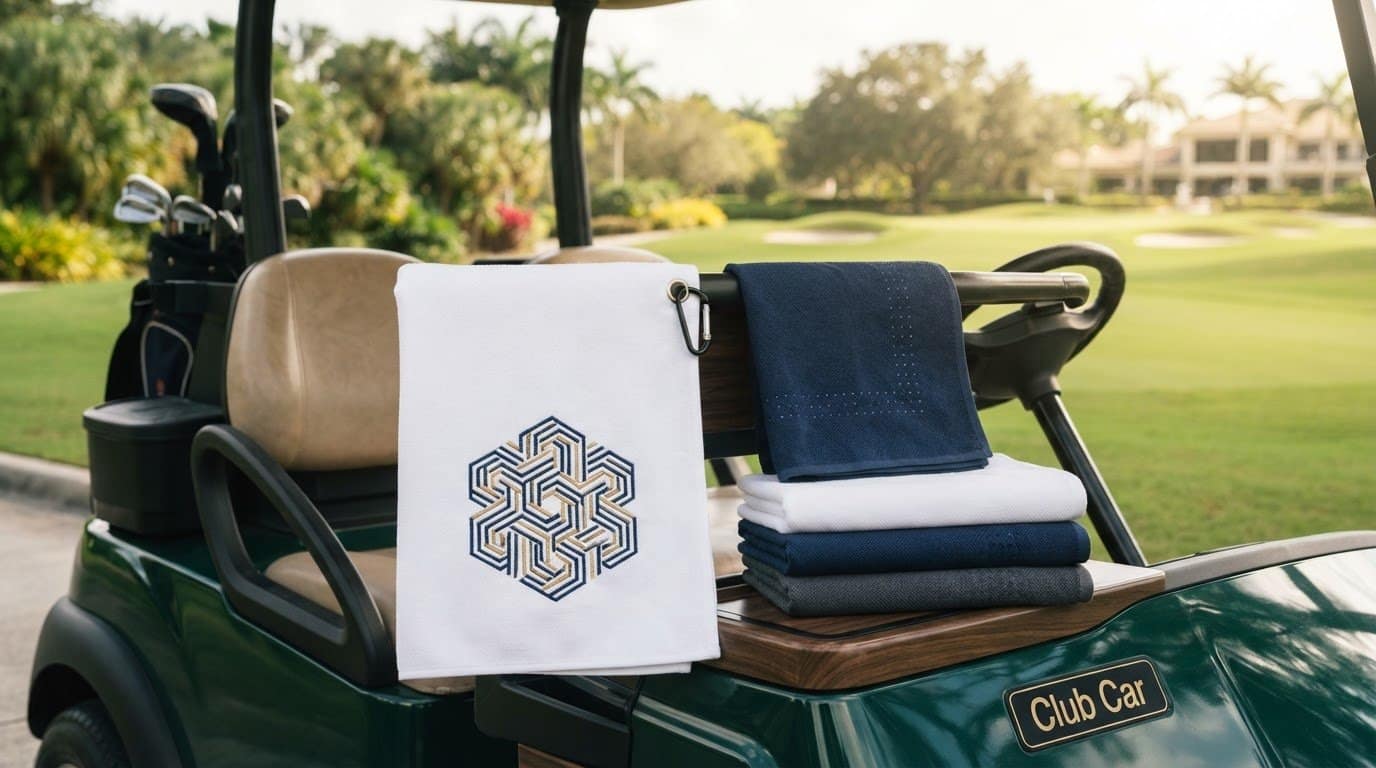
Professional embroidery requires apparel with enough structure to withstand the tension of the hoop and needle. For hats, you’ll choose between structured and unstructured caps. Structured caps have a reinforced front panel, making them ideal for bold, centered logos. Unstructured caps offer a more relaxed fit but require careful logo digitizing to prevent the fabric from shifting. Heavy-duty outerwear and canvas jackets are the best candidates for custom stitching because their thick fibers hold the thread securely without distorting the garment’s shape.
Selecting Apparel for the Miami Climate and Local Conditions
Miami’s humidity changes the physics of how a garment feels once it’s decorated. If you select a heavy 6.0 oz cotton shirt and apply a thick plastisol print, you’ve essentially created a non-breathable plastic barrier against the skin. This leads to discomfort and sweat buildup. Choosing the right apparel for printing in South Florida requires a focus on moisture management. For businesses in Doral or Hialeah where outdoor work is the norm, we recommend lightweight fabrics that allow for maximum airflow while maintaining a professional appearance.
Technical bulletins like Cotton Incorporated’s guide to textile printing highlight how fabric construction influences performance. In Miami, the “Goldilocks” weight for a standard t-shirt is typically 4.2 oz. This weight is light enough for the heat but substantial enough to support high-quality DTF transfers without the fabric sagging. For corporate environments in Downtown Miami, a pique knit polo offers better ventilation than a flat jersey knit. This keeps staff cool during outdoor meetings or commutes.
Breathability and Comfort for South Florida
Lightweight 4.2 oz ring-spun cotton remains the top choice for promotional events in Wynwood. It offers a soft texture and high breathability. For even better performance, tri-blends (cotton, polyester, and rayon) provide a silky feel that doesn’t cling to the body in humid conditions. If your team needs professional printing services for all-day wear, tri-blends offer superior comfort. Pique fabrics are the preferred choice for breathable corporate polos because their open-knit structure allows heat to escape.
Durability for Local Industries
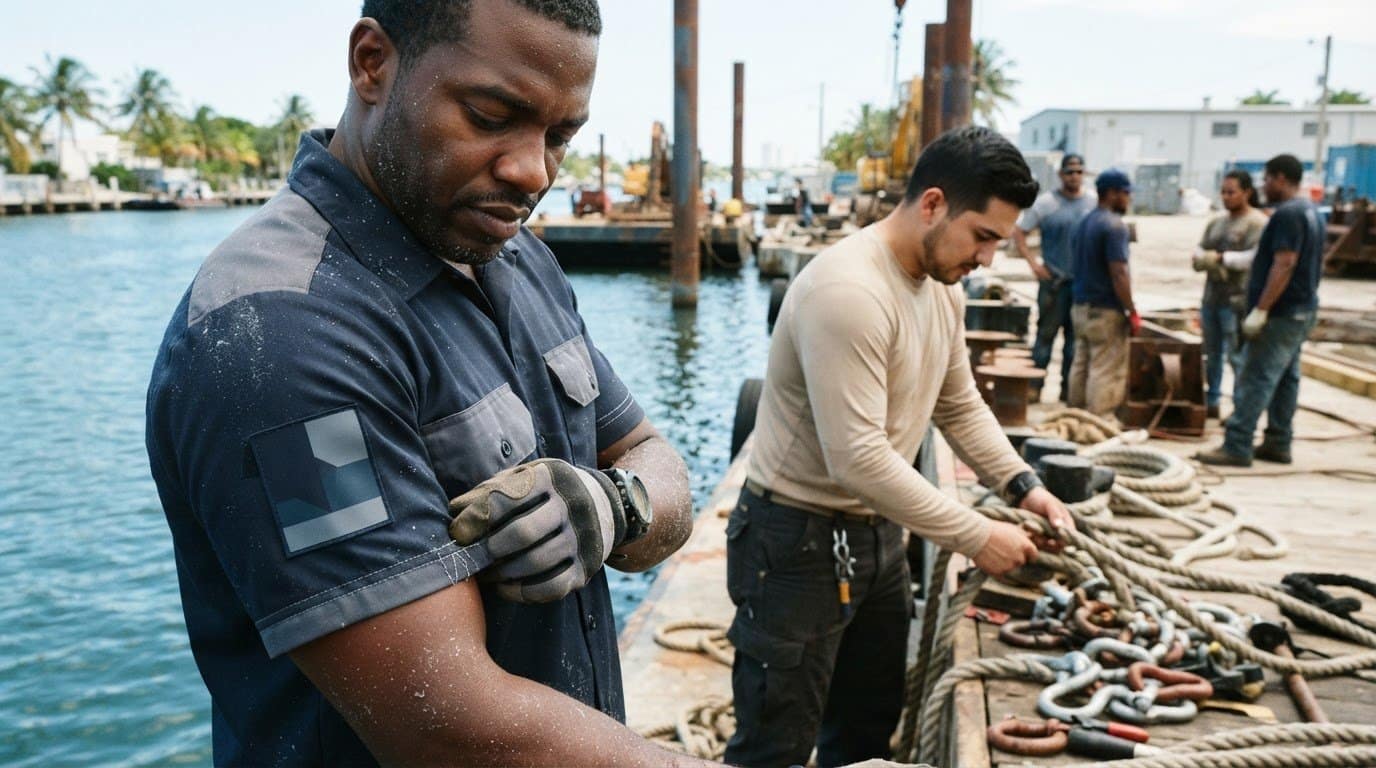
Construction and landscaping crews in Miami-Dade require more than just breathability. They need heavy-duty blanks that withstand daily wear and tear. Choosing the right apparel for printing for these sectors involves selecting high-visibility polyester or durable cotton-poly blends that resist snags. For the hospitality sector in Wynwood or Downtown, stain-resistant fabrics are a must. Additionally, apparel used near the coast must have high colorfastness to prevent the salt-air from bleaching the fabric. This ensures your gang sheet designs stay vibrant and professional for much longer.
Checklist for Choosing High-Performance Blank Apparel
Choosing the right apparel for printing involves more than just picking a color. You must inspect the physical construction of the garment to ensure it can withstand the heat and pressure of the production process. A high-performance blank serves as the foundation for your brand. If the garment is poorly constructed, even the best DTF transfers won’t save the final product from looking unprofessional after a few washes.
Start your technical inspection by looking at the seams. Side-seamed garments are the professional choice for retail-quality merchandise in Wynwood and Downtown Miami. These shirts are constructed from two main panels, which ensures the garment hangs straight and maintains its shape. Tubular construction is often cheaper but carries a high risk of “torquing.” This is when the shirt twists after washing, causing your centered logo to end up near the wearer’s hip. When choosing the right apparel for printing, verify that the manufacturer maintains strict dye-lot standards to ensure color consistency across a bulk order of 500 or more units.
Surface smoothness is another critical factor for detail. A tight, compact weave prevents the ink or adhesive from sinking too deep into the fibers. This is especially important for DTF gang sheet printing where fine lines and small text are common. For local Miami brands, tear-away labels are an essential feature. They allow you to remove the manufacturer’s tag easily and screen print your own logo inside the neck, providing a fully custom, high-end feel for your customers.
Evaluating Garment Fit and Sizing
Understand the difference between “Retail Fit” and “Standard Fit” before placing a large order. Retail fit is typically slimmer and more contoured, which is popular for gym wear and fashion brands in Doral. Standard fit is boxier and more forgiving, making it the better choice for custom uniforms Miami programs where you need to accommodate a wide range of body types. Don’t forget to account for shrinkage in 100% natural fibers. Even pre-shrunk cotton can lose up to 5% of its size if dried on high heat.
Quality Control for Bulk Orders
Perform a “stretch test” on your samples before approving a full run. Pull the fabric firmly to see if the print cracks or if the adhesive pulls away. For high-quality results in Hialeah or Opa-locka, identify “low-lint” fabrics. These materials have fewer loose fibers, which significantly improves the clarity of your prints. If you’re planning for high-density embroidery Miami, verify the thread count of the base fabric. A flimsy material won’t support the weight of a heavy stitch count, leading to unsightly puckering around your logo.
Ensure your next project meets professional standards by selecting the best materials for your specific needs. If you’re ready to start your production, you can order custom uniforms Miami with our expert team today.
Professional Printing and Fast Fulfillment in Miami
Choosing the right apparel for printing is a logistical strategy that directly impacts your production timeline. At Captain Printing, we’ve found that Miami businesses often need high-quality results on short notice. By selecting compatible fabrics that match our local production capabilities, you eliminate the wait times associated with sourcing blanks from distant warehouses. This synergy between proper garment selection and our local facility is what makes same day printing Miami a reality for your brand.
Our expertise as a local provider means we understand the specific needs of South Florida companies. Whether you’re preparing for a trade show in Downtown Miami or updating staff kits in Doral, the combination of high-quality blanks and professional printing services ensures your gear looks retail-ready. When you follow the technical guidelines for choosing the right apparel for printing, you allow our equipment to run at peak efficiency, resulting in sharper details and more durable bonds.
Same-Day Printing and Local Pickup
Our Opa-locka facility is optimized to handle rush orders for events and corporate needs. We provide local accountability that national online-only vendors can’t match. You can streamline your entire workflow by using our online gang sheet builder to organize your designs before submission. Once your order is processed, skip the shipping delays by choosing local pickup at our storefront. This is the fastest way to secure custom uniforms Miami businesses trust for their daily operations.
Your Local Partner for Custom Apparel
We proudly serve Doral, Hialeah, Wynwood, and the greater Miami-Dade area with reliable production standards. If you’re unsure about a specific material, our team provides expert advice on garment selection right at our Opa-locka location. We help you verify fabric compatibility for DTF transfers Miami or high-density embroidery before you commit to a bulk run. Visit us today to see physical samples or place your order online to experience professional results with local speed.
Phone: +1 (305) 930-4700 | Address: 13680 NW 19th Ave, Unit 1B, Opa-locka, FL 33054 | Email: [email protected]
Master Your Custom Apparel Strategy
Choosing the right apparel for printing ensures your brand looks professional and your team stays comfortable in the South Florida heat. You now understand how to match fabric fibers with specific decoration methods and how to inspect blank apparel for long-term durability. These technical decisions prevent common issues like peeling prints or puckered embroidery that can ruin a bulk order. By focusing on breathable weights and high-quality construction, you guarantee a product that people actually want to wear.
Captain Printing provides the local expertise you need to execute these projects quickly. With our storefront in Opa-locka, you have direct access to professional embroidery and DTF experts on-site. We offer fast same-day DTF printing to meet urgent deadlines for events in Wynwood or corporate programs in Downtown Miami. Our facility handles everything from logo digitizing to bulk uniform fulfillment with the reliability of a local partner. Stop worrying about shipping delays and technical errors by working with a team that understands the Miami market.
Order Your Custom Prints and Apparel in Miami Today
Your custom apparel is a direct investment in your company’s reputation. We are ready to help you select the perfect materials for your next project.
Phone: +1 (305) 930-4700 | Address: 13680 NW 19th Ave, Unit 1B, Opa-locka, FL 33054 | Email: [email protected]
Frequently Asked Questions
What is the best fabric for DTF transfers in 2026?
100% ring-spun cotton is the superior choice because its smooth surface allows for maximum adhesive bonding. In 2026, tight-weave fabrics are preferred to prevent the transfer from sinking into the fibers. This ensures a sharp, retail-quality finish that withstands the heavy use typical for Miami brands. While blends also work well, the flat surface of ring-spun cotton remains the industry standard for clarity.
Can I print on 100% polyester with DTF?
Yes, DTF works on 100% polyester if you use a low-heat application method to avoid dye migration. This is essential for athletic apparel and moisture-wicking uniforms used by outdoor teams in Doral. Professional setups use specific powders and low-bleed films to keep colors vibrant on synthetic fibers. This prevents the garment’s dye from bleeding into your white or light-colored designs.
How do I choose a t-shirt weight that is comfortable for Miami weather?
Choose a weight between 4.2 oz and 4.5 oz for the best balance of comfort and durability in Miami weather. Fabrics in this range are light enough for 90-degree humidity but heavy enough to support a full-color print. Heavier garments often lead to sweat buildup and discomfort for the wearer. This weight range is often called the “retail weight” and is popular in Wynwood fashion circles.
What is the difference between ring-spun cotton and regular cotton for printing?
Ring-spun cotton uses a refined spinning process that creates a flatter, softer surface compared to the rougher texture of regular open-end cotton. This flat surface is vital for high-detail prints. It prevents the “fuzz” from interfering with ink absorption or adhesive bonding. The result is a much longer-lasting design that doesn’t feel rough against the skin after several washes.
Which apparel is best for custom embroidery on work uniforms?
Heavy-weight pique knits and canvas materials are best for custom embroidery. These fabrics have the density required to hold high stitch counts without the material pulling or distorting. This makes them the standard for restaurant and construction uniforms across Miami-Dade. Using a flimsy material for embroidery often leads to puckering, which makes the logo look unprofessional and distorted over time.
How does fabric color affect the final look of a DTF transfer?
Fabric color has a minimal effect on DTF transfers because the process utilizes a dense white underbase. This means your logo will look the same on a black shirt as it does on a white one. Choosing the right apparel for printing involves picking a garment color that provides high contrast for your specific design. This ensures your branding remains visible and vibrant from a distance.
Can I bring my own garments to a Miami print shop for customization?
We generally recommend using our verified stock, as unknown fabrics can scorch or melt under the high heat required for professional transfers. Our local Opa-locka inventory is pre-tested for heat resistance and print adhesion. This allows us to maintain our fast turnaround times and high quality standards for every local order. Using pre-vetted blanks is the safest way to ensure a durable final product.
Why do some shirts shrink more than others after being printed?
Shrinkage occurs when heat from the curing process or home dryers causes natural cotton fibers to contract. Choosing the right apparel for printing includes selecting pre-shrunk or blended fabrics to minimize this effect. High-quality blanks are treated during manufacturing to ensure the garment maintains its original dimensions after the decoration is applied. Blends with polyester often offer the most stability against high-heat shrinkage.
Phone: +1 (305) 930-4700 | Address: 13680 NW 19th Ave, Unit 1B, Opa-locka, FL 33054 | Email: [email protected]