Blog
UV DTF for Customizing Electronics: The Professional Guide to Durable Decals

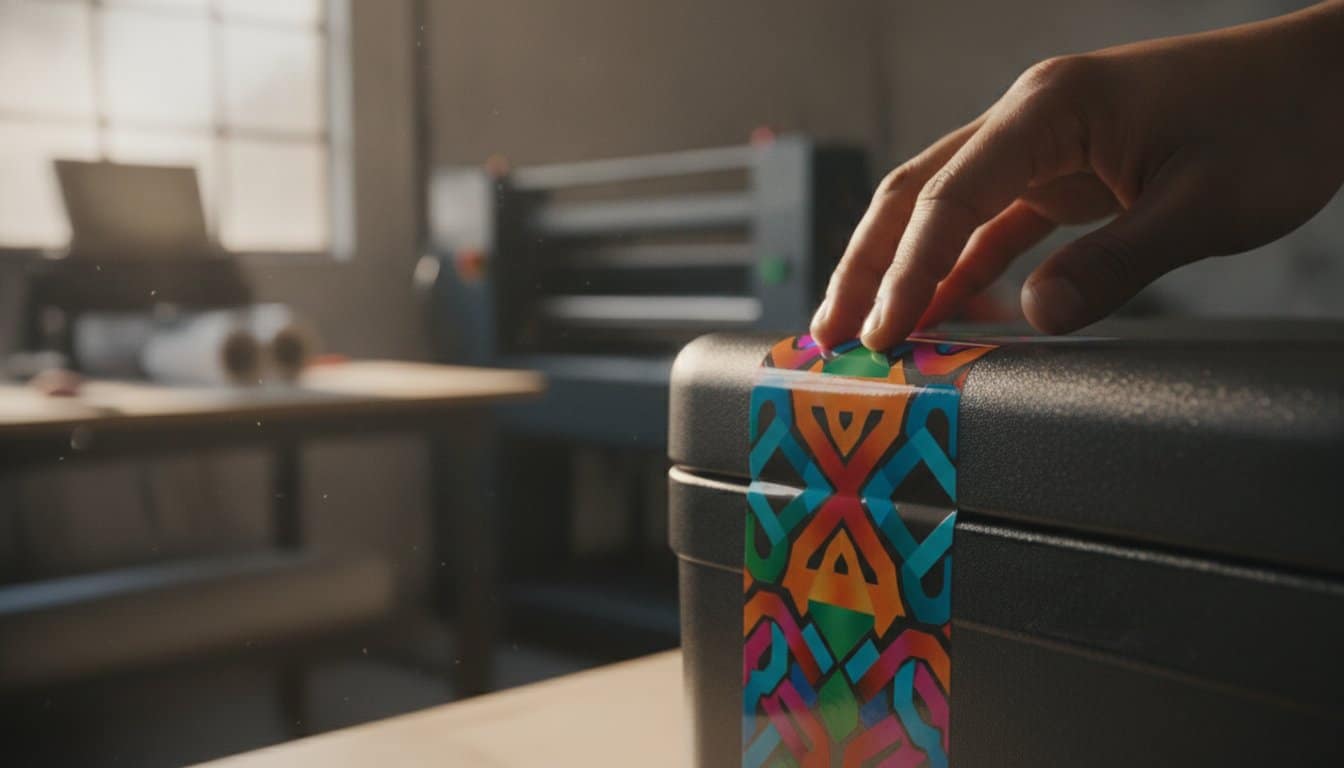
Standard vinyl stickers often fail on high-touch tech devices because skin oils and heat cause the edges to lift and peel. You need a branding solution that integrates directly into the hardware without the high cost or permanent risk of laser engraving. This is where uv dtf for customizing electronics changes the production workflow for local businesses in Miami and Doral. These UV DTF PermaStickers provide a raised, 3D effect that adheres permanently to plastic, metal, and glass surfaces.
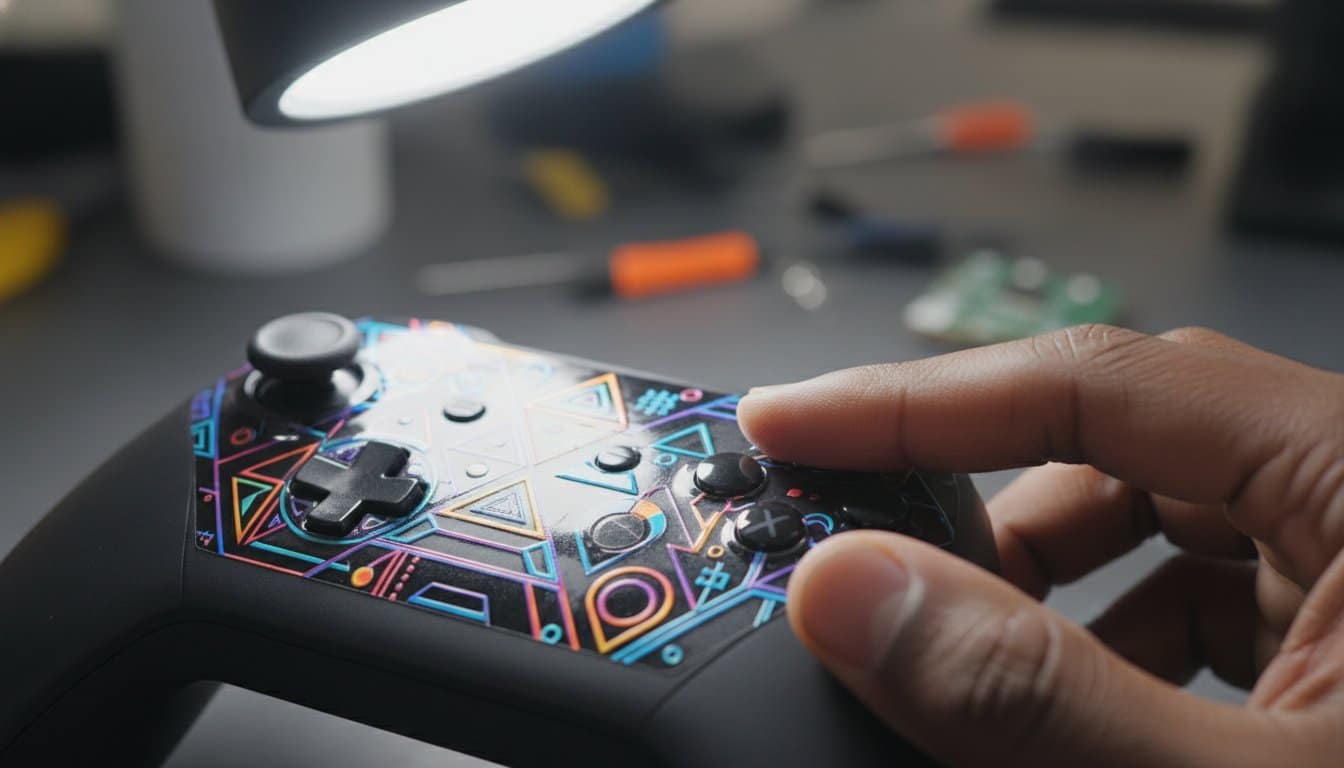
You want your branding to feel like a part of the device, not an afterthought that wears off in a pocket or laptop bag. This guide teaches you how to apply high-detail transfers to difficult surfaces like curved phone cases and textured gaming controllers. You’ll learn the exact steps to achieve professional-grade results with fast turnaround times and no setup fees. From corporate laptop fleets in Wynwood to custom gaming hardware in Hialeah, we provide the technical specs for durable, small-batch production.
Key Takeaways
- UV DTF uses a cold transfer process that requires no heat, making it a safe branding solution for sensitive electronic components.
- Use uv dtf for customizing electronics such as phone cases, laptop shells, and gaming hardware made from polycarbonate, ABS, or anodized aluminum.
- These transfers offer a non-destructive alternative to laser engraving, allowing you to add permanent branding without risking hardware damage or voiding warranties.
- Achieve industrial-grade adhesion by preparing surfaces with 70% isopropyl alcohol to remove oils before applying the high-detail decals.
- Local businesses in Miami can utilize same-day production in Opa-locka for fast turnaround on corporate hardware branding and small-batch product launches.
What is UV DTF for Customizing Electronics?
UV DTF (Direct-to-Film) printing utilizes a multi-layer process involving CMYK inks, white ink, and a clear gloss varnish. These layers are printed onto a carrier film along with a specialized adhesive. The ink is cured immediately by ultraviolet light during the production cycle. This technology evolved from industrial Flatbed UV printers, which use light-emitting diodes to cure ink instantly on contact. The result is a transfer that can be applied to almost any hard surface without secondary processing.
The primary advantage of uv dtf for customizing electronics is the cold transfer method. Traditional branding often requires heat or high pressure. Heat is the enemy of lithium batteries and sensitive circuit boards found in modern hardware. Because UV DTF transfers are pressure-sensitive, they don’t require a heat press. You simply peel, stick, and rub the transfer onto the device. You can follow our specific UV DTF instructions to ensure a perfect bond every time. This makes the process safe for laptops, tablets, and high-end smartphones.
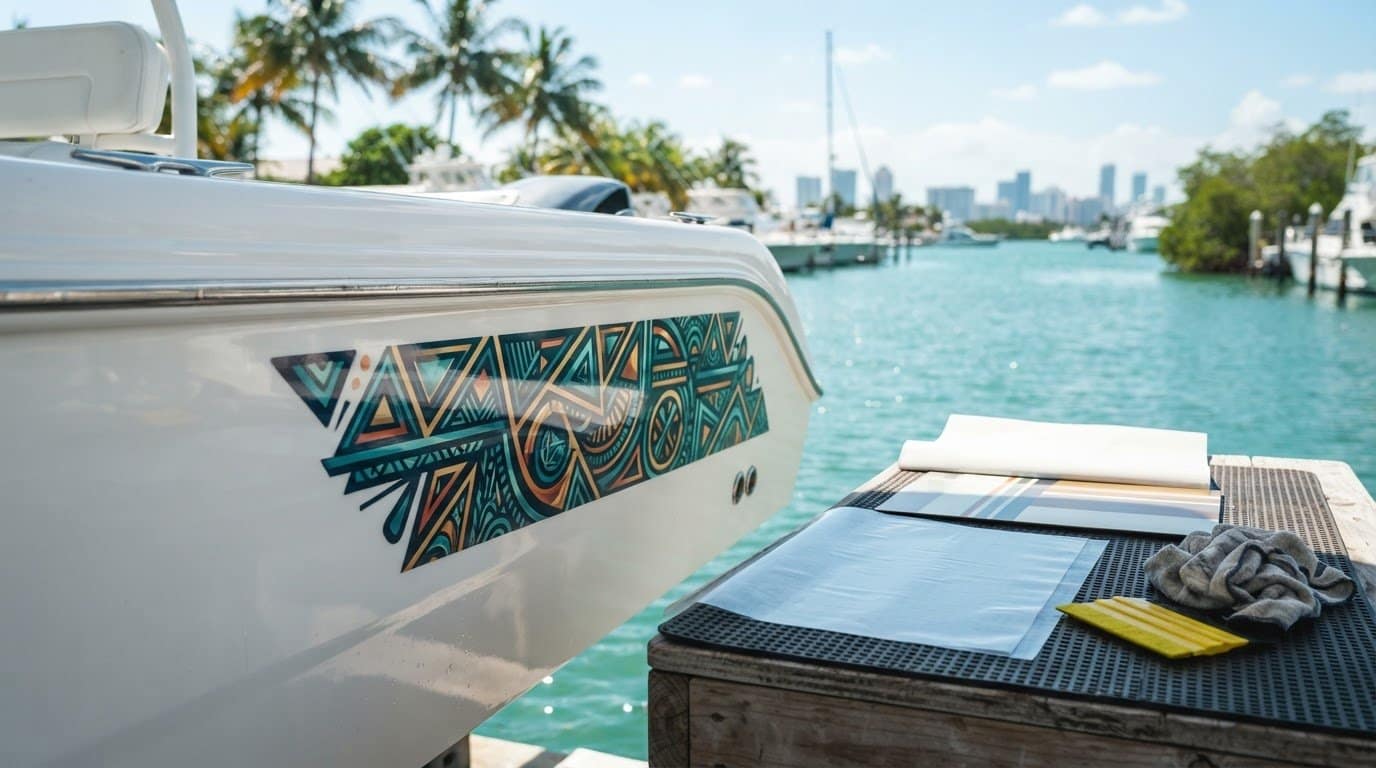
Visually, these transfers provide a premium 3D effect that standard printing cannot match. By stacking white ink and varnish, the design gains physical height and a tactile texture. This varnish layer also provides industrial-grade durability. The finished decal is waterproof and scratch-resistant. It’s built to withstand the constant friction of being pulled in and out of pockets or laptop sleeves. Many local technicians in Hialeah call these “calcomanías permanentes” because they don’t budge once applied.
How UV DTF Differs from Standard Vinyl
Standard vinyl stickers rely on a surface-level adhesive that can lift if the device gets warm during use. UV DTF creates a much stronger bond with non-porous surfaces like plastic and metal. There’s also no weeding required. In traditional vinyl work, you must manually pick out the small bits of excess material. With UV DTF, only the printed design transfers to the hardware. This allows for incredibly intricate logos and small text that would be impossible to cut and weed on a plotter.
Why Miami Tech Shops are Switching to UV DTF
Local businesses in Doral and Wynwood are moving away from expensive laser engraving. Engraving is permanent and carries the risk of damaging the internal components of a customer’s device. Tech shops now use UV DTF stickers to offer full-color branding with zero risk. These transfers also work on curved or irregular surfaces like gaming mice, VR headsets, and drone controllers. It’s a scalable solution for shops that want to offer custom branding without maintaining bulky machinery in-house.
Material Compatibility: What Electronics Can You Customize?
Success in branding hardware depends entirely on the substrate. Not all plastics or metals react the same way to adhesives. uv dtf for customizing electronics is specifically formulated to bond with non-porous materials that standard vinyl stickers cannot handle. This process ensures the decal becomes a permanent part of the device rather than a temporary addition.
Polycarbonate and ABS plastics are the most common materials used in tech manufacturing. You find these in everything from rugged laptop shells to gaming controllers. UV DTF transfers create a high-strength bond on these surfaces. This ensures your logo stays centered and sharp even after months of heavy handling. For businesses in Opa-locka or Doral managing large fleets of equipment, this reliability is essential for asset tracking and branding.
Anodized aluminum is a staple for premium devices like MacBook lids and tablet enclosures. This material is notoriously difficult for standard decals because of its micro-textured surface. UV DTF ink fills these microscopic gaps during application. It provides a flush, factory-printed look that resists lifting at the edges. Tempered glass is another ideal candidate. Whether you are customizing the back of a smartphone or a PC side panel, the adhesive maintains its clarity and strength over time.
Specialized gear often uses carbon fiber or high-performance composites. The textured weave of carbon fiber usually causes traditional stickers to peel away. UV DTF’s thick varnish layer conforms to the texture of the weave. This creates a professional finish for drone frames or specialized field equipment used by construction companies in Miami.
Customizing High-Touch Devices
Handheld consoles and smartphones face extreme friction and constant exposure to skin oils. These elements quickly degrade low-quality adhesives. UV DTF is chemically cured to resist sweat and heat. If you are branding hardware for a local esports event in Wynwood, these transfers are the most durable choice. They also hold up to the constant movement of being pulled in and out of pockets or bags.
Texture and Surface Finish Considerations
Matte and glossy surfaces both accept UV DTF well. However, rubberized soft-touch coatings require a quick test. These coatings are designed to repel debris, so we recommend a sample run for these specific shells. You can order DTF transfers in Miami to test the bond on your specific hardware before committing to a large run. Powder-coated metals, often found on industrial electronic enclosures, also provide an excellent anchor for our UV-cured adhesive.
Durability vs. Traditional Customization Methods
Choosing the right branding method for expensive hardware involves balancing durability with the risk of physical damage. Using uv dtf for customizing electronics provides a professional finish without the structural changes required by laser engraving. Laser engraving is a subtractive process that removes the outer layer of the device shell. This often voids manufacturer warranties and creates a permanent mark that cannot be reversed. UV DTF is an additive process. It places a high-bond layer on top of the surface, keeping the underlying hardware intact and protected.
Pad printing is another common industrial method, but it’s inefficient for small batches. It requires custom plates and long setup times, which leads to high initial costs. Our UV DTF process has no setup fees and handles full-color gradients in a single pass. This is ideal for local businesses in Hialeah or Fort Lauderdale that need small runs of 10 to 50 units for corporate gifts or employee kits. Unlike pad printing, you can print every decal with a different name or serial number on the same gang sheet without increasing production time.
Standard vinyl stickers often fail on the curved edges of computer mice or routers. They rely on light pressure-sensitive adhesives that eventually lift and collect dust. UV DTF transfers use a specialized resin that hardens into a rigid, permanent bond. This provides superior edge-lift resistance. These transfers also resist chemical degradation. You can clean your devices with 70% isopropyl alcohol without worrying about the ink dissolving or the varnish becoming cloudy. This makes them perfect for medical electronics or shared office equipment in Doral.
The “Peel Test” and Daily Wear
Maximum adhesion is not immediate. While the transfer is ready for use right away, the bond continues to strengthen over 24 hours. We recommend avoiding heavy friction during this initial period. Once cured, the varnish layer acts as a shield against scratches and abrasion. This is vital for laptops that generate internal heat. The transfers remain stable and don’t slide or melt when the hardware reaches high operating temperatures during heavy processing tasks.
Addressing the Permanent vs. Removable Debate
While we classify these as permanent stickers, you can remove them if your branding needs change. Using a plastic scraper and a small amount of heat or adhesive remover will lift the decal without scarring the plastic or metal casing. The colors also remain sharp over time. The UV-cured inks are designed to resist fading even when devices are used in bright offices or near windows. Learn more about our UV DTF transfers to see how they compare to other hard-surface options.
How to Apply UV DTF Transfers to Electronics Safely
Applying uv dtf for customizing electronics requires a meticulous approach to protect the hardware’s internal components. Hardware surfaces are non-porous but often contain sensitive openings like speaker grilles and charging ports. You must ensure the environment is clean and free of dust before you begin the application process. We recommend working on a flat, stable surface in a well-lit area to ensure perfect alignment on expensive devices.
- Step 1: Surface Preparation. Clean the target area using a lint-free cloth and 70% isopropyl alcohol. This concentration is ideal because it removes finger oils and manufacturing residues without evaporating too quickly. Ensure the surface is bone-dry before the transfer touches the material.
- Step 2: Positioning and Dry Fitting. Place the transfer on the device with the backing still attached. Check that the design does not obstruct any ports, microphones, or cooling vents. For corporate orders in Opa-locka or Hialeah, consistency across multiple units is key for a professional look.
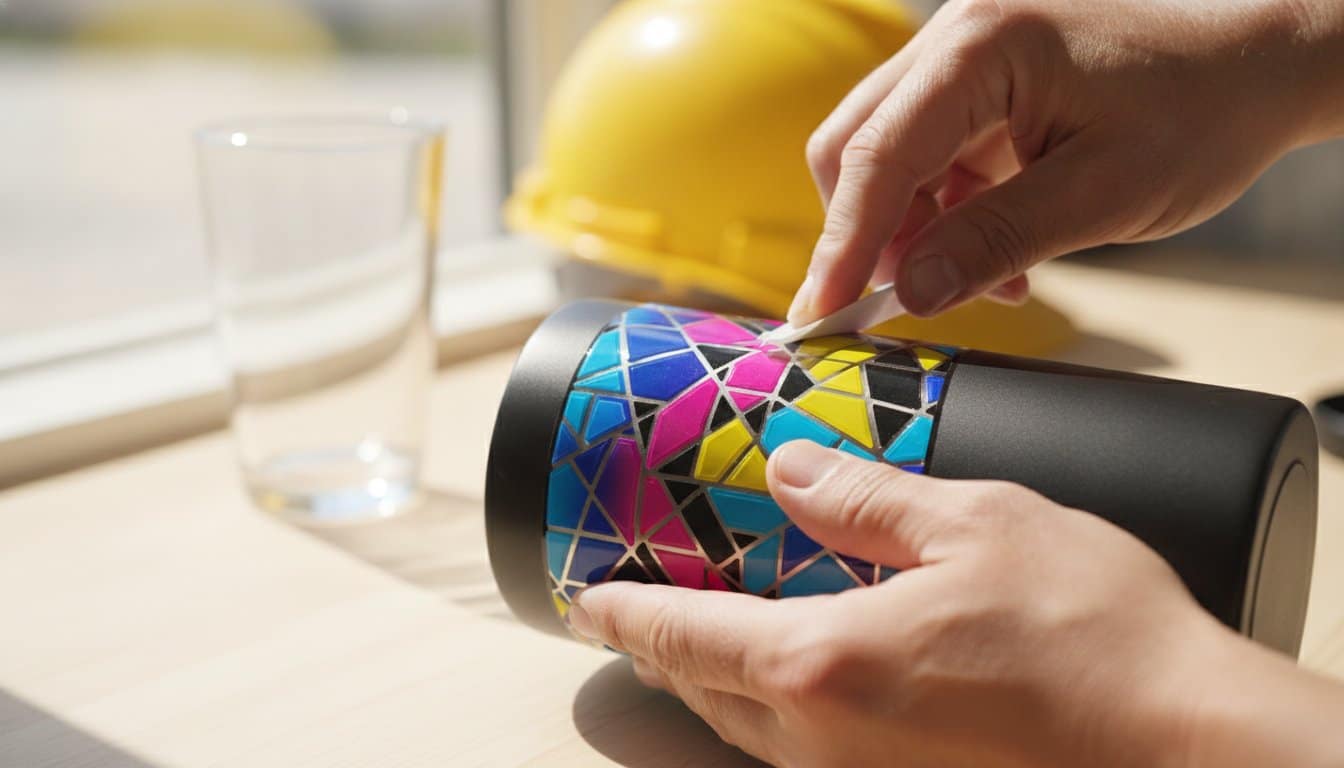
- Step 3: Firm Pressure Application. Peel the white backing paper to reveal the adhesive. Lay the transfer down starting from one edge to prevent trapping air. Use a hard-edged squeegee or your thumb to apply heavy, even pressure across the entire design, moving from the center toward the edges.
- Step 4: The 180-Degree Peel. Wait a few moments for the bond to initiate. Grip one corner of the clear carrier film and peel it back slowly at a sharp 180-degree angle, keeping it parallel to the device surface. This technique ensures that small text and fine lines stay anchored to the hardware.
Pro-Tips for Precise Alignment
Centering a logo on a laptop lid or a gaming console is easier if you use low-tack painter’s tape as a temporary guide. For phone cases with significant curves, start the application at the highest point of the curve and work outward *con cuidado* to prevent the film from bunching or creasing. If the electronic housing has recessed channels or grooves, use a soft-tipped stylus to press the transfer into those areas before you attempt to peel the carrier film. This extra step ensures the decal follows the physical geometry of the device perfectly.
Safety Precautions for Tech Devices
Always power off the device before you begin any customization work. Peeling plastic films can generate a small amount of static electricity, so working on a powered-down unit is a necessary safety standard. Avoid placing transfers directly over camera lenses, heat sinks, or optical sensors. The adhesive is permanent, and any residue left on a lens could permanently degrade image quality. If you are preparing a large batch of branded tablets for a client in Wynwood, consider using an anti-static wrist strap to further protect the internal circuitry during the handling process.
Ready to brand your company hardware? You can order your custom DTF transfers in Miami today for fast, local production.
Order Custom UV DTF for Electronics in Miami
Captain Printing provides high-speed production for uv dtf for customizing electronics directly from our Opa-locka facility. We understand that tech launches and corporate events in Miami often operate on tight schedules. That is why we offer genuine same-day production with no minimum order requirements. You can walk into our shop, speak with our bilingual team, or reach us via WhatsApp for immediate assistance. Our goal is to provide a streamlined experience for clients who need professional results without unnecessary complexity.
Miami tech startups and e-commerce resellers benefit from our in-house production capabilities. We don’t outsource your orders to third-party vendors. This allows us to maintain strict quality control over the 3D varnish layers and adhesive strength required for high-touch hardware. Whether you are branding a single prototype or 1,000 corporate laptops, our workflow is designed for efficiency and reliability. We prioritize clear communication and fast fulfillment for every client in South Florida.
Optimizing Your Gang Sheet for Small Electronics
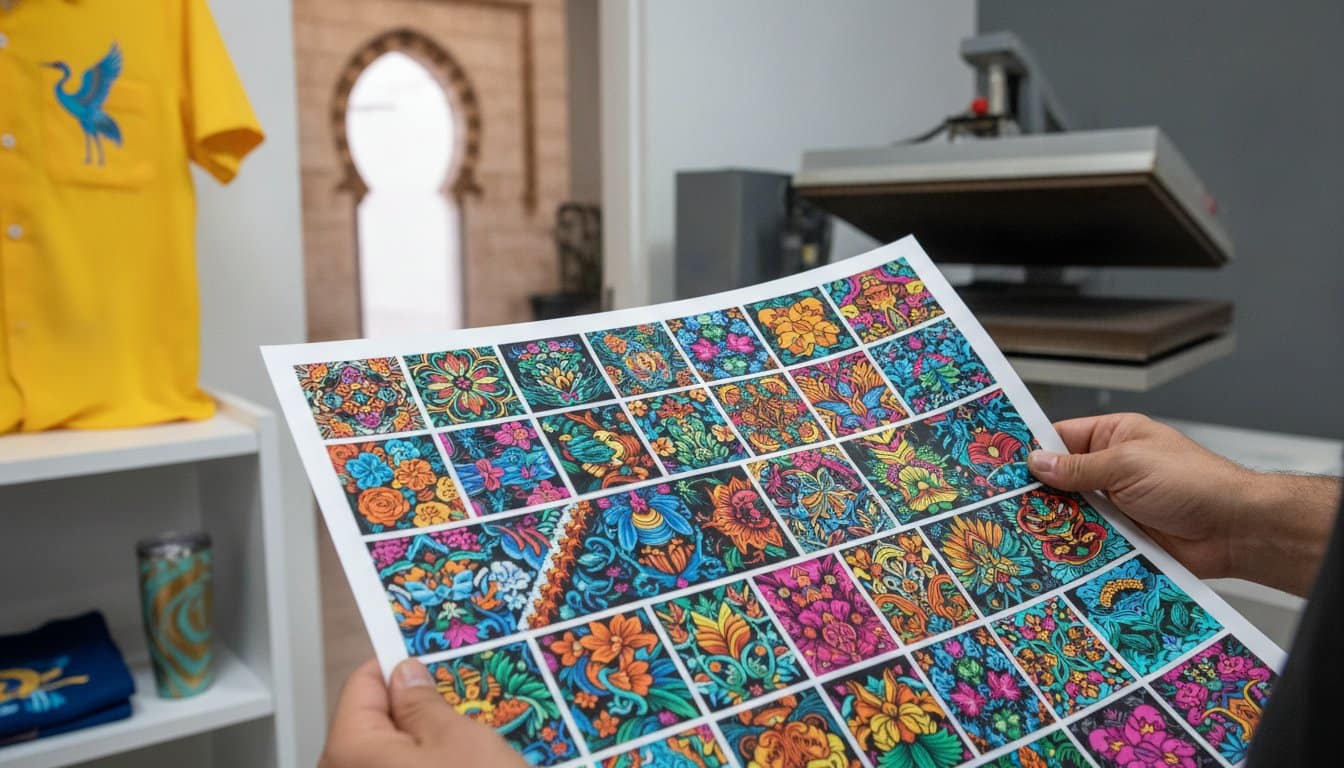
Our digital tools allow you to maximize every square inch of your print area. You can fit hundreds of small branding icons, serial numbers, or social media handles on a single sheet. This significantly lowers the cost per unit for small-scale branding projects. To get started, you can build your custom gang sheet online using our intuitive design interface. Ensure your art files are high-resolution to take full advantage of the high-detail varnish effect that makes tech logos pop against matte or metallic surfaces.
Local Pickup and Delivery in Miami Dade
Don’t wait for national carriers to ship your decals from out of state. Local businesses in Doral, Hialeah, and Downtown Miami can choose local pickup at our Opa-locka location to get their transfers the same day they are printed. We serve a wide range of local sectors, from mobile phone repair shops to specialized construction companies needing durable equipment labels. Beyond electronic decals, you can explore our full range of printing services, including custom uniforms and marketing materials for your business.
Our physical presence in South Florida means you have a dependable partner for all your branding needs. We provide direct personal contact and professional results. If you have a specific technical requirement for a unique hardware surface, our team is available to provide factual guidance based on our extensive in-house testing. We help you achieve a factory-integrated look that lasts.
Contact us today to start your next electronics branding project with a local Miami expert.
Upgrade Your Hardware Branding with UV DTF
UV DTF technology provides a permanent, professional-grade finish that traditional stickers cannot match. By eliminating the need for heat and weeding, you protect your sensitive hardware while achieving industrial-grade scratch resistance. This makes uv dtf for customizing electronics the most reliable choice for high-touch devices like laptops and phone cases. You can scale your production from a single prototype to large corporate batches without setup fees or minimum order requirements.
Our facility in Opa-locka offers same-day local pickup for businesses in Doral, Hialeah, and across Miami Dade. You can order your designs with confidence knowing they’ll withstand daily wear and chemical cleaning. Order Your Custom UV DTF Gang Sheets for Electronics Today and see the difference in quality and durability. We’re ready to help you create branding that feels integrated into your hardware rather than an afterthought.
Frequently Asked Questions
Is UV DTF safe for high-end laptops like MacBooks?
Yes, UV DTF is safe for MacBooks and other premium laptops. Since it’s a cold transfer method, there is zero heat exposure to the aluminum chassis or the sensitive internal lithium-ion batteries. This non-destructive branding preserves the factory finish of the anodized aluminum while providing a durable, professional look. It’s an excellent alternative for corporate fleets where preserving the hardware’s structural integrity is a top priority.
How long does a UV DTF transfer last on a phone case?
UV DTF transfers are designed to be permanent and can last the entire lifespan of the phone case. The cured varnish layer provides industrial-grade scratch resistance that handles the friction of being pulled in and out of pockets. For the best longevity, ensure you clean the surface with 70% isopropyl alcohol before application. This ensures the adhesive bonds chemically to the plastic or silicone substrate.
Can I apply UV DTF to a curved computer mouse?
You can apply these transfers to curved surfaces like computer mice or VR headsets. The carrier film is flexible enough to conform to ergonomic shapes without creasing or lifting at the edges. When using uv dtf for customizing electronics on complex curves, start from the center and work outward with firm pressure. This technique prevents air bubbles and ensures the decal follows the physical geometry of the device.
Will the adhesive on UV DTF transfers ruin my device if I remove it?
The adhesive is permanent but non-destructive to the underlying material. If you need to update your branding, you can remove the transfer using a plastic scraper and a standard adhesive remover. This process won’t scar the plastic or metal casing of your device. Unlike laser engraving, UV DTF allows you to return the hardware to its original state or apply new branding as your company needs change.
Do I need a heat press for UV DTF electronics customization?
You don’t need a heat press or any specialized heating equipment for this process. UV DTF transfers are pressure-sensitive, meaning they only require a squeegee or firm thumb pressure to activate the bond. This is a significant safety benefit when working with sensitive tech hardware. It eliminates the risk of heat-induced screen damage or battery failure that can occur with traditional heat-transfer methods.
Can UV DTF transfers withstand the heat generated by a gaming PC?
These transfers are highly stable and easily withstand the heat generated by high-performance gaming PCs or servers. The UV-cured ink and varnish layer don’t melt, slide, or become tacky when the hardware reaches peak operating temperatures. This makes them ideal for branding PC side panels, power supply shrouds, or internal components that are visible through glass windows. The colors stay sharp even in high-heat environments.
How small can the text be on a UV DTF transfer for electronics?
UV DTF allows for incredibly fine detail, including text as small as 4-point or 5-point fonts. Because the process doesn’t require manual weeding, intricate logos and serial numbers transfer perfectly every time. This precision is essential for uv dtf for customizing electronics when you need to include technical specs or small branding icons on compact devices like smartwatches, earbuds, or specialized field sensors.
Where can I get same-day UV DTF printing in Miami?
You can get same-day UV DTF printing at our facility in Opa-locka, Florida. We provide local pickup for businesses in Hialeah, Doral, and Wynwood who need a fast turnaround for events or product launches. Our shop is located at 13680 NW 19th Ave, Unit 1B. We handle all production in-house, ensuring you get your transfers without the delays associated with shipping or third-party outsourcing.
Phone: +1 (305) 930-4700 | Address: 13680 NW 19th Ave, Unit 1B, Opa-locka, FL 33054 | Email: [email protected]