Blog
Best Heat Transfer Method for Polyester: The 2026 Professional Guide

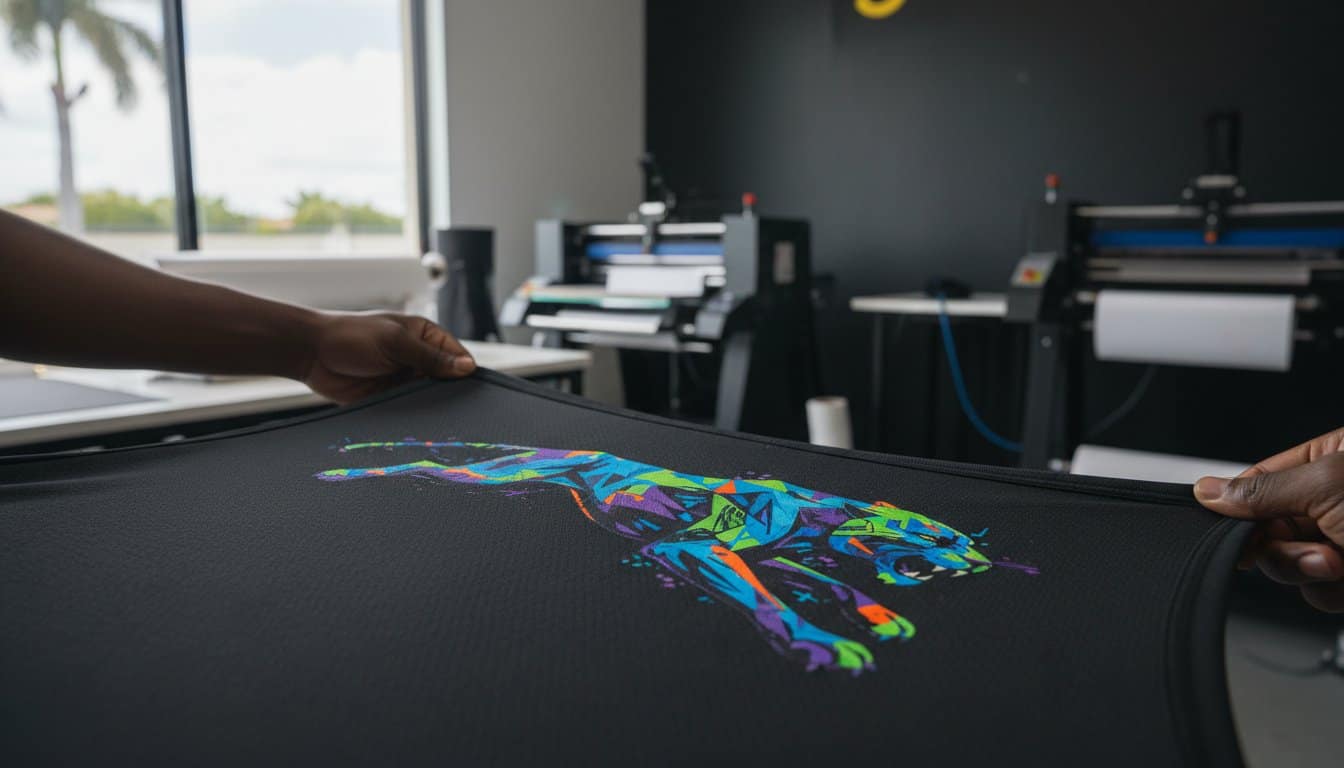
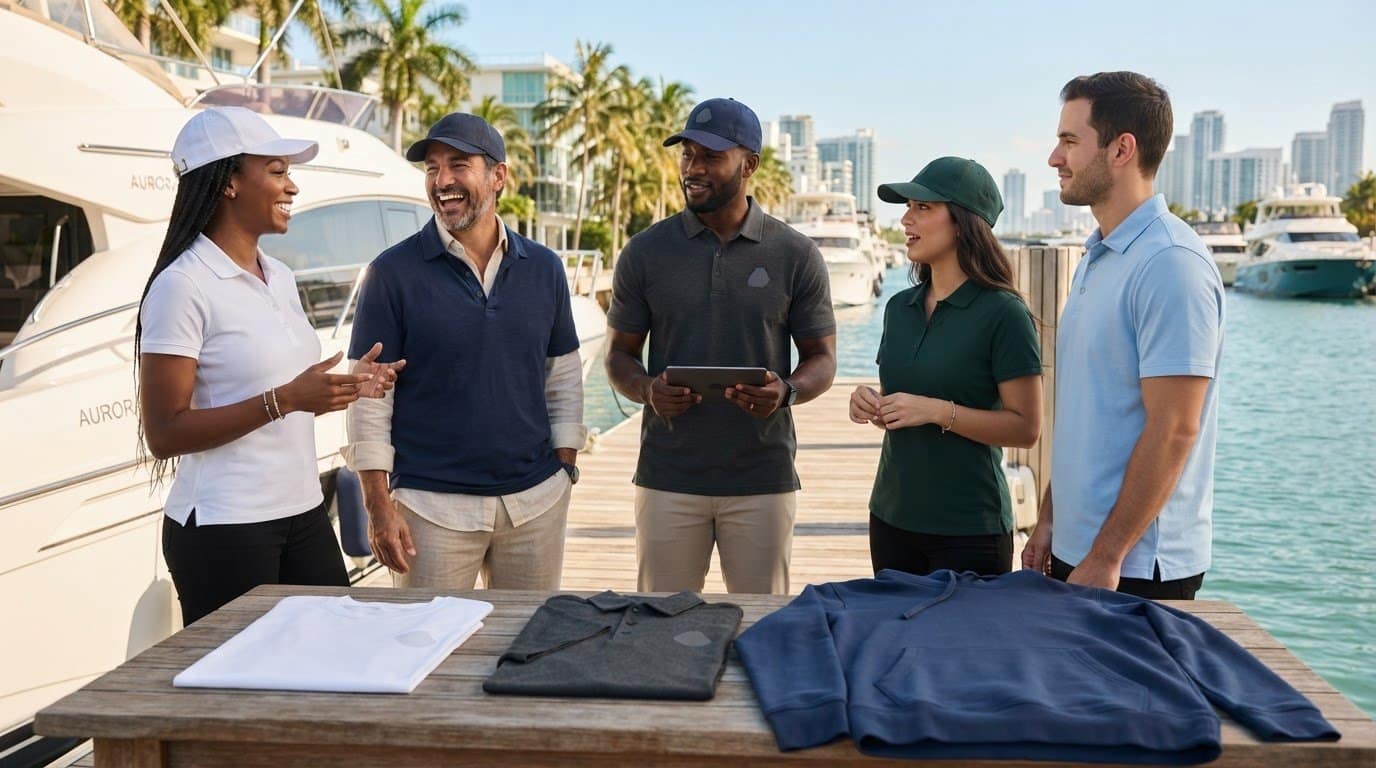
Most local print shops are still destroying high-performance polyester garments by using heat settings designed for standard cotton. You’ve likely seen the results: shiny scorch marks on a gym shirt or a white logo that turns pink because of dye migration. It’s a common frustration for Miami business owners in Doral or Hialeah who need professional uniforms for construction crews and event staff. Finding the best heat transfer method for polyester is no longer about trial and error; it’s about adopting the technology that respects synthetic fibers.
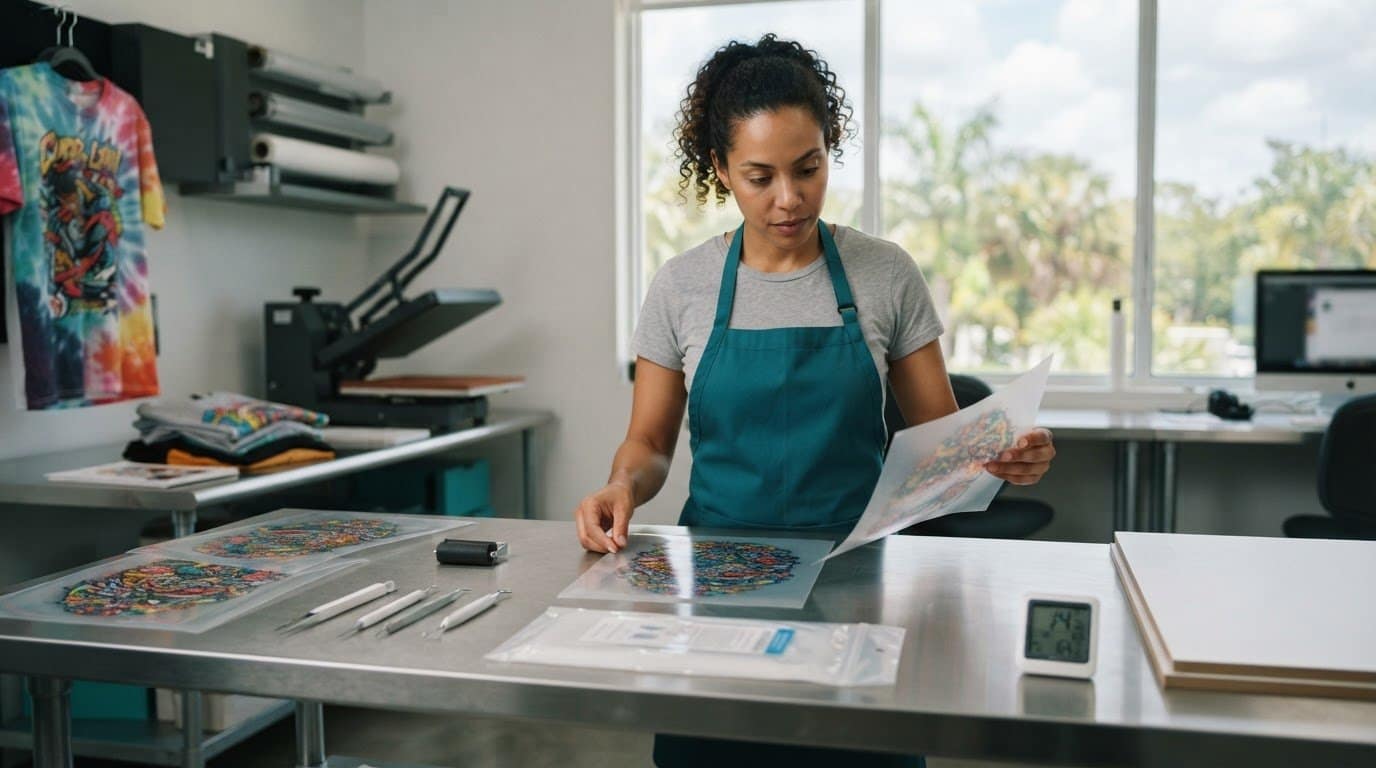
Direct-to-Film (DTF) transfers have emerged as the superior choice because they bond at temperatures as low as 240°F, which is far below the melting point of synthetic fabrics. You’ll discover how to achieve vibrant, full-color prints that don’t peel off performance wear or damage the garment. This guide breaks down the technical settings and production strategies we use in our Opa-locka facility to deliver fast, high-quality results for local B2B clients and e-commerce resellers.
Key Takeaways
- Direct-to-Film (DTF) technology is currently the best heat transfer method for polyester because it provides high-stretch durability at lower application temperatures.
- Protect synthetic fabrics from permanent scorching and shiny marks by maintaining heat press settings between 280°F and 290°F.
- DTF transfers outperform sublimation by producing vibrant, full-color designs on any garment color without the risk of dye migration.
- Specialty options like 3D puff, glitter, and neon DTF allow for high-visibility branding on uniforms for Miami sports teams and construction crews.
- Local businesses in South Florida can utilize same-day production at our Opa-locka facility with no minimum order requirements for custom transfers.
What is the Best Heat Transfer Method for Polyester?
Direct-to-Film (DTF) transfers are currently the best heat transfer method for polyester apparel. This technology provides a unique balance of low-temperature application and high-stretch durability that traditional methods can’t match. For local businesses in Doral and Wynwood, this means vibrant uniforms that survive the Miami heat without peeling. You don’t have to choose between color quality and garment integrity anymore.
Traditional Heat Transfer Vinyl (HTV) often feels heavy and lacks the necessary elasticity for performance wear. DTF ink layers are significantly thinner and more flexible. They move with the fabric weave instead of fighting against it. This prevents the “heavy patch” feel that often ruins lightweight gym shirts or moisture-wicking polos.
We produce DTF transfers that handle complex, full-color designs without the limitations of older techniques. You can print photographic details on dark polyester without needing a white base layer or expensive setups. It’s a professional solution for restaurants and construction companies that need high-visibility branding on synthetic workwear.
- Low-temperature bonding (240°F-275°F) to prevent fabric scorching.
- Superior elasticity that prevents cracking on athletic fabrics.
- Full-color capability on black, navy, or neon garments.
- No setup fees or minimum order requirements for local Miami production.
Why Polyester Requires Special Handling
Polyester is a synthetic fiber with a melting point near 482°F. While that sounds high, fabric distortion and “shining” actually begin at much lower temperatures, typically around 300°F. Standard heat press settings for cotton often exceed 320°F, which can permanently melt the surface fibers of a polyester shirt. Professional shops in Hialeah and Fort Lauderdale avoid this by using DTF adhesives that bond at 240°F to 275°F.
The Rise of DTF for Synthetic Fabrics
DTF transfers don’t require the specialized coatings found in Dye-sublimation printing. While sublimation is effective, it’s limited to light-colored fabrics with high synthetic content. DTF technology works on any color, including deep blacks and vibrant neons favored by local sports teams.
The durability comes from the TPU powder applied during production. This powder creates a flexible, wash-proof bond that is ideal for corporate B2B clients and e-commerce resellers. If you’re managing negocios locales in Miami, using DTF gang sheets maximizes your production speed. This results in a finish that feels like part of the garment.
Comparing DTF Transfers vs. Sublimation and Screen Printing
Choosing the best heat transfer method for polyester requires a clear understanding of how different technologies interact with synthetic fibers. While sublimation and screen printing have been industry standards for decades, they both present significant technical challenges for modern performance wear. Understanding Heat-Transfer Basics is essential for avoiding ruined garments and ensuring long-term print durability. For most local Miami businesses, the move toward Direct-to-Film (DTF) is driven by the need for color versatility and fabric safety.
Screen printing on polyester is notoriously difficult because it requires high heat and long dwell times to cure the ink. This often leads to fabric distortion or dye migration, where the garment’s color bleeds through the print. DTF eliminates this risk by using a lower curing temperature and a specialized adhesive barrier. It also removes the “heavy” feel of plastisol inks, which can make a lightweight jersey feel stiff and uncomfortable during a workout. If you’re managing a gym in Doral or a restaurant in Wynwood, you need a print that feels as light as the fabric itself.
DTF vs. Sublimation: Color and Fabric Limits
Sublimation dyes the polyester fibers directly, which creates a very breathable finish. However, it only works on white or extremely light-colored garments. It cannot print white ink, meaning it’s impossible to put a full-color logo on a black or navy shirt using this method. DTF transfers sit on top of the fiber, allowing for vibrant white and bright colors on any fabric shade. While sublimation requires temperatures around 400°F, DTF bonds effectively at 240°F to 275°F. This lower heat threshold is the safest way to prevent the “shiny marks” often seen on sublimated polyester.
DTF vs. Traditional Screen Printing
Traditional screen printing is efficient for massive runs but carries high setup fees for every color in your design. For small to mid-sized orders in Hialeah or Opa-locka, DTF is the more logical choice. There are no screens to burn and no setup fees for complex logos. Using gang sheets allows you to print multiple designs at once, significantly lowering your per-print cost. DTF also acts as a physical barrier against dye migration, ensuring your white logos stay bright white instead of turning a dull gray or pink over time.
For resellers and local businesses that need professional results without the high overhead of traditional methods, we offer high-quality DTF transfers Miami clients can rely on for same-day production. This speed and flexibility make it the most efficient option for the fast-paced South Florida market.
How to Heat Press Polyester Without Scorching the Fabric
Mastering the technical side of the best heat transfer method for polyester requires precise thermal management. Cheap hobbyist irons lack the digital accuracy needed to prevent fabric distortion or surface melting. Professional heat presses provide the consistent environment required for high-performance jerseys and corporate polos. This equipment is essential for protecting your inventory from permanent damage.
Managing thermal thresholds is the primary challenge when comparing Sublimation vs screen printing on synthetics. We recommend setting your press between 280°F and 290°F for our DTF transfers. This temperature range protects the garment while ensuring the TPU adhesive creates a permanent bond. You should also reduce your pressure to a medium setting.
Step-by-Step Polyester Pressing Instructions
Consistency ensures high-quality results for your clients in Hialeah or Doral. Follow these specific steps to protect synthetic garments during the application process:
- Pre-press: Press the garment for 3-5 seconds to remove moisture and flatten the surface.
- Position: Place your DTF transfer accurately on the fabric.
- Press: Apply heat for 10-12 seconds at exactly 285°F using a Teflon sheet for protection.
- Cold Peel: Allow the film to cool completely before removal to prevent adhesive lifting.
Troubleshooting Shiny Marks and Scorching
Shiny marks occur when the heat press flattens the synthetic fibers too aggressively. Use a foam heat press pillow to distribute pressure evenly around seams and collars. This simple adjustment prevents the permanent “press box” effect on lightweight fabrics. It is an essential tool for high-end DTF transfers Miami professionals use.
If scorching or yellowing occurs, lower the temperature by 10 degrees and increase the dwell time. This “low and slow” approach is the safest way to handle moisture-wicking uniforms. Our Opa-locka facility handles these technical details daily for corporate B2B clients. We ensure every finished product meets strict quality standards.
Advanced Transfer Options for Performance Wear
While standard digital prints provide excellent results, advanced specialty finishes allow for high-end customization on synthetic fabrics. Local Miami sports teams and corporate clients often require more than a basic flat print for their branding. Options like 3D puff, glitter, and reflective transfers provide functional and aesthetic benefits that standard vinyl cannot achieve. Choosing these specialty films remains the best heat transfer method for polyester when you need to increase the perceived value of your merchandise. These options are produced in-house at our Opa-locka facility to ensure rapid fulfillment for local B2B accounts.
3D Puff DTF transfers add a tactile, raised dimension to polyester hoodies and caps. This method is particularly effective for Miami event planners looking to create limited-edition merchandise. Glitter and Neon DTF options provide the high-visibility required for local youth sports teams and cheer squads in Hialeah and Fort Lauderdale. These specialty inks are formulated with the same low-heat adhesive as our standard transfers to prevent fabric damage. You get the visual impact of a heavy embroidery or screen print without the high setup costs or the risk of scorching the garment.
Using TPU Patches on Polyester Jackets
TPU patches are the preferred choice for heavy-duty polyester outerwear and corporate uniforms. They offer a rugged, metallic, or embossed 3D effect that far outlasts traditional embroidery on synthetic shells. Since TPU applies at a lower temperature than traditional embroidered patches, it protects the delicate fibers of high-end jackets used by local contractors and security firms. These patches provide a premium, professional look that stays bonded even through industrial wash cycles. We offer three tiers of TPU options, including bespoke designs and gang sheets, with no minimum order requirements for local businesses.
Specialty DTF for Sports and Gyms
Fitness studios in Doral and Wynwood frequently request neon DTF transfers for high-visibility outdoor events. These specialty transfers pass a rigorous stretch-test, expanding with spandex and polyester blends without cracking or peeling. For a cohesive brand experience, many gym owners pair their apparel prints with UV DTF stickers for matching hard goods like water bottles and equipment. This ensures your branding remains consistent across every surface your clients use. Our reflective transfers are also essential for Miami construction crews who require safety-compliant gear that won’t melt during the application process.
Order your custom DTF transfers Miami today for same-day production on specialty and advanced finishes.
Same-Day DTF Transfers for Miami Businesses and Resellers
Miami businesses operate on tight deadlines. We provide genuine same-day production at our Opa-locka facility. This speed is why DTF remains the best heat transfer method for polyester for urgent orders. It eliminates the long lead times required by traditional decoration methods.
We remove standard industry barriers with no minimum order requirements. You can order a single custom apparel piece or a full batch for a large team. Our physical walk-in shop is open for immediate pickups and consultations. This allows you to verify print quality and material stretch before starting a major production run.
Our physical location in Opa-locka serves as a resource for technical advice. You can bring your specific polyester blends to our shop for a test press. This hands-on consultation helps you avoid costly errors on expensive performance apparel. We provide direct expert guidance to ensure your branding looks professional.
Local Service for Hialeah, Doral, and Wynwood
Marketing agencies in Wynwood and Doral require a partner that understands the local South Florida market. We provide direct communication via WhatsApp or phone for rapid project updates. Para nuestros clientes que prefieren hablar en español, ofrecemos servicio bilingüe completo. Our team ensures your specific project requirements are handled with total precision and clarity.
Event planners in Fort Lauderdale and Hialeah often face sudden changes in inventory needs. Our in-house production allows us to react quickly to these shifts. You can pick up your finished goods directly from our warehouse to save on shipping time. This local accessibility is a key advantage for fast-moving businesses.
Wholesale Solutions for Corporate Clients
Scale your production using our high-capacity DTF and embroidery systems. We serve e-commerce resellers and corporate B2B partners who need reliable fulfillment throughout Florida. Order your DTF transfers in Miami today to meet your next deadline. Our facility delivers consistent results and durable prints for every bulk order.
We also offer wholesale pricing for high-volume accounts and frequent resellers. Our equipment handles large gang sheets with the same accuracy as individual transfers. This capacity allows us to support local brands as they grow from small shops to national retailers. We maintain strict quality control on every yard of film we produce.
Phone: +1 (305) 930-4700 | Address: 13680 NW 19th Ave, Unit 1B, Opa-locka, FL 33054 | Email: [email protected]
Upgrade Your Polyester Printing Strategy
Adopting Direct-to-Film technology is the best heat transfer method for polyester because it balances fabric safety with high-stretch durability. By utilizing lower application temperatures between 280°F and 290°F, you can eliminate the risk of scorching and permanent press marks on synthetic fibers. This method also provides a physical barrier against dye migration, ensuring that white and light-colored logos stay bright on dark garments. Whether you’re branding moisture-wicking polos for a Doral marketing agency or performance jerseys for a Wynwood fitness studio, DTF delivers professional-grade results.
Our Opa-locka facility provides the infrastructure you need to scale your production with genuine same-day service and no minimum order requirements. We prioritize professional-grade wash durability and color accuracy for every local B2B partner and e-commerce reseller. You don’t have to deal with setup fees or the technical hurdles of traditional screen printing. Order Your Custom DTF Transfers for Polyester Today to experience the fastest fulfillment in South Florida. We are ready to help you produce high-quality apparel that stands up to the Miami heat.
Phone: +1 (305) 930-4700 | Address: 13680 NW 19th Ave, Unit 1B, Opa-locka, FL 33054 | Email: [email protected]
Frequently Asked Questions
Is 100% polyester safe for a heat press?
Yes, 100% polyester is safe for a heat press as long as you utilize low-temperature settings to avoid melting the synthetic fibers. High heat can cause permanent fabric distortion or discoloration. We recommend using a professional digital press to maintain precise control over the environment. This is why many local gyms in Hialeah prefer DTF over other methods for their moisture-wicking uniforms and performance gear.
What is the best temperature for DTF on polyester?
The best temperature for DTF on polyester is between 240°F and 275°F. This range is the best heat transfer method for polyester because it remains below the threshold where synthetic fibers begin to shine or scorch. Applying transfers at these lower temperatures ensures a permanent bond without compromising the integrity of the garment. Our Opa-locka facility uses these exact settings for all corporate B2B orders to guarantee consistent quality.
How do I prevent dye migration on dark polyester shirts?
Prevent dye migration by reducing your heat press temperature and using DTF transfers with a built-in dye-blocker. Dye migration occurs when the fabric’s ink turns into a gas and seeps into the design. Lowering the heat to 250°F significantly reduces this risk. This is a critical step for Miami construction companies ordering high-visibility safety vests or dark navy workwear that must maintain crisp, bright white logos.
Can I use a household iron for polyester transfers?
No, you shouldn’t use a household iron for polyester transfers because it cannot provide the consistent heat and pressure required for a durable bond. Irons have hot spots and lack digital temperature readouts, which often leads to scorched fabric or prints that peel after one wash. For professional results, local Miami resellers should use a commercial heat press with accurate pressure settings and a Teflon sheet for protection.
Why does my heat press leave a square mark on polyester?
Your heat press leaves a square mark because the heat and pressure are flattening the synthetic fibers or melting the surface of the fabric. This is known as scorching or “shining.” You can mitigate this by lowering the temperature to 280°F and using a heat press pillow. These pillows distribute pressure away from the edges of the heating plate, protecting delicate polyester shells used by local event planners and restaurants.
How many washes will a DTF transfer last on polyester?
A properly applied DTF transfer will last for 50 or more washes on polyester garments before showing signs of wear. The TPU adhesive powder creates a flexible bond that stretches with the fabric weave. This durability makes it a reliable choice for local sports teams in Doral who need uniforms that withstand frequent laundering. The print remains vibrant and wash-proof throughout the life of the garment.
Do I need a special adhesive powder for polyester?
Standard TPU adhesive powder is highly effective for polyester, though specialty “black” powders are available for extra dye-blocking protection on problematic fabrics. The TPU powder we use at our Miami shop provides the necessary elasticity for 100% polyester and spandex blends. It ensures the print doesn’t crack when the fabric is stretched. This is the best heat transfer method for polyester performance wear because it maintains a soft feel.
Is DTF better than screen printing for athletic wear?
DTF is better than screen printing for athletic wear because it requires less heat and offers superior stretchability. Screen printing often requires high-heat curing that can ruin synthetic jerseys or cause colors to bleed. DTF prints are thinner and move naturally with the athlete, making them ideal for fitness studios in Wynwood. Additionally, DTF has no minimum order requirements, allowing for easier customization of individual names and numbers.
Phone: +1 (305) 930-4700 | Address: 13680 NW 19th Ave, Unit 1B, Opa-locka, FL 33054 | Email: [email protected]