Blog
3D Puff DTF Transfers: The Professional Guide to Raised Texture Printing

Most shop owners believe that standard heat settings work for every film, but 3D Puff DTF transfers require a much more disciplined approach to temperature and pressure. If you’ve struggled with inconsistent expansion or ruined high-end fleece in your Opa-locka or Wynwood shop, you aren’t alone. Many local businesses, or negocios locales, face these same technical hurdles when moving beyond standard flat prints. Achieving that premium, raised texture depends entirely on a precise two-step activation process rather than a single heavy press.
You want your apparel to stand out in the competitive South Florida streetwear market without the high setup costs of traditional embroidery. This professional guide will teach you how to master the technical requirements for 3D Puff DTF transfers so you can produce high-end, dimensional garments with total consistency. We’ll examine the specific “pop press” temperatures, line weight requirements for artwork, and gang sheet optimization strategies for maximum efficiency. You’ll also learn how to leverage local production in Opa-locka to fulfill urgent orders for Miami events and corporate clients without waiting weeks for shipping. Following these industry standards ensures your finished products meet the expectations of serious B2B buyers and e-commerce resellers who demand durability and visual impact.
Key Takeaways
- Learn the precise two-step pressing method required to activate the expansion of 3D Puff DTF Transfers without scorching the garment.
- Understand why these transfers offer the premium look of 3D embroidery with higher detail and lower production costs for small batches.
- Identify the ideal fabric types for maximum loft, focusing on why heavyweight cotton provides the most stable base for dimensional prints.
- Optimize your production workflow by using online gang sheet builders to combine specialty puff designs with standard transfers.
- Access same-day production and technical support at our physical walk-in shop in Opa-locka to meet urgent local deadlines.
What Are 3D Puff DTF Transfers?
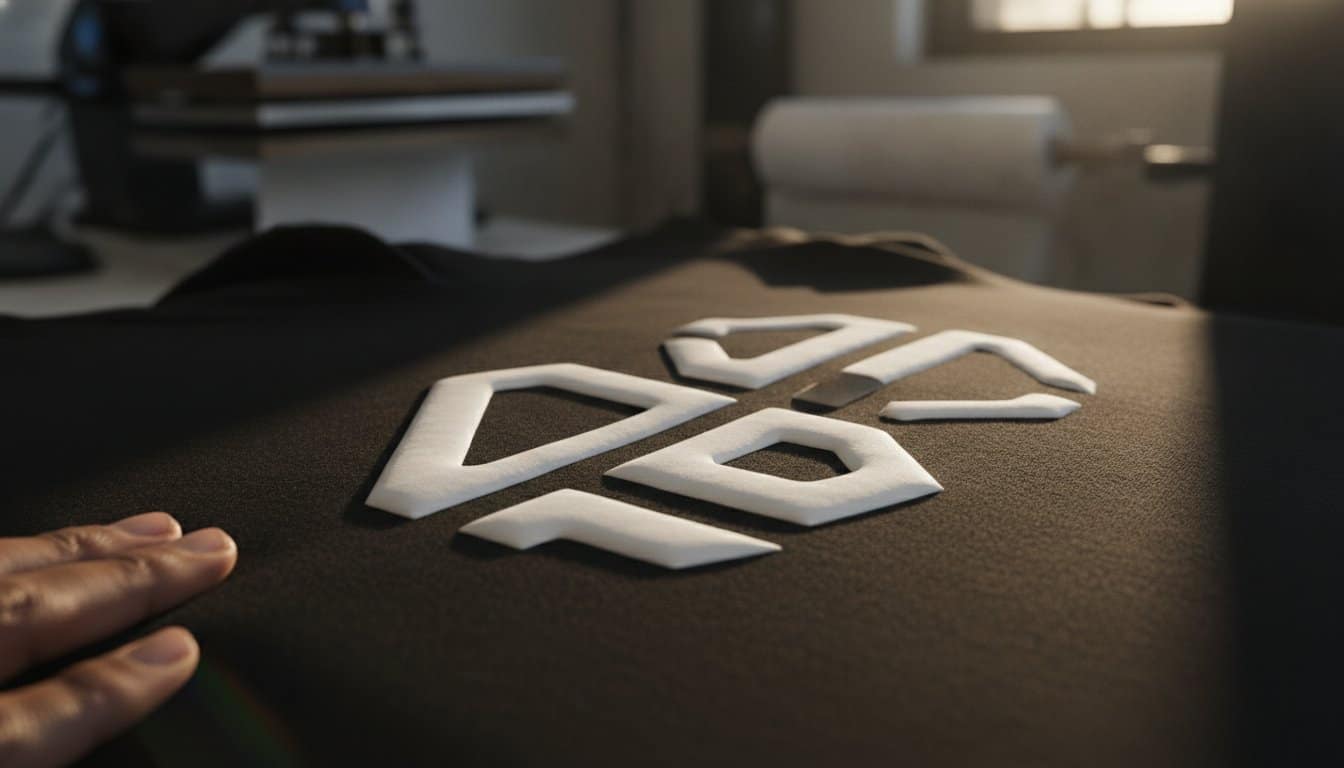
3D Puff DTF Transfers are specialty heat transfers designed to expand and rise when exposed to specific heat press temperatures. Unlike standard flat prints, these transfers use a unique foaming agent integrated into the ink or film coating. This reaction creates a raised “efecto relieve” that provides a tactile, dimensional finish similar to high-end embroidery. Many local businesses use these to add value to their custom apparel without the long lead times or high setup costs associated with traditional needlework.
This technology builds upon the foundational Direct-to-film (DTF) printing process, which uses digital ink and adhesive powder to create durable garment decorations. While standard DTF remains flat, the puff version is engineered for streetwear and premium branding where texture is a priority. It’s compatible with 100% cotton, polyester, and the heavy fabric blends commonly found in modern fashion. You can order these as part of our DTF transfers Miami service for same-day local pickup at our Opa-locka facility.
The Science of the Puff Effect
The transformation occurs during the second press, or the “pop press.” Heat triggers a controlled chemical reaction in the specialty DTF film, causing the foaming agent to activate. The ink expands vertically while maintaining the sharp integrity of your design edges. This vertical growth requires specific artwork adjustments, such as increasing character spacing by at least 20% and using a minimum line weight of 2pt to prevent overlapping. The expansion ratio of standard puff film allows the print to rise significantly above the fabric surface once the foaming agent reaches its activation temperature.
Common Applications for Textured Transfers
Streetwear brands in neighborhoods like Wynwood often use these transfers for heavyweight hoodies and oversized tees to create a premium look. Local Miami gyms and fitness studios frequently request 3D logos for performance apparel to differentiate their brand from standard gear. Corporate clients in Doral also utilize this technology for event merchandise that requires a more sophisticated aesthetic than traditional flat printing. Our walk-in shop in Opa-locka handles these specialty orders with no minimums and no setup fees.
- High-end streetwear logos for local boutiques.
- Dimensional branding for Miami hospitality and restaurant uniforms.
- Tactile event shirts for Wynwood art galleries and event planners.
- Premium fitness apparel for Hialeah and Opa-locka gyms.
3D Puff DTF vs. Traditional 3D Embroidery
Choosing the right decoration method is essential for maintaining a premium brand image. 3D Puff DTF Transfers provide the same dimensional look as foam embroidery but at a significantly lower price point. You don’t have to worry about expensive digitizing fees or high stitch counts that drive up costs on large designs. This makes it an ideal solution for e-commerce resellers and local Miami businesses looking to maximize their margins without sacrificing quality.
Transfers allow for much finer detail than traditional needlework can achieve. Embroidery is physically limited by the width of the thread and the size of the needle. This often results in “blurred” small text or lost details in intricate logos. 3D puff film maintains sharp, clean edges and can reproduce complex designs that are impossible to stitch. It’s also much lighter on the fabric. High-density embroidery can be heavy and cause “puckering” on thin materials like performance tees or light cotton. 3D Puff DTF preserves the natural drape of the garment while providing the desired tactile texture.
Production speed is another area where transfers hold a distinct advantage. A high-stitch-count embroidery design can take 45 minutes or more to complete on a single machine. In contrast, applying a heat transfer takes less than 30 seconds. For corporate clients in Doral or event planners in Fort Lauderdale, this speed translates to faster delivery times and higher volume capabilities.
When to Choose Puff DTF Over Stitching
Opt for DTF transfers when your artwork includes gradients or typography smaller than 0.25 inches. It is the superior choice for large back designs on hoodies where embroidery would make the garment stiff and uncomfortable. If you need a fast “impresión local” turnaround in Miami, transfers are the practical winner. You can visit our Opa-locka shop and get your project moving immediately. This allows you to bypass the long queues often found at traditional embroidery houses during peak event seasons.
Durability and Washability Standards
Modern 3D puff films are engineered to withstand 50+ wash cycles without losing their loft or cracking. The durability of the print depends entirely on the initial curing process. If the heat press settings are off, the puff can collapse or peel prematurely. To learn more about the foundational technology behind these products, you can read our guide on What Are DTF Transfers? for detailed durability facts. Proper application ensures the dimensional effect remains stable for the life of the garment.
If you are ready to upgrade your brand’s look with a tactile finish, check out our DTF transfers Miami options for professional, same-day results.
Material Compatibility: Best Fabrics for 3D Transfers
Heavyweight 100% cotton is the industry standard for achieving the best results with 3D Puff DTF Transfers. The density of the fabric provides a stable anchor for the foaming agent to expand vertically. If the material is too thin or has too much stretch, the puff may distort or cause the garment to pucker during the cooling process. We recommend using high-quality ringspun cotton to ensure a smooth surface for the initial anchor press.
The texture of your chosen fabric directly influences the final appearance of the raised ink. Smooth, tightly woven surfaces yield a cleaner and more uniform rise. Open-weave fabrics or pique knits might absorb a portion of the ink into the fibers, which can lead to a textured or less pronounced puff effect. You should avoid highly elastic fabrics like spandex or high-lycra blends. These materials often overstretch the expanded puff layer, which leads to premature cracking or peeling after just a few wears.
Working with Hoodies and Sweatshirts
Fleece-lined garments are the gold standard for 3D puff applications in the garment decoration industry. The inherent thickness of the garment helps “seat” the transfer, creating a professional finish that mimics high-density embroidery. Miami-based streetwear brands in Wynwood and Hialeah consistently prefer 300+ GSM (grams per square meter) fabrics for their premium collections. These heavy fabrics handle the intense heat of the “pop press” without losing their structural integrity. Using a heavy base ensures that the dimensional effect remains the focal point of the design.
Challenges with Synthetic and Thin Materials
Synthetic fabrics like polyester and nylon require a more cautious technical approach. High temperatures can cause “ghosting” or permanent scorching on delicate synthetic fibers. When fulfilling Doral-based corporate orders for performance wear or light uniforms, you must use a lower temperature and adjusted pressure settings. Thin t-shirts are particularly prone to puckering if the puff expands too aggressively for the lightweight material to support. This creates an unsightly “gathering” effect around the edges of the design.
Always perform a test press on a scrap piece of the specific fabric before starting a full production run. This step is vital for blended fabrics common in fitness apparel and hospitality uniforms. If you are unsure about how a specific material will react to the heat, visit our physical walk-in shop in Opa-locka for professional guidance. We provide same-day production for DTF transfers Miami to help local businesses maintain their production schedules without delays. Our team can help you determine the best settings for your specific garment choice.
How to Press 3D Puff DTF Transfers: Step-by-Step
Preparation is the most critical phase of the application process. You must begin by pre-pressing your garment for 5 seconds to remove all trapped moisture and wrinkles. This step is especially vital in the humid climate of Miami and Opa-locka, where fabric fibers quickly absorb environmental dampness. Moisture trapped under the film will prevent the adhesive from bonding and can lead to uneven puffing or premature peeling.
Once the garment is dry and flat, align your 3D Puff DTF transfers using a centering tool or a laser alignment system. Precise placement is necessary because the dimensional nature of the print makes any misalignment more visible to the eye. Place the transfer with the ink side down and the carrier sheet facing up. Ensure the garment is completely flat on the lower platen of your heat press to avoid pressure variations.
Set your heat press to a temperature between 285°F and 305°F. Apply heat for 10 to 12 seconds using medium pressure. This specific window allows the foaming agent to activate and expand vertically without scorching the adhesive layer. After the timer ends, remove the garment from the press and let it cool completely. Most 3D puff films require a cold peel, so you should wait until the carrier sheet is room temperature before removing it in one smooth motion.
Critical Temperature and Pressure Settings
Precision is mandatory when managing heat levels for dimensional prints. If you apply too much heat, you’ll “melt” the foaming agent and end up with a flat, shiny finish that lacks the desired texture. Conversely, insufficient pressure prevents the adhesive powder from fully embedding into the fabric fibers during the expansion phase. A second press is often skipped for puff transfers because additional heat and pressure can collapse the vertical expansion of the foaming agent.
Troubleshooting Common Puff Issues
Uneven expansion across a single design usually indicates cold spots on your heat press platens. You should test your equipment with a digital pyrometer to ensure consistent heat distribution from edge to edge. If you notice cracking after the first wash, it typically means the temperature was too low or the dwell time was too short during application. For long-term maintenance of your finished apparel, refer to our UV DTF instructions for general transfer care tips that help preserve print integrity. Following these standards ensures your streetwear or corporate uniforms maintain their professional look for over 50 wash cycles.
If you need high-quality results for a tight deadline, order your DTF transfers Miami from our Opa-locka shop for genuine same-day production and local pickup.
Ordering Custom 3D Puff DTF in Miami
Captain Printing provides professional 3D Puff DTF Transfers with the speed required by the South Florida market. Our facility in Opa-locka is a physical walk-in shop where you can see samples of high-quality “impresión profesional” before placing a bulk order. We support businesses across Hialeah, Fort Lauderdale, and the greater Miami area with reliable decoration services. Our online system is designed for efficiency, allowing you to move from design to production in a single day.
The gang sheet builder on our website is a powerful tool for resellers and brands. It allows you to mix 3D puff designs with standard DTF transfers on a single roll. This flexibility is perfect for clothing lines that need a variety of textures for different garment types. You can optimize your production costs by filling every inch of the sheet with ready-to-press graphics without paying extra setup fees.
Optimizing Your Gang Sheets for Puff
Technical precision starts with your layout. You must group your puff designs together on the sheet. This organization ensures that you apply consistent heat press settings across the entire batch during application. Maintain at least 0.5 inches of space between each design to allow the foaming agent enough room for vertical expansion. Always upload high-resolution PNG files with transparent backgrounds at 300 DPI. This ensures the edges of your 3D Puff DTF Transfers remain sharp after the activation press.
Local Benefits: Same-Day Production and Pickup
Ordering locally in South Florida eliminates the risks of shipping delays and damaged goods. You can place your order online and select same-day pickup at our Opa-locka location. This speed is essential for event planners and gyms in Wynwood or Doral who need last-minute merchandise. We offer bilingual support via WhatsApp or phone to assist our diverse Miami client base with technical questions. Our team understands the local market and the specific needs of South Florida businesses.
Our “no minimum order” policy allows you to prototype new streetwear designs without a large financial risk. You can test a single 3D puff logo on a heavyweight hoodie before committing to a wholesale run. We don’t charge setup fees, making us a dependable partner for small businesses and corporate B2B clients alike. Whether you’re branding uniforms for a construction company or launching an e-commerce brand, our in-house production ensures total quality control. Visit our shop to discuss your next project and see why local production is the best choice for your brand.
Visit our Opa-locka shop today to see the quality of our specialty transfers in person. Our team is ready to help you scale your apparel business with professional 3D decoration services.
Scale Your Apparel Brand with Professional 3D Transfers
Mastering 3D Puff DTF Transfers requires attention to precise temperature settings and fabric selection. You now understand how to avoid common pitfalls like over-pressing or fabric scorching. By choosing heavyweight cotton and following a cold-peel workflow, you can produce premium streetwear that rivals high-density embroidery. This process allows your brand to offer high-end, tactile finishes without the high costs of digitizing or needlework. Local shops and brands, or negocios locales, can now compete with national labels using these professional techniques.
We provide genuine same-day production in Miami with no setup fees or hidden costs. You can use our online tools to build your layout and pick up your finished product at our physical walk-in shop in Opa-locka. We use professional-grade specialty films to ensure your designs maintain their loft and durability through every wash cycle. This local efficiency helps you meet tight deadlines for Miami events and corporate orders. Don’t settle for flat prints when you can add a professional, dimensional edge to your collection.
Order Your Custom 3D Puff DTF Gang Sheets Now and give your custom apparel the dimensional impact it deserves.
Phone: +1 (305) 930-4700 | Address: 13680 NW 19th Ave, Unit 1B, Opa-locka, FL 33054 | Email: [email protected]
Frequently Asked Questions
What is the difference between 3D puff and standard DTF transfers?
Standard DTF results in a flat, smooth finish that sits flush with the garment fibers. In contrast, 3D Puff DTF Transfers contain a specialty foaming agent that expands vertically when exposed to heat. This chemical reaction creates a tactile, raised effect that mimics the look of high-density embroidery. While standard transfers are better for intricate photographic details, puff transfers are the preferred choice for bold streetwear logos and dimensional branding across South Florida.
Can I use a home iron to apply 3D puff DTF transfers?
You shouldn’t use a home iron to apply these specialty transfers. 3D puff activation requires heavy, uniform pressure and precise temperature control that a standard iron simply cannot deliver. Uneven heat distribution will cause the foaming agent to rise inconsistently, leaving your design with flat or shiny patches. For a professional finish, a commercial heat press is mandatory. If you lack the equipment, we offer custom finished apparel services directly at our Opa-locka facility.
What temperature should I use for 3D puff transfers?
The ideal temperature range for activation is between 285°F and 305°F for 10 to 12 seconds. Using temperatures higher than this can “melt” the puff, causing it to lose its height and become a shiny, flat mess. If the temperature is too low, the adhesive won’t bond properly and the foaming agent won’t fully expand. We recommend a cold peel after the first press to ensure the dimensional integrity of the design remains intact.
Does 3D puff DTF crack after washing?
3D Puff DTF Transfers are engineered to withstand over 50 wash cycles without cracking if they’re applied correctly. Cracking usually occurs if the temperature was too low during the press or if the garment was overstretched beyond the ink’s natural elasticity. To prevent damage, always wash the garment inside out in cold water. Proper curing at our Opa-locka facility ensures that your streetwear or corporate uniforms maintain their raised texture for the life of the fabric.
Are 3D puff transfers compatible with 100% polyester?
These transfers are compatible with polyester, but you must use caution with your heat settings. Polyester is prone to scorching or “ghosting” at the temperatures required for puff activation. We suggest using a lower temperature around 285°F and performing a test press on a scrap piece of fabric first. Heavyweight cotton remains the best material for maximum loft, but blended fabrics common in Miami fitness apparel also produce excellent results with adjusted pressure.
How do I care for garments with 3D puff designs?
Proper care is essential for maintaining the dimensional effect over time. You should wash garments inside out in cold water on a gentle cycle. Avoid using bleach or harsh detergents that can break down the foaming agent. Tumble dry on low heat or hang dry to prevent the puff from flattening. Never iron directly over the 3D design, as the intense heat will permanently collapse the raised texture and ruin the look of your garment.
Can I include 3D puff and regular DTF on the same gang sheet?
You can absolutely mix both types on the same roll using our gang sheet builder. This strategy is ideal for Miami e-commerce resellers who need to maximize their budget. Just keep in mind that you’ll need to cut the designs apart and press them using their specific heat requirements. Grouping your 3D Puff DTF Transfers on one section of the sheet helps you stay organized during the application process to avoid using the wrong heat settings.
Is there a minimum order for 3D puff transfers in Miami?
There are no minimum order requirements for 3D puff transfers at our shop. We believe in supporting local businesses, from small streetwear startups in Wynwood to large corporate clients in Doral. You can order exactly what you need without worrying about setup fees or hidden costs. We provide genuine same-day production for all local orders. Simply place your order online and stop by our Opa-locka walk-in shop for a quick and easy pickup.