Blog
DTF & Embroidery: 2026 Guide for Premium Hybrid Apparel

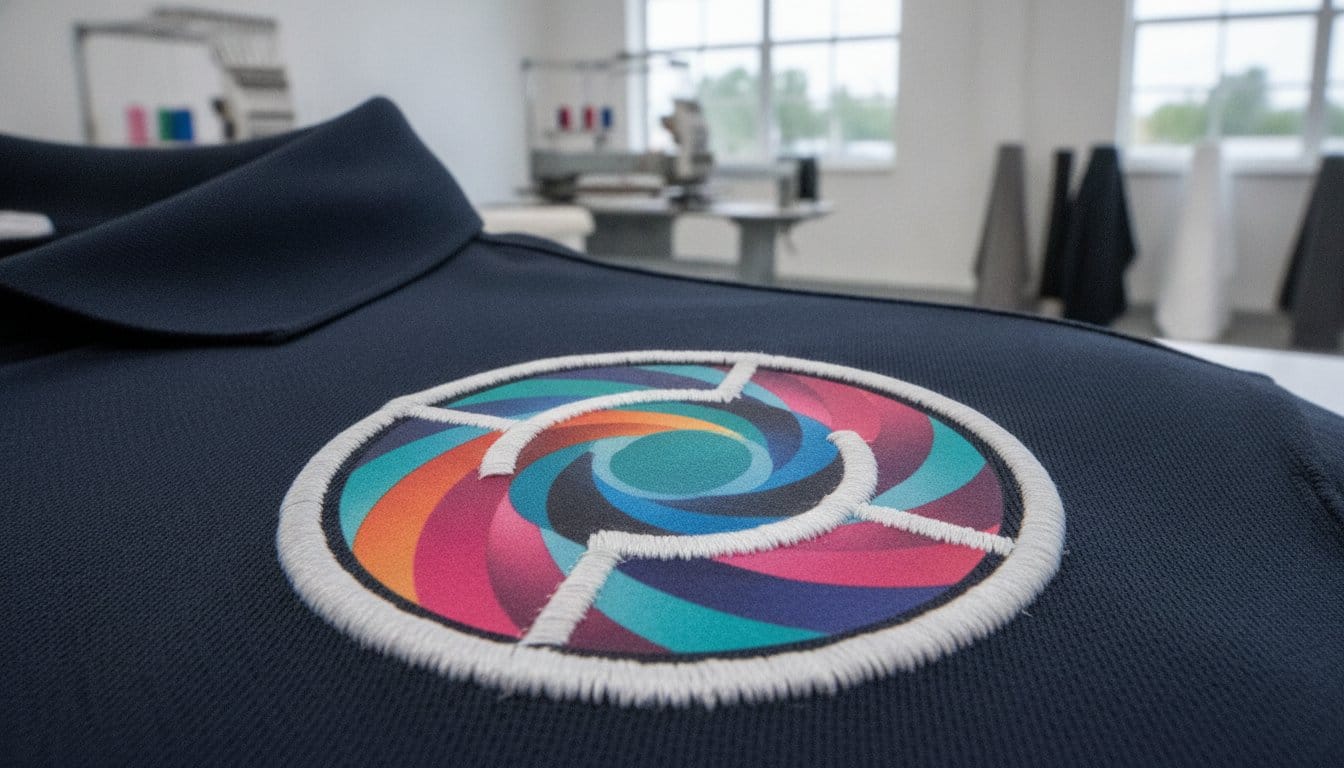
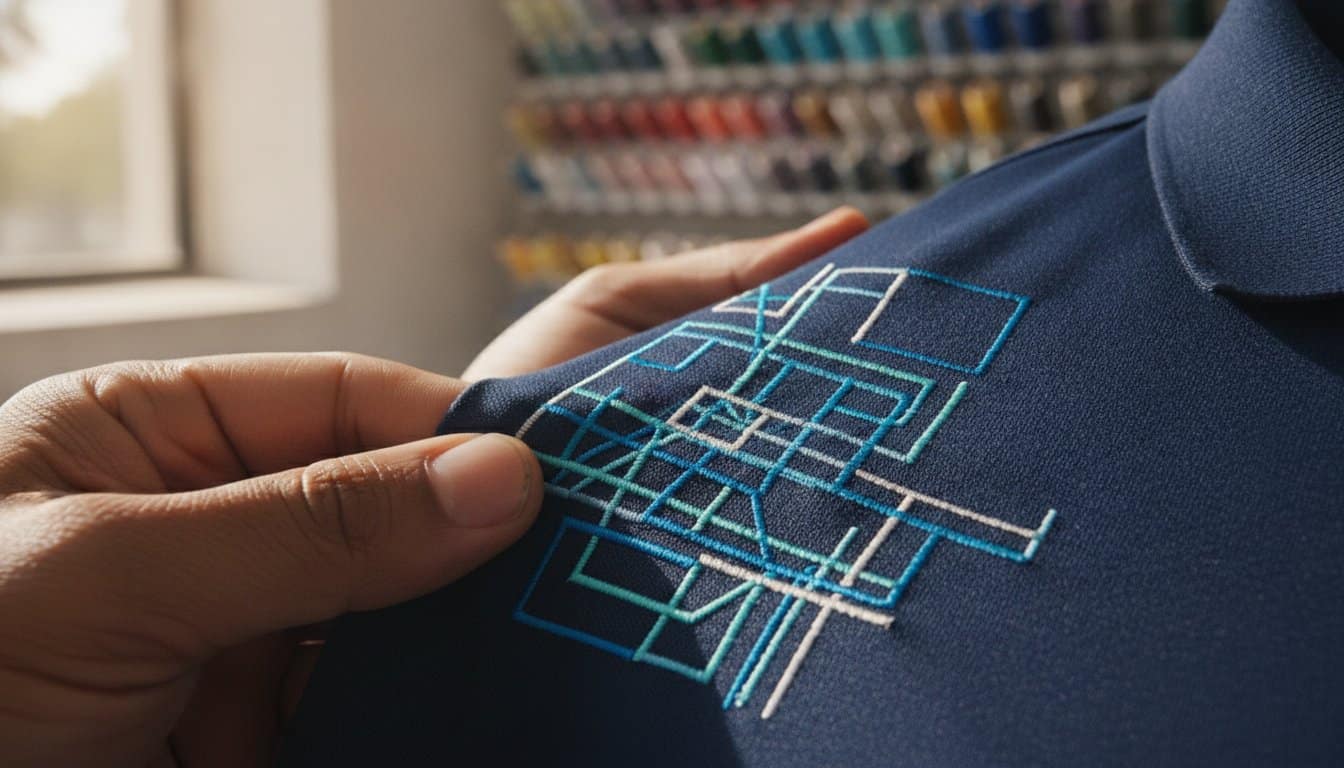
Choosing between a flat print and a textured stitch is no longer a requirement for professional branding in 2026. Most corporate clients in Doral and Wynwood find that traditional embroidery lacks the fine detail for modern, complex logos. Conversely, standard DTF transfers can feel too flat for premium executive wear. Combining dtf and embroidery solves this by merging photographic precision with the high-end feel of custom stitching.
This guide explains how to produce 3D-textured apparel that features full-color gradients without compromising garment integrity. You’ll learn the specific technical requirements for hybrid production. We include why we use a press setting of 307 degrees Fahrenheit for 12 seconds to protect your fabric. We also break down the differences between faux and true hybrid methods so your Miami business can choose the most efficient production path. From construction company uniforms in Opa-locka to high-end restaurant aprons in Hialeah, this approach sets a new standard for local apparel decoration.
Key Takeaways
- Discover how combining dtf and embroidery allows for photographic detail alongside the premium, 3D texture of traditional stitching.
- Learn the technical differences between “DTF-First” and “Embroidery-First” methods to control the final depth and layering of your designs.
- Identify the best materials for hybrid decoration and the specific heat press settings of 307°F for 12 seconds required for a durable bond.
- Differentiate between faux embroidery effects and true hybrid techniques to meet the specific quality demands of high-end corporate clients.
- Leverage same-day production in Miami with no minimum order requirements for fast turnaround on custom hybrid uniforms and apparel.
Why Combine DTF Transfers and Custom Embroidery for Your Brand?
Hybrid decoration merges the photographic precision of Direct-to-film (DTF) printing with the tactile, 3D premium feel of custom embroidery. This approach eliminates the historical trade-off between detail and texture. By combining dtf and embroidery, you can produce retail-quality apparel that stands out in the competitive Miami market. It’s the ideal choice for businesses looking to upgrade from basic prints to high-end “ropa personalizada” (custom clothing) in the medical, legal, and hospitality sectors.
The Limitations of Single-Method Decoration
Embroidery remains the gold standard for durability and perceived value. However, thread has physical limits. It cannot replicate tiny text, intricate shadows, or photographic color gradients effectively. Small details often become unreadable or “bunch up” on the fabric. Conversely, standard DTF transfers Miami are excellent for detail but can sometimes feel too flat on a premium polo shirt. B2B clients often find that a single method doesn’t meet their branding standards. Hybrid decoration fills this gap. We use DTF for the complex interior details and embroidery for the raised, professional border. This removes the “flat” look while maintaining perfect clarity.
Hybrid Design for Miami Business Sectors
Local industries have unique requirements for their branded gear. Construction firms in Hialeah and Opa-locka need logos that are both durable and highly visible. A hybrid approach allows for a rugged embroidered frame that protects the detailed printed center. In Wynwood, art galleries and event planners demand a more sophisticated aesthetic. They use hybrid techniques to create multi-dimensional designs that look like high-end retail merchandise. This adds significant perceived value to event swag and staff uniforms.
Restaurants in Doral and Coral Gables also benefit from this synergy. Their uniforms must withstand frequent industrial washing while maintaining a crisp, professional appearance. Combining dtf and embroidery ensures the brand logo remains vibrant without the thread fraying in high-detail areas. Captain Printing offers these advanced solutions with same-day production and no minimums at our local walk-in shop. We specialize in helping businesses transition from standard workwear to premium, multi-textured apparel that represents their brand accurately.
Technical Methods for Successful Hybrid Apparel Production
Successful hybrid apparel relies on a precise sequence of operations. Combining dtf and embroidery requires choosing between two primary workflows based on the desired visual depth. The “DTF-First” method involves applying the heat transfer to the garment before starting the embroidery process. This is ideal for designs where the thread acts as a frame or a top layer over a printed background. Conversely, the “Embroidery-First” method requires stitching the base or border first, then applying the DTF transfer into the designated center area. This second method is common for corporate logos where a crisp thread border surrounds a full-color gradient.
Embroidery Digitizing for Film Integration
Preparing vector files for hybrid work is different from standard embroidery. You must create “knockouts” in the stitch pattern. These are intentional gaps in the thread where the DTF transfer will sit directly on the fabric. If you try to press a transfer over a solid block of thread, the bond will be weak and prone to peeling. Our digitizing service ensures the thread border overlaps the print by exactly 1-2 millimeters to create a seamless transition. This technique prevents the fabric from peeking through the gap between the ink and the thread. It’s a standard requirement for high-end uniforms used by Doral hospitality groups or Coral Gables law firms who want a professional bordado (embroidery) finish.
Registration and Alignment Challenges
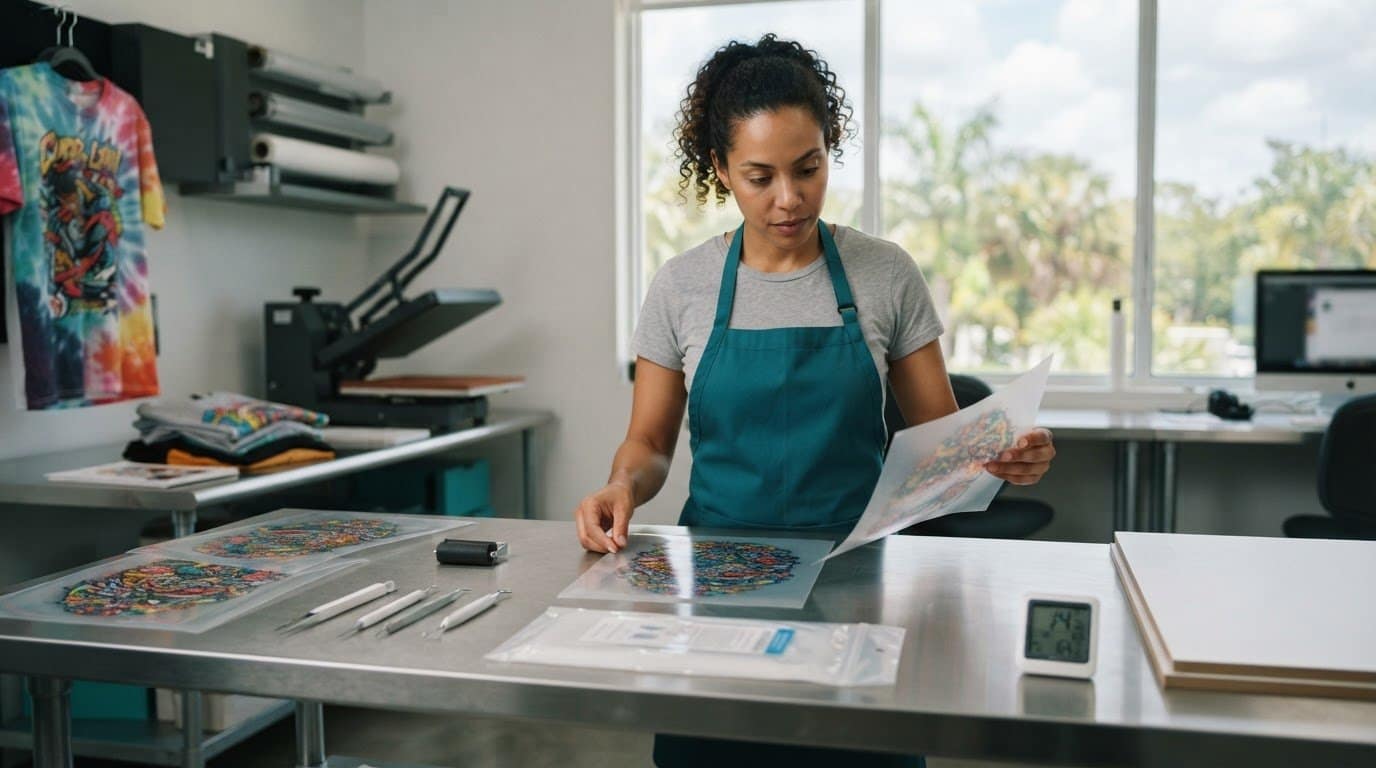
Shifting is the biggest risk in hybrid production. Even a tiny misalignment can ruin a premium garment. In our Opa-locka shop, we use physical placement jigs and laser alignment tools to ensure the heat press stage matches the embroidery hoop’s center. To avoid “ghosting” or blurred edges, the transfer must be secured with high-temperature tape before hitting the press. If the garment moves during the transition from the embroidery machine to the heat press, the entire design will be off-center. We verify every alignment point before applying heat to protect the integrity of the garment.
You can enhance these designs further by using specialty options like glitter or 3D puff DTF transfers. These add extra visual interest when paired with high-sheen embroidery thread. For those managing their own production, you can order DTF transfers Miami through our gang sheet builder to get the exact sizes needed for your embroidered knockouts. Remember to maintain a heat press setting of 307°F for 12 seconds to ensure the transfer bonds correctly with both the fabric and the surrounding thread. This temperature is critical for ensuring the adhesive melts into the fibers without scorching the polyester thread.
Faux Embroidery vs. True Hybrid Decoration: Which is Right for You?
Distinguishing between these two methods is vital for managing client expectations and production costs. Faux embroidery relies on high-resolution graphic design to simulate the appearance of thread. It’s a purely printed product that uses visual shadows and highlights to mimic texture. True hybrid decoration involves combining dtf and embroidery by physically layering thread over or around a DTF transfer. While both have their place in the Miami apparel market, the choice depends on your specific branding goals and the type of garment you’re decorating.
When to Choose Faux Embroidery DTF
This method is the best option for high-volume “camisetas personalizadas” (custom t-shirts) where speed and cost-efficiency are the priorities. It’s particularly effective for lightweight fabrics that might pucker or drape poorly under the weight of heavy stitch counts. If you need a fast turnaround for a last-minute event in Wynwood or Hialeah, faux embroidery allows for same-day production without the need for complex digitizing. It provides the visual aesthetic of a premium patch at a fraction of the cost and production time.
When to Invest in Custom Embroidery Accents
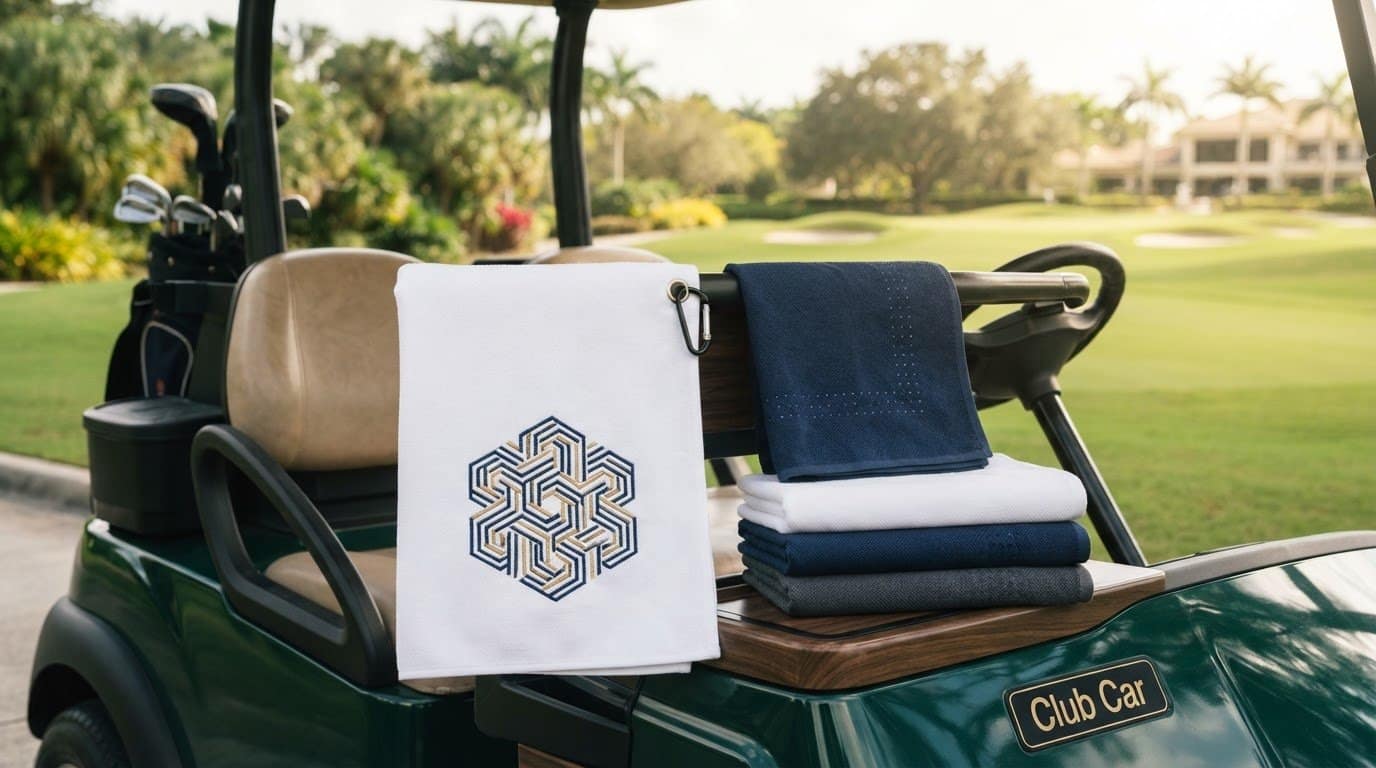
True hybrid decoration is the standard for corporate B2B clients in Doral and executive apparel in Fort Lauderdale. Physical thread adds a level of prestige and tactile quality that print alone cannot achieve. This method is required for brands that want the classic “bordado” (embroidery) texture and long-term durability on heavy-duty items like jackets, hats, and professional polos. Adding embroidered accents to a standard garment significantly increases its perceived market value. It effectively transforms a basic utility item into a high-end retail product suitable for client gifts or executive uniforms.
For local businesses, the decision often comes down to the intended use of the apparel. A gym in Coral Gables might prefer faux embroidery for breathable workout gear. A law firm in Downtown Miami will almost always require the physical texture of a true hybrid stitch. At Captain Printing, we offer both services with no minimum order requirements. You can visit our Opa-locka walk-in shop to feel the difference between these textures in person before placing your order. Whether you need the speed of a print or the prestige of a stitch, we provide in-house production to ensure your brand looks its best.
Master the Application: Heat Press Settings and Material Compatibility
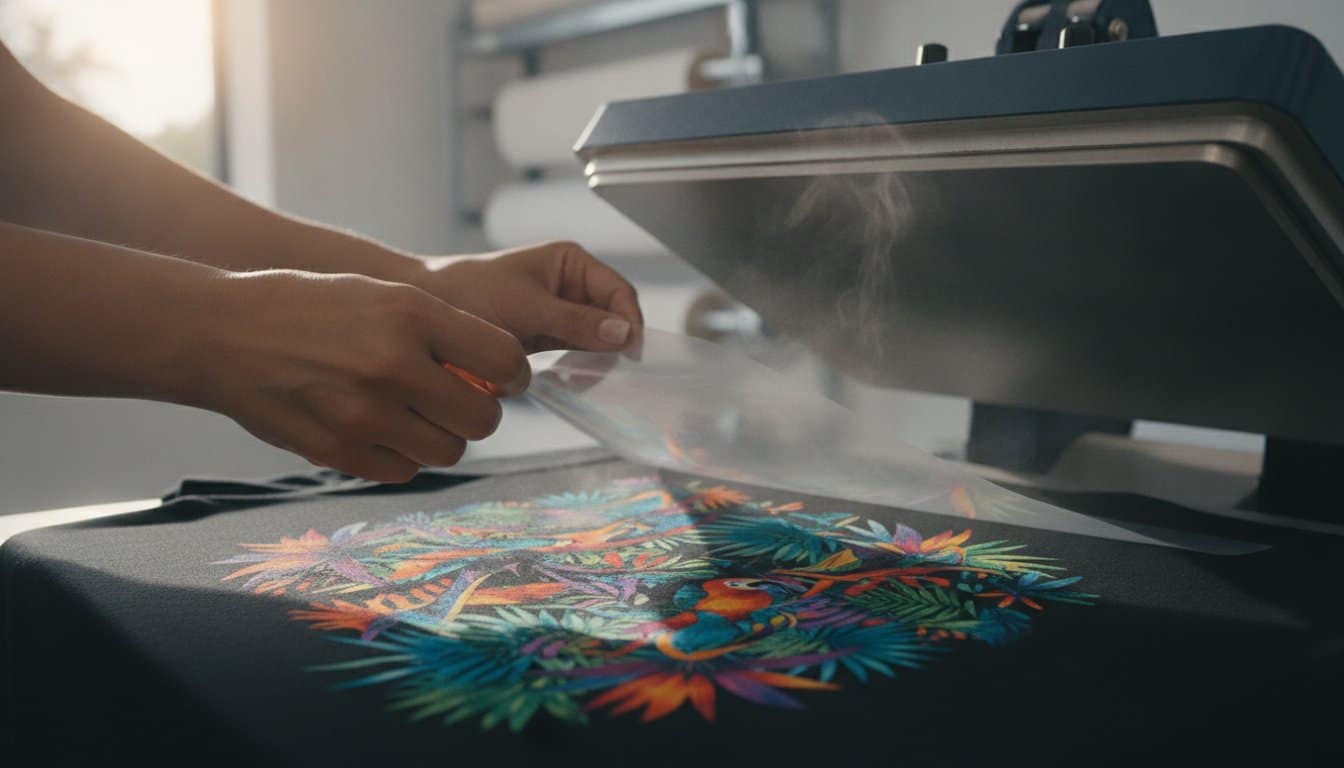
Precision in the heat press stage determines the longevity of hybrid apparel. Combining dtf and embroidery requires a specific temperature window to bond the adhesive without damaging the surrounding thread. We use a standard setting of 307°F for 12 seconds for all hybrid projects in our Opa-locka shop. Medium-heavy pressure is mandatory during this stage. This ensures the DTF adhesive penetrates the fabric fibers, especially when pressing near the raised texture of custom embroidery.
Heat Press Settings for Hybrid Projects
Sticking to the 307°F / 12-second rule is the first step toward a durable finish. Once the initial press is complete and the film is peeled, a second “finishing press” is essential. This 5-second follow-up press seals the edges of the transfer. It’s particularly important when the print sits inside an embroidered knockout. To protect the thread from direct heat plate contact, always use a Teflon sheet. If the embroidery is particularly thick, use a heat press pillow. This allows the heat plate to apply even pressure across the print without being blocked by the height of the stitches.
Material Compatibility: Cotton, Polyester, and Blends
Fabric choice dictates your technical approach. 100% cotton is the most reliable material for hybrid decoration. It handles high heat well and provides a stable surface for both heavy stitch counts and DTF adhesives. Polyester and performance blends, common for Miami gyms and sports teams, require more caution. These synthetic telas (fabrics) are prone to scorch marks if the heat is too high or applied for too long.
When working with polyester uniforms in Hialeah or Doral, we recommend testing a small area first. If scorching occurs, you may need to reduce the temperature slightly and increase the pressure. For high-stretch performance wear, we use stretch-proof DTF transfers to ensure the design doesn’t crack when the athlete moves. This combination of thread and flexible ink creates a professional look that survives industrial laundering. It’s the best way to maintain a high-end brand image on athletic gear.
If you’re managing your own production and need reliable results, you can order DTF transfers Miami to test on your specific garment blends. This prevents ruining expensive blank apparel during the final production stage.
Ordering Hybrid Apparel in Miami: Fast Turnaround and No Minimums
Captain Printing provides a direct solution for businesses combining dtf and embroidery without the burden of high minimum orders. Our Opa-locka shop handles all production in-house. This allows us to offer genuine same-day service for local clients. Whether you run a small boutique in Wynwood or a startup brand in Fort Lauderdale, you can access retail-quality decoration on your schedule. We eliminate the wait times associated with out-of-state providers.
Our facility offers a professional environment for B2B clients and resellers. We understand the urgency of the Miami market. Our servicio bilingüe (bilingual service) ensures that every technical detail is communicated clearly in English or Spanish. This is essential for complex hybrid projects where registration and alignment are critical. You can manage your entire project through our digital tools or visit us in person to see samples of finished hybrid garments.
Local Pickup and Same-Day Service
You can order DTF transfers online and select local pickup to bypass shipping delays. We serve Doral, Hialeah, and the surrounding areas with reliable production speeds. Because we are a physical walk-in shop with in-house equipment, we don’t charge middleman fees or setup costs. This makes hybrid decoration accessible for small batches, such as a dozen premium hats for a local event or a single prototype for a corporate uniform pitch.
Optimizing DTF Gang Sheets for Hybrid Use
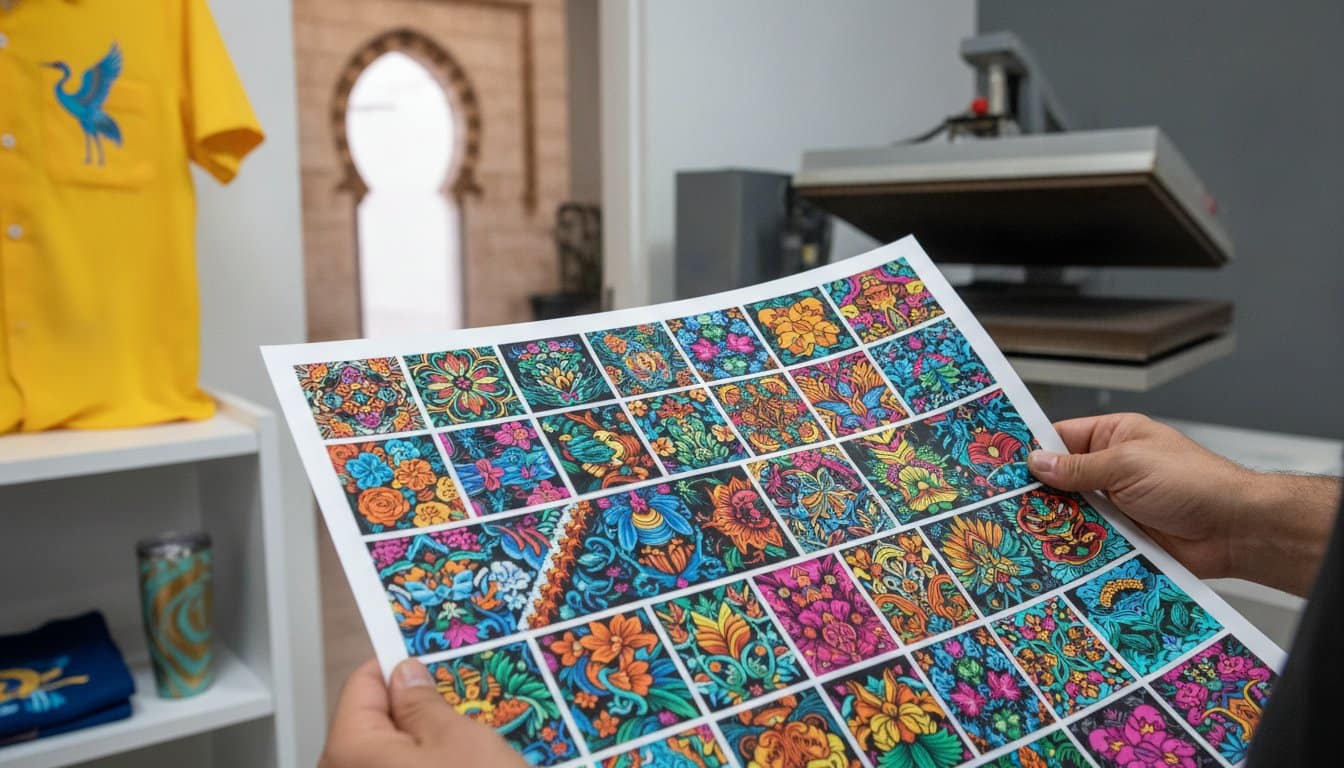
Use our gang sheet builder to organize your designs for maximum efficiency. When you are combining dtf and embroidery, you can include the specific print-only elements and the hybrid-ready graphics on the same sheet. This maximizes your material use and lowers the per-item cost. If you’re working on a complex layout, you can contact us directly via WhatsApp for a consultation. We help you ensure your vector files and knockouts are prepared correctly for a seamless finish.
Visit our Opa-locka shop today to see how hybrid decoration can upgrade your brand’s apparel. We provide the technical expertise and fast turnaround you need to stay competitive in the Miami market.
Upgrade Your Apparel with Hybrid Decoration
Mastering the art of combining dtf and embroidery allows your brand to compete at a retail level. You no longer have to choose between the fine details of a digital print and the high-end texture of a physical stitch. By following the 307°F for 12 seconds application rule, you ensure a durable bond that withstands industrial laundering. It’s the 2026 standard for professional ropa personalizada (custom clothing) in Miami sectors like hospitality and construction.
Captain Printing makes this advanced technology accessible to all local businesses. We offer same-day production in our Opa-locka shop with no minimum order requirements and no setup fees. Our servicio bilingüe (bilingual service) ensures every technical detail is communicated clearly via phone or WhatsApp. Whether you’re in Doral, Wynwood, or Fort Lauderdale, we provide the fast turnaround your business demands.
Take the next step in premium branding today. Order Your Custom Hybrid Apparel in Miami Today to see the difference that professional in-house production makes for your company uniforms. We look forward to helping you create high-end apparel that represents your brand with precision and durability.
Frequently Asked Questions
Can you heat press DTF transfers over existing embroidery?
You can apply DTF transfers near or around embroidery, but pressing directly over a solid block of thread isn’t recommended. The adhesive requires direct contact with fabric fibers to create a permanent bond. If you must overlap, use a “knockout” in the stitch file so the transfer sits on the garment itself. This ensures the design doesn’t peel or crack after industrial laundering or frequent wear.
What are the best heat settings for combining DTF and embroidery?
The standard requirement for combining dtf and embroidery is 307°F for 12 seconds. Use medium-heavy pressure to force the adhesive into the fabric weave. We always recommend a second finishing press for five seconds after peeling the film. This extra step seals the edges of the transfer and creates a seamless transition between the printed ink and the embroidered thread for long-term durability.
Does hybrid decoration last as long as traditional embroidery?
Hybrid decoration is designed for high-durability environments like Miami construction sites and restaurants. The embroidery provides a permanent, textured border while the DTF ink is both wash-proof and stretch-proof. When applied at the correct temperature, the print won’t peel from the fabric. The combination results in a garment that maintains its professional appearance through dozens of heavy-duty wash cycles without fading or fraying.
What is the difference between faux embroidery and a true hybrid design?
Faux embroidery is a high-resolution DTF print that uses graphic shadows to mimic the look of thread. It’s a flat surface with no actual texture. True hybrid decoration uses physical thread and physical ink to create a multi-dimensional result. True hybrids offer the prestige of bordado (embroidery) with the photographic detail that thread alone can’t replicate for complex corporate logos or detailed artwork.
Are there any fabrics that cannot handle both DTF and embroidery?
Most standard workwear fabrics like cotton, polyester, and blends handle these methods well. However, ultra-thin silk or heat-sensitive synthetics aren’t ideal because they can’t support the weight of heavy embroidery or the 307°F heat press stage. We recommend testing performance wear for Miami gyms to ensure the fabric doesn’t scorch. Our Opa-locka shop provides material testing to verify compatibility before your full production run begins.
Can I order hybrid apparel with no minimum quantity in Miami?
Yes, you can order hybrid apparel with no minimum order requirements at our Opa-locka walk-in shop. We don’t charge setup fees, making it affordable for small businesses in Wynwood or Doral to produce professional gear. This flexibility is perfect for prototyping new uniform designs or ordering small batches for local events. You get the same high-quality production regardless of whether you order one piece or one hundred.
How do I prepare my design file for a hybrid DTF and embroidery project?
You should provide a high-resolution vector file for the embroidery and a separate high-DPI file for the DTF print. Ensure the embroidery file includes knockouts where the print will sit. This prevents the transfer from being applied over thread. Our digitizing service in Miami can assist with file preparation to ensure perfect registration. Proper file setup is the most important step for a successful and professional hybrid result.