Blog
Branded Apparel for Miami Startups: How to Choose the Right Print Method


The most prominent logo treatment isn’t automatically the right one for every garment. When choosing branded apparel for miami startups, consider how the item will be worn, what the logo needs to show, and whether you expect to reorder it.
Printed transfers and embroidery can be difficult to compare if your team is small or still changing. Start with the garment and design: DTF transfers apply a printed graphic to apparel, while custom embroidery adds a stitched logo to items such as polos, hoodies, and caps.
This guide shows how to match a decoration method to your garment and logo, prepare artwork and order details, and plan quantities for an initial order and future reorders. It also explains what to confirm about production timing. Whether you’re outfitting staff, preparing for an event, or creating a consistent team look, these steps can help you make a clear plan with a local Miami-area provider.
Key Takeaways
- Choose branded apparel for miami startups according to the order’s purpose, such as staff uniforms, event clothing, team merchandise, or customer gifts.
- Compare DTF transfers and embroidery by the logo’s appearance, garment, artwork, and the questions you need answered before production.
- Match each garment to its role and setting, and collect staff sizes before confirming quantities.
- Prepare the logo file and confirm the garment, placement, quantity, and required date before approving production.
- Captain Printing offers DTF transfers, custom embroidery, and finished custom apparel from its shop at 13680 NW 19th Ave Unit 1B, Opa-locka, FL 33054.
What should Miami startups consider before ordering branded apparel?
Choose apparel by considering who will wear it, where it will be worn, how you want the brand to appear, and when you need it. A daily uniform has a different purpose from launch-event merchandise or a customer gift. Decide how each item will be used before selecting a garment or decoration method.
Think about the work setting, too. Will the team work outdoors, move between indoor and outdoor spaces, or spend most of the day inside? Select garments for the intended setting, then ask the provider to confirm that the garment and decoration method are compatible. Save the approved logo file and design details so future orders have a consistent reference.
Which startup teams and occasions need branded apparel?
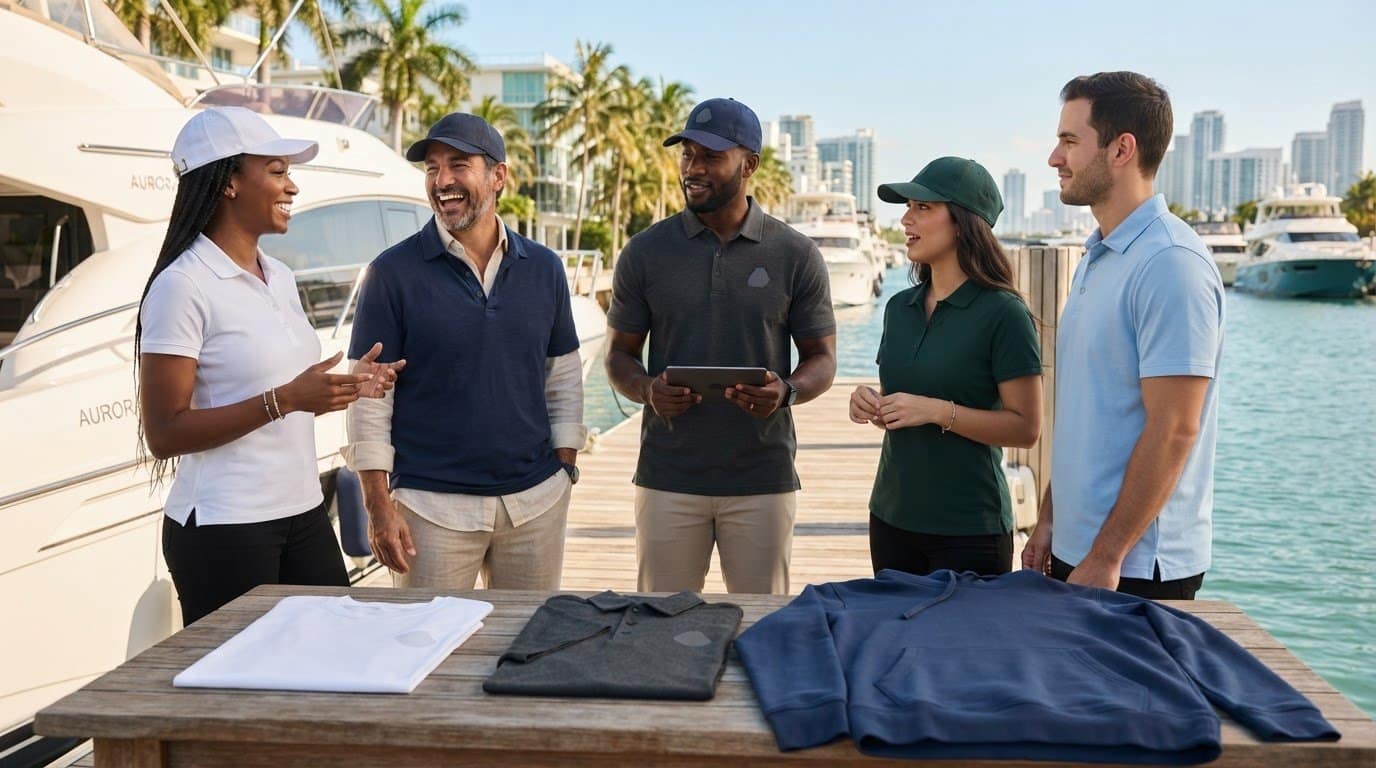
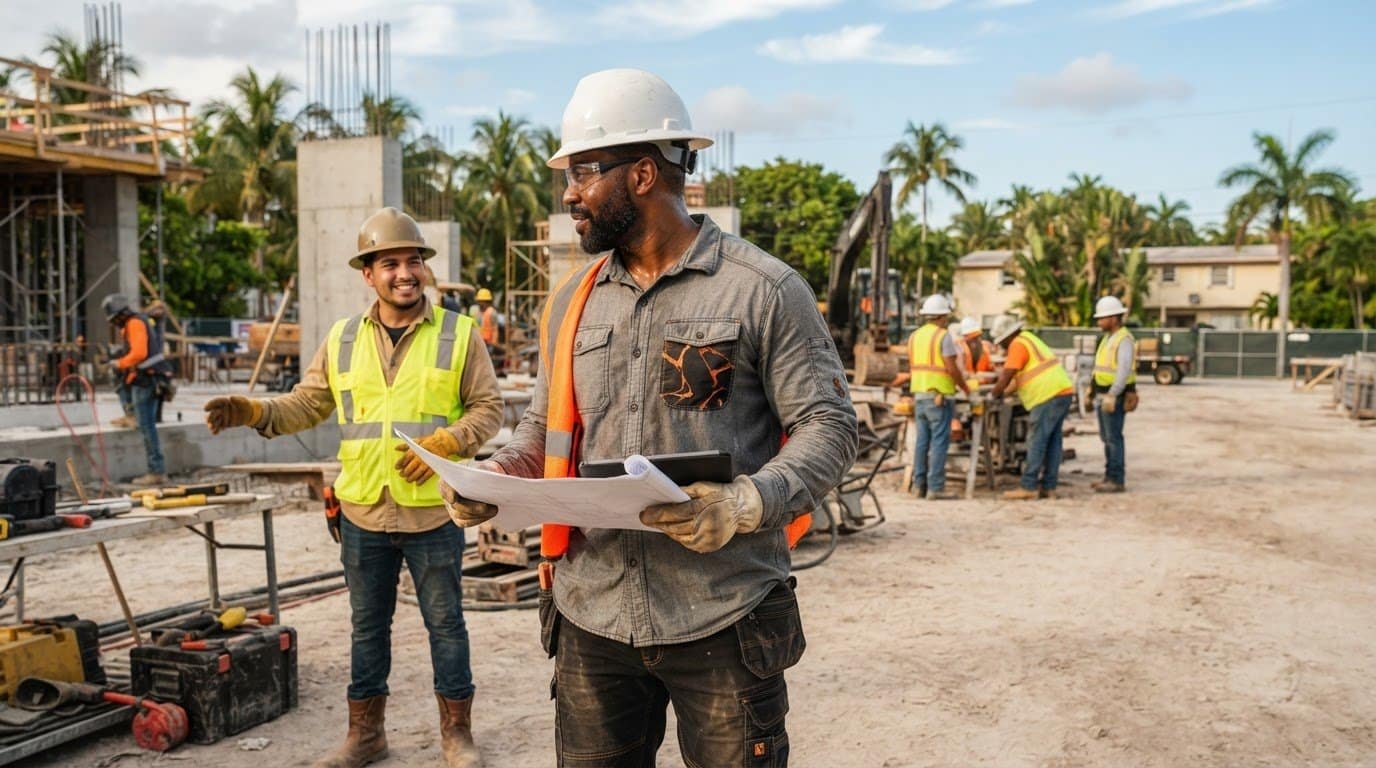
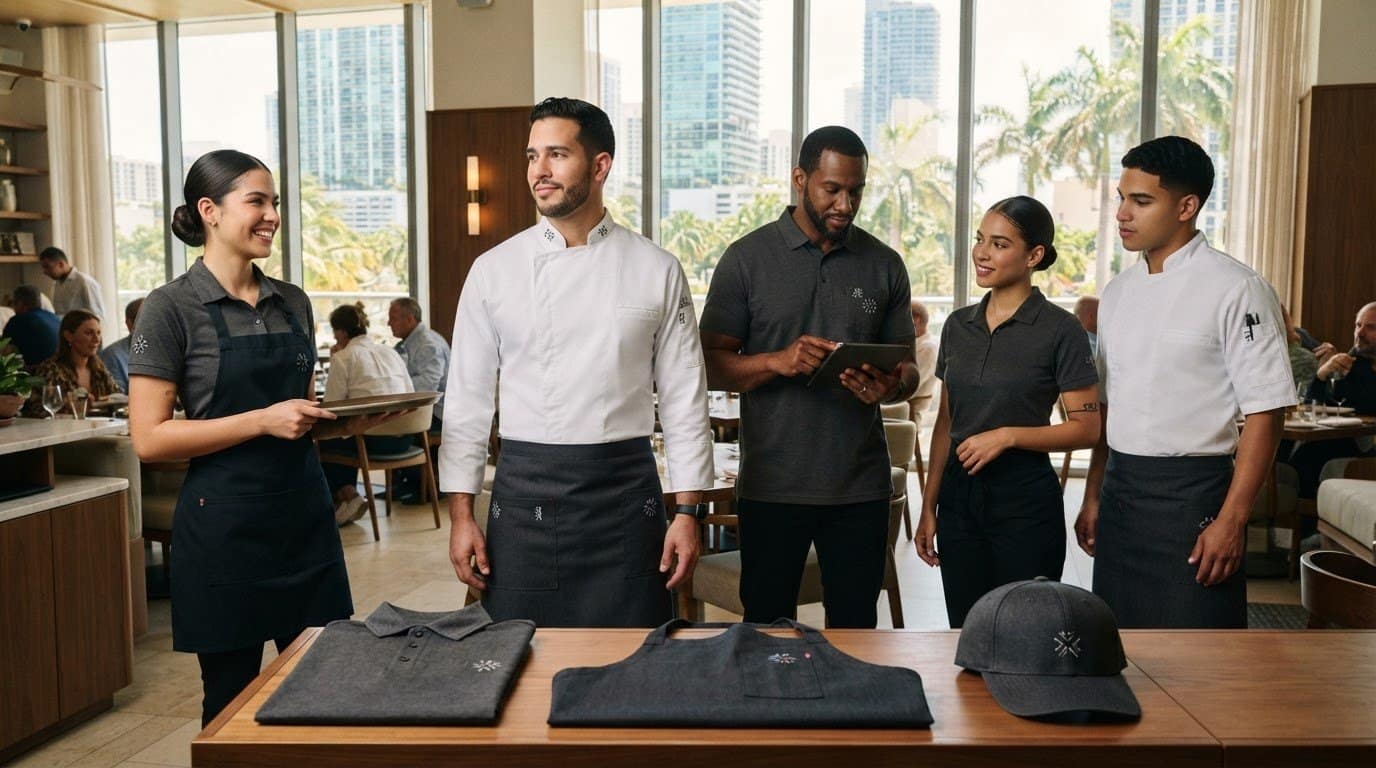
Begin with the wearer and occasion. A Miami restaurant may need coordinated clothing for daily service, while a construction company may be planning apparel for employees at job sites. A gym might want clothing for its team or merchandise, and an event planner may need recognizable apparel for staff at a launch or event.
Keep recurring staff apparel separate from event merchandise and occasional promotional clothing. Different roles may call for different garments or logo placements. For example, a front-of-house team and kitchen staff may need different clothing choices, while event staff may need a logo that is easy to spot. For printed apparel graphics, review DTF transfers in Miami. For a general overview of another decoration process, see screen printing.
What should a startup decide before requesting a quote?
Prepare an order brief before asking about pricing or production timing. Gather these details, even if some quantities are estimates:
- Garment types and intended use, such as staff uniforms, event apparel, or customer gifts.
- Approximate quantities and size information. Ask the team for sizes instead of guessing a size breakdown.
- Garment colors, logo placement, and any differences between roles.
- The date the apparel is needed, including any event or launch deadline.
- The logo file and the name of the person responsible for approving the artwork and final order details.
For an initial order, separate immediate needs from possible future quantities. Keep a record of the approved artwork, garment, color, placement, and size breakdown. That gives a future order a clear reference as the team grows or changes.
Before production begins, confirm the artwork, garment details, quantity, and schedule with the provider. Don’t assume a minimum order, price, or completion date. Ask what applies to your specific order.
DTF transfers or embroidery: which decoration fits your startup apparel?
For branded apparel for miami startups, compare DTF transfers and embroidery by looking at the logo, garment, and intended use. DTF transfers apply a printed graphic to apparel. Embroidery creates a stitched logo. Neither method is right for every design, so consider the appearance you want and the item your team will wear.
| Factor | DTF transfers | Embroidery |
|---|---|---|
| Appearance | A printed graphic or logo. | A stitched logo with visible thread texture. |
| Garment context | Finished custom apparel, including T-shirts, hoodies, and workwear. | Business clothing such as polos, hoodies, and caps. |
| Artwork | Provide the logo file and confirm the intended size and placement. | Review fine details with the provider before production. |
| Ordering questions | Ask about garment compatibility, placement, and artwork suitability. | Confirm how the design will translate to stitching on the selected garment. |
Use the table as a starting point, then confirm the design and garment details before production. For printed apparel graphics, explore Miami DTF transfers.
When are DTF transfers a practical option for startup apparel?
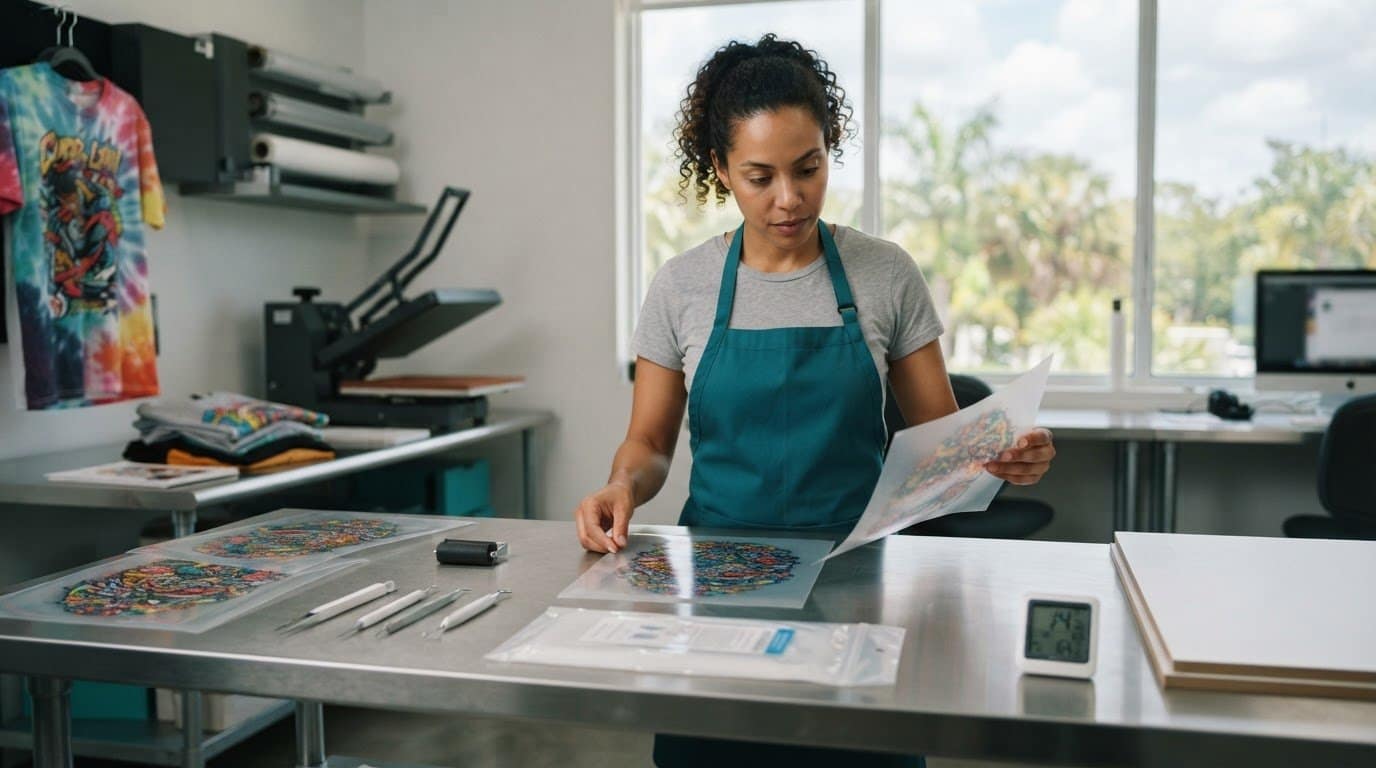
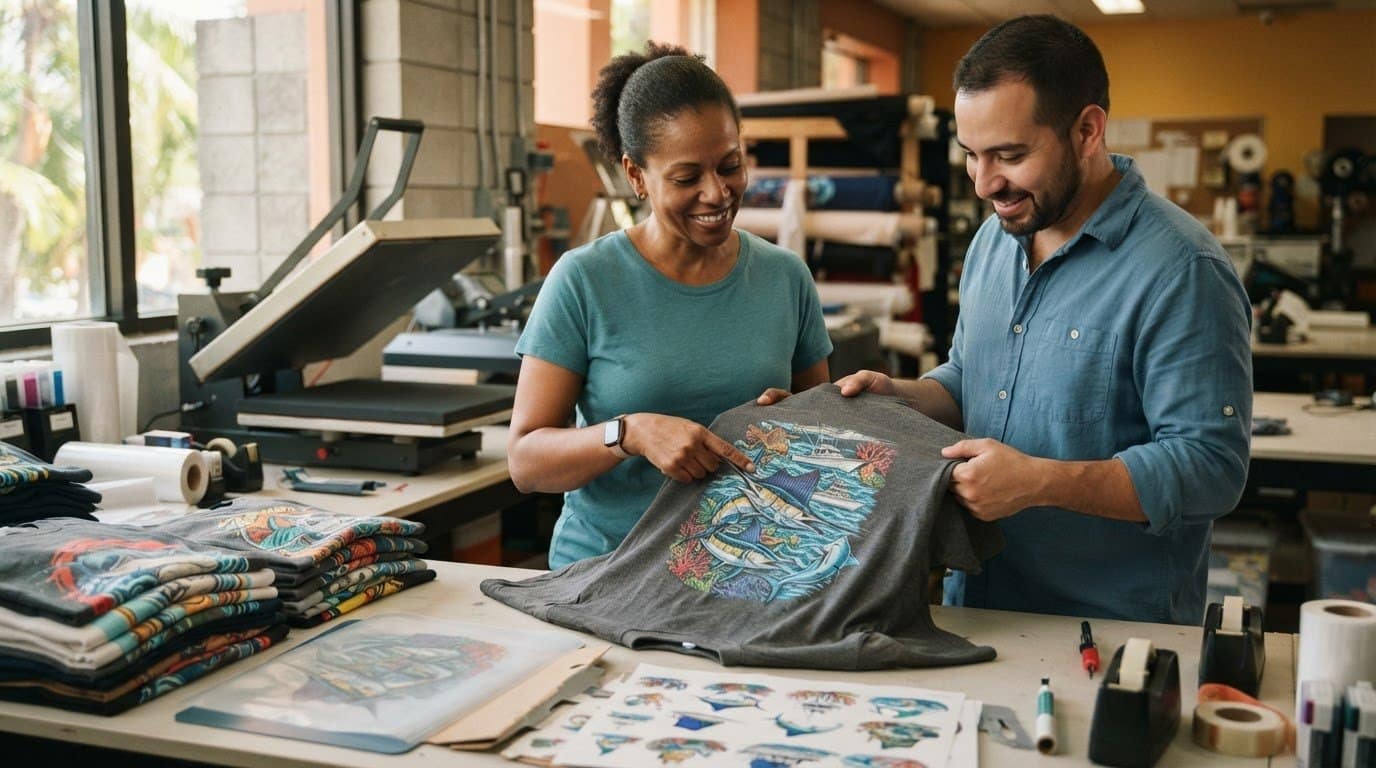
DTF transfers are an option for adding printed graphics to finished custom apparel. They may fit a startup logo or event design when you want a printed image rather than stitching. A gang sheet can combine multiple designs on one sheet, which may be useful when preparing different graphics for an order. Review the available gang sheet options and confirm whether choices such as glitter, neon, or 3D puff suit your design.
When should a startup consider embroidered business clothing?
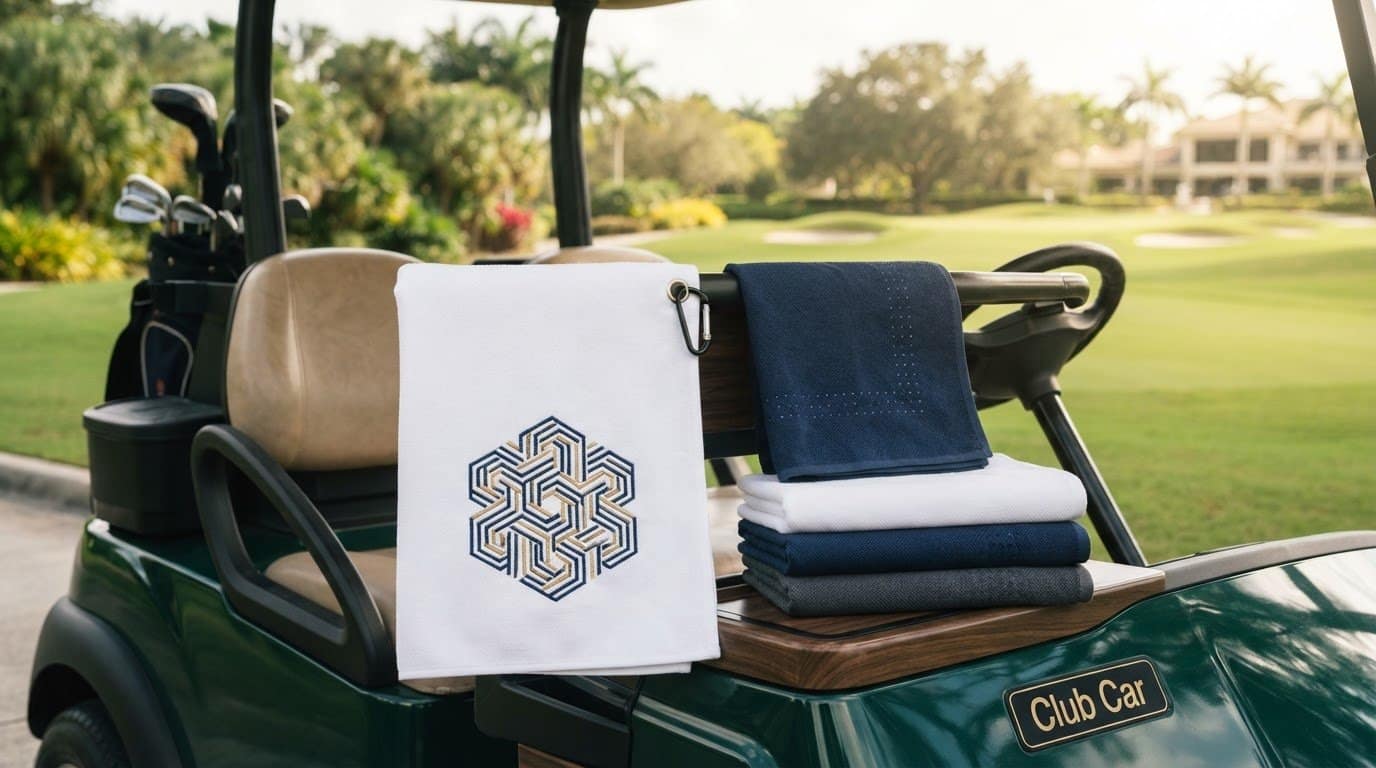
Consider custom embroidery for business clothing such as polos, hoodies, and caps. A stitched logo can work well when thread texture is part of the look you want for a uniform or team outfit. Small text and fine details should be reviewed before production. Share the artwork and ask how it will translate to stitching on your chosen garment, then confirm placement and garment details before approval.
How can startups compare apparel choices without overordering?
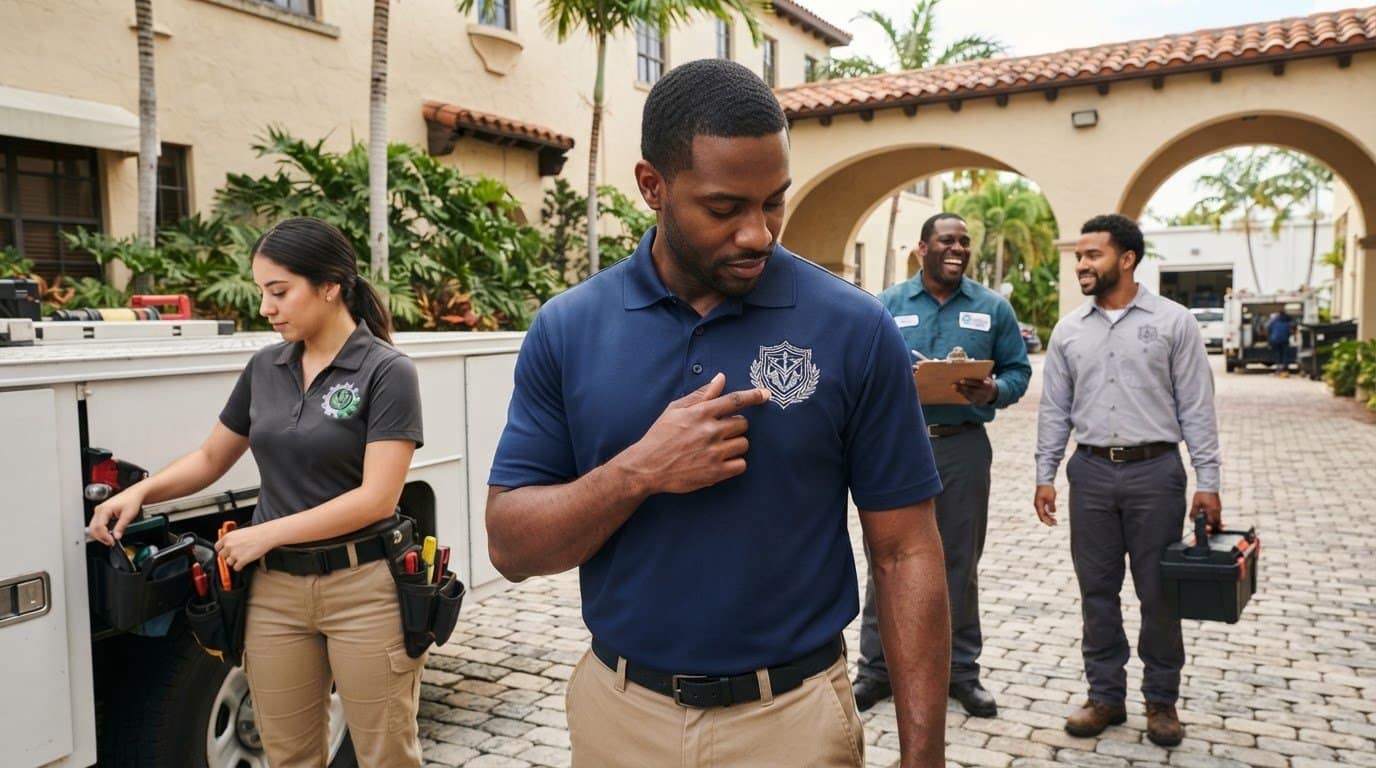
Compare garments by role, setting, expected use, and logo placement. For branded apparel for miami startups, a consistent team look doesn’t require every employee to wear the same style. Keep shared brand elements consistent while choosing garments that suit different roles and occasions.
Collect sizes from the people who will wear the apparel before confirming quantities. Don’t guess the size breakdown. If your team is changing, distinguish current staff needs from possible future orders instead of adding unconfirmed quantities to the first order.
Which apparel styles suit different startup roles?
Use this guide to compare common styles by context. These are planning considerations, not claims about garment performance.
Polos: Consider them for customer-facing roles where a coordinated business look matters, such as restaurant service or gym staff. Decide whether the logo should go on the chest or another agreed placement.
T-shirts: Consider them for event teams, gym merchandise, or casual staff apparel. Decide whether the design is for regular wear or a specific event, then confirm its size and placement.
Hoodies: Consider them for team apparel or settings where an additional layer is useful. Identify which roles need them rather than ordering the same garment for everyone.
Caps: Consider them for selected team roles or event identification. Check that the logo placement works with the cap style and chosen decoration method.
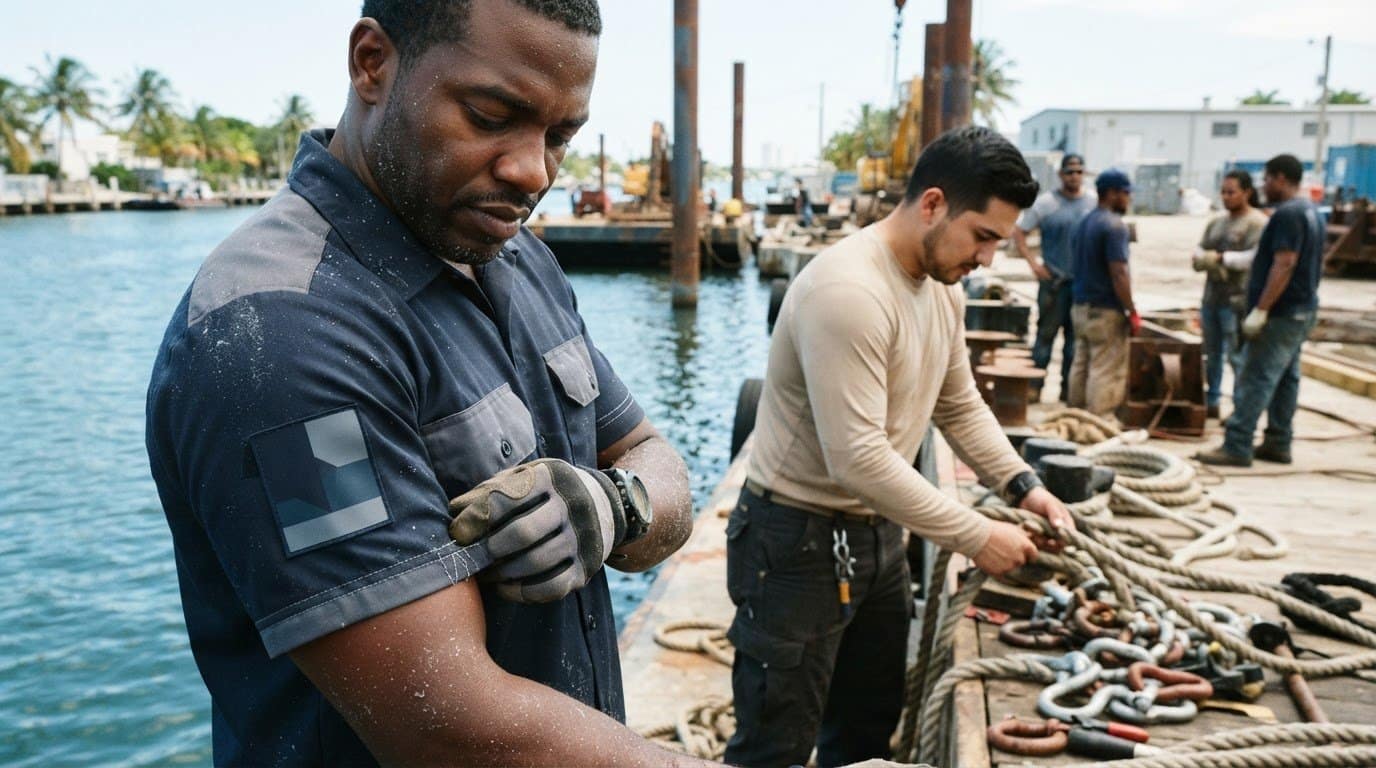
For example, an event planner might choose shirts for event staff and a different item for the office team. A construction company should assess each role’s work setting and any customer requirements before choosing apparel. A general garment suggestion is not a safety or uniform compliance decision.
How can a startup make a first order easier to repeat?
Keep a simple record of the order. Save the approved artwork, garment, color, logo placement, size information, and final quantity. If you expect to reorder, ask the shop how to use those details as a reference, especially if the team or garment selection changes.
- Collect staff sizes before confirming quantities.
- Record any differences by role, garment, or logo placement.
- Keep the approved artwork and order details together for future reference.
For startup T-shirt orders, review the Miami DTF transfers page and confirm the garment and artwork details with the provider before production.
How do Miami startups prepare artwork and place an apparel order?
A clear order starts with a defined purpose, a suitable garment, and artwork the production team can review. For branded apparel for miami startups, confirm the design, sizes, quantity, and required date before approving production. Specific details help the shop review your request and identify anything that needs clarification.
What artwork and order details should buyers prepare?
Use this workflow to move from an idea to production approval:
- Define the use. Note whether the apparel is for staff, a launch, an event, or another purpose.
- Choose the apparel. Identify the garment style and preferred color, then confirm available options with the provider.
- Prepare the artwork. Send the preferred logo or design file. Say whether you’re considering a printed graphic or embroidery, and identify the intended placement. If you’re unsure whether the file is suitable, ask the provider to review it before production.
- Confirm order details. List each garment, color, size breakdown, quantity, placement, and requested date. Identify who can approve the artwork and final details.
- Approve production. Review the artwork and confirmed order details before approving the order to proceed.
For heat-applied DTF transfers, don’t guess at temperature or material compatibility. Follow verified product instructions for the specific transfer and garment, and ask the provider if anything is unclear.
What should local buyers confirm before production begins?
Ask the shop to confirm artwork approval, garment options, production timing, and pickup or delivery arrangements. If you have a deadline, explain it before approving the order and get confirmation of the schedule for your specific items.
These checks can help startups coordinating from Miami, Opa-locka, Hialeah, Doral, Wynwood, or Fort Lauderdale. Captain Printing’s local shop is at 13680 NW 19th Ave Unit 1B, Opa-locka, FL 33054. Contact the shop if you need to clarify artwork or order details before approval.
Have a logo ready for a DTF apparel order? Explore Miami DTF transfers and confirm your garment, artwork, and order requirements with the provider.
How can Captain Printing help Miami startups produce branded apparel?
Captain Printing provides DTF transfers, custom embroidery, and finished custom apparel for Miami-area businesses. DTF transfers are an option for printed apparel graphics, while embroidery can suit business clothing such as polos, hoodies, and caps. The right method depends on your design, garment, and intended use.
Which Captain Printing services are relevant to a startup apparel order?
Choose DTF transfers when you want a printed graphic on apparel. Consider custom embroidery for a stitched logo on business clothing. Captain Printing also offers finished custom apparel, including T-shirts, polos, hoodies, and caps, which can be customized using DTF or embroidery.
Share your logo and garment requirements before confirming the order. Ask the shop to review artwork suitability, placement, garment options, and any method-specific instructions. This gives the production team clear information to assess your design and chosen apparel.
What should buyers do next in Miami?
Prepare the information the shop needs to review your request: artwork, garment styles, preferred colors, quantities, size breakdown, logo placement, and the date you need the order. Name the person who will approve the final artwork and production details. If quantities are still being planned, label them as estimates and confirm them before approval.
Captain Printing serves customers through its online platform and local shop at 13680 NW 19th Ave Unit 1B, Opa-locka, FL 33054. Ask about the timing and pickup or delivery arrangements for your specific order.
For branded apparel for miami startups, gather your artwork and order details, then request Miami DTF transfer service for your apparel graphics.
Phone: +1 (305) 930-4700 | Address: 13680 NW 19th Ave, Unit 1B, Opa-locka, FL 33054 | Email: [email protected]
Build a consistent apparel plan for your startup
Choose apparel according to its purpose, then match the decoration method to the garment and logo. DTF transfers apply printed apparel graphics, while custom embroidery can suit business clothing such as polos, hoodies, and caps. Confirm staff sizes, artwork, placement, quantity, and timing before approving production.
Captain Printing offers DTF transfers, custom embroidery, and finished custom apparel from its local shop at 13680 NW 19th Ave Unit 1B, Opa-locka, FL 33054. Confirm the options and arrangements for your specific order directly with the shop.
Bring your logo and order requirements together before you start. A clear brief gives your startup a practical next step and helps you keep future apparel orders consistent.
Explore DTF transfers for Miami startups and discuss your apparel needs with the local team.
Phone: +1 (305) 930-4700 | Address: 13680 NW 19th Ave, Unit 1B, Opa-locka, FL 33054 | Email: [email protected]
Frequently Asked Questions
What is the best way for a Miami startup to order branded apparel?
Start by defining the apparel’s purpose, then confirm the garment, decoration method, artwork, quantities, and required date. Decide whether the order is for staff clothing, an event, or team merchandise, since each use may call for different styles or logo placement. Send the logo file and identify who will approve the final design. Confirm garment options, production timing, and pickup or delivery arrangements before approving the order.
Are DTF transfers or embroidery better for startup uniforms?
Choose according to the artwork, garment, and appearance you want. DTF transfers apply a printed graphic to apparel, while embroidery creates a stitched logo. DTF may suit a printed design on a T-shirt or hoodie; embroidery may fit business clothing such as polos, hoodies, or caps. Ask the provider to review fine logo details and confirm garment compatibility before production. Neither method is automatically right for every uniform.
Can a startup order a small quantity of branded apparel?
Ask the shop about quantity requirements for your specific apparel and decoration order. For a small first order, collect team members’ sizes before setting quantities. Keep the approved artwork, garment choices, placements, and size breakdown so a future order has a clear reference.
How should I prepare a logo for custom apparel printing?
Send the preferred logo or design file and specify its intended size and placement on the garment. Include the garment style and color, decoration method under consideration, quantity, and requested date. If you’re unsure whether the file is suitable for DTF transfers or embroidery, ask the provider to review it before production. Approve the final artwork and placement details before the order moves forward, and follow verified instructions for any heat-applied transfer.
Can I get same-day branded apparel in Miami?
Production timing depends on the specific order. Ask Captain Printing whether your apparel type, decoration method, artwork, and requested date can be accommodated, and confirm the schedule before making plans around a deadline. Don’t assume a same-day timeline until the shop confirms it for your order. The local shop is at 13680 NW 19th Ave, Unit 1B, Opa-locka, Florida 33054.