Blog
UV DTF for Branding Fishing Coolers and Tackle Boxes


A smooth-looking cooler isn’t proof that a decal will hold. With uv dtf for branding fishing coolers and tackle boxes, the material, texture, curves, and finish matter more than appearance alone. Cooler and tackle-box surfaces vary, so check compatibility before ordering a full batch.
UV DTF transfers are a hard-surface branding option, but results depend on the item and its preparation. Water, sun, and frequent handling are practical factors to consider, not performance guarantees. This guide explains how to identify the surface, plan artwork and placement, prepare the area, and test one transfer before producing more.
Whether you’re branding personal fishing gear, preparing items for an event, or ordering for resale, start with the specific cooler or tackle box you plan to decorate. Captain Printing offers UV DTF transfers from its local shop at 13680 NW 19th Ave Unit 1B, Opa-locka, FL 33054. Use the steps ahead to make an informed choice and avoid assuming every plastic surface will accept the same application.
Key Takeaways
- UV DTF is a hard-surface branding option, but compatibility depends on the cooler or tackle box’s material and finish.
- For uv dtf for branding fishing coolers and tackle boxes, inspect texture, curves, seams, and coatings before choosing a decal size or placement.
- Compare UV DTF decals, ordinary stickers, and apparel-focused DTF transfers by intended surface and application method.
- Prepare artwork and the surface carefully, follow the current transfer instructions, and test the application before ordering for a larger run.
- Plan an order around your gear, artwork, and quantity, whether you’re an individual maker, fishing-event organizer, local business, or reseller.
What Does UV DTF Branding Do for Fishing Coolers and Tackle Boxes?
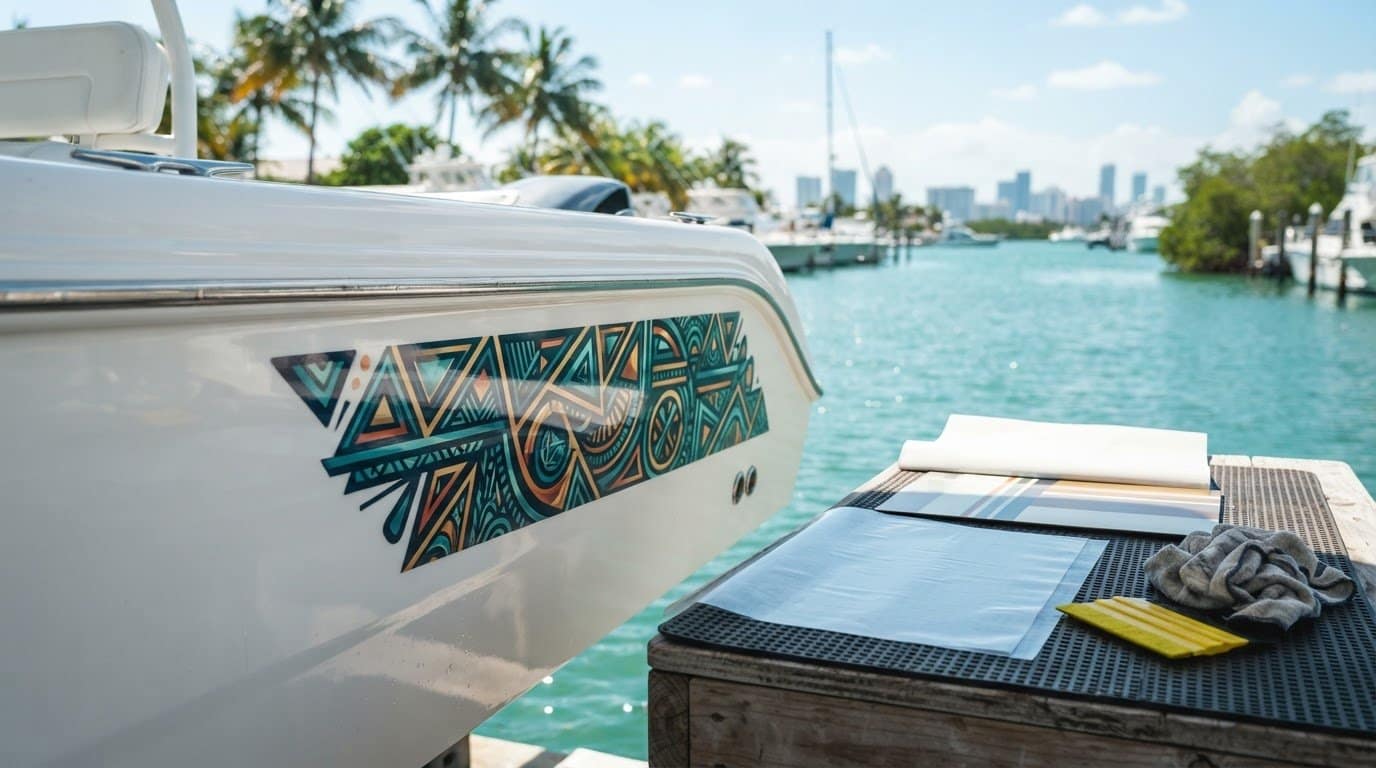
UV DTF is a finished transfer option for branding hard surfaces. It can put a logo or other graphic on a fishing cooler or tackle box, but suitability depends on the specific surface and its condition. UV DTF for branding fishing coolers and tackle boxes starts with checking the item, not assuming every plastic will accept a transfer.
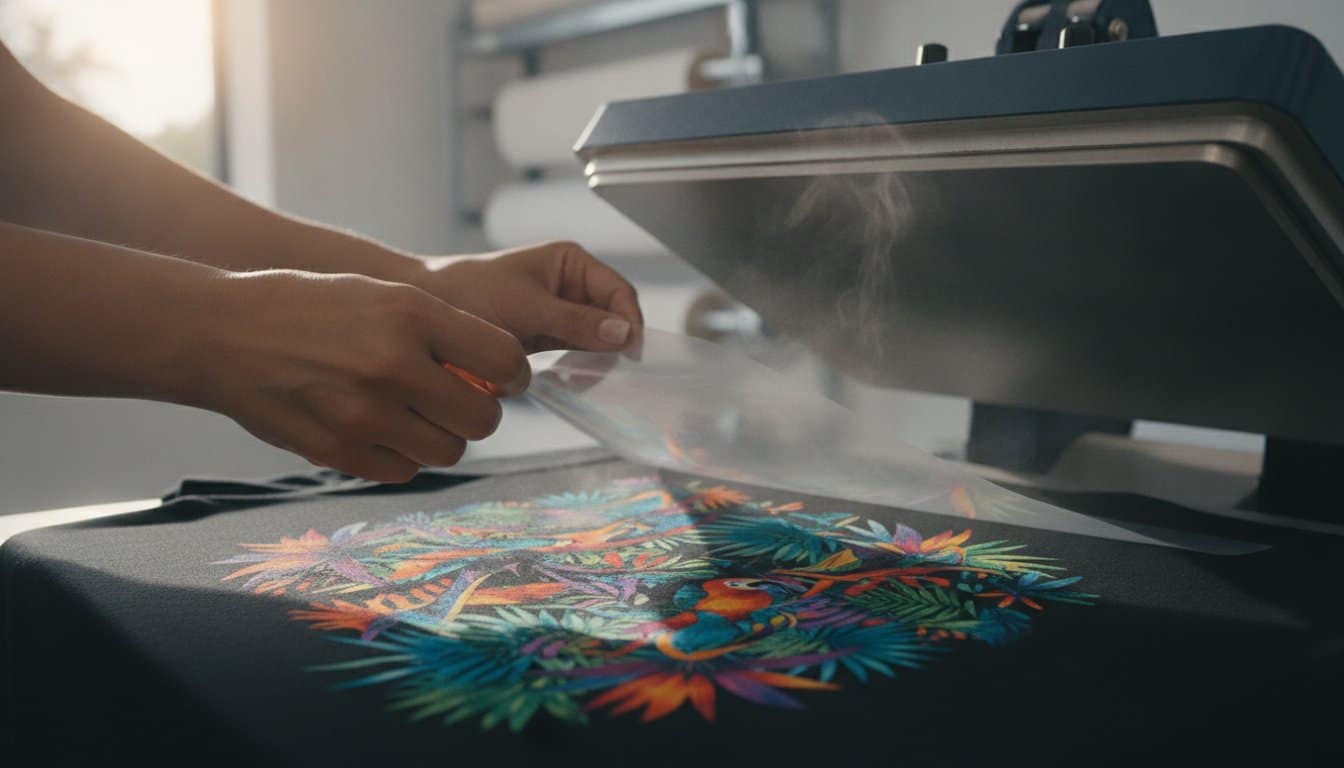
Unlike apparel-focused DTF transfers, which are made for decorating fabric, UV DTF transfers are intended for hard surfaces. The finished graphic functions as a decal, applied to an item rather than pressed into clothing. That distinction helps identify the right product category, but it doesn’t establish how well a particular cooler or box will hold the transfer.
What Can You Brand on a Cooler or Tackle Box?
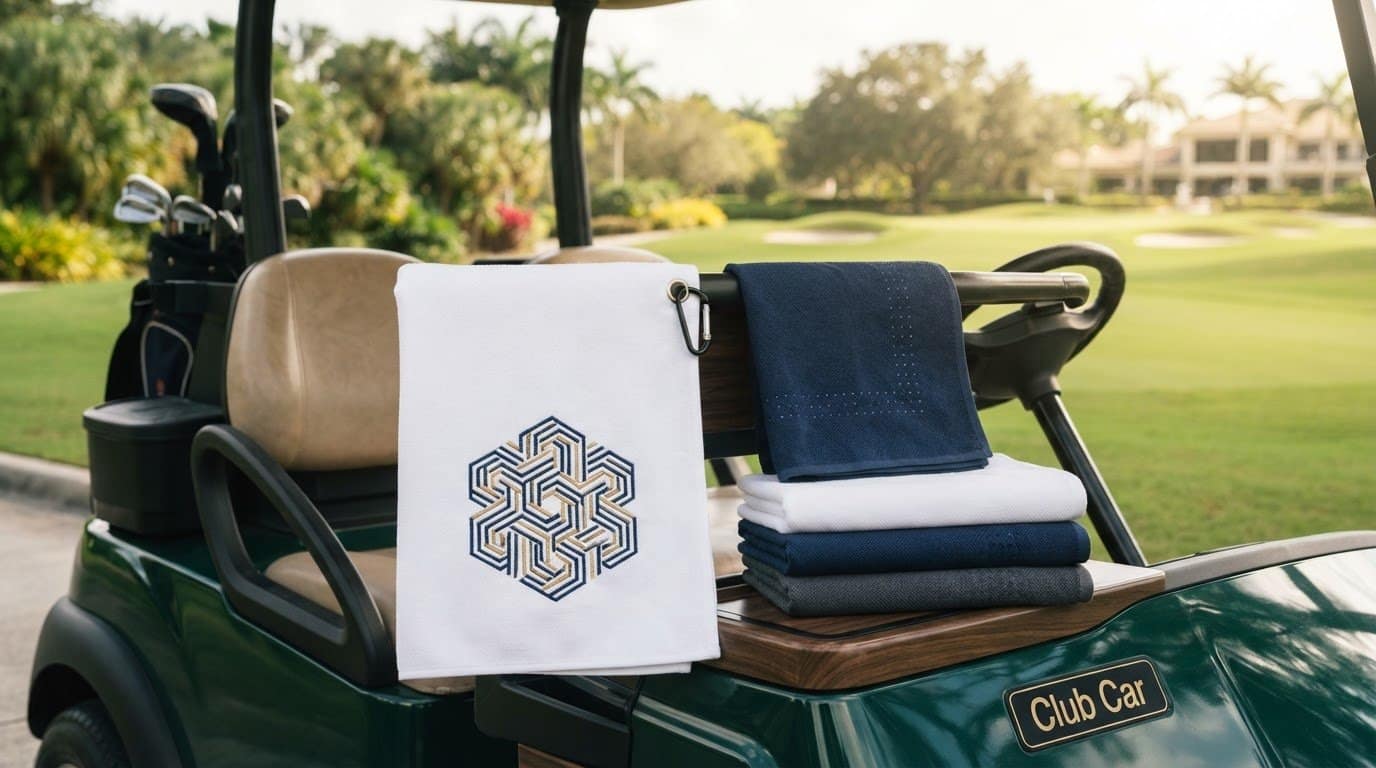
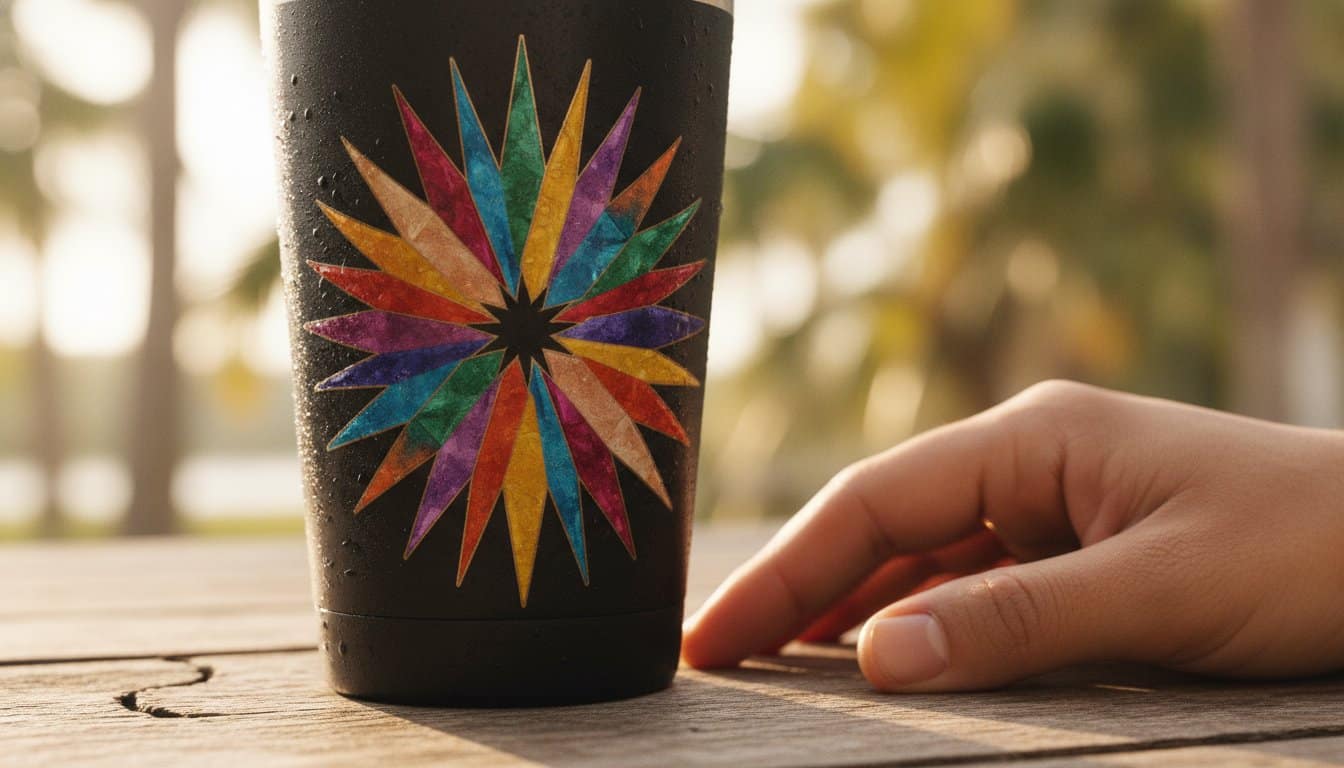
Use UV DTF for a logo, fishing-event name, sponsor mark, or identification graphic, provided the target area is compatible. A tournament organizer might plan a consistent event mark, while an outdoor business could consider branding gear for staff or promotions. Individual anglers may want a name or another identifying design.
Compare the intended placement before finalizing artwork. A cooler lid may have a different shape and texture from its side, while tackle-box panels can vary in size, contours, and finish. Leave room around seams, edges, and raised details. Don’t assume a smooth-looking area has a suitable coating.
When Is UV DTF Worth Considering for Fishing Gear?
For one personalized item, a finished hard-surface decal may be worth considering when you can identify a suitable area and test the application. For a shop, event, outdoor brand, or reseller ordering repeat designs, check the intended item and placement first. This helps you base artwork sizing and quantity on the actual gear rather than an estimate.
Compatibility depends on the specific surface, including its material, finish, texture, and shape. Similar-looking coolers or boxes may differ in those details. Confirm the item and follow the current transfer instructions before planning a larger run.
Captain Printing offers UV DTF transfers for hard surfaces. For fishing gear branding in the Miami area, share the item type, intended placement, artwork, and quantity when discussing an order. Those details make it easier to address the project requirements before you proceed.
How UV DTF Transfers Differ from Other Fishing Gear Branding Options
Choose a branding method by the surface it’s intended for, how it’s applied, and what the item’s finish can support. A product label alone doesn’t confirm compatibility. Review UV DTF transfer instructions and confirm that the specific cooler or tackle-box surface is suitable before ordering.
| Method | Intended surface | Application approach | Artwork considerations | What to verify |
|---|---|---|---|---|
| UV DTF decal | Hard surfaces, subject to compatibility | Transfer to the item following the supplied instructions | Size and placement must suit the panel, curves, and seams | Material, finish, texture, curvature, and instructions for that transfer |
| Ordinary sticker | Varies by sticker construction and intended use | Apply according to the product’s directions | Check dimensions, cut shape, and placement area | Adhesive and surface suitability, plus any use limitations stated by the supplier |
| Apparel-focused DTF transfer | Fabric garments | Applied using the instructions for the apparel transfer | Artwork should fit the garment and intended decoration area | Fabric compatibility and the transfer’s specific heat-application instructions |
UV DTF Decals Versus Standard Stickers
“Sticker” can describe products with different constructions and intended applications. Compare the product specifications rather than assuming every sticker uses the same adhesive or performs the same way. Ask whether it is intended for the item’s material and finish, and check whether the target area is textured, curved, or interrupted by seams.
For a cooler lid, a broad, relatively flat area may be easier to plan than a curved edge. A tackle-box panel may have molded details that affect placement. Measure the usable space and confirm suitability before settling on artwork dimensions.
UV DTF Decals Versus DTF Transfers for Apparel
Apparel-focused DTF transfers and UV DTF decals serve different application categories. DTF is for fabric decoration; UV DTF is intended for hard-surface branding when the item is compatible. Don’t apply garment heat settings or pressing steps to a hard-surface decal. Follow the current instructions for the specific product instead. If you’re also sourcing garment decoration, review DTF transfers for Miami apparel projects.
For fishing businesses and event organizers, consistent branding can help identify gear and other items. Simon-Kucher discusses long-term profitability and brand equity in the durable-goods market; the practical choice here still starts with matching the transfer to the item. For uv dtf for branding fishing coolers and tackle boxes, confirm the product, surface, and use before producing a larger quantity.
How to Check Cooler and Tackle-Box Surface Compatibility
Check the exact item before ordering. Similar-looking coolers and tackle boxes can use different plastics, coatings, and surface textures, so appearance alone can’t confirm whether a UV DTF transfer will adhere. For uv dtf for branding fishing coolers and tackle boxes, verify the intended surface with the transfer provider and test a representative area or sample where practical.
Use this pre-order checklist:
- Identify the material. Check the product label, manual, or manufacturer information. Don’t guess the plastic type from the item’s appearance.
- Inspect the finish. Note whether it is smooth, matte, glossy, coated, or otherwise treated.
- Check the texture. Look for molded ridges, grain, recessed panels, or uneven areas where the transfer would sit.
- Assess the placement. Note curves, seams, hinges, lid edges, and areas that receive frequent handling.
Record what you find. Specific details help you ask a compatibility question about the item instead of relying on a general description such as “plastic.”
Which Surface Details Should You Inspect?
Examine the exact panel planned for branding, not just another area of the same item. A flat section may have a different finish from a curved side, and a protective coating can affect the surface. Check whether the artwork would cross a ridge, recess, hinge, or edge. These details help you assess whether the placement is practical, but they don’t prove adhesion.
Take clear photos from more than one angle. Include the full item and a close view of the target area so the finish, texture, and nearby seams are visible.
How Can You Reduce Risk Before Ordering?
Send the transfer provider the item’s make and model, if known, any material details from its documentation, photos of the planned placement, and the intended decal size. Ask whether that specific surface is appropriate and whether a sample test is advisable. Mention any coating or textured panel directly.
Confirm compatibility on the actual item before planning a larger run. Test on a discreet, representative area or a matching sample where possible. A test can help assess the application on that surface, but it isn’t a guarantee for other items with different finishes or construction.
Follow the UV DTF transfer application instructions for the transfer you receive. Don’t substitute steps from another product or assume that a successful test on one cooler applies to every cooler or tackle box in an order.
How to Prepare and Apply UV DTF Branding to Fishing Gear
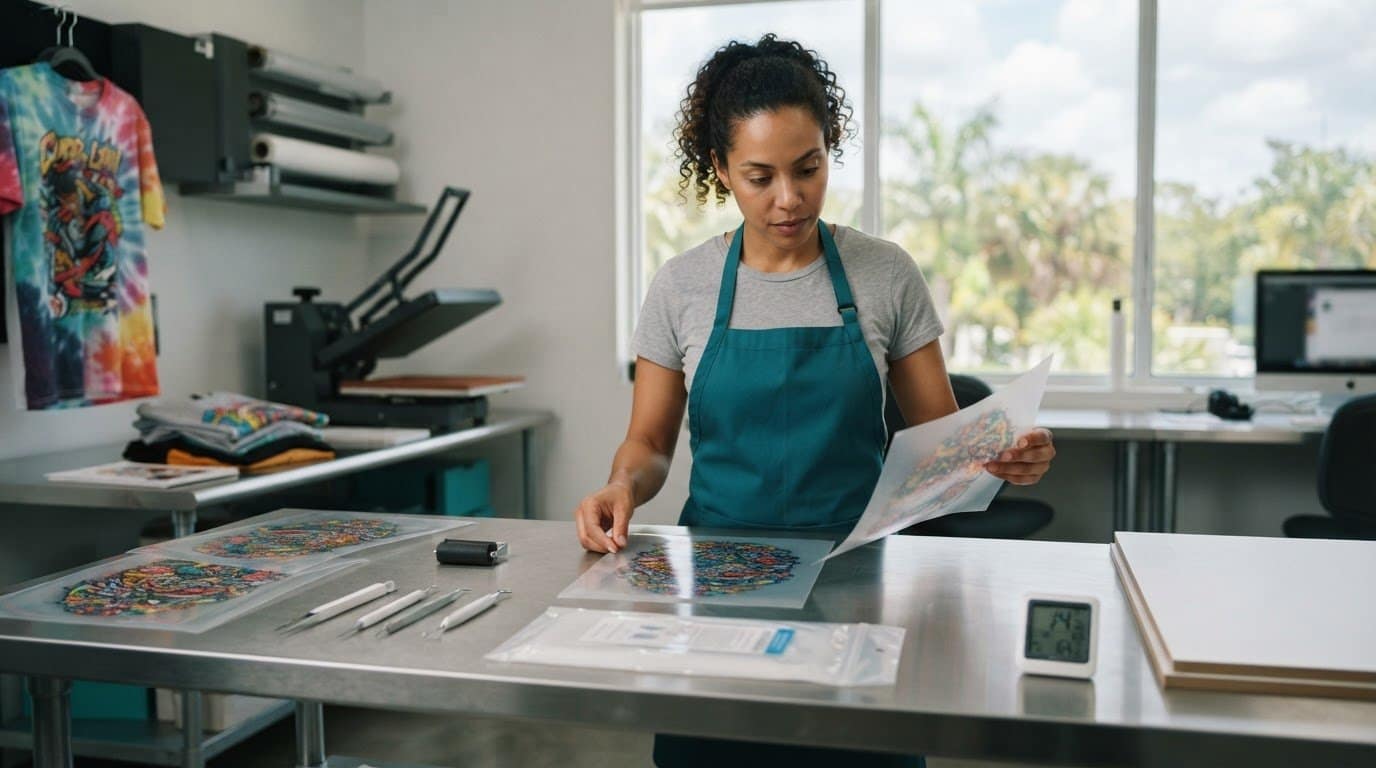
Use a controlled workflow: confirm the surface is appropriate, plan the placement, finalize the artwork, prepare the item, then apply the transfer using its current instructions. Cleaning methods and application steps can vary by item and transfer, so don’t assume one process fits every cooler or tackle box.
How Should You Prepare the Design and Placement?
Measure the usable panel and compare it with the transfer’s final size. Account for edges, curves, molded details, seams, handles, and areas you regularly grip or open. Choose a visible location that won’t interfere with normal access to the lid, latch, or compartments.
Check that the logo remains legible at the intended size. Review small text, color contrast against the item, and the proportions of the full design. Ask your transfer provider about file requirements and final sizing before production. A clear photo of the target panel can help explain placement constraints.
What Should You Do During Application?
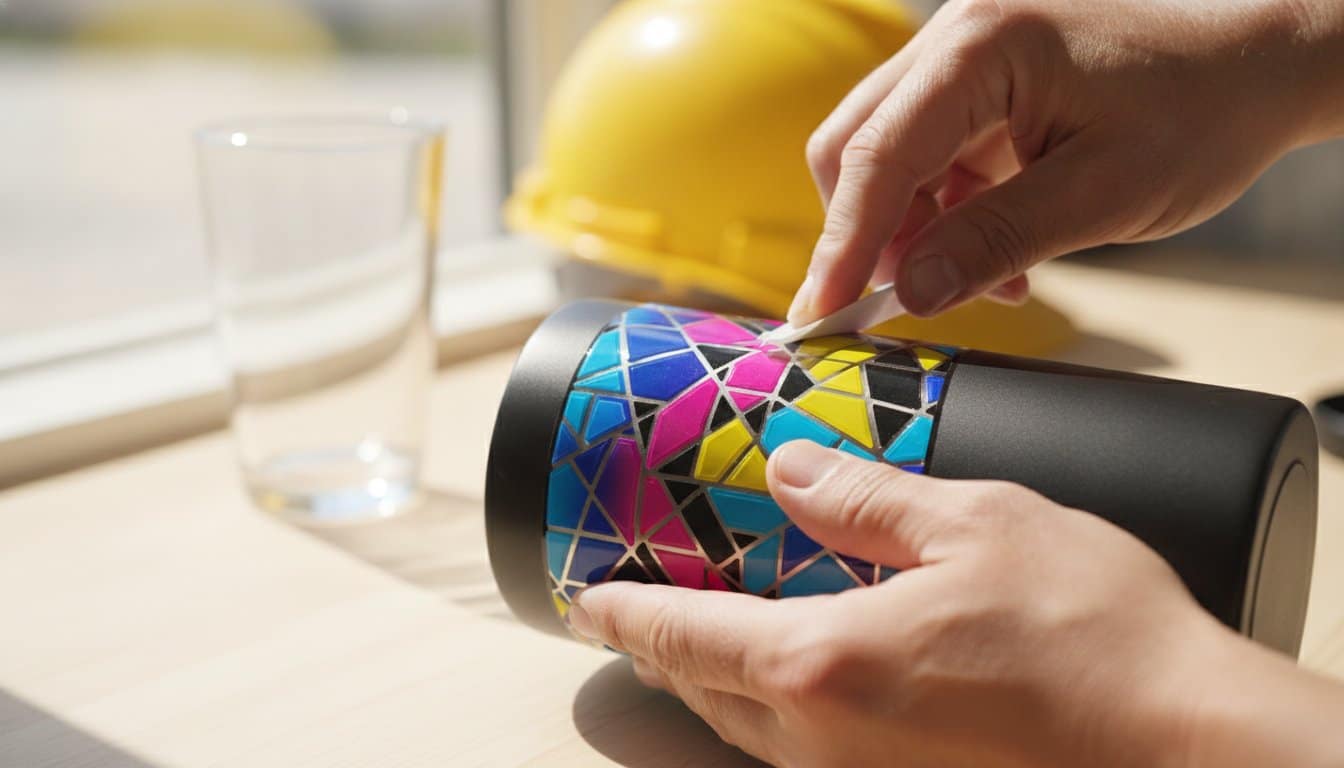
Follow the instructions supplied for the specific UV DTF transfer. Don’t borrow application steps from apparel transfers or another decal product. Don’t assume a heat-press temperature for hard-surface UV DTF application. Use only the cleaning method and application directions provided for the item and transfer.
Before applying, check the placement against the panel and align the design carefully. Make firm, even contact only as directed by the product instructions. Don’t invent a cure time, temperature, or handling interval. If instructions are unclear, confirm them with the provider before applying the transfer.
- Confirm the surface. Use the material and finish information you gathered to check compatibility for the specific item.
- Plan placement. Select a visible area that avoids seams, handles, hinges, and normal access points.
- Prepare artwork. Confirm dimensions, legibility, contrast, proportions, and file requirements before submitting.
- Clean and dry. Follow the item-specific and transfer-specific guidance. Make sure the area is ready as instructed before application.
- Apply per instructions. Align the transfer carefully and follow the current product directions without substituting unverified settings.
For a larger order, test the design on a representative item first where practical. Keep the test conditions consistent with the intended application, and don’t treat one successful result as proof that different surfaces will behave the same way.
Review the current UV DTF application instructions before starting. For Miami-area apparel projects that need a separate fabric-decoration method, explore DTF transfer options in Miami.
Where to Order UV DTF Branding for Fishing Coolers in Miami
Plan the order around the actual gear and how you’ll use the transfers. Captain Printing offers UV DTF transfers through its local shop at 13680 NW 19th Ave Unit 1B, Opa-locka, FL 33054. Whether you’re an individual maker, fishing-event organizer, business, or reseller, share the surface details before ordering so you can discuss the item and project requirements.
What Information Should You Provide for a Quote or Order?
Prepare the details below before requesting order information. They help clarify artwork sizing, surface questions, and quantity:
- Item type: Identify whether you’re branding a cooler, tackle box, or another hard-surface item.
- Surface description: Share available material details, finish, texture, and a clear photo of the planned area.
- Decal dimensions: Provide the intended width and height, and note curves, seams, handles, or other placement limits.
- Quantity: State whether the order is for personal gear, an event, a business, or repeat resale.
- Artwork: Send the design and ask about accepted file requirements and final sizing before production.
Ask whether the specific surface is suitable for the transfer. Confirm current production availability and any pickup details for your order before proceeding.
How Can a Local Provider Support a Branding Run?
A local provider can discuss the requested transfer, artwork, and surface details before production. Captain Printing has a local shop in Opa-locka, where customers can discuss a small project or a larger repeat run. Resellers and business buyers can also use the company’s online platform to scope UV DTF orders.
For uv dtf for branding fishing coolers and tackle boxes, treat surface suitability as an order detail to confirm, not an assumption. Include the item and placement information in your inquiry, and verify production and pickup arrangements before setting a schedule.
Plan Your Fishing Gear Branding with Surface Checks First
UV DTF is a hard-surface branding option, but the cooler or tackle box must be checked before you order. Confirm the material and finish, choose a suitable placement, size the artwork to the actual panel, and test before planning a larger run. These steps make uv dtf for branding fishing coolers and tackle boxes a more informed choice, without assuming every surface will accept a transfer.
Captain Printing offers UV DTF transfers through its local shop at 13680 NW 19th Ave, Unit 1B, Opa-locka, FL 33054. Share the item, surface details, artwork, and quantity to discuss your project and confirm next steps.
To discuss UV DTF transfers for your fishing gear, contact Captain Printing and provide the item and intended placement.
Phone: +1 (305) 930-4700 | Address: 13680 NW 19th Ave, Unit 1B, Opa-locka, FL 33054 | Email: [email protected]
Frequently Asked Questions
Can UV DTF transfers be used on fishing coolers and tackle boxes?
Yes, UV DTF transfers are an option for branding hard surfaces, including fishing coolers and tackle boxes, if the specific surface is compatible. The item’s material, finish, texture, and shape all matter.
Before ordering, identify the intended placement and confirm its suitability with the transfer provider. Test on a representative area or sample where practical, especially before planning a larger order.
Will UV DTF stick to every type of cooler plastic?
No. Cooler plastics and surface coatings can vary, even among items that look similar. A smooth appearance doesn’t confirm that a surface will accept a transfer.
Check product documentation for material details, photograph the target area, and ask the provider about that specific item and finish. Confirm compatibility on the actual cooler before applying multiple decals or ordering transfers for a larger run.
How do I prepare a cooler before applying a UV DTF transfer?
Prepare the cooler according to the instructions for the item and the specific transfer. Identify the target area, check for coatings or texture, and follow the supplied cleaning directions.
The surface must be ready as directed before application, but don’t assume a cleaning method from another product applies. Review the current transfer instructions, and test on a discreet, representative area where practical.
Do UV DTF transfers need heat to apply to a tackle box?
Don’t assume a heat press is required for a hard-surface UV DTF transfer. Apparel-focused DTF transfers and UV DTF decals have different application categories, so garment heat settings don’t automatically apply to a tackle box.
Follow the current instructions supplied for the specific UV DTF product. Don’t invent temperature, curing, or handling settings if they aren’t provided in those instructions.
Can UV DTF branding handle water, sun, and regular fishing use?
Performance under water, sun, and frequent handling depends on the transfer, surface, preparation, and use conditions. Don’t treat UV DTF as a guarantee of outdoor life or resistance to fishing wear.
Confirm any performance claims with the transfer provider for your specific item and intended use. Test the application before relying on it for gear that will see regular handling or outdoor exposure.
How should I size a logo for a cooler or tackle-box panel?
Measure the usable panel, then account for edges, curves, seams, handles, hinges, and molded details. Keep the design within the area where it can be positioned as directed.
Check that logos and small text remain legible at the final size. Share the measurements and a photo of the placement area with the provider, then confirm artwork file requirements and final sizing before production.
Where can I order UV DTF transfers in Miami?
Captain Printing offers UV DTF transfers for hard surfaces through its local shop at 13680 NW 19th Ave, Unit 1B, Opa-locka, FL 33054.
Contact the shop to discuss your item, artwork, and quantity, and confirm production and pickup details for your order.