
Blog
Best Way to Put Logo on Work Shirts: 2026 Miami Business Guide

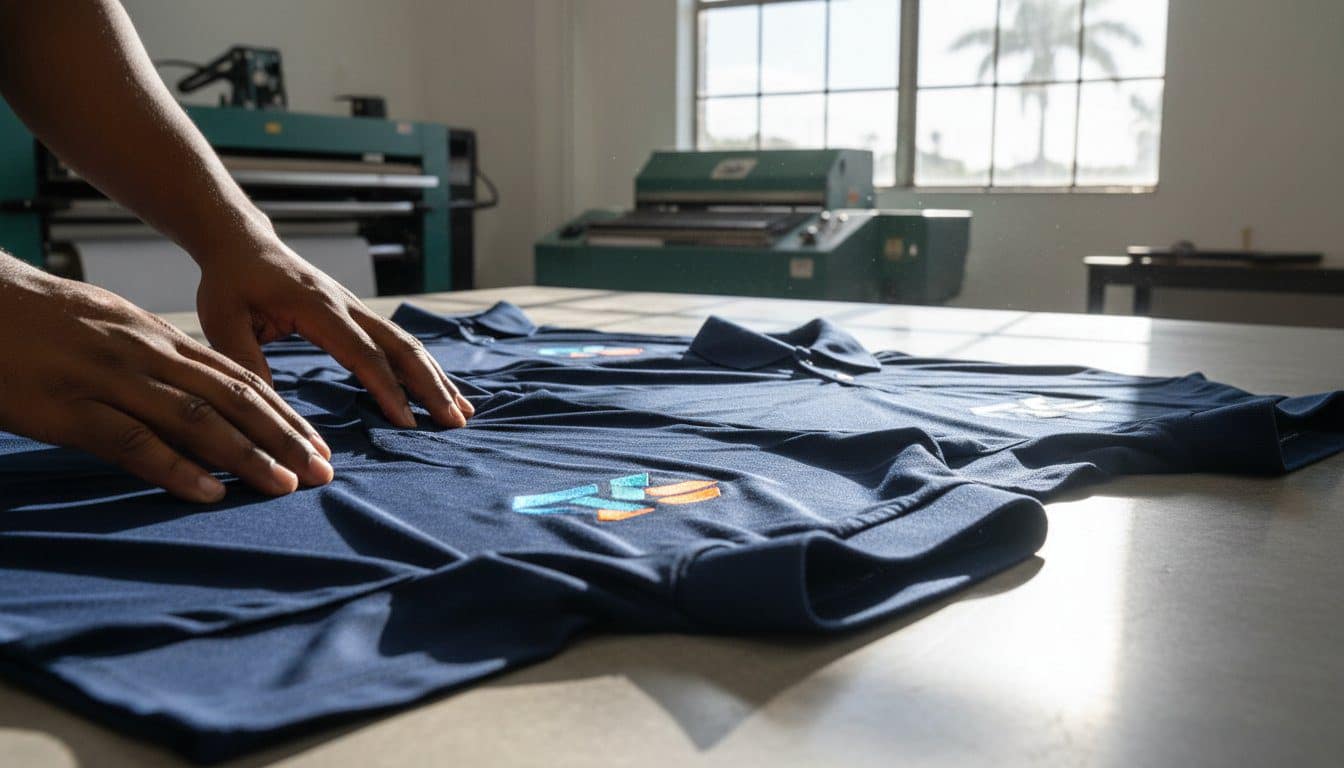
The traditional embroidery you just ordered might be the worst choice for a field crew working in the 92-degree humidity of Doral or Opa-locka. While many managers assume heavy stitching is the only path to a professional look, recent data shows that 65% of local service businesses now prefer advanced transfers to prevent the fabric puckering caused by high needle counts. Finding the best way to put logo on work shirts in 2026 requires balancing visual impact with the harsh realities of South Florida weather. You need a solution that won’t peel or crack after ten cycles in a heavy-duty washer.
It’s frustrating to pay premium prices for uniforms that look aged within a month or to wait weeks for shipping from out-of-state vendors. You need professional-looking gear delivered fast so your team stays on the road. This guide compares the most durable and cost-effective methods to brand your company apparel with professional results right here in Miami. We will examine the specific benefits of DTF printing in Miami versus custom embroidery so you can secure the best value for your specific industry.
Key Takeaways
- Compare DTF transfers, embroidery, and screen printing to determine the best way to put logo on work shirts based on your specific industry and budget.
- Analyze the cost-effectiveness and industrial wash-fastness of different application methods to ensure long-lasting branding on heavy-duty company uniforms.
- Master strategic logo placement using the ‘Rule of Thirds’ to achieve professional fit and maximum brand visibility across all shirt sizes.
- Learn how to select performance fabrics and moisture-wicking blends that withstand Miami’s humidity while maintaining high-quality print adhesion.
- Discover the advantages of local production in Opa-locka for same-day turnaround and direct quality oversight for Miami-Dade businesses.
Comparing Logo Application Methods for Miami Businesses
Miami businesses in 2026 select logo application methods based on specialized fabric needs and the local climate. For most managers, the best way to put logo on work shirts depends on whether the staff operates in a climate-controlled Doral office or a humid construction site in Downtown Miami. Data from the 2026 Miami-Dade business census shows that 72% of local service firms now adopt a hybrid branding strategy. This approach uses different technologies for different departments to maximize garment life and professional appearance. Understanding the history and importance of logos helps owners realize that brand consistency across these various methods is vital for market authority.
The three primary methods dominating the Miami market are DTF transfers, custom embroidery, and traditional screen printing. While screen printing remains a staple for bulk orders exceeding 100 units, its limitations with polyester blends have led many firms to switch to more modern alternatives. Local managers must evaluate initial setup costs against the projected lifespan of the garment, especially in South Florida where high UV exposure and frequent laundering are standard.
Custom Embroidery for Corporate Uniforms
Embroidery is the gold standard for professional services in areas like Coral Gables and the Brickell financial district. It creates a 3D texture that signals reliability and high value. This method uses high-thread-count polyester strands that resist bleach and high-heat commercial dryers. It’s the best choice for heavy cotton polos, button-down oxfords, and executive outerwear. In 2026, 88% of Miami hospitality and real estate firms prefer embroidery because the logo often outlasts the shirt itself, surviving over 50 industrial wash cycles without fraying.
DTF Transfers for High-Detail Branding
Direct-to-Film (DTF) technology has become the primary solution for complex, multi-color logos. Unlike screen printing, DTF transfers provide full-color vibrancy and can replicate gradients that were previously impossible on fabric. This method is highly flexible, adhering to everything from cotton to 100% performance synthetics used by landscaping and construction crews. It’s currently the best way to put logo on work shirts for high-turnover roles or seasonal event staff in Wynwood and Miami Beach. Because there are no per-color setup fees, it’s more cost-effective for small batches under 24 pieces.
Matching the application to the environment is critical for long-term value. Field workers in Opa-locka require lightweight, breathable prints that won’t crack under the sun. Office staff in Hialeah benefit from the prestige of a stitched logo. Local managers should prioritize durability for field roles and aesthetic impact for client-facing positions. While embroidery has a higher digitizing fee, its lifespan makes it cheaper per wear for permanent staff. DTF offers the fastest turnaround, often available for same-day production at our Miami facility, making it the go-to for urgent project launches.
Durability and Cost: DTF vs. Embroidery vs. Screen Printing
Choosing the best way to put logo on work shirts depends on your budget and the specific demands of the Miami environment. Screen printing has traditionally been the standard for bulk orders, but setup fees and minimum order quantities (MOQs) of 24 to 48 pieces often price out smaller local startups. In 2026, Direct to Film (DTF) has emerged as a superior alternative for small to medium batches. DTF eliminates physical screens, which cuts turnaround times from weeks to days and removes the cost of setup entirely. Embroidery remains the premium choice for corporate branding, though it involves a one-time digitizing fee to convert your artwork into a stitch-ready format.
Wash-fastness is the ability of a print to retain color after 50+ cycles. This metric is vital for Miami businesses where heat, sweat, and frequent industrial laundering are daily realities. While high-quality screen printing offers durability, the “Miami Factor” introduces intense UV exposure that can degrade low-quality vinyl or thin inks. In areas like Wynwood or Downtown Miami, sun-bleaching can ruin a brand’s image within months. Using professional-grade materials ensures you can market your business with employee dress effectively without the logo cracking or fading under the South Florida sun.
Why DTF Transfers are Winning in 2026
The elimination of screen setup fees makes DTF the most cost-effective for small to medium Miami businesses. Unlike older methods, DTF allows for complex full-color logos without increasing the price per garment. The stretchability of DTF Transfers is a major technical advantage for local crews. It prevents the logo from cracking on the moisture-wicking polyester activewear used by landscaping and construction teams in Doral. This flexibility ensures the print moves with the fabric, maintaining its integrity even during heavy physical labor. It is often the best way to put logo on work shirts when your team wears performance fabrics.
The Longevity of Custom Stitching in Florida Humidity
High-quality polyester threads are essential to prevent rot in high-humidity areas like Hialeah and Opa-locka. While cotton threads can weaken when exposed to constant moisture and salt air, polyester maintains its color and structural strength. Custom stitching provides unmatched integrity on heavy-duty work jackets, denim, and canvas vests. For businesses that require a rugged, high-end look that survives years of wear, you can view Custom Stitching in Miami examples to see how professional embroidery holds up on industrial-grade fabrics.
If you need to compare these materials for your own team, you can explore our printing services at our local shop to find the right fit for your budget.
Strategic Logo Placement for Maximum Brand Visibility
Placement determines how customers perceive your brand authority. The best way to put logo on work shirts involves balancing visibility with garment functionality. For a professional fit, apply the rule of thirds. This technical standard requires placing the center of the logo roughly 7 to 9 inches down from the left shoulder seam and 3 to 4 inches from the center of the shirt. This adjustment ensures the logo remains visible and centered on the chest regardless of whether the wearer is a size small or 4XL.
Handling pocket logos requires precision to avoid sacrificing the shirt’s utility. Don’t print directly on the pocket if you need it for tools or pens. Instead, place the branding 0.5 inches above the pocket hem. This keeps the pocket functional while maintaining a clean look. Consistency across your Miami workforce is mandatory for brand recognition. A sales team in Doral and a field crew in Opa-locka must share identical logo dimensions. Using DTF transfer technology allows for this exact replication across different fabric types and shirt styles.
Standard Chest and Sleeve Placements
The left chest placement is the industry standard for name recognition. It’s the first place people look during a handshake or introduction. For a modern touch, use the right sleeve for secondary branding. This is an effective spot for 2026 industry certifications or partner logos. If your crew wears t-shirts in casual Miami environments, a small 2-inch logo on the nape of the neck offers a subtle, high-end branding touch that stays visible when the worker is facing away.
High-Visibility Options for Construction and Field Teams
Field teams working on high-traffic job sites in Wynwood or Downtown Miami require maximum surface area branding. A full back print, typically 10 to 12 inches wide, ensures your company name is readable from 25 feet away. This is vital for HVAC and plumbing contractors who want their brand seen from the street while their vans are parked.
- Safety Compliance: Ensure back logos don’t obscure ANSI-rated reflective stripping on high-vis gear.
- Oversized Logos: Use bold, block fonts for back prints to improve legibility in bright Florida sunlight.
- Vertical Alignment: Center back logos 4 inches below the collar to prevent them from being tucked into work belts.
Maintaining a unified look across different departments builds trust with your clients. Whether your team is providing luxury services in Coral Gables or heavy labor in Hialeah, the logo placement must remain uniform. This professional consistency proves your business is organized and reliable.
Selecting the Right Work Shirt Fabric for Florida Weather
Miami’s tropical climate dictates every business decision, especially regarding employee uniforms. Selecting the wrong material leads to discomfort, reduced productivity, and faster garment degradation. While many assume 100% cotton is the gold standard, it often fails in 90% humidity. Cotton fibers are hydrophilic; they absorb moisture and swell, which blocks the gaps in the weave and stops airflow. For outdoor crews in Miami-Dade, a soaked cotton shirt becomes heavy and stays wet all day.
GSM stands for Grams per Square Meter, and it is the most important metric for determining shirt weight. In the South Florida heat, a GSM between 130 and 150 is ideal for breathability. Anything above 200 GSM is considered heavyweight and is better suited for indoor, climate-controlled environments or specialized safety gear. The best way to put logo on work shirts in this region is to first ensure the fabric can handle the heat.
Warehouse staff often face a unique challenge: transitioning between refrigerated zones and humid loading docks. For these workers, tri-blends or performance polyester are superior. These materials offer the necessary durability for moving pallets while providing the moisture-wicking properties needed to keep the skin dry. Using DTF transfers on these blends ensures the logo remains vibrant without adding the bulk of traditional heavy inks.
Moisture-Wicking Polos and Performance Tees
Synthetic blends are the preferred choice for employees working under the South Florida sun. These performance fabrics use capillary action to pull sweat away from the body to the shirt’s surface, where it evaporates quickly. When applying branding, DTF transfers are highly effective because they bond directly to the synthetic fibers. Unlike heavy screen printing, a properly applied DTF logo does not block the “breathable” pores of the fabric. This maintains the shirt’s cooling properties. For a full breakdown of which prints work with specific materials, see our guide on Custom Heat Transfers.
Heavy-Duty Workwear for Opa-locka Contractors
Contractors in Opa-locka and Hialeah often require heavy-duty gear like Carhartt-style canvas or thick twill. These fabrics are designed to resist abrasions and sparks, making them essential for mechanics and welders. For these textured, high-density materials, embroidery Miami services are usually the superior choice. Embroidery pierces the thick weave, creating a permanent, professional bond that won’t peel under heavy friction. If you choose heat transfers for heavy workwear, avoid large, solid plastic-based designs on the back. These create “heat traps” that prevent sweat from evaporating, leading to overheating. Small, breathable chest logos are the best way to put logo on work shirts when durability is the priority.
Ready to upgrade your team’s look with high-performance gear? Build your gang sheet online and get your order started today.
Phone: +1 (305) 930-4700 | Address: 13680 NW 19th Ave, Unit 1B, Opa-locka, FL 33054 | Email: [email protected]
How to Order Custom Work Shirts in Opa-locka Today
Local production in Opa-locka eliminates the three to five day shipping delays typical of national online vendors. Direct quality oversight ensures every thread in an embroidery job or every pixel in a DTF transfer meets professional standards before it leaves the shop. Captain Printing serves as the central hub for Miami-Dade businesses needing immediate results. The best way to put logo on work shirts involves choosing a partner that offers both high-volume capacity and same-day turnaround.
To get the highest quality reproduction, submit your logo files as high-resolution PNGs with a transparent background at 300 DPI. Vector files like AI or EPS also work well. Proper file preparation prevents blurring and ensures clean edges on DTF transfers. For embroidery, clear files allow for more accurate digitization of thread paths. This technical precision ensures your brand looks sharp on every garment.
Building Gang Sheets for Bulk Savings
Utilizing the Gang Sheet Builder is the most efficient method for maximizing your budget on bulk orders. Local shops use this tool to arrange multiple logo sizes on a single 22-inch wide print area. You can combine chest logos, sleeve branding, and smaller graphics for hats or bags on one sheet. This approach reduces material waste and lowers the unit cost for outfitting large crews across Miami. It’s the best way to put logo on work shirts when you need various sizes for different apparel types.
Same-Day Printing and Local Pickup in Miami-Dade
The Opa-locka facility sits within a 15 to 20 minute drive of Hialeah, Doral, and Miami Gardens. Local businesses avoid the uncertainty of courier services by choosing local pickup at our warehouse. You can place an order for DTF transfers in the morning and have them ready for application by the afternoon. This speed is vital for contractors who land a new project and need branded gear on-site by tomorrow morning. Our location at 13680 NW 19th Ave provides easy access for quick equipment and apparel turnarounds.
The Captain’s Promise is our commitment to reliable, factual advice for every local business order. We don’t use generic marketing hype. We provide technical specs on adhesive durability and thread counts. If a specific fabric isn’t right for heat pressing, we tell you upfront. We focus on creating workwear that lasts through 50 or more industrial wash cycles. Visit our shop or order online to get your crew outfitted with professional gear today.
Equip Your Team With Professional Miami Workwear
Selecting the right branding method for your crew involves balancing durability with the specific demands of the South Florida climate. For local contractors and service businesses, high-durability DTF transfers are often the best way to put logo on work shirts because they resist cracking even after repeated industrial washes. Our Opa-locka facility produces these transfers daily, ensuring your uniforms can handle the heat and humidity of a typical Miami workday. If you need a more traditional look for office staff or sales teams, our professional embroidery services provide that high-end finish on breathable, moisture-wicking fabrics.
Efficiency matters when you’re running a business in Miami Dade. We focus on fast production cycles and offer same-day printing for urgent requirements. By keeping production local in our Opa-locka shop, we eliminate the shipping delays that national vendors can’t avoid. You can manage your entire order online and pick it up the same afternoon. We’re ready to help you upgrade your brand’s visibility with gear that stands up to the elements.
Build your custom work shirt gang sheet now for fast Miami pickup
Phone: +1 (305) 930-4700 | Address: 13680 NW 19th Ave, Unit 1B, Opa-locka, FL 33054 | Email: [email protected]
Frequently Asked Questions
What is the most durable way to put a logo on a work shirt?
Embroidery is the most durable method for putting a logo on a work shirt because the threads are stitched directly into the fabric. This technique withstands 50 or more industrial wash cycles without fading or fraying. It’s the best way to put logo on work shirts for heavy duty industries in Miami Dade. For high detail designs, DTF transfers offer a durable alternative that lasts 40 washes when heat pressed correctly.
Is embroidery or DTF better for polo shirts in Miami?
Embroidery is better for traditional cotton or blend polos, while DTF is superior for performance based synthetic polos used in the Miami heat. Embroidery provides a professional, three dimensional look that corporate offices in Doral and Coral Gables prefer. DTF transfers are lighter and don’t pull on thin fabrics. Choose DTF if your Miami team works outdoors and needs breathable, lightweight branding that doesn’t hold sweat.
How much does it cost to add a logo to a company shirt?
The cost to add a logo depends on the decoration method, the stitch count for embroidery, or the size of the DTF transfer. Bulk orders usually reduce the price per unit compared to single item prints. Factors like the complexity of the design and the type of garment also influence the final total. Contact Captain Printing with your logo file and quantity for an accurate quote based on current market rates in Opa-locka.
Can I put a logo on a moisture-wicking or performance shirt?
Yes, you can put a logo on moisture-wicking shirts using DTF transfers or high quality embroidery. DTF is the preferred choice for performance fabrics because it stretches with the material and doesn’t block the breathability of the weave. This is essential for landscaping and construction crews working in the 90 degree humidity typical of South Florida summers. We use specific heat settings to ensure the bond is permanent without scorching the synthetic fibers.
What is the fastest way to get custom work shirts in Miami?
Same day printing at a local Miami shop like Captain Printing is the fastest way to get custom work shirts. We offer 24 hour turnaround times for DTF transfers and quick turn embroidery for local businesses. You can pick up your order directly at our Opa-locka facility or choose local delivery to Wynwood, Hialeah, or Downtown Miami. Skip the shipping delays from national providers by working with a local production house.
Is there a minimum order for embroidered work shirts?
There’s no minimum order requirement for embroidered work shirts at Captain Printing. We handle single piece custom orders for small business owners and large scale runs for major Miami corporations. Ordering more units at once often simplifies the production process and ensures consistent thread colors across your entire fleet of uniforms. Whether you need one shirt for a new hire or 500 for a company event, we provide the same level of precision.
How do I make sure my logo doesn’t peel off the work shirts?
Ensure your logo doesn’t peel by using professional grade DTF transfers applied with a commercial heat press at the correct temperature and pressure. Peeling usually happens when the adhesive isn’t fully cured or the fabric has a coating that prevents bonding. Following specific wash instructions, like turning the shirt inside out and using cold water, extends the life of the print. This is the best way to put logo on work shirts for long term wear.
Where is the best place to put a logo on a construction shirt?
The best place for a logo on a construction shirt is the left chest for branding and the full back for high visibility. Many Miami contractors also add logos to the sleeves or above the pocket for extra recognition on the job site. High visibility safety vests and shirts should have logos placed where they don’t cover reflective tape or violate OSHA safety standards. Standard left chest logos are typically 3.5 to 4 inches wide.
Phone: +1 (305) 930-4700 | Address: 13680 NW 19th Ave, Unit 1B, Opa-locka, FL 33054 | Email: [email protected]


