Blog
DTF Transfer for Leather: The Complete Guide to Durable Customization

Most leather customization fails because printers treat the material like standard cotton, ignoring the natural oils that reject standard adhesives. You’ve likely worried about ruining an expensive leather blank with excessive heat or watching a beautiful design peel off as the material flexes. It’s a valid concern for any Miami business owner looking to offer high-end custom goods. The good news is that achieving a permanent bond is possible with the right preparation. Using a high-quality dtf transfer for leather allows you to create vibrant, durable designs that move with the material rather than cracking against it.
We’ll show you the professional “barrier-break” prep method used in our Opa-locka facility to neutralize oils before thermal bonding. This guide covers the exact temperature settings needed to protect your blanks and explains why the Miami climate requires specific storage for your films. We also compare standard DTF with UV DTF so you can choose the best tech for everything from jackets in Wynwood to rigid leather menus in Downtown Miami. Follow this reliable process to deliver professional, repeatable results for your clients every time.
Key Takeaways
- Learn how DTF adhesive creates a permanent bond with animal hide fibers for a flexible, crack-resistant finish.
- Identify the precise heat and time settings needed to prevent scorching or texture changes on sensitive leather surfaces.
- Master the essential cleaning techniques to ensure your dtf transfer for leather adheres properly to oily or treated surfaces.
- Understand the difference between standard and UV DTF applications to select the right technology for wearables or rigid leather goods.
- Access same day printing Miami services for urgent leather customization projects and corporate uniform orders.
Can You Use DTF Transfers on Leather? Compatibility and Results
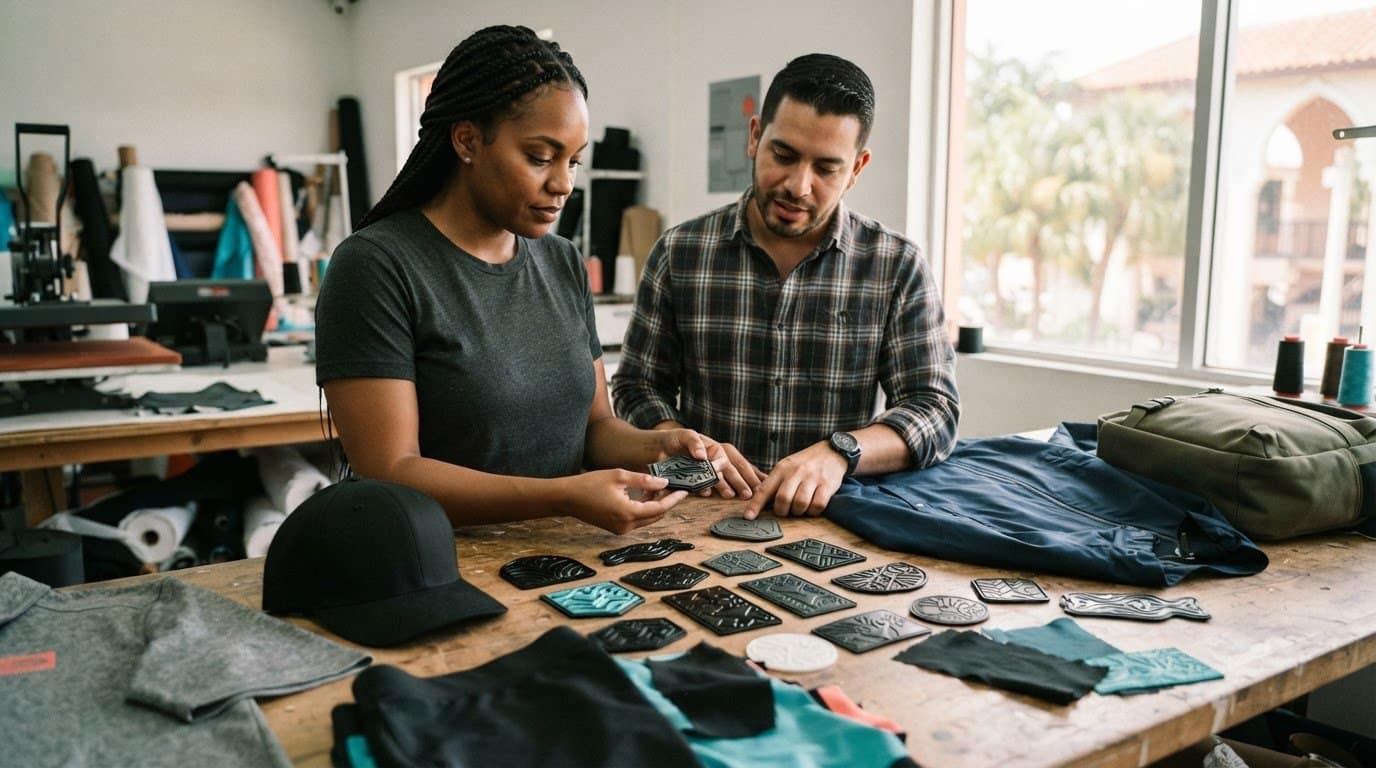
Direct-to-film technology is a high-quality, professional alternative to traditional embroidery or screen printing for leather goods. It provides a durable solution for complex logos that would otherwise require heavy stitching or expensive setups. The process works by bonding a specialized adhesive to the leather surface, creating a finish that looks like it’s part of the material rather than a separate layer. For businesses in Miami Dade looking for a “printed-on” aesthetic rather than the bulk of a patch, this method is the industry standard.
The science behind the bond involves the interaction between the leather fibers and the adhesive. Direct-to-film (DTF) printing uses a thermoplastic polyurethane (TPU) hot-melt powder that anchors into the microscopic pores of the animal hide. While synthetic fabrics rely on polymer bonding, leather allows the adhesive to grip organic textures. By 2026, advancements in film chemistry have significantly increased the flexibility of these transfers. This prevents the design from cracking when the leather naturally stretches or folds over time.
Genuine Leather vs. Synthetic (Faux) Leather
Real cowhide and top-grain leathers are porous and heat-resistant, making them ideal for thermal bonding. They absorb the adhesive well, resulting in high ink saturation. Synthetic leathers, such as PU or vegan alternatives, are essentially plastic. These materials are highly heat-sensitive and can melt or “scorch” if the press temperature is too high. Shops in Hialeah and Doral often prefer synthetic leathers for cost-effectiveness, but these require lower heat settings and shorter press times to maintain the material’s integrity. We recommend testing a small area to ensure the texture doesn’t change under pressure.
Why DTF is Replacing Traditional Leather Printing
Traditional methods like hot stamping or UV printing often struggle with small batch runs or complex color gradients. A dtf transfer for leather allows Miami boutiques to produce one-off custom jackets or corporate gifts without the high setup costs of screen printing. It’s particularly effective on dark leather surfaces where traditional inks might appear dull. The white ink base used in DTF ensures that colors remain vibrant and “pop” against black or deep brown hides. This versatility makes it the go-to choice for hospitality branding in Downtown Miami and custom uniforms across Opa-locka.
Phone: +1 (305) 930-4700 | Address: 13680 NW 19th Ave, Unit 1B, Opa-locka, FL 33054 | Email: [email protected]
Overcoming the 3 Main Challenges of Leather DTF Printing
Customizing leather presents unique obstacles that standard cotton t-shirts don’t. The primary issue is the natural oil content found in animal hides. These oils act as a release agent, pushing the adhesive away from the surface. Without proper neutralization, your design might look perfect initially but will peel within days. Our production team in Opa-locka uses a specific “barrier-break” prep method to ensure every dtf transfer for leather achieves a permanent bond.
The second challenge is maintaining the leather’s structural integrity under heat. High temperatures can cause “scorching,” which leaves permanent marks or changes the grain’s texture. Finally, because leather is used for items that move, such as bags, jackets, or belts, the print must be flexible. Standard films can be too rigid, leading to micro-cracks. Using high-quality functional polyurethane coatings in the adhesive powder is critical. This material mimics the natural flexibility of the hide and prevents the design from snapping under tension.
Neutralizing Natural Oils and Tannins
Adhesion starts with a clean surface. Many high-end leathers are treated with waxes or silicones to provide a “buttery” feel. These treatments are the enemy of DTF adhesives. A simple isopropyl alcohol wipe-down is the bare minimum requirement. For stubborn coatings, professional printers often use a deglazer. This removes the factory finish without damaging the leather grain. Always perform a “water drop test” before applying your transfer. If water beads on the surface, the oil barrier is still present; if it sinks in, you’re ready to press.
Heat Management and Scorching Prevention
Protecting the blank is just as important as the print quality. We recommend using a lower temperature, typically around 265°F to 280°F, for a slightly longer duration than you would for polyester. Always use a Teflon sheet or heavy parchment paper as a buffer. This prevents the metal plate of the heat press from directly contacting the leather, which avoids the dreaded “shining” effect or hardening of the fibers.
Miami’s tropical environment adds another layer of difficulty. High humidity in areas like Hialeah and Doral can cause the DTF powder to clump or the film to “sweat.” Store your supplies in a climate-controlled space and always pre-press the leather for five seconds to draw out trapped moisture. If you’re unsure about your specific material, you can order a sample pack of DTF transfers to test your settings before starting a large run.
Phone: +1 (305) 930-4700 | Address: 13680 NW 19th Ave, Unit 1B, Opa-locka, FL 33054 | Email: [email protected]
Selecting the Right Transfer: Standard DTF vs. UV DTF for Leather
Choosing the correct dtf transfer for leather depends entirely on the item’s end use and its tolerance for heat. While both technologies produce vibrant results, they utilize different bonding methods. Standard DTF requires a heat press to melt adhesive powder into the leather fibers. In contrast, UV DTF is a cold-transfer process that functions like a high-performance permanent decal. Understanding these differences prevents ruined blanks and ensures your customization lasts for years.
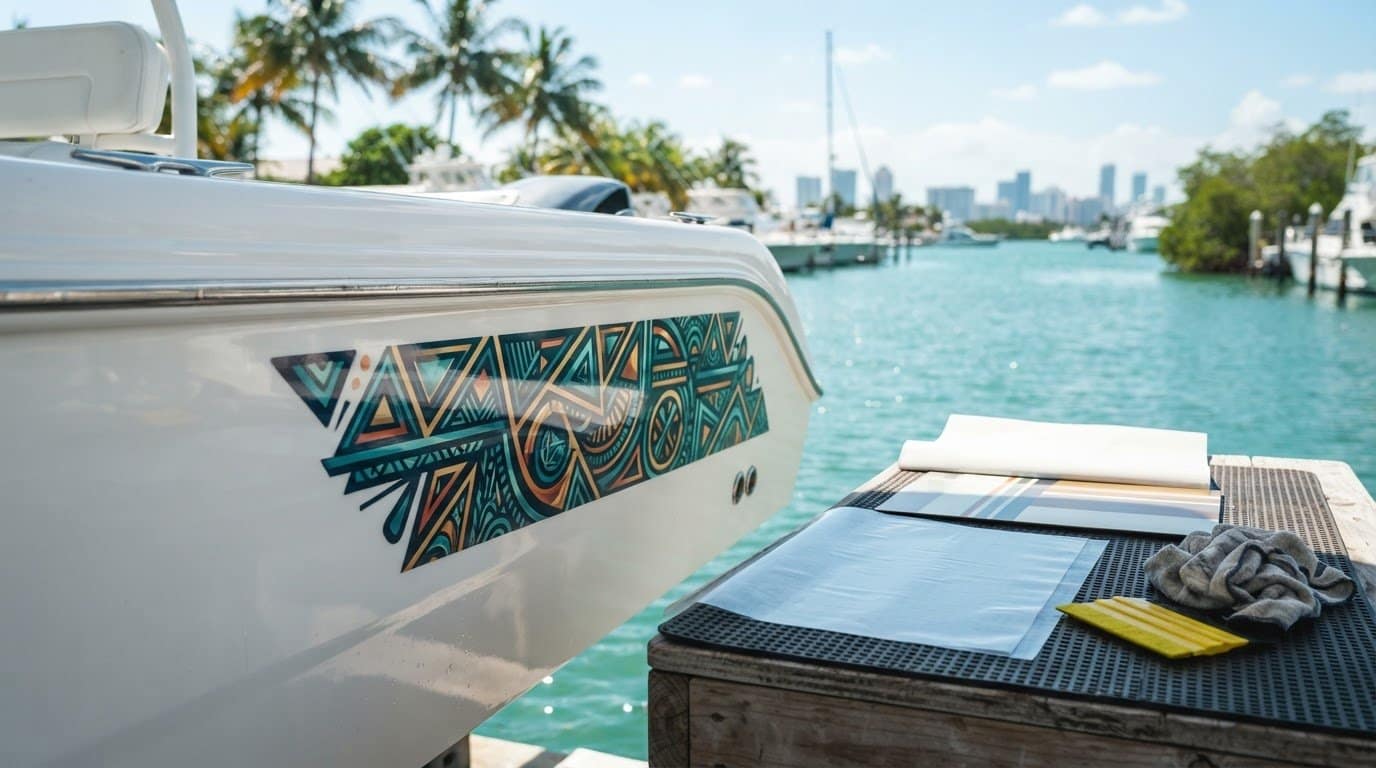
Standard DTF is the industry choice for items that require flexibility. If the leather will bend, stretch, or be worn, the TPU-based adhesive in standard transfers provides the necessary “give.” UV DTF is the ultimate solution for rigid leather goods. It’s especially useful for leathers with delicate finishes that might discolor under a heat press. Miami businesses often choose between these based on whether they are producing wearable apparel or hard-surface accessories.
Wearable Leather Goods: The Standard DTF Approach
Items like jackets, vests, and hats need a print that moves with the wearer. Standard DTF transfers are engineered for this specific type of flexibility. The adhesive bonds deeply with the hide, creating a soft-hand feel that doesn’t feel like a heavy plastic layer. This is essential for custom uniforms in Miami, especially for hospitality staff in Downtown Miami or event security in Wynwood. The transfer remains crack-resistant even after repeated use and exposure to the sun.
Hard Leather Accessories: The UV DTF Advantage
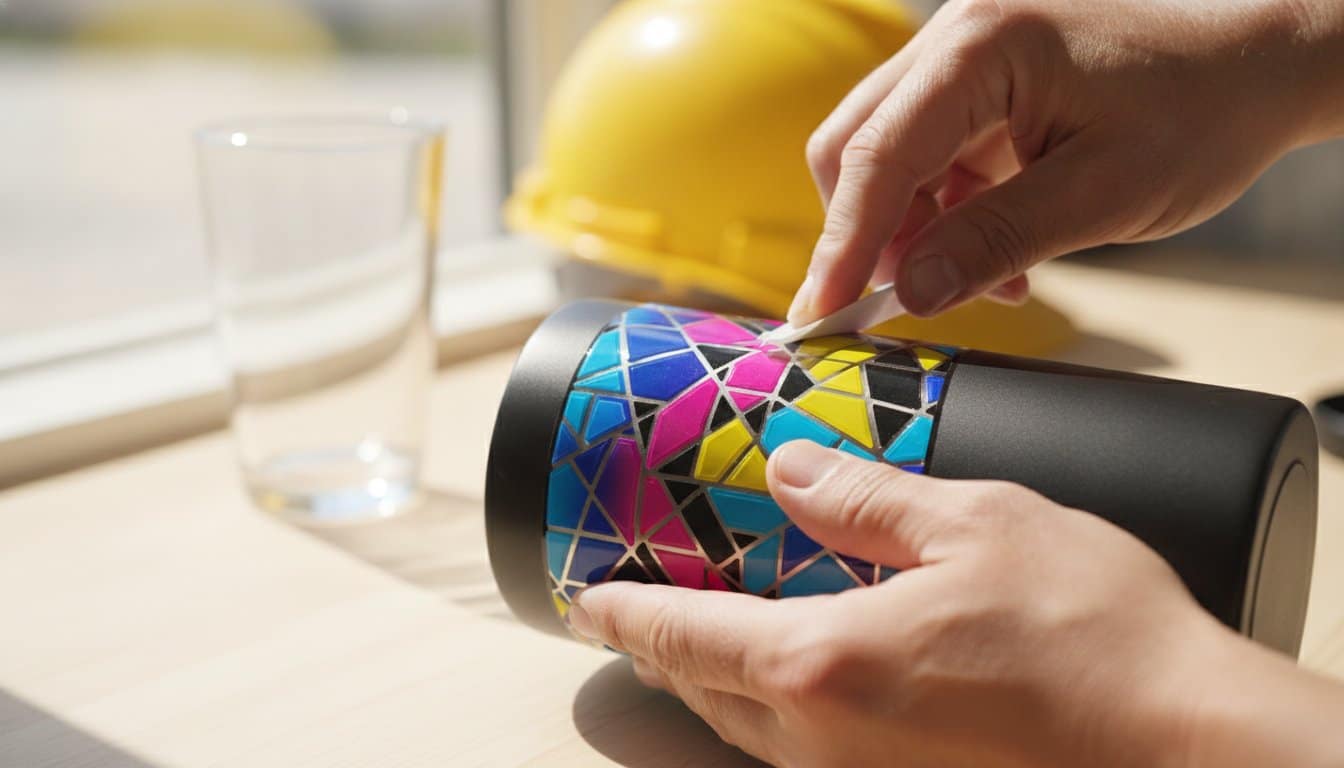
Rigid leather items such as wallets, portfolios, belts, and phone cases don’t stretch, making them perfect candidates for UV technology. UV DTF transfers offer a “no-heat” benefit, which is critical for protecting expensive luggage tags or branded corporate gifts from thermal stress. This process uses UV-cured inks that provide a slightly raised, 3D textured effect. It adds a premium, embossed feel to the product that standard flat prints cannot replicate. For shops in Hialeah or Doral handling high-end leather accessories, this cold-process method eliminates the risk of scorched edges or hardened leather grains.
When comparing durability, standard DTF offers superior washability for leather garments. UV DTF provides extreme abrasion resistance, making it ideal for items frequently handled or tucked into pockets. Match the transfer type to the mechanical stress the item will face to guarantee a professional result.
Phone: +1 (305) 930-4700 | Address: 13680 NW 19th Ave, Unit 1B, Opa-locka, FL 33054 | Email: [email protected]
Professional Application: Time, Temperature, and Prep for Miami Businesses
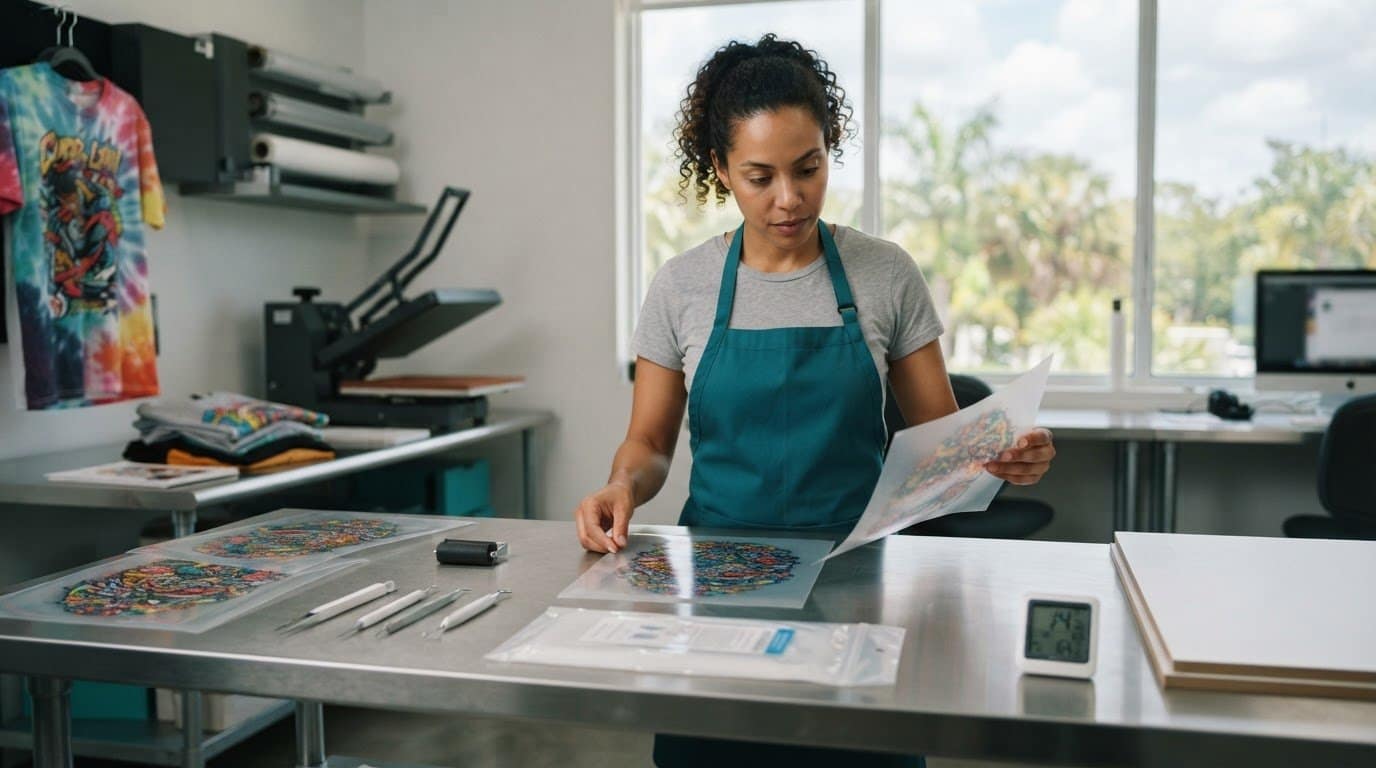
Applying a dtf transfer for leather requires more precision than standard garment printing. While cotton allows for a wider margin of error, leather is an organic material that reacts to heat and pressure in real time. Following a strict technical protocol ensures that the adhesive creates a permanent bond without compromising the hide’s integrity. For professional results in our Opa-locka facility, we utilize a five-step process designed for maximum durability.
The application process begins with surface preparation and moisture control.
- Step 1: Clean the surface thoroughly with 70% isopropyl alcohol. This removes residual oils and factory coatings.
- Step 2: Pre-press the leather for 5 seconds. This is a critical step in the Miami Dade climate to draw out trapped moisture that can cause the transfer to bubble or fail.
- Step 3: Position the transfer and press at 275°F to 300°F for 10 to 15 seconds using medium pressure.
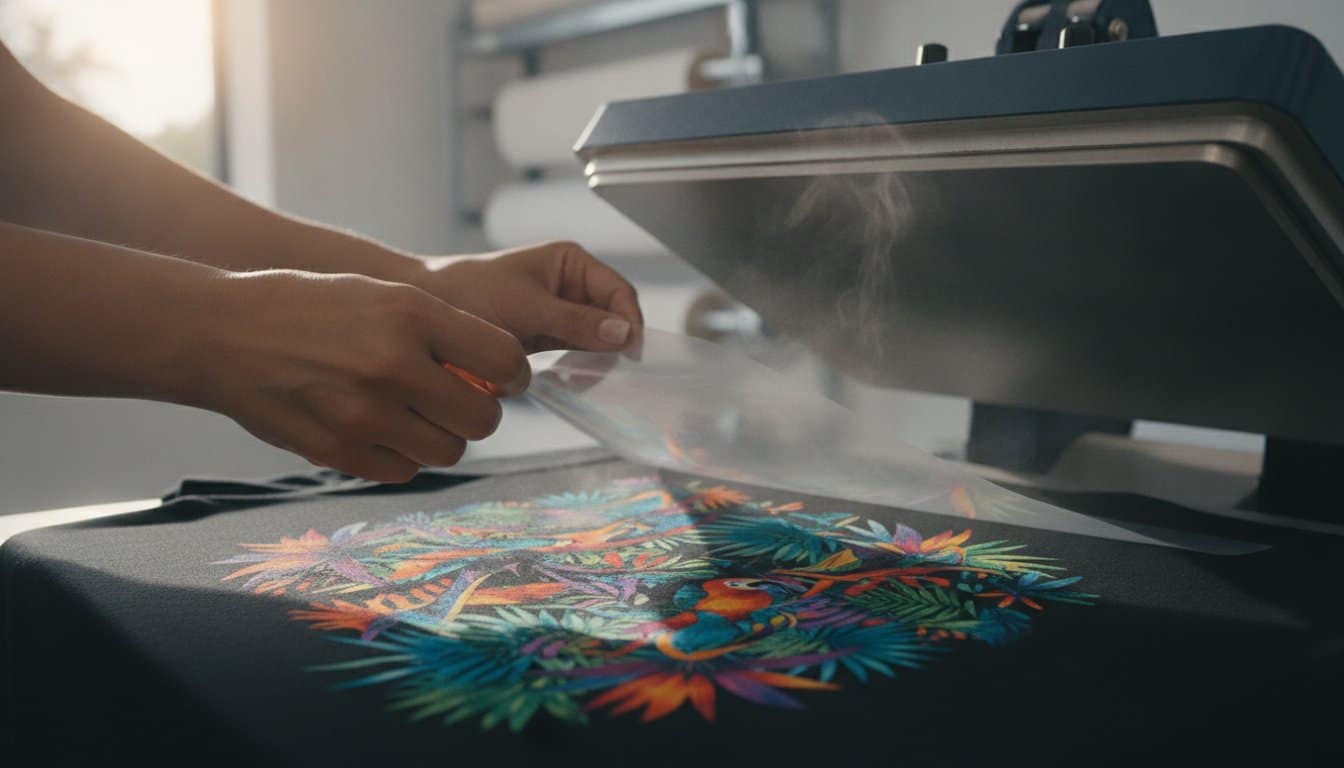
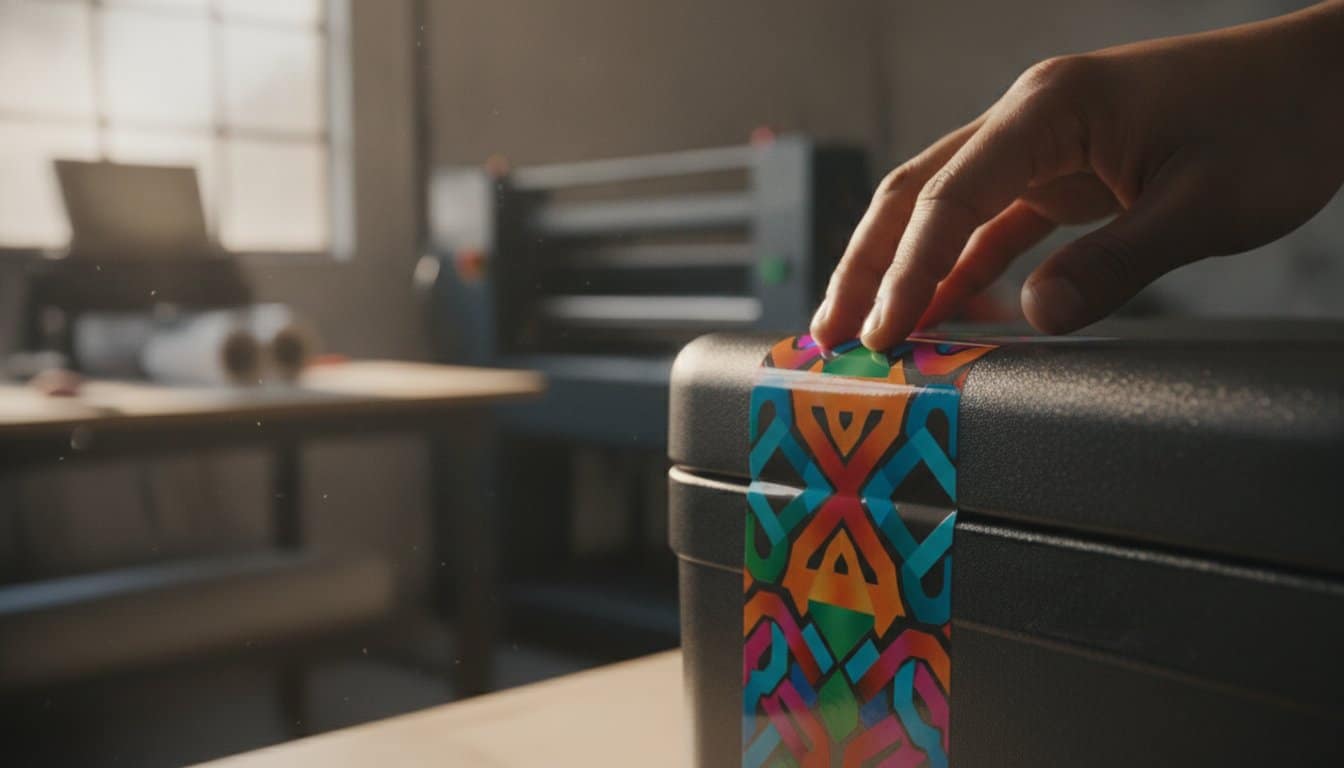
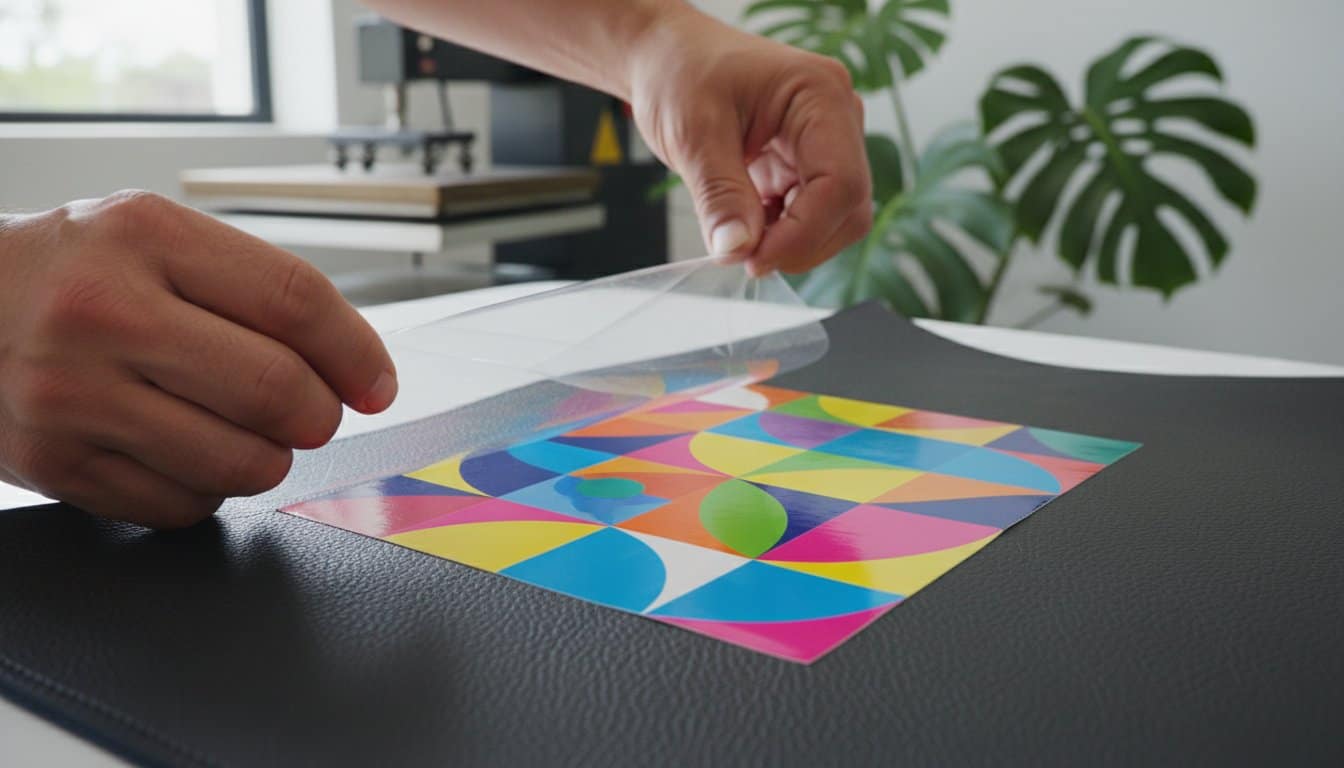
- Step 4: Perform a cold peel. Wait until the leather is completely cool to the touch before removing the carrier film to ensure the grain remains intact.
- Step 5: Post-press for 5 seconds using a heavy texture sheet or parchment paper to “drive” the ink into the pores.
The “Double Press” Technique for Textured Leather
Pebbled or heavily grained leathers present a challenge because the adhesive often sits on the “peaks” of the texture, leaving gaps in the “valleys.” To solve this, we use the double press technique. After the initial cold peel, place a textured finishing sheet over the design and increase the heat press to high pressure. This second press forces the softened polyurethane adhesive deep into the leather’s pores. Letting the leather cool completely between these steps is non-negotiable. If you press while the material is still hot, you risk shifting the design or causing it to smudge.
Troubleshooting Common Leather Transfer Issues
If the design begins to lift during the peeling process, it’s usually a sign of insufficient pressure or lingering surface oils. Re-press the item immediately for 5 seconds with increased pressure. Dye migration, or “ghosting,” occurs when the heat causes the leather’s internal tannins to bleed through the white ink layer. If you notice discoloration, lower your temperature by 10 degrees and extend the press time slightly. Shops in Hialeah or Doral operating in non-climate-controlled environments must be extra vigilant. Humidity can degrade the adhesive powder quickly. Always keep your films in a sealed container until the moment you are ready to press.
Ready to start your next project? Order your custom DTF gang sheets today for fast, professional production at our local Miami hub.
Phone: +1 (305) 930-4700 | Address: 13680 NW 19th Ave, Unit 1B, Opa-locka, FL 33054 | Email: [email protected]
Custom DTF Transfers for Miami Leather Projects: Why Local Quality Matters
Sourcing a high-quality dtf transfer for leather from a local provider is the most effective way to protect your investment in expensive leather blanks. Unlike standard fabric projects, leather customization has a high cost of failure. Working with a local Opa-locka hub like Captain Printing gives you access to industrial-grade production that desktop converted units cannot match. Our systems ensure that every transfer has the correct ink density and adhesive coverage to bond permanently with genuine hide or synthetic alternatives.
Speed is a critical factor for businesses in Miami Dade. We provide printing in Miami with same-day fulfillment options to help you meet tight deadlines for corporate orders or event merchandise. Local contractors and upholstery shops in Hialeah and Doral rely on our fast turnaround to keep their production lines moving without the uncertainty of shipping delays. Whether you are branding leather menus for a restaurant in Downtown Miami or creating custom patches for a boutique in Wynwood, local quality control makes the difference.
Same-Day Fulfillment in Opa-locka and Miami Dade
Eliminate the wait times associated with national shipping by using our in-person pickup services. We operate out of a professional facility equipped with high-output industrial printers. These machines produce consistent results that are essential for professional dtf transfer for leather applications. Local creators can visit our Opa-locka location to verify film quality and pick up their orders the same day they are printed. This accessibility is vital for last-minute adjustments or urgent client requests that require immediate action.
Bulk Gang Sheets for Leather Apparel and Accessories
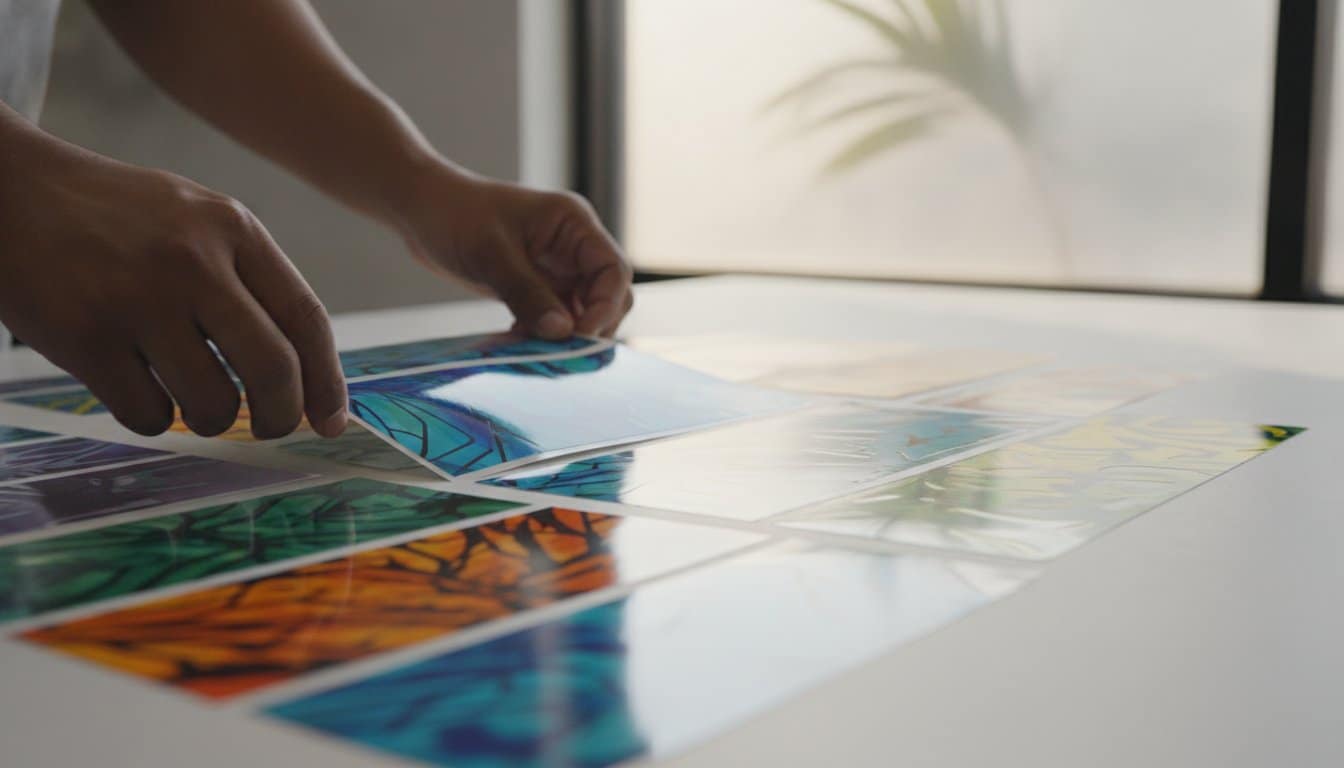
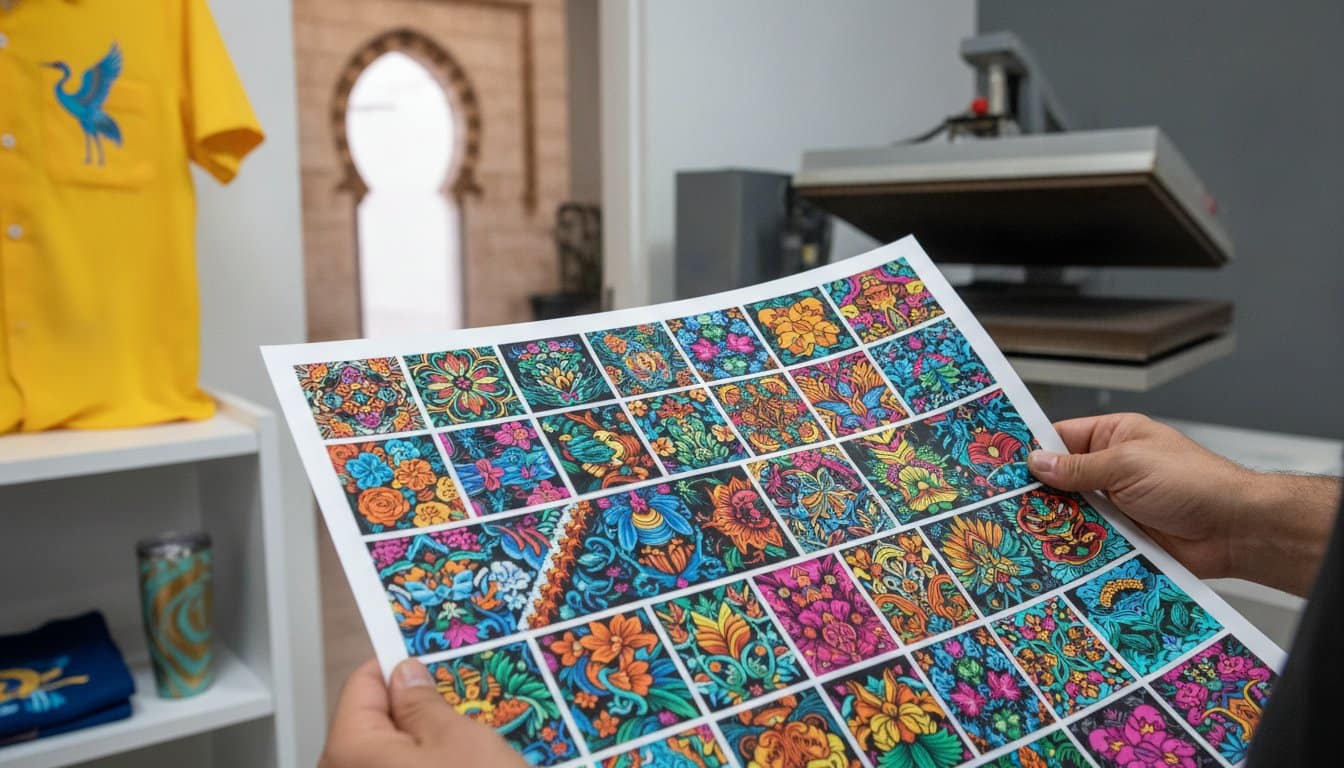
Efficiency drives profitability in the leather goods industry. Use our digital gang sheet builder to maximize your production area. You can layout multiple logos, name tags, and decorative elements for belts, wallets, and leather patches on a single roll. This approach significantly reduces your cost-per-unit, making it ideal for high-volume Miami businesses.
Ordering custom gang sheets ensures professional consistency across your entire product line. Instead of pressing individual decals, you can manage large-scale projects with ease. We offer wholesale opportunities for local leather crafters who need a reliable partner for recurring orders. Our team understands the specific requirements of the Miami market and provides the technical support needed to ensure your leather projects succeed on the first press.
Phone: +1 (305) 930-4700 | Address: 13680 NW 19th Ave, Unit 1B, Opa-locka, FL 33054 | Email: [email protected]
Start Your Leather Customization Project Today
Mastering the application of a dtf transfer for leather transforms how you handle high-end customization. You now understand that neutralizing natural surface oils and selecting the correct transfer technology are the foundations of industrial-grade durability. Whether you choose standard DTF for wearable apparel or UV DTF for rigid accessories, you can produce professional finishes that resist cracking and peeling. This technical approach ensures your custom goods stand up to the specific demands of the Miami climate.
Captain Printing provides the expert local support you need from our Opa-locka facility. We offer same-day printing in Miami to keep your production schedule on track. You don’t have to worry about shipping delays or inconsistent film quality from non-industrial units. Our equipment ensures your designs hold up under real-world use; from hospitality uniforms in Downtown Miami to luxury accessories in Wynwood. We’re ready to help you scale your production with precision and speed.
Take the next step in your business growth. Order Your Custom DTF Transfers for Leather Now and deliver superior results to your clients. We look forward to being your dependable partner for high-performance printing.
Phone: +1 (305) 930-4700 | Address: 13680 NW 19th Ave, Unit 1B, Opa-locka, FL 33054 | Email: [email protected]
Frequently Asked Questions
Is DTF transfer permanent on leather?
DTF transfers are permanent on leather provided the surface oils are neutralized before application. The thermoplastic polyurethane powder fuses with the leather fibers during the heat press process. This creates a bond that is resistant to peeling and environmental wear under normal use conditions.
What is the best temperature for pressing DTF on leather?
The best temperature range for pressing a dtf transfer for leather is between 265°F and 285°F. Using a lower temperature than standard cotton settings prevents scorching or changing the texture of the hide. Always use a protective Teflon sheet and press for 10 to 15 seconds for a secure bond.
Do I need a special adhesive powder for leather transfers?
You don’t need a unique powder specifically for leather, but using a high-quality, fine-grain TPU powder is essential for flexibility. This industrial-grade adhesive ensures the design remains supple. It prevents the print from feeling like a stiff plastic patch on the material once it has cured.
Can I use a household iron to apply DTF to leather?
You shouldn’t use a household iron because it lacks the consistent pressure and temperature control required for leather. Leather is sensitive to heat fluctuations. A professional heat press is necessary to ensure the adhesive melts evenly into the grain without damaging the surrounding area in your Opa-locka or Hialeah shop.
Will DTF transfers crack when the leather jacket or bag bends?
High-quality transfers won’t crack when the material bends. The polyurethane base is engineered to be elastic, allowing it to stretch and contract with the natural movement of a jacket or bag. This flexibility is what makes it a superior alternative to traditional screen printing on leather goods.
Can I apply UV DTF transfers to leather car seats or boat upholstery?
UV DTF transfers aren’t recommended for car seats or boat upholstery because these surfaces experience extreme stretching. UV transfers are more rigid and are best suited for hard leather goods like portfolios or belts. For high-flex seating, standard DTF or custom embroidery Miami is a more durable choice for local businesses.
How do I wash leather items with DTF transfers?
You should spot clean leather items with a damp cloth or use specialized leather cleaners. Never put leather goods in a washing machine. The transfer itself is water-resistant, but the leather hide can be permanently damaged by submersion and the high heat from a standard dryer.
Does humidity in Miami affect the application of DTF on leather?
Humidity in Miami Dade significantly impacts the application process. High moisture levels can cause the adhesive powder to clump or the PET film to lose its release properties. Always store your transfers in a climate-controlled space and pre-press the leather for 5 seconds to remove trapped moisture before the final application.
Phone: +1 (305) 930-4700 | Address: 13680 NW 19th Ave, Unit 1B, Opa-locka, FL 33054 | Email: [email protected]