Blog
Professional Embroidery Digitizing Service in Miami: Production-Ready Logo Conversion

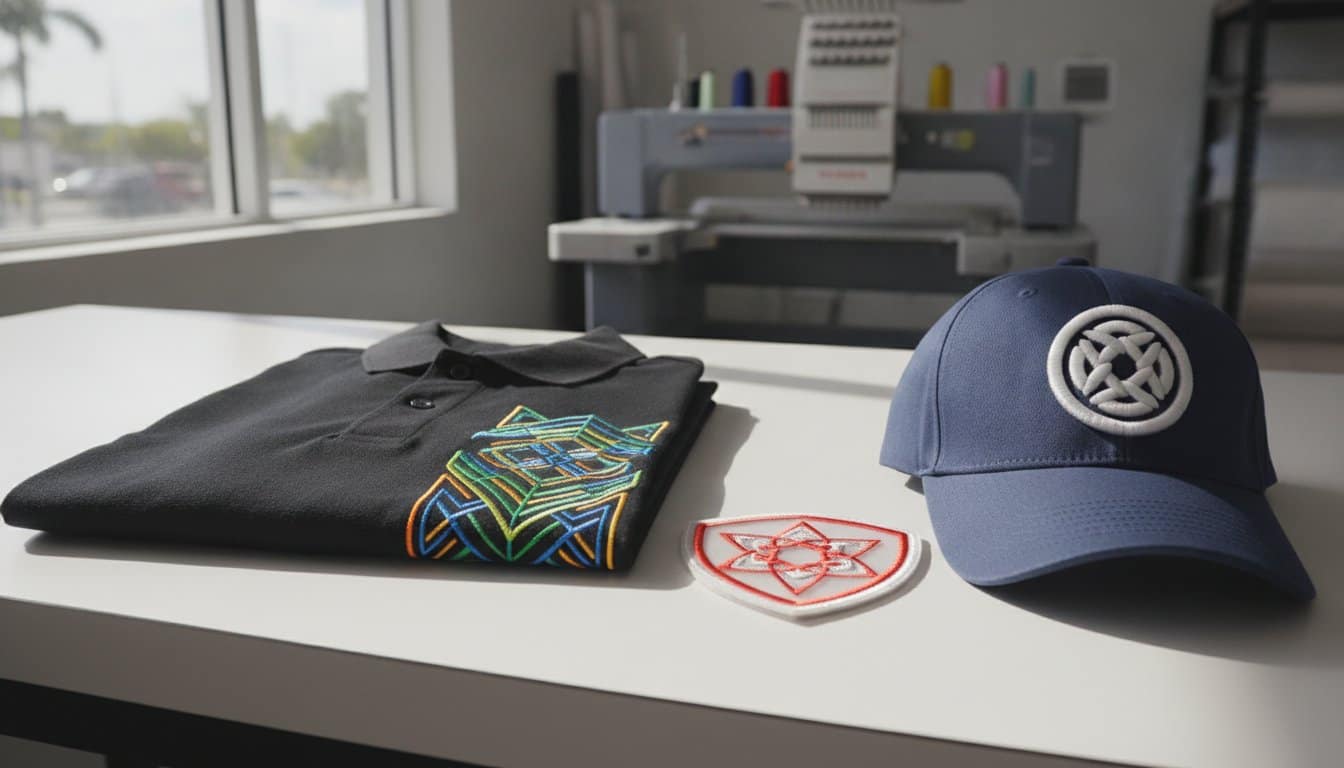
Your commercial embroidery machine is only as effective as the digital file you feed it. Many business owners in Miami discover that a poorly converted logo leads to constant thread breaks, puckered fabric, and wasted garments. You need a professional embroidery digitizing service that understands the technical requirements of high-speed production and local material needs. We recognize that businesses in Hialeah and Doral can’t afford the downtime caused by low-quality files or the slow turnaround times often found with online-only providers.
This guide explains how to convert your company logo into production-ready DST or PES files that run smoothly on any commercial machine. You’ll learn how our expert digitizers optimize designs for specific applications, including 3D puff for hats and durable TPU patches. We provide technical advice on stitch count management and material compatibility to ensure your uniforms for construction crews or restaurant staff look professional. We’ll also detail how to access same-day digitizing and direct technical support at our physical walk-in shop in Opa-locka.
Key Takeaways
- Understand why standard graphic files like PNG or SVG require a professional embroidery digitizing service to become machine-readable DST or PES formats.
- Learn how technical adjustments like push and pull compensation and center-out pathing ensure clean results on specific items like structured hats or 3D puff designs.
- Discover how to simplify your logo for embroidery by adjusting small text and removing gradients to prevent thread breaks and production errors.
- Identify the benefits of local Miami production, including same-day turnaround and no minimum order requirements for corporate uniforms and custom TPU patches.
What is an Embroidery Digitizing Service and Why is it Necessary?
An embroidery digitizing service is the essential process of converting 2D artwork into a digital stitch file that computer-controlled embroidery machines can interpret. Standard graphic files like PNG, JPEG, or SVG only contain color and shape data for screens or traditional printers. They don’t provide instructions for needle penetrations, thread tension, or stitch sequence. Without a production-ready file, your logo cannot be stitched onto a garment. The machine simply won’t know where to start or stop.
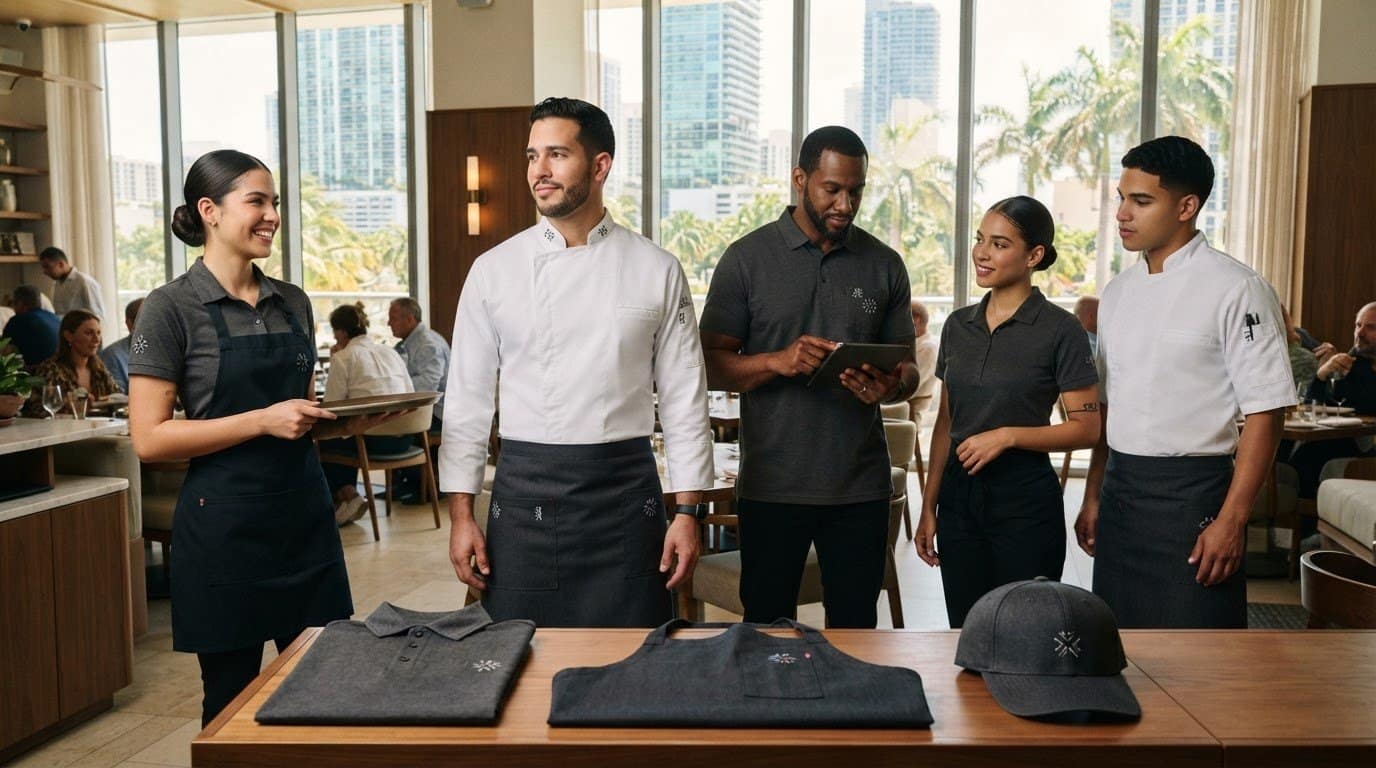
Professional digitizers determine the pathing, stitch density, and underlay of every design. Underlay acts as a foundation, stabilizing the fabric before the top decorative stitches are applied. This technical step is critical for Miami businesses. Whether you’re outfitting a construction crew in Hialeah or a hospitality team in Doral, your uniforms must withstand the Florida heat and frequent washing. A properly digitized file ensures the bordado remains crisp and doesn’t pucker or unravel over time. Our team at Captain Printing ensures every file is optimized for the specific material you intend to use.
Digitizing vs. Graphic Design: Understanding the Difference
Graphic design focuses on visual aesthetics using vectors or pixels. Digitizing focuses on physical mechanics. Every shape in your logo must be mapped to specific needle movements. We avoid “auto-digitizing” software because it often ignores the “push and pull” of fabrics. This leads to thread breaks and uneven borders. Our team uses manual “punching” to ensure sharp corners and legible small text. This level of detail is what makes a logo look professional on corporate polos or custom TPU patches.
Common File Formats for Commercial Embroidery
Commercial shops across Miami, from Wynwood to Fort Lauderdale, primarily use the DST format. It’s the industry standard for Tajima and most high-speed commercial machines. If you use a smaller setup for a boutique brand or home business, you might require PES or JEF files. To get the most accurate result, always provide a high-resolution source file. A clean PDF or Adobe Illustrator (AI) file allows our digitizers to see every detail clearly. This results in a production-ready file that runs smoothly without constant machine stops or technical errors.
The Technical Process: How We Convert Your Logo into Stitch Files
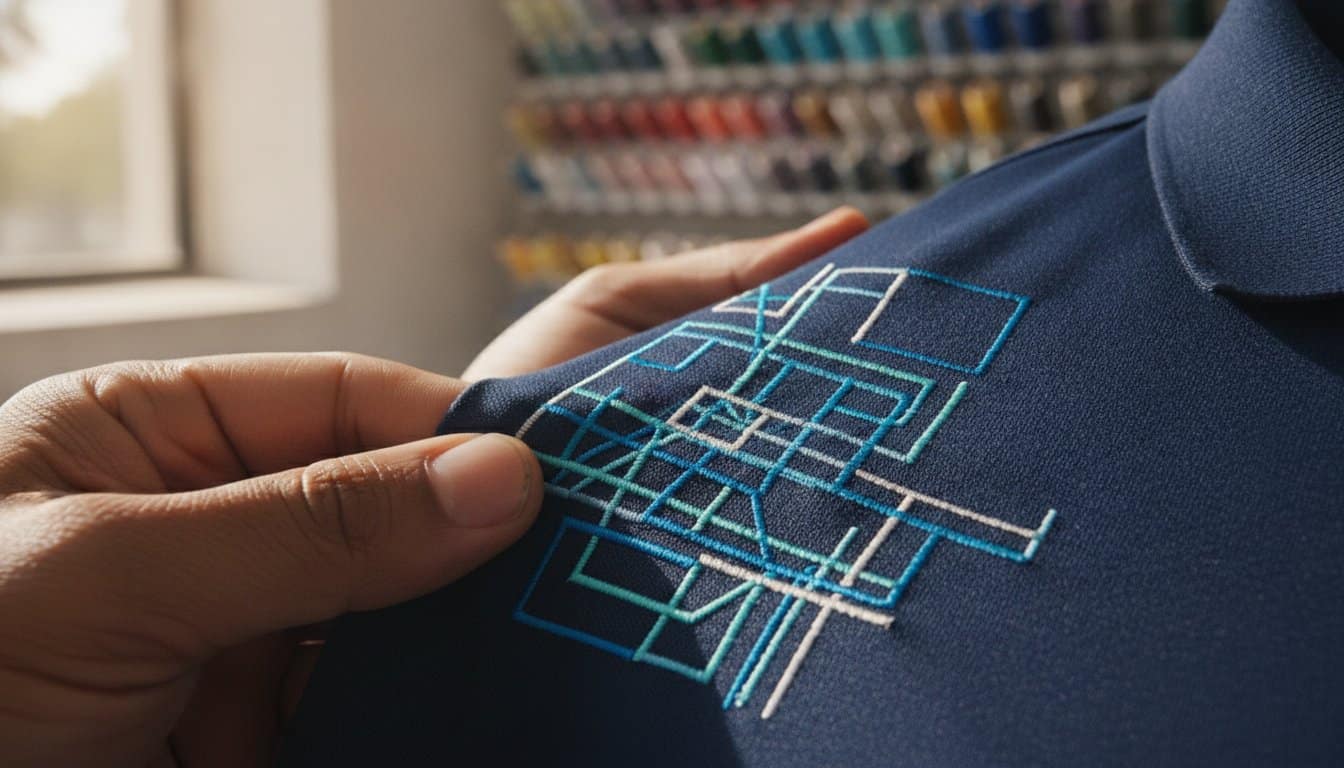
The technical side of a professional embroidery digitizing service involves more than just tracing an image. It’s a complex translation of visual data into mechanical movement. We start by analyzing your artwork for “push and pull” factors. Fabric is flexible; as the needle penetrates the material, the stitches tend to pull the fabric together in the direction of the stitch and push it out at the ends. Our digitizers manually adjust the design to compensate for this movement, ensuring your logo remains symmetrical once it’s actually stitched. This stage is a critical part of digital design and manufacturing for small production runs, as it creates a precise blueprint for the embroidery machine to follow.
Efficiency in production depends on the sequence of colors. We map the stitch path to minimize thread trims and color changes. Fewer trims mean faster production times and a cleaner finish on the back of the garment. We also set density levels based on your specific Miami workwear. A logo digitized for a heavy-duty canvas jacket for a construction crew in Hialeah requires more density than one meant for a breathable mesh polo used by hospitality staff in Doral. Proper density prevents “birdnesting,” where thread bunches up under the needle plate, and stops fabric puckering on lighter materials. If your logo contains fine details that aren’t suitable for high-density stitching, you might consider DTF transfers in Miami as a lightweight alternative for certain fabrics.
Stitch Types: Satin, Fill, and Run Stitches
Professional digitizers use three primary stitch types to build your design. Satin stitches are the industry standard for borders and text. They provide a high-sheen, raised look that defines the edges of a logo. Fill stitches cover large interior areas. These require specific directional patterns to avoid distorting the fabric. Run stitches are used for fine lines and intricate detail work. We use these sparingly to ensure small elements remain visible without adding unnecessary bulk to the design.
Underlay and Compensation: The Secret to Clean Embroidery
Underlay stitches are the foundation of any quality design. We “prime” the fabric by stitching a base layer that attaches the garment to the stabilizer. This creates a flat surface for the top decorative stitches. Without proper underlay, the top stitches sink into the fabric, especially on fleece or textured knits. We also adjust “pull compensation” settings. This ensures that circles stay circular on stretchy fabrics by slightly overshooting the digital boundary in the software. These technical settings are adjusted in-house at our Opa-locka facility to match the specific requirements of your order.
Digitizing for Different Materials: Uniforms, Hats, and TPU Patches
A common error in logo conversion is assuming one file works for every garment. A professional embroidery digitizing service must tailor the stitch file to the specific material properties of the target item. For example, the moisture-wicking polyester shirts used in Miami gyms require lower stitch density and specific underlay to prevent the fabric from bunching. New technology for woven fabrics allows for highly customized designs, but only if the digital instructions account for the weave and stretch of the textile. We optimize every file to ensure your branding remains sharp on any surface.
Special Considerations for Hat and Cap Embroidery
Digitizing for hats is fundamentally different from flat garments like aprons or t-shirts. We use a center-out and bottom-up pathing strategy. This technique pushes the fabric from the middle toward the edges. It prevents the design from shifting or wrinkling on curved surfaces. Front panels on snapbacks have height restrictions, usually capped at 2.25 inches. If your design exceeds this limit, the needle may strike the cap frame or cause thread breaks. Small text on twill caps also requires specific column widths. If the satin stitches are too thin, they will disappear into the fabric grain and become illegible.
Digitizing for TPU and Bespoke Patches
Modern branding often utilizes TPU patches for a premium, textured effect. Digitizing for these materials requires the stitch file to account for the physical thickness of the patch. We create specific border files that allow for clean heat-application or sewing without damaging the patch edges. Many corporate clients in Fort Lauderdale now request hybrid designs. These combine traditional embroidery with DTF transfers to achieve high-detail gradients that thread alone cannot replicate. This mixed-media approach provides a high-end look for uniforms and promotional items.
3D puff embroidery is another high-demand service for Miami brands seeking a raised, tactical look for their gorras. This requires a specialized digitizing process where the machine caps the ends of satin stitches to trap foam underneath. The density must be high enough to hide the foam completely but not so high that it cuts the material. We handle all these technical requirements at our Opa-locka facility. Our embroidery digitizing service provides these solutions with no minimum order requirements, making us a reliable partner for small businesses in Wynwood or Hialeah needing professional results fast.
Preparing Your Artwork for Professional Digitizing: A Step-by-Step Guide
High-quality results begin with your artwork. A professional embroidery digitizing service can only work with the data provided in your source file. You must review your logo for “embroidery-friendly” elements before submission. This means identifying areas where thread cannot replicate a digital effect. Tiny gradients and drop shadows don’t translate well to stitching. Instead of a smooth color fade, you’ll end up with a bulky, uneven block of thread. We recommend simplifying these elements into solid colors for a cleaner look on your uniforms.
Art Requirements and Best Practices
We prefer vector file types like AI or EPS. These allow our digitizers to scale the design without losing clarity. If vectors aren’t available, submit a high-resolution PNG at 300 DPI. Para nuestros clientes que necesitan un *servicio de digitalización*, providing clear artwork speeds up production significantly. You must also simplify small text. Anything under 0.2 inches usually becomes an illegible blob of thread. We often suggest increasing the font size or using a bolder weight to maintain legibility on twill or mesh fabrics.
Once the artwork is simplified, choose thread colors that align with your brand’s Pantone requirements. While thread colors are limited compared to digital inks, we match as closely as possible to maintain brand consistency. After finalizing these details, you can submit your files for a custom stitching quote. This ensures we account for every technical variable before production starts.
Determining Your Stitch Count and Pricing
Stitch count directly impacts production time and cost for Miami wholesale orders. A standard left-chest logo usually ranges from 5,000 to 10,000 stitches. Full-back jacket designs can easily exceed 50,000 to 100,000 stitches. Higher counts mean the machine runs longer, which increases the price for large runs in Hialeah or Doral. Our “no setup fees” policy at Captain Printing helps local small businesses save on their initial branding costs. You only pay for the digitizing and the finished product.
If you’re unsure if your logo is ready, visit our walk-in shop in Opa-locka for a direct consultation. We can review your files and suggest adjustments to ensure a production-ready result. You can also explore DTF transfers in Miami if your artwork is too complex for traditional embroidery.
Why Choose Captain Printing for Embroidery Digitizing in Miami?
Choosing a local embroidery digitizing service provides a level of accountability that national online marketplaces cannot match. Most online-only providers deliver a digital file without knowing the specific machine or material you intend to use. At Captain Printing, we operate a physical walk-in shop in Opa-locka. This allows us to offer genuine same-day production for local Miami orders. You won’t have to wait days for a file that might not run correctly on your equipment. We test our files in-house to ensure they are production-ready before they reach your hands.
Our team prioritizes direct communication and technical reliability. You have direct access to our production experts via WhatsApp or phone to discuss adjustments in real-time. This is especially valuable for businesses in Hialeah and Wynwood that require bilingual support. Si su empresa necesita atención en español, our team is ready to assist in your native language to ensure every detail is captured. We maintain a strict no-minimum order policy for digitizing, making us a dependable partner for both small startups and large corporate clients.
Local Expertise for Miami-Dade Businesses
We serve a wide range of local industries, including construction companies, restaurants, gyms, and event planners. Our physical facility allows you to bring in your garments for material testing and color matching. This ensures the thread colors perfectly align with your brand’s visual identity. Businesses in Doral and Fort Lauderdale benefit from our fast pickup options, eliminating the shipping delays associated with out-of-state providers. We understand the local climate and the specific needs of South Florida workwear, ensuring your branding remains durable in high-activity environments.
Comprehensive Decoration Solutions
We provide more than just digital stitch files. Our facility allows you to transition from initial digitizing to finished embroidery without changing vendors. Because we handle the entire process in-house, we maintain total quality control from the digital blueprint to the final stitch. We verify every file on our commercial machines to guarantee that your logos for embroidered polos, hats, or workwear are flawless. Contact us today to start your project with a reliable local partner who understands the technical demands of professional garment decoration.
Get Your Logo Production-Ready for Miami Business Uniforms
Professional results on the production floor depend on the quality of your digital foundation. Converting a logo into a stitch file is a technical requirement that determines the final look of your corporate polos, construction workwear, or custom caps. You now understand how managing stitch density and pathing prevents thread breaks and ensures your branding survives the Miami heat. From 3D puff designs for local sports teams to durable TPU patches for hospitality staff in Doral, the right preparation makes all the difference.
Choosing an experienced embroidery digitizing service with a physical presence in Opa-locka provides the accountability and speed your business needs. We specialize in providing production-ready files with same-day turnaround for local orders. Our shop offers bilingual support and direct technical consultations to ensure your artwork translates perfectly to thread. With no setup fees and no minimum orders, we provide a streamlined path from digital design to a finished garment.
Take the next step in professionalizing your brand. Get Your Logo Digitized Today at Captain Printing and experience reliable, fast-paced service tailored to the South Florida market. We are ready to help your business stand out with crisp, high-quality embroidery.
Frequently Asked Questions
What is the standard turnaround time for embroidery digitizing in Miami?
Standard turnaround for a professional embroidery digitizing service in the Miami area usually ranges from 24 to 48 hours for standard logos. However, our team at Captain Printing provides same-day production options for local businesses in Opa-locka and surrounding neighborhoods. This rapid fulfillment ensures your uniforms or promotional items enter production without delay. We prioritize efficiency for corporate clients who need their branding ready for immediate events or new hire onboarding.
Can you digitize a logo for 3D puff embroidery on hats?
Yes, we specialize in technical digitizing for 3D puff embroidery, which is a popular choice for custom hats and gorras in Fort Lauderdale. This process requires specific pathing and high-density satin stitches to properly trap and cover the foam. Our digitizers ensure the file includes the necessary caps at the ends of columns to prevent the foam from peeking through. This creates a professional, raised texture that adds a premium feel to your headwear.
What file formats do I need to provide for my logo?
You should provide vector files such as Adobe Illustrator (AI), EPS, or high-resolution PDF for the most accurate results. If vectors are unavailable, we accept high-resolution raster files like PNG or JPG, provided they are at least 300 DPI. Clear artwork is essential for our digitizers to see fine details and small text. Para nuestros clientes, providing a clean source file reduces the time spent on manual adjustments and ensures a production-ready DST or PES file.
Do you have a minimum order requirement for digitizing services?
We have no minimum order requirements for our embroidery digitizing service or finished apparel. This policy supports small businesses in Wynwood and Hialeah that may only need a single logo converted for a prototype or a small batch of staff uniforms. Whether you need one design digitized or a wholesale run for a large corporation, we provide the same level of technical expertise and fast turnaround without the burden of setup fees.
Can I use the same digitized file for both shirts and hats?
No, you generally cannot use the exact same file for both shirts and hats. Digitizing for hats requires a center-out and bottom-up pathing strategy to maintain alignment on curved surfaces. In contrast, flat garments like shirts use a different sequence. Additionally, the stitch density and pull compensation must be adjusted for the specific fabric, as a file optimized for a structured cap will likely cause puckering on a lightweight polo shirt.
What happens if the digitized file doesn’t stitch correctly?
If a digitized file doesn’t stitch correctly, our production team provides immediate technical adjustments. This is a primary benefit of working with a local Miami shop rather than an online-only provider. We can review the stitch-out on our commercial machines and fix issues like thread breaks or poor registration. We stand by our work and ensure every file is production-ready. You can contact us via WhatsApp or visit our Opa-locka facility for direct support.
Do you offer same-day digitizing and embroidery in Opa-locka?
Yes, we offer genuine same-day digitizing and embroidery services at our physical facility in Opa-locka. Because we handle both the digital conversion and the physical stitching in-house, we can move from artwork approval to a finished garment within hours. This service is ideal for event planners or construction companies that need last-minute branding for projects in Doral or Hialeah. Our bilingual staff ensures clear communication throughout this fast-paced production cycle.