Blog
Custom TPU Patches in Miami: Styles, Uses, and Ordering Guide

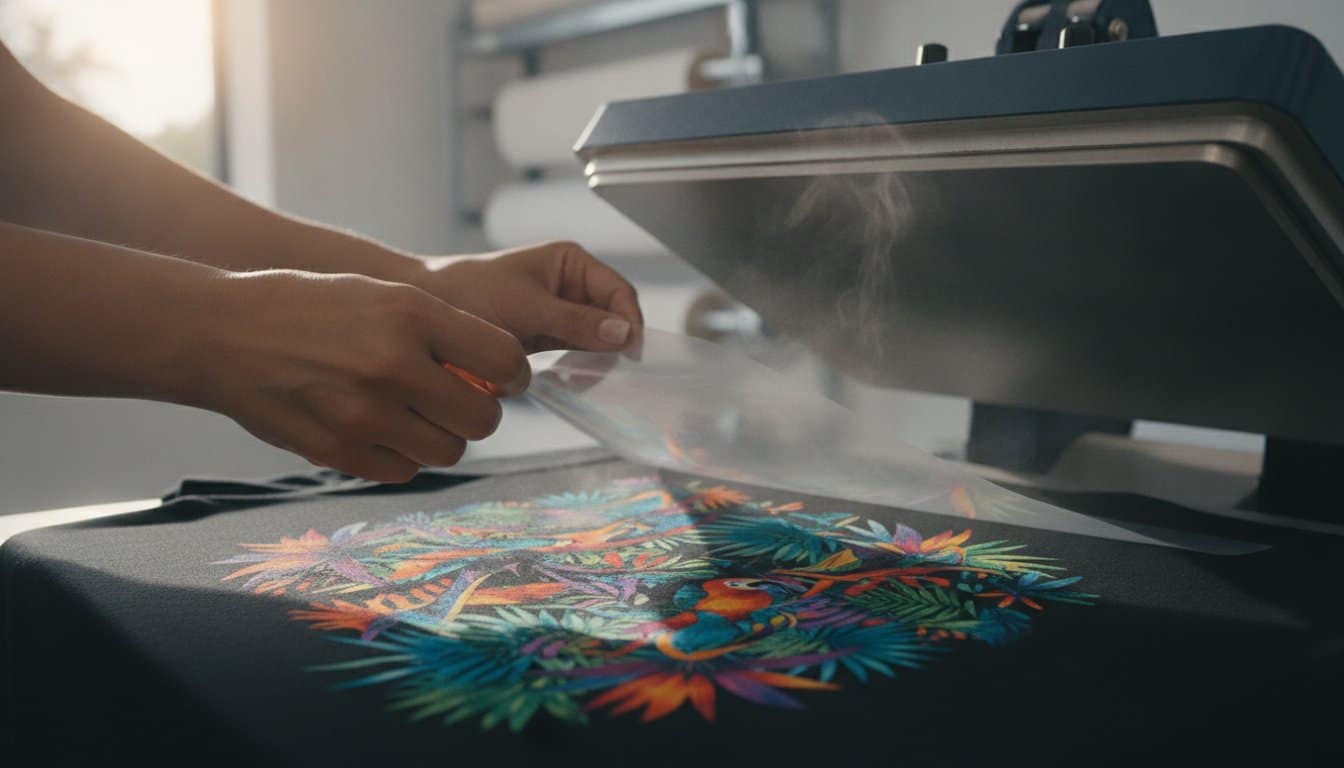
Will a flat, embossed, or dimensional TPU patch suit your logo best? The right choice depends on how the design should look and where it will be used, whether that’s on a cap, jacket, bag, uniform, or sportswear. For businesses seeking custom tpu patches miami, appearance, artwork, and order format all matter.
It’s easy to get stuck choosing a style or deciding how many patches to order. This guide explains the visual differences between flat, embossed, and dimensional patches, then shows how to prepare artwork and choose By Size, Gang Sheet, or Bespoke ordering.
Use these details to plan a patch that fits your design and intended product. Captain Printing produces TPU patches in Miami with in-house production and a walk-in shop in Opa-locka. Local businesses in Hialeah, Doral, and Wynwood, as well as buyers in Fort Lauderdale, can compare practical options for a single design or a larger batch. You’ll also learn what to consider before applying a patch, so the chosen format and application method suit the item.
Key Takeaways
- Match a flat, embossed, or dimensional finish to the logo details and visual emphasis you want.
- Choose By Size for a defined patch size, Gang Sheet for arranging multiple designs, or Bespoke for a tailored project.
- Prepare clear artwork with readable details and clean edges to support a more reliable production review.
- Learn how custom tpu patches miami can support branding on hats, uniforms, jackets, bags, and sportswear.
- Order through Captain Printing’s Opa-locka walk-in shop, with in-house production, no minimums, and no setup fees.
What Are Custom TPU Patches, and Where Do Miami Brands Use Them?
TPU stands for thermoplastic polyurethane. A custom TPU patch is a shaped graphic made from this material, with a logo or design produced as a distinct piece and added to a finished product. In plain terms, it gives a garment or accessory a defined branded detail. Wikipedia’s overview of thermoplastic polyurethane provides more background on the material.
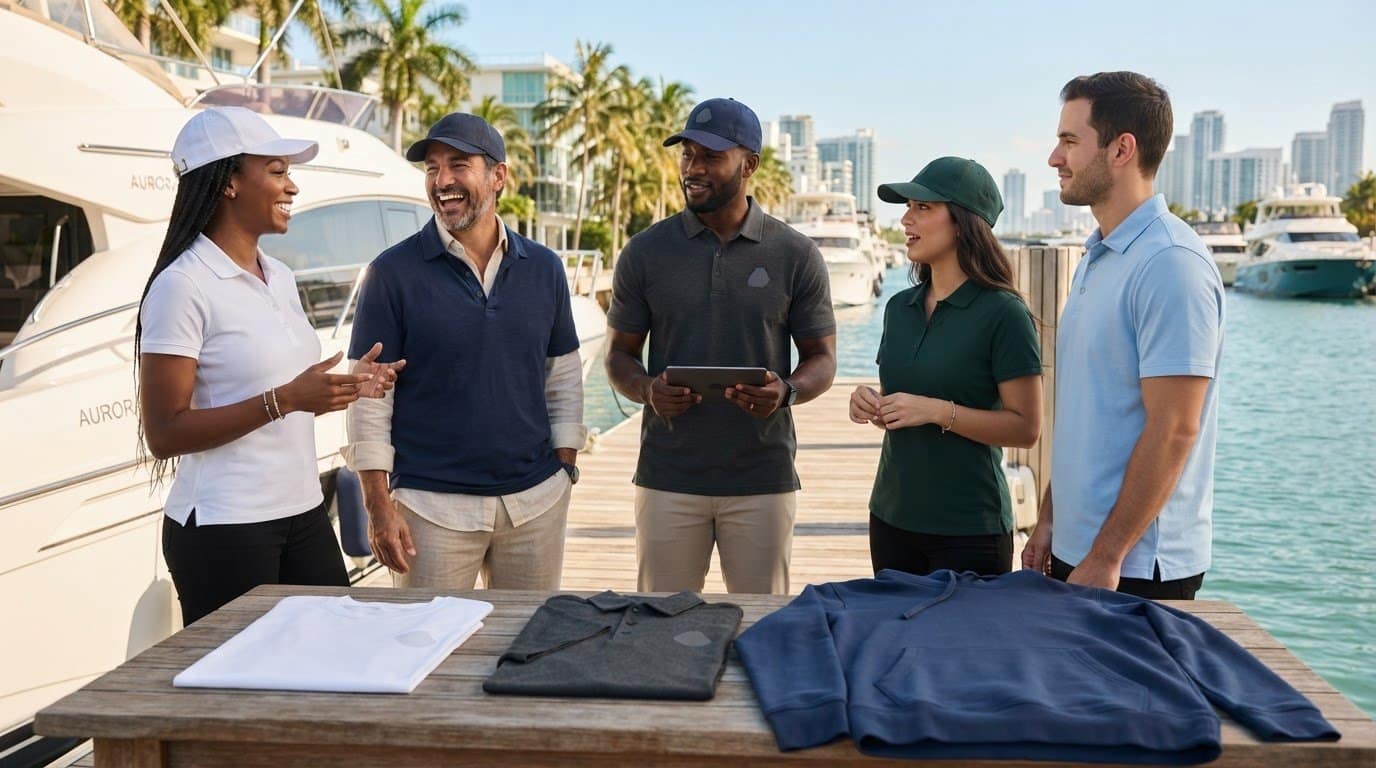
For custom tpu patches miami projects, begin with the item being branded and the look the logo needs. A restaurant may use a patch to identify staff caps or uniforms. A construction company may want a consistent logo on work jackets, while a gym, sports team, or event brand may use patches to distinguish apparel, bags, or team gear. The patch is one part of the finished product; choose its placement and appearance to suit the item and the design.
Miami buyers can review custom TPU patch options for branding projects across Opa-locka, Hialeah, Doral, Wynwood, and nearby areas. For example, an event planner can coordinate patches across staff caps and bags, while a team can use a shared graphic on caps and sportswear. These examples describe possible uses, not a guarantee that every patch application suits every material.
How Do TPU Patches Differ Visually From Embroidered Patches?
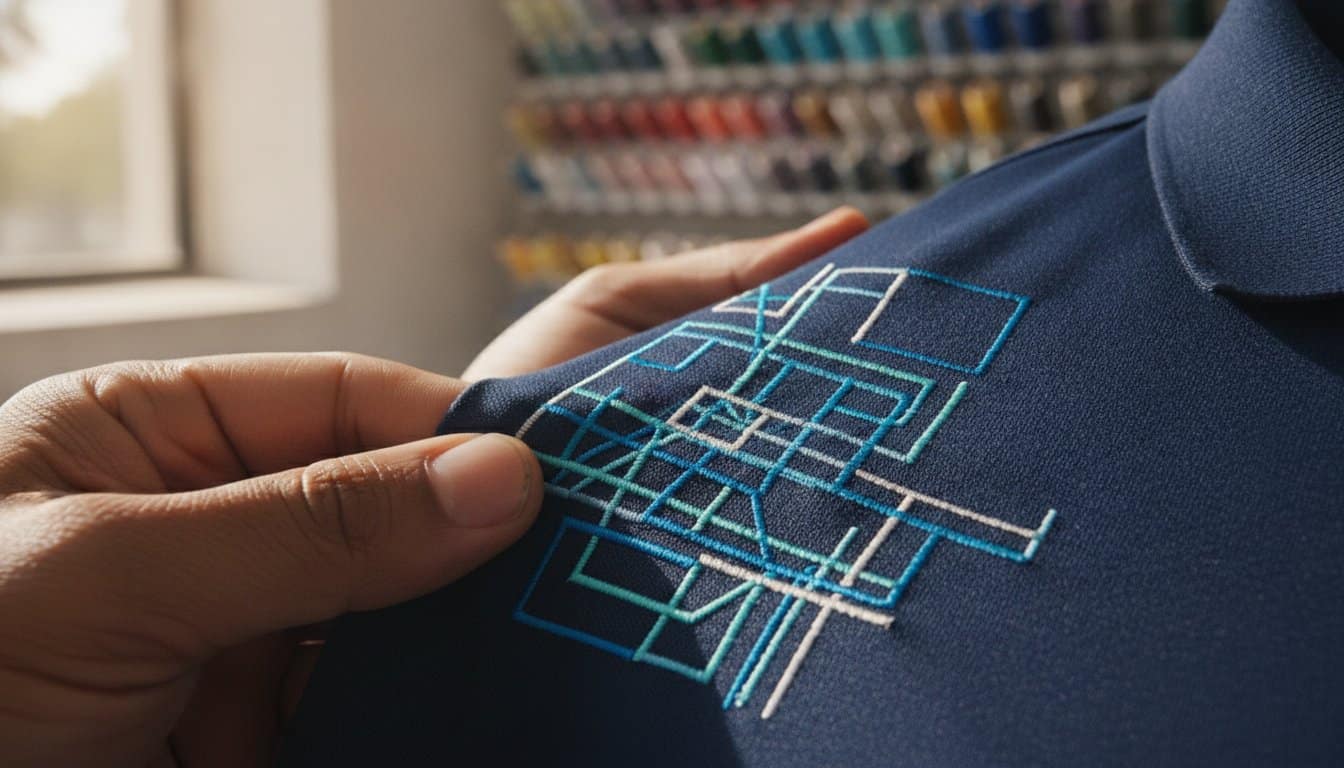
TPU patches can use printed color and detail or raised visual effects, while embroidery builds its image with stitched thread. Printed areas can suit designs with distinct color blocks or fine graphic elements. Embossed or dimensional effects emphasize selected shapes through a raised appearance. Embroidery has a recognizable stitched texture. Neither finish is right for every logo; compare the artwork, scale, and intended emphasis before choosing.
Check small lettering and narrow lines at the planned patch size. If those details are central to the logo, make sure they remain legible in the chosen appearance. If the goal is a visibly raised emblem, a dimensional effect may better match the design direction. For garment decoration more broadly, custom heat transfers offer a different way to place artwork on apparel.
Which Products Can Use Custom TPU Patches?
Common product categories include hats, caps, jackets, bags, backpacks, uniforms, and sportswear. Match the example to the organization: restaurant staff caps, construction jackets, gym bags, team sportswear, or event crew backpacks. Start by identifying the finished item and the visible area available for the logo. This gives the design and patch size a practical context without assuming every attachment method or material is suitable.
- Restaurants: Consider a consistent logo placement on staff caps or uniforms.
- Construction companies: Plan a clear mark for jackets or workwear.
- Gyms and teams: Coordinate graphics across bags, caps, and sportswear.
- Event brands: Use matching patch artwork to identify crew apparel and accessories.
Keep the artwork’s intended look in view. The next step is to compare patch styles and order formats against the design, product, and quantity needed.
How Do TPU Patch Materials and Visual Styles Affect the Finished Look?
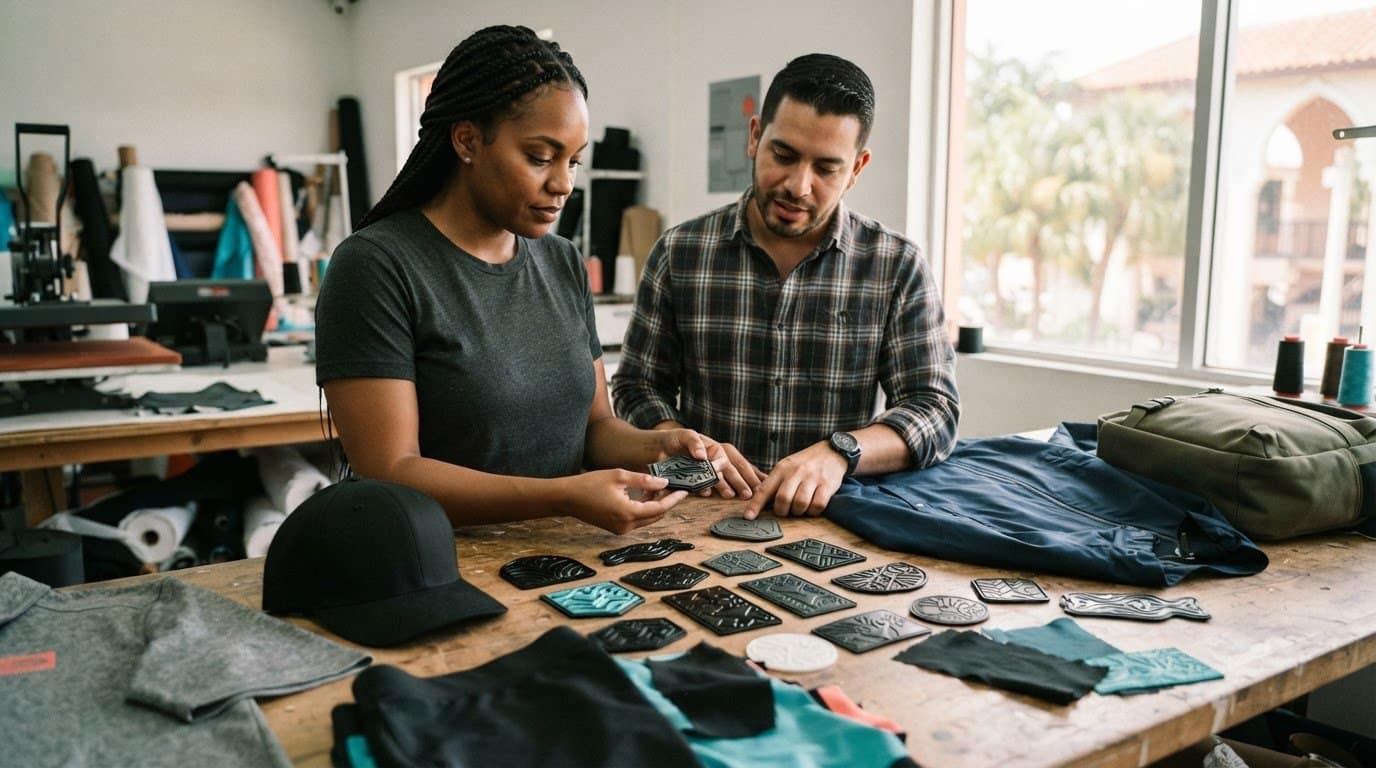
The finished look depends on how the artwork appears on the patch: as a flat printed image, a textured relief, or a more pronounced raised effect. TPU is the patch material, while UV printing, embossing, and dimensional styling describe visual treatments. Choose based on which parts of the logo should lead and how much surface texture you want the design to show.
There’s no single style that suits every logo. Broad color areas, fine lines, lettering, and raised shapes each draw attention differently. Review the artwork at the intended patch size, then decide whether color, texture, or visual depth should be most noticeable.
| Appearance | Visual effect | Design emphasis |
|---|---|---|
| Flat UV-printed | Artwork appears across a relatively even surface. | Color areas and printed graphic elements. |
| Embossed | Selected areas have raised or recessed surface relief. | Contours, symbols, or shapes that benefit from texture. |
| Dimensional | A raised effect becomes a prominent part of the overall appearance. | A logo or graphic intended to stand out through visual depth. |
What Is the Difference Between Flat, Embossed, and Dimensional TPU Patches?
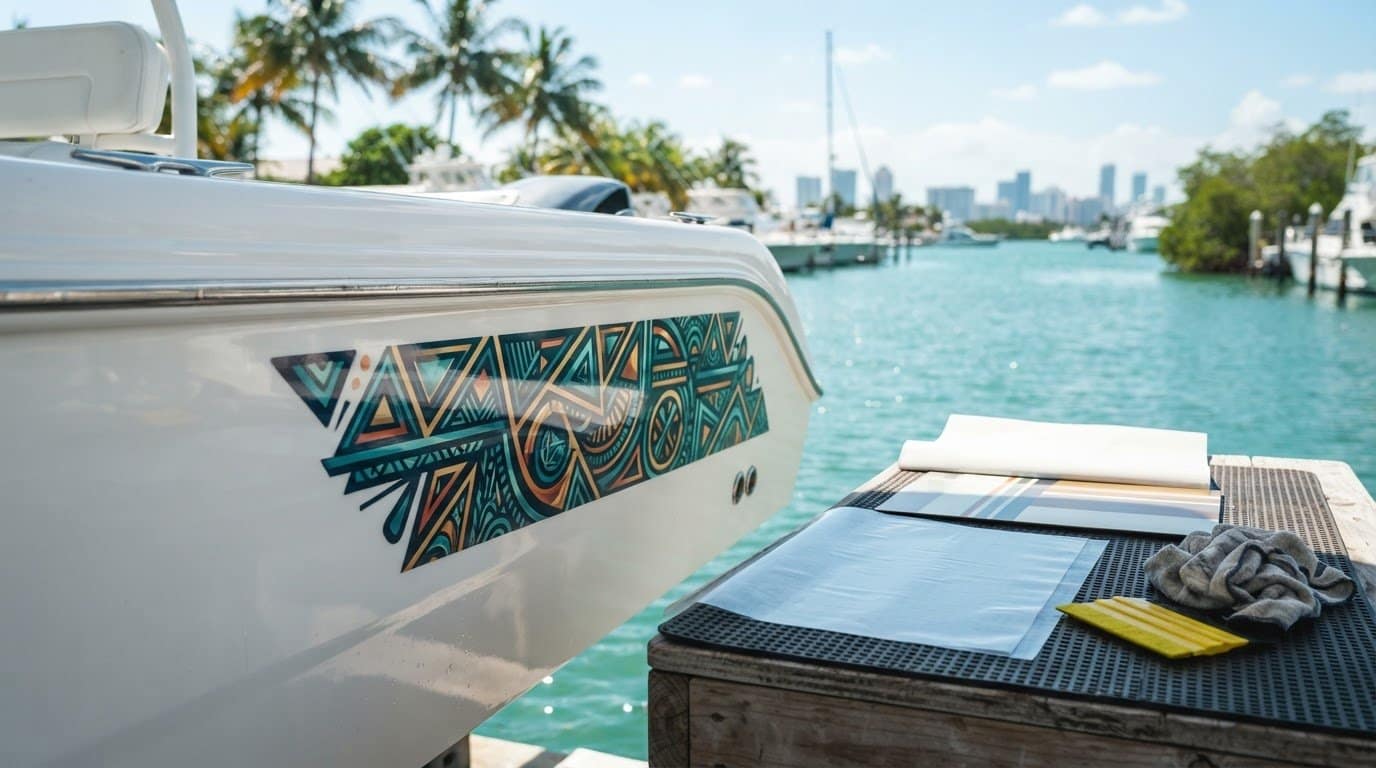
Flat UV printing places the graphic visually on the patch surface, so the artwork itself carries the emphasis. Embossed styling adds visible relief to selected design areas. Dimensional styling gives the raised appearance a stronger role in the overall design. These terms describe how the finished patch looks; they don’t specify an application method or guarantee a particular production outcome.
Some designs combine clear color shapes with a raised emblem or border. Keep the distinctions in the artwork intentional. If every part competes for attention, the logo can become harder to read, especially when viewed at a distance or scaled down for a cap.
Which TPU Patch Style Fits a Logo or Garment?
Start with the logo hierarchy. Identify the part people should notice first, such as a symbol, business name, or team mark. A flat printed look can keep attention on color and graphic areas. Embossed relief can call attention to chosen contours, while a dimensional effect makes visual depth central to the design.
Next, consider the patch’s placement and the garment’s overall look. A compact cap logo may need a clear focal point; a jacket or bag may provide more room for a larger graphic. Simplify tiny lettering or narrow lines if they become difficult to distinguish at the planned size. This is a design consideration, not a promise of exact color or detail reproduction.
For custom tpu patches miami orders, compare the artwork at its intended scale before settling on a visual treatment. If you’re weighing a patch against a garment-applied graphic, review DTF transfers for apparel as another decoration option.
How Should You Choose a Custom TPU Patch Order Format?
Choose an order format based on what you need to control: patch dimensions, the arrangement of multiple designs, or a project tailored to your requirements. By Size organizes the order around patch measurements. Gang Sheet is for arranging designs together on a sheet. Bespoke gives buyers a tailored ordering path.
For a Miami restaurant ordering one logo in a set size, By Size offers a direct way to plan the order. A reseller preparing several graphics may prefer a Gang Sheet format. A corporate buyer coordinating a patch project around a specific brand or use case may choose Bespoke. Captain Printing offers TPU patches with no minimum order requirements and no setup fees.
| Format | Best fit | Start by deciding |
|---|---|---|
| By Size | Orders organized around a selected patch size. | The dimensions that suit the product and logo. |
| Gang Sheet | Projects arranging multiple designs together. | Which designs belong in the sheet layout. |
| Bespoke | Projects that need a tailored ordering approach. | The intended use and specific project priorities. |
When Is By Size, Gang Sheet, or Bespoke the Practical Choice?
Use By Size when the patch dimensions are your main decision and you want the order planned around them. Choose Gang Sheet when the project includes several designs and arranging them together suits your workflow. Select Bespoke when the project needs a tailored approach rather than a straightforward size-based or sheet-based choice. Each format serves a different ordering preference; the right one depends on the artwork and how you plan to use the patches.
The distinction is simple: size describes an individual patch, while a gang sheet describes an arrangement of designs for an order. A sheet doesn’t mean every design has the same dimensions or purpose. Plan the artwork and intended use before selecting the format.
What Should Miami Businesses Consider Before Ordering TPU Patches?
Set the project details first. Identify the finished product, intended use, design count, and desired patch appearance. Then decide whether dimensions, multiple designs, or a tailored order structure should guide the purchase. These choices help local businesses, resellers, and corporate buyers communicate the project clearly.
- Local business: A restaurant can plan a logo patch for staff apparel around a consistent size and placement.
- Reseller: A reseller can organize different artwork in a Gang Sheet format when that layout suits the project.
- Corporate buyer: A company coordinating branding across uniforms or bags can use Bespoke to frame a tailored order.
Review TPU patch ordering options to match the format to your artwork and project. For apparel projects comparing patches with garment-applied graphics, Miami DTF transfers provide another decoration format to consider.
How Do You Prepare Artwork and Apply TPU Patches?
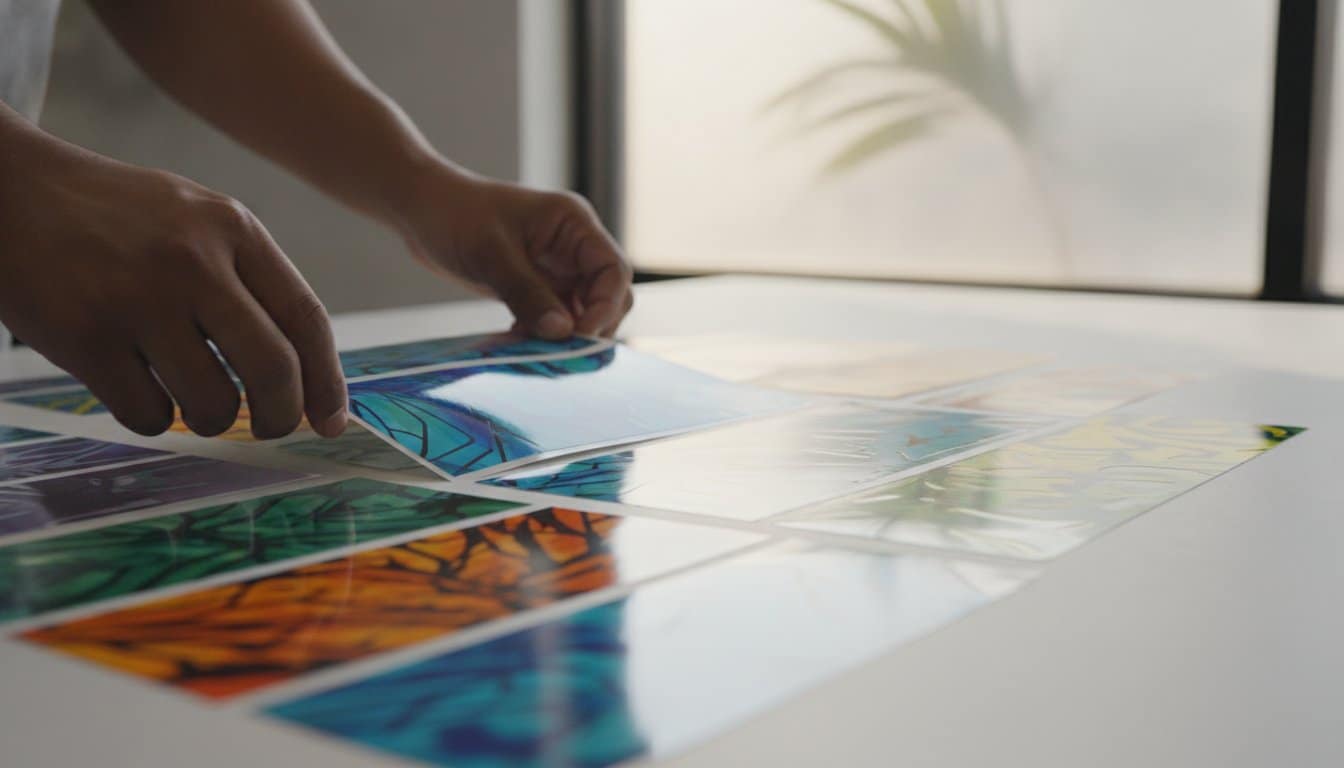
Prepare artwork in a clear sequence: finalize the logo, decide its intended dimensions and colors, confirm the quantity, then review the design at its planned finished size. This gives production a consistent reference and helps catch details that may be hard to see when the artwork is viewed only on a large screen.
There isn’t a universal press recipe for every TPU patch. Application method and settings depend on the patch construction and garment, so don’t assume that a temperature, pressure, or pressing time used for another decoration will work here.
What Artwork Should You Prepare for a TPU Patch Order?
Start with the approved version of your logo or graphic. Set the target dimensions and color choices, and decide how many patches the project needs. Keep edges clean and shapes distinct. Use clear, high-quality artwork, and review small text, narrow lines, and intricate marks at the actual intended patch size before approving production.
- Finalize the design. Use one approved logo version and remove outdated marks or unnecessary elements.
- Set the intended size. Consider the patch’s placement on the finished product, not just the artwork on screen.
- Check visual details. Look closely at lettering, thin outlines, and spaces between shapes. Simplify details that become difficult to distinguish at the planned size.
- Confirm colors and quantity. Make sure the production review uses the intended artwork and order count.
- Review before production. Check the final representation for the correct layout and legibility.
A file extension or resolution requirement shouldn’t be guessed. The practical goal is artwork that clearly shows the complete design and can be reviewed at the intended size. That matters for single-logo orders as well as reseller or corporate projects with multiple designs.
What Application Details Should Buyers Check Before Pressing?
First identify how the patch is constructed and what attachment method it uses. TPU patches may have different application options, and garment fabric and construction can affect the appropriate method. Don’t treat a patch as iron-on unless it is made for that application. Follow the instructions supplied for that specific patch and garment.
Application note: Use only the temperature, pressure, and time specified for the exact patch and application method. General heat-transfer settings are not verified TPU patch instructions, so this guide does not provide a universal settings table.
Custom heat transfers are a separate garment-decoration approach, with their own application instructions. Compare that option with patches when deciding how to place a graphic on apparel, and follow the directions for the selected product rather than transferring settings between methods.
For custom tpu patches miami orders, prepare the artwork and application plan around the finished garment. Explore DTF transfers for apparel decoration as a separate option for garment graphics.
Where Can You Order Custom TPU Patches in Miami?
Order custom TPU patches from Captain Printing’s physical walk-in shop in Opa-locka, where patches are produced in-house. The Miami operation offers genuine same-day production, no minimum order requirements, and no setup fees. Businesses in Hialeah, Doral, and Wynwood, along with buyers in Fort Lauderdale, can use this local production option for apparel branding projects.
¿Necesitas parches personalizados? Captain Printing provides bilingual service and direct personal contact by WhatsApp or phone. Start with the product and artwork, then select an order format that fits the project. Review Miami custom TPU patch options to compare the available routes before submitting your order.
How Can Local Businesses Order TPU Patches Efficiently?
Use a clear sequence: select By Size, Gang Sheet, or Bespoke; prepare and review the artwork; submit the order; then follow the application guidance for the finished patch. Keep the intended garment, design count, dimensions, and selected appearance clear through each step. This gives local businesses, resellers, and corporate buyers a defined ordering path.
- Local businesses: Plan a logo patch around the apparel it will identify.
- E-commerce resellers: Organize designs and quantities around the products being offered.
- Corporate buyers: Coordinate patch artwork for uniforms or branded apparel across an order.
Submit the approved artwork and intended use with the order. Follow the patch-specific application instructions rather than assuming general heat settings apply to every patch or garment.
What Local Production Details Should Miami Buyers Know?
Captain Printing’s Opa-locka shop combines a walk-in location with in-house production. Same-day production is available in Miami, and orders have no minimum requirements or setup fees. Buyers can plan around the project details without needing to meet a minimum quantity.
For a restaurant in Hialeah, a team in Doral, or a corporate buyer in Wynwood or Fort Lauderdale, the practical starting point is the same: choose the format, prepare the design, and submit the order. Captain Printing’s local production serves custom tpu patches miami projects, with bilingual support available through direct WhatsApp or phone contact.
Planning garment graphics alongside your patch order? Explore Miami DTF transfers for apparel as a separate decoration option.
Start your custom TPU patch order with Captain Printing in Opa-locka for your Miami-area business, team, or brand.
Phone: +1 (305) 930-4700 | Address: 13680 NW 19th Ave, Unit 1B, Opa-locka, FL 33054 | Email: [email protected]
Plan Your Next Branded Apparel Run
Use the patch as one part of a consistent branding plan. Before you place a repeat order, record the approved logo version, intended placement, patch dimensions, and appearance. Keeping those choices together gives your team a clear reference for future apparel runs and helps maintain a consistent look across different products.
For custom tpu patches miami projects, make your next step practical: settle on the artwork and the items it needs to identify. If the same rollout also includes garment graphics, start your Miami print order with DTF transfers as a separate decoration option. A clear plan helps you move from a brand idea to finished apparel with purpose.
Bring your next apparel branding project to Captain Printing in Opa-locka. We look forward to helping you move it forward.
Phone: +1 (305) 930-4700 | Address: 13680 NW 19th Ave, Unit 1B, Opa-locka, FL 33054 | Email: [email protected]
Frequently Asked Questions
Are custom TPU patches durable enough for uniforms and sportswear?
TPU patches are offered for uniforms and sportswear, but durability depends on the patch construction, attachment method, garment, and conditions of use. No single wear-life claim applies to every patch and application. For a work uniform or team kit, consider how the item will be worn and cared for, then follow the specific application and care guidance for the patch.
Can TPU patches be used on hats, bags, and jackets?
Yes. TPU patches are available for hats, caps, bags, backpacks, and jackets, as well as uniforms and sportswear. Choose the product before finalizing the design. A cap panel and a jacket area offer different space and shapes for a logo, so plan placement around the finished item. Follow the application instructions suited to that patch and product.
How much do custom TPU patches cost?
Pricing is tailored to the project details, including the selected format, patch size, artwork, appearance, and order quantity. By Size, Gang Sheet, and Bespoke formats organize orders in different ways, so define the design and intended use before placing the order. Captain Printing has no setup fees. Provide the relevant project details to establish pricing for the specific patch order.
Do custom TPU patches have a minimum order quantity?
No. Captain Printing has no minimum order requirements for TPU patches. Buyers can plan an order around the project rather than adding pieces to reach a required quantity. A local business may need patches for a focused uniform update, while a reseller or corporate buyer may organize a larger run around its own product needs.
Can I get TPU patches made the same day in Miami?
Yes. Captain Printing offers genuine same-day TPU patch production in Miami. This refers to production, not a blanket promise about pickup or delivery timing for every order. Prepare the approved artwork and order details clearly, including the design, quantity, and format, so the production request has a defined scope from the start.
What artwork file should I submit for custom TPU patches?
Submit clear, high-quality artwork that shows the complete, approved logo or graphic. Make lettering, edges, and color areas easy to review, and check small text at the intended patch size. Include the selected dimensions and colors so the design can be assessed in context. Use artwork that represents the final version you want produced.
What heat press temperature should I use for TPU patches?
There is no universal temperature setting for TPU patches. The appropriate temperature, pressure, and pressing time depend on the patch construction and intended application method. Use the instructions supplied for the specific patch and garment. Don’t assume settings from a different transfer or patch type will apply, since its materials and attachment method may differ.